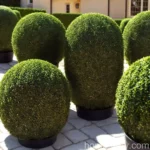
Plant Scientist’s Guide to Japanese Boxwood (Buxus microphylla var. japonica ‘National’)
Introduction
Japanese boxwood (Buxus microphylla var. japonica ‘National’) is a versatile and popular evergreen shrub that has earned its place in gardens and landscapes around the world. In this comprehensive guide, we will explore the various aspects of Japanese boxwood, including its cultural requirements, uses, care tips, common diseases, and much more. Whether you are a seasoned gardener or a novice plant enthusiast, this guide aims to provide valuable insights and practical knowledge about the beloved Japanese boxwood.
What is Japanese Boxwood (Buxus microphylla var. japonica ‘National’)?
Japanese boxwood (Buxus microphylla var. japonica ‘National’) is a compact, rounded evergreen shrub that belongs to the Buxaceae family. It is a cultivar of Buxus microphylla, a species native to Japan. ‘National’ is a popular variety known for its dense foliage and tidy growth habit, making it a sought-after choice for hedges, borders, and landscaping projects.
This cultivar is prized for its versatility and ability to thrive in various environmental conditions, making it a favorite among gardeners and landscapers. It is valued for its lush, green foliage and its potential to be shaped into elegant topiaries or maintained as a classic, clipped hedge.
Key Takeaways – Japanese Boxwood (Buxus microphylla var. japonica ‘National’)
Japanese boxwood (Buxus microphylla var. japonica ‘National’) offers a range of key takeaways for enthusiasts and horticulturists:
- Versatile evergreen shrub suitable for various landscape applications.
- Compact and rounded growth habit with dense foliage.
- Adaptable to pruning and shaping, making it ideal for formal gardens and topiaries.
- Resilient and low-maintenance plant with proper care.
- Susceptible to specific diseases and pests that require vigilance and preventive measures.
Now, let’s delve into the essential aspects of cultivating and caring for Japanese boxwood, covering culture, uses, watering, sunlight requirements, fertilizer needs, soil preferences, pruning techniques, propagation methods, container cultivation, common diseases, pest management, and botanist’s tips.
Culture
Cultivating Japanese boxwood requires an understanding of its specific cultural requirements to ensure optimal growth and health. Here are the critical cultural aspects to consider:
- Hardiness Zones: Japanese boxwood (Buxus microphylla var. japonica ‘National’) is typically suited for USDA hardiness zones 6 to 9, though this can vary based on local climate conditions.
- Planting Time: The ideal time to plant Japanese boxwood is during the early spring or fall, allowing the plants to establish their root systems before periods of extreme heat or cold.
- Spacing: When planting Japanese boxwood as a hedge or border, spacing the individual plants 2 to 3 feet apart will allow for a dense and uniform growth pattern.
- Companion Planting: Consider companion planting with other shrubs and perennials that complement the color and texture of Japanese boxwood while accommodating its cultural needs.
- Landscape Uses: Japanese boxwood is versatile and can be utilized in various landscape settings, including as borders, hedges, topiaries, and foundation plantings.
Uses
Japanese boxwood (Buxus microphylla var. japonica ‘National’) offers a myriad of uses in garden and landscape designs. Some common applications include:
- Formal Hedges: Due to its dense growth habit and response to shaping, Japanese boxwood is often used to create formal hedges that define spaces and provide a classic, elegant aesthetic.
- Topiaries: The malleable nature of Japanese boxwood allows for intricate topiary designs, adding sculptural interest to gardens and formal landscapes.
- Border Plantings: Positioned along garden borders or walkways, Japanese boxwood provides year-round structure and visual appeal, enhancing the overall landscape design.
- Container Plantings: Compact varieties of Japanese boxwood are well-suited for container cultivation, allowing for portable greenery on patios, balconies, and outdoor living spaces.
Water
The proper watering regimen is essential for maintaining the health and vitality of Japanese boxwood. Here are key considerations for watering:
- Establishment Period: Newly planted Japanese boxwood should receive regular watering to support root establishment. Once established, they are relatively drought-tolerant but benefit from supplemental watering during dry spells.
- Watering Frequency: During the growing season, water deeply but infrequently, allowing the soil to partially dry out between watering sessions. Overly wet conditions can lead to root rot, so it’s crucial to find a balance.
- Best Practices: Water at the base of the shrub to deliver moisture directly to the root zone, especially during hot and dry periods. Avoid overhead watering to minimize foliar diseases.
Sunlight
Japanese boxwood (Buxus microphylla var. japonica ‘National’) exhibits specific preferences for sunlight exposure, influencing its growth and overall health. Consider the following sunlight requirements:
- Full sun to Partial Shade: Japanese boxwood thrives in locations with partial shade to full sun, with a preference for morning sun and afternoon shade in hotter climates.
- Leaf Burn Prevention: In regions with intense or prolonged sun exposure, providing afternoon shade can protect the foliage from sunburn and maintain vibrant green coloration.
- Indoor Cultivation: For indoor or container-grown Japanese boxwood, ensure exposure to bright, indirect light for healthy growth.
Fertilizer
Appropriate fertilization contributes to the vigor and vitality of Japanese boxwood. Understanding the fertilizer needs and application guidelines is crucial for promoting optimal growth. Consider the following fertilizer recommendations:
- Balanced Fertilizer: Use a balanced, slow-release fertilizer formulated for woody plants to provide essential nutrients without promoting excessive vegetative growth.
- Application Timing: Apply fertilizer in early spring before the onset of new growth and again in late spring or early summer to support active growth during the growing season.
- Avoid Overfertilization: Excessive fertilization can lead to adverse effects, including leaf burn and increased susceptibility to certain pests and diseases. Follow recommended application rates and avoid fertilizing during the dormant season.
Soil
The soil composition and quality significantly impact the growth and performance of Japanese boxwood. Understanding the soil preferences and making necessary amendments ensures an optimal growing environment. Consider the following soil characteristics:
- Well-Draining Soil: Japanese boxwood thrives in well-draining, loamy soil that retains adequate moisture without becoming waterlogged. Poorly drained soils can lead to root rot and other detrimental conditions.
- pH Level: Ideally, the soil pH should range between 6.5 and 7.5 to support nutrient availability and root health. Amending acidic or alkaline soils to achieve this range can benefit the overall growth of Japanese boxwood.
- Soil Amendments: Incorporating organic matter, such as compost or well-rotted manure, during planting or as a topdressing can improve soil structure and fertility, promoting robust growth.
Pruning
Pruning is a fundamental aspect of Japanese boxwood care, shaping its form and maintaining its desired size. Proper pruning techniques and timing are crucial for achieving healthy and visually appealing shrubs. Consider the following pruning guidelines:
- Pruning Frequency: Regular, light pruning throughout the growing season helps maintain the desired shape and density of Japanese boxwood. Avoid heavy pruning that removes significant portions of the foliage at once.
- Timing: Early spring is an ideal time for major pruning or shaping, as it allows the plants to recover and generate new growth before the onset of hot or stressful conditions.
- Tools and Techniques: Use sharp, clean pruning tools to make precise cuts, promoting rapid healing and minimizing the risk of disease transmission. Aim to create natural, gradual transitions in the plant’s form rather than harsh, abrupt cuts.
Propagation
The propagation of Japanese boxwood offers the opportunity to expand a collection or share prized cultivars with fellow enthusiasts. Understanding effective propagation methods is essential for successful reproduction. Consider the following propagation techniques:
- Stem Cuttings: Propagating Japanese boxwood from semi-hardwood stem cuttings is a common and reliable method. Select healthy, actively growing stems, and root the cuttings in a well-draining propagation medium under controlled conditions.
- Timing: Propagation via stem cuttings is typically performed in late spring or early summer when the plant’s growth is robust and conducive to rooting.
- Rooting Hormone: To expedite rooting, dip the cut ends of the stem cuttings in a rooting hormone powder before planting them in the propagation medium.
Container Cultivation
Japanese boxwood is well-suited for container cultivation, offering versatility and ornamental value in various outdoor and indoor settings. Consider the following insights for successful container gardening with Japanese boxwood:
- Container Selection: Choose a suitable container with adequate drainage holes to facilitate proper water management and prevent waterlogged conditions.
- Potting Mix: Utilize a well-draining, lightweight potting mix designed for container plants to provide sufficient aeration and moisture retention for the roots.
- Watering and Nutrition: Container-grown Japanese boxwood may require more frequent watering and fertilization than their ground-planted counterparts due to the limited root space and nutrient availability in the potting medium.
Popularity
Japanese boxwood (Buxus microphylla var. japonica ‘National’) has garnered widespread popularity among gardeners, landscapers, and homeowners for several compelling reasons:
- Versatility: Its adaptability to different growing conditions and its amenability to pruning make Japanese boxwood a versatile and sought-after plant for various landscape applications.
- Year-Round Appeal: With its evergreen foliage and consistent growth habit, Japanese boxwood provides year-round color and structure, contributing to the visual appeal of gardens and landscapes.
- Low Maintenance: Once established, Japanese boxwood requires minimal maintenance, making it an attractive option for individuals seeking resilient, long-lived plants with enduring visual impact.
Common Diseases
While Japanese boxwood is generally resilient, it is susceptible to certain diseases that can affect its health and appearance. Familiarizing oneself with common diseases and their preventive measures is essential for proactive management. Some of the prevalent diseases include:
- Boxwood Blight: Caused by the fungal pathogen Calonectria pseudonaviculata, boxwood blight can lead to rapid defoliation, black stem lesions, and dieback of affected branches. Practices such as avoiding overhead watering and removing and destroying infected plant material can help curb the spread of this disease.
- Leaf Spot: Various fungal pathogens can cause leaf spotting on Japanese boxwood, resulting in discolored and blemished foliage. Proper sanitation practices, including removing and disposing of fallen leaves, can help mitigate the spread of leaf spot diseases.
Disease Diagnosis
Diagnosing diseases in Japanese boxwood involves keen observation and diagnostic skills to identify potential issues early and implement appropriate management strategies. Visual symptoms, such as leaf discoloration, wilting, or abnormal growth, may signal underlying diseases that require prompt attention. Consultation with a plant pathologist or extension specialist can aid in accurate disease diagnosis and tailored treatment recommendations.
Common Pests
Japanese boxwood is susceptible to certain insect pests that can compromise its health and aesthetic appeal if left unchecked. Understanding common pests and their behavior is crucial for implementing effective pest management practices. Some of the notable pests include:
- Boxwood Leafminer (Monarthropalpus flavus): The larvae of this insect mine within the leaves of boxwood, leading to unsightly blotches and potential defoliation. Monitoring for early signs of infestation and considering targeted insecticide applications can help manage this pest.
- Boxwood Psyllid (Psylla buxi): These small, jumping insects can cause distortion and discoloration of boxwood leaves, impacting the plant’s vigor. Promoting natural predators and maintaining plant health through proper cultural practices can aid in pest suppression.
Botanist’s Tips
As a plant scientist and botanist, I would like to share some valuable tips for cultivating and caring for Japanese boxwood based on scientific principles and practical knowledge:
- Site Selection: When choosing a planting site for Japanese boxwood, consider factors such as soil drainage, sunlight exposure, and air circulation to create an optimal growing environment.
- Sanitation Practices: Regularly remove fallen leaves and pruned plant material to minimize the potential for disease spread and pest infestations, promoting overall plant health.
- Integrated Pest Management: Emphasize a holistic approach to pest management by integrating cultural, biological, and chemical control methods as appropriate, with an emphasis on minimizing environmental impact.
Fun Facts
To deepen your appreciation for Japanese boxwood, here are some intriguing and lesser-known facts about this beloved shrub:
- Iconic Traditional Gardens: Japanese boxwood has been a staple in Japanese gardens for centuries, contributing to the timeless beauty and tranquility of these meticulously crafted landscapes.
- Symbolism: In traditional Japanese culture, boxwood is often associated with longevity, resilience, and harmony, reflecting its enduring significance as a symbolic plant.
- Artistic Inspiration: The elegant form and texture of Japanese boxwood have inspired artists and garden designers worldwide, shaping the aesthetic principles of formal garden design.
Links to External Resources
For further exploration of Japanese boxwood (Buxus microphylla var. japonica ‘National’) and related topics, consider the following external resources:
- Japanese Boxwood Planting and Care Tips – The American Boxwood Society
- Growing and Pruning Buxus microphylla var. japonica ‘National’ – Royal Horticultural Society
- Managing Boxwood Diseases – University of Maryland Extension
- Pest Management in Boxwood Landscapes – North Carolina State University
- Practical Aspects of Boxwood Propagation – University of California Agriculture and Natural Resources
With the collective knowledge and insights shared in this comprehensive guide, I hope that you feel empowered to cultivate, care for, and appreciate the unique attributes of Japanese boxwood (Buxus microphylla var. japonica ‘National’). Whether adorning a formal garden, serving as a focal point in a container, or contributing to the timeless allure of a traditional landscape, Japanese boxwood stands as a testament to the enduring charm of ornamental shrubs in horticulture and artistry.
Remember, each interaction with a plant offers an opportunity for shared growth, both for the plant and the dedicated steward of the natural world.
Happy gardening!
References:
1. American Boxwood Society. “Japanese Boxwood Planting and Care Tips.” https://www.boxwoodsociety.org/japanese-boxwood-planting-and-care-tips
2. Royal Horticultural Society. “Growing and Pruning Buxus microphylla var. japonica ‘National’.” https://www.rhs.org.uk/plants/109563/i-buxus-microphylla-i-var-i-japonica-i-national/details
3. University of Maryland Extension. “Managing Boxwood Diseases.” https://extension.umd.edu/resource/dr-h-shipley-clark
4. North Carolina State University. “Pest Management in Boxwood Landscapes.” https://content.ces.ncsu.edu/pest-management-in-boxwood-landscapes
5. University of California Agriculture and Natural Resources. “Practical Aspects of Boxwood Propagation.” https://ucanr.edu/sites/ucanr/files/29335.pdf