Janet Craig Dracaena (Dracaena Deremensis)
Plants, in their diverse forms and functions, are essential to the health and well-being of the planet and its inhabitants. Janet Craig Dracaena.

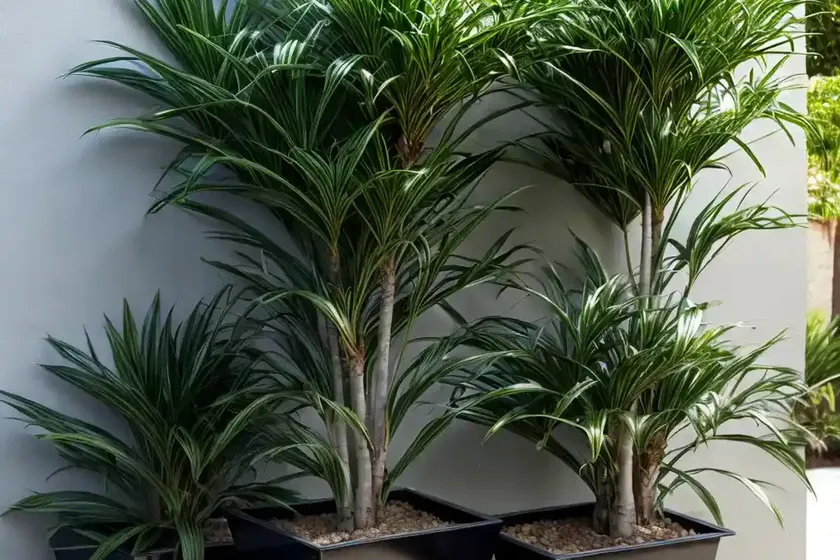
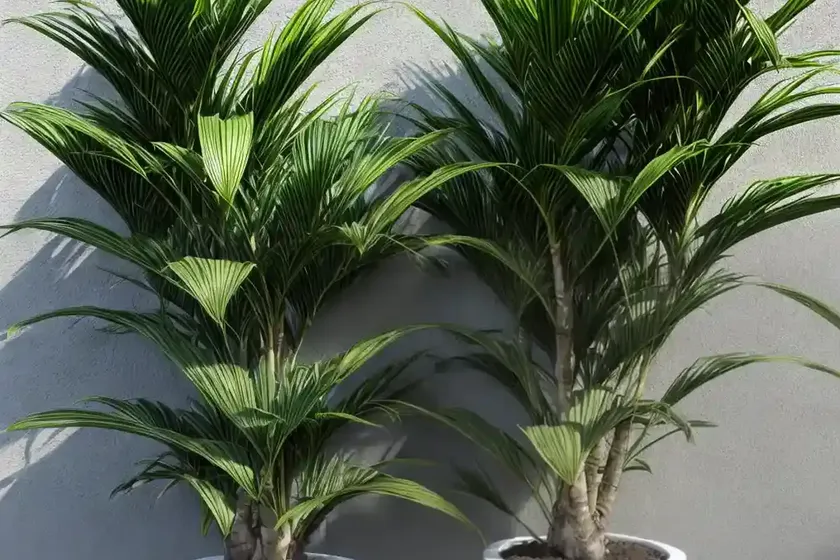
Plants, in their diverse forms and functions, are essential to the health and well-being of the planet and its inhabitants. Janet Craig Dracaena, scientifically known as Dracaena Deremensis, is a popular houseplant that contributes not only to the aesthetics of indoor spaces but also to the overall wellness of its environment.
As a plant scientist, I find the versatility and resilience of Janet Craig Dracaena truly fascinating. In this extensive guide, we will explore the various aspects of this remarkable plant, from its culture and uses to its care requirements, common diseases, and pests. Whether you are a seasoned plant enthusiast or a novice looking to enrich your living space with greenery, this comprehensive resource will equip you with the knowledge and skills to nurture and appreciate the Janet Craig Dracaena.
What is a Plant?
Plants are eukaryotic, multicellular organisms that belong to the kingdom Plantae. They are characterized by their ability to carry out photosynthesis, the process through which they harness light energy to convert carbon dioxide and water into organic compounds, such as sugars, that sustain their growth and development. Plants play a crucial role in the Earth’s ecosystems, serving as primary producers that form the foundation of food chains and contribute to the oxygen content of the atmosphere.
From towering trees to delicate flowers, the diversity of plants is truly astonishing. Each species exhibits unique adaptations and features that enable it to thrive in specific environments. Furthermore, many plants offer valuable resources, such as food, medicine, shelter, and raw materials, making them indispensable to human societies throughout history.
Janet Craig Dracaena: An Overview
Janet Craig Dracaena, a member of the Dracaena Deremensis species, is a stunning evergreen plant known for its elegant, sword-shaped leaves and adaptability to indoor environments. With its lush foliage and air-purifying qualities, this popular houseplant has become a staple in homes, offices, and public spaces around the world.
Key Takeaways
Before delving into the specifics of caring for Janet Craig Dracaena, it’s important to highlight some key takeaways regarding this remarkable plant. Understanding these fundamental aspects will guide us as we explore its cultural requirements and maintenance.
Culture
- Scientific Name: Dracaena Deremensis
- Common Name: Janet Craig Dracaena
- Family: Asparagaceae
- Origin: Tropical Africa
- Type: Evergreen, perennial
- Growth Rate: Moderate
Uses
- Indoor Plant: Well-suited for indoor environments
- Ornamental: Adds aesthetic value to living spaces
- Air Purification: Known for its air-purifying capabilities
- Biophilic Design: Enhances indoor biophilic elements
Now, let’s delve into the specific care requirements and characteristics that make the Janet Craig Dracaena an exceptional addition to any indoor setting.
Water
Proper watering is essential for the health and vitality of Janet Craig Dracaena. Maintaining the appropriate moisture levels in the soil ensures that the plant can thrive without the risk of overwatering or dehydration.
Watering Tips
- Frequency: Water thoroughly when the top inch of the soil is dry
- Water Retention: Ensure proper drainage to prevent waterlogging
- Avoid Overwatering: Allow excess water to drain from the pot
- Consistent Moisture: Aim for evenly moist soil, but not waterlogged
Sunlight
As an indoor plant, Janet Craig Dracaena has specific lighting requirements that are essential for its growth and overall well-being. Understanding its light preferences is key to providing an optimal environment for this beautiful plant.
Light Requirements
- Indirect Light: Thrives in bright, indirect light
- Avoid Direct Sun: Protect from intense, direct sunlight
- Low Light Tolerance: Can adapt to low-light conditions
- Rotational Care: Rotate the plant regularly for even light exposure
Fertilizer
Supplemental nutrition in the form of fertilizer is important for Janet Craig Dracaena, particularly when grown in containers. Providing the right balance of nutrients supports healthy growth and vibrant foliage.
Fertilization Recommendations
- Balanced Formula: Use a balanced, water-soluble fertilizer
- Dilute Application: Apply fertilizer at half strength
- Frequency: Fertilize every 2-4 weeks during the growing season
- Withhold in Winter: Reduce fertilization in the winter months
Soil
The choice of soil or growing medium significantly influences the overall health and development of Janet Craig Dracaena. Selecting the right type of soil and ensuring good drainage is crucial for its well-being.
Soil Requirements
- Well-Draining: Use a well-draining potting mix
- Aeration: Incorporate perlite or coarse sand for aeration
- Moisture Retention: Balances moisture retention and drainage
- pH Level: Maintain a slightly acidic to neutral pH (6.0-6.5)
Pruning
Pruning is an important aspect of Janet Craig Dracaena maintenance, enabling the removal of spent foliage and shaping the plant for a tidy and compact appearance. Proper pruning practices contribute to the plant’s overall aesthetics and health.
Pruning Tips
- Remove Dead Leaves: Trim brown or yellowing leaves close to the stem
- Prune Leggy Growth: Trim back leggy or elongated stems
- Sanitize Tools: Use clean, sharp scissors or pruning shears
- Dispose Responsibly: Dispose of pruned material appropriately
Propagation
The propagation of Janet Craig Dracaena allows plant enthusiasts to expand their collection or share the beauty of this species with others. Understanding the propagation methods and best practices is essential for successful reproduction.
Propagation Methods
- Stem Cuttings: Rooting stem cuttings in water or soil
- Division: Separating offsets or dividing the root ball
- Leaf Cuttings: Rooting individual leaves for propagation
- Timing: Propagate in the spring or early summer for optimal results
Container
When cultivating Janet Craig Dracaena indoors, selecting the right container and providing suitable growing conditions significantly impact its growth and overall appearance.
Container Considerations
- Size: Choose a pot with sufficient room for root growth
- Drainage Holes: Ensure adequate drainage for excess water
- Material: Use a breathable, non-toxic container
- Stability: Select a stable container to prevent tipping
Popularity
Janet Craig Dracaena’s popularity as an indoor plant stems from its adaptability, aesthetics, and air-purifying capabilities. Let’s explore some of the factors that contribute to its widespread appeal among plant enthusiasts and interior decorators.
Contributing Factors
- Low Maintenance: Well-suited for low-maintenance care
- Aesthetic Appeal: Striking foliage and architectural form
- Air Purification: Recognized for its air-purifying properties
- Versatile Placement: Ideal for various indoor settings
Common Diseases
Like all living organisms, Janet Craig Dracaena is susceptible to certain diseases that can affect its growth and vitality. Identifying and addressing common diseases is crucial for maintaining the plant’s health.
Disease Diagnosis
- Leaf Spot Diseases: Fungal infections causing leaf spots
- Root Rot: Resulting from overwatering and poor drainage
- Powdery Mildew: Fungal growth on leaves in high humidity
- Stem Rot: Caused by fungal or bacterial pathogens
Common Pests
Pests can pose a threat to the well-being of Janet Craig Dracaena, requiring vigilance and prompt action to prevent infestations and damage.
Common Pests
- Spider Mites: Tiny arachnids that feed on plant sap
- Mealybugs: White, cottony pests found on stems and leaves
- Scale Insects: Small, armored insects on stems and leaves
- Fungus Gnats: Small flies that lay eggs in moist soil
Botanist’s Tips
As a plant scientist with a passion for Janet Craig Dracaena and its care, I’ve gathered some valuable tips and insights that can enhance your experience in nurturing and appreciating this beautiful plant.
Expert Recommendations
- Consistent Care: Maintain consistent watering and light conditions
- Observation: Monitor for signs of pests, diseases, or stress
- Balanced Nutrition: Provide balanced fertilization during the growing season
- Pruning Practice: Regularly remove dead or yellowing foliage for plant health
Fun Facts
Amidst the practical care guidelines and maintenance considerations, it’s worthwhile to explore some intriguing and delightful facts about Janet Craig Dracaena.
Fascinating Tidbits
- NASA Approved: Recognized for its air-purifying qualities by NASA’s Clean Air Study
- Toxicity: Considered toxic to cats and dogs if ingested
- Native Habitat: Hails from tropical regions in Africa
- Longevity: Can live for several decades when well cared for
Links to External Resources
For further exploration and reference, I recommend the following external resources that provide valuable information on Janet Craig Dracaena care, cultivation, and related topics.
- The Spruce: How to Grow and Care for Dracaena Janet Craig
- University of Florida IFAS Extension: Dracaena spp. Janet Craig
- Gardening Know How: Janet Craig Dracaena Care – How To Grow A Janet Craig Dracaena Houseplant
- The Old Farmer’s Almanac: How to Grow Dracaena (Dracaena Marginata)
In conclusion, the Janet Craig Dracaena stands as a testament to the beauty and resilience of indoor plants. Its graceful foliage, air-purifying qualities, and adaptability make it a cherished addition to any indoor setting. By understanding its cultural needs, recognizing potential challenges, and appreciating its remarkable qualities, plant enthusiasts can cultivate thriving and aesthetically pleasing Janet Craig Dracaena specimens in their homes and workspaces.
Remember, nurturing plants like the Janet Craig Dracaena is not only a gratifying endeavor but also a meaningful contribution to creating healthier and more vibrant living environments. Embrace the joy of plant care and the transformative impact of greenery in your daily life.