Jacob’s Ladder (Polemonium Reptans)
In the world of ornamental gardening, Jacob’s ladder (Polemonium reptans) is a beloved and versatile perennial plant. Its delicate foliage, stunning.
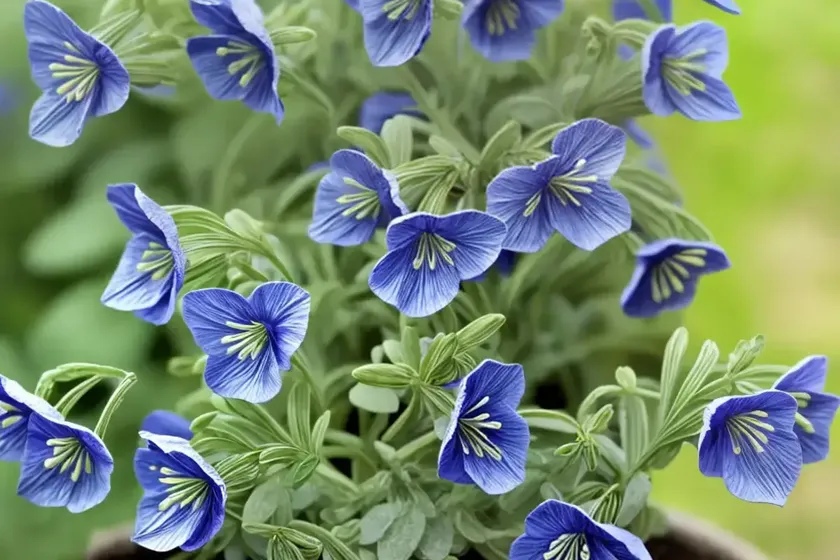
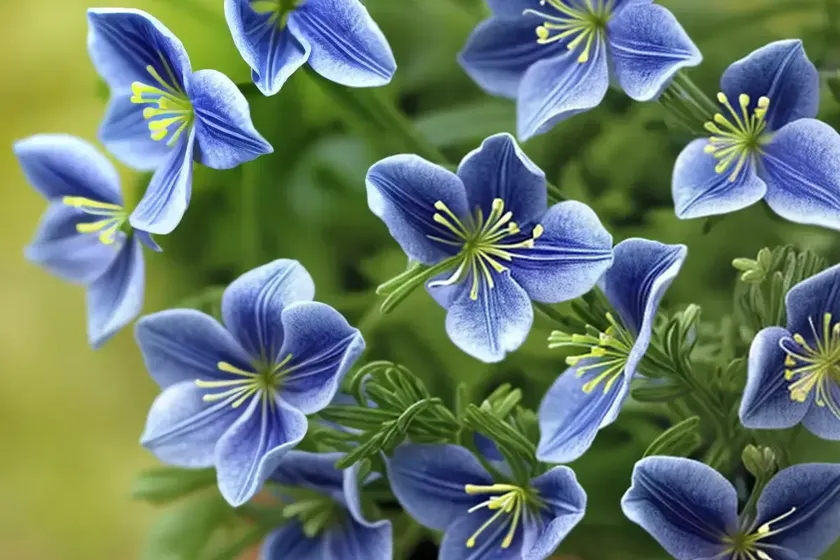
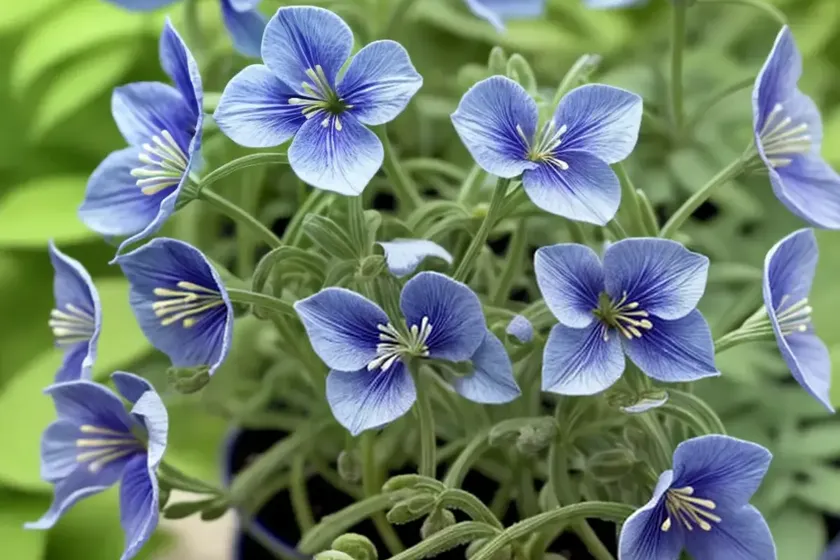
In the world of ornamental gardening, Jacob’s ladder (Polemonium reptans) is a beloved and versatile perennial plant. Its delicate foliage, stunning flowers, and ease of care make it a favorite among gardeners looking to add a touch of elegance to their landscapes. In this comprehensive guide, we will explore everything there is to know about Jacob’s ladder, from its cultural requirements to its medicinal uses, and from its propagation to its common pests and diseases.
What is Jacob’s ladder (Polemonium reptans)?
Jacob’s ladder, scientifically known as Polemonium reptans, is a herbaceous perennial plant native to North America. It belongs to the Polemoniaceae family and is known for its graceful, ladder-like arrangement of leaflets along its stems. The plant typically reaches a height of 12 to 18 inches and produces delicate, bell-shaped flowers in shades of blue or violet. Its fern-like foliage adds to its visual appeal, making it a popular choice for shady or woodland gardens.
Key Takeaways
Before delving deeper into the specifics of Jacob’s ladder care and cultivation, let’s highlight some key takeaways about this charming plant:
- Scientific Name: Polemonium reptans
- Common Name: Jacob’s ladder
- Plant Type: Herbaceous perennial
- Height: 12 to 18 inches
- Flower Color: Blue or violet
- Foliage: Fern-like, arranged in a ladder-like pattern
- Sunlight: Partial to full shade
- Watering: Moderate
- Soil Type: Moist, well-draining
- Hardiness Zones: 3 to 7
- Uses: Ornamental, medicinal
Now, let’s dive into the details of how to cultivate and care for Jacob’s ladder in home gardens and landscapes.
Culture
Uses
Jacob’s ladder is primarily grown for its ornamental value, adding a touch of elegance to shaded areas in the garden. Its graceful foliage and delicate flowers make it an excellent choice for woodland gardens, borders, and as a ground cover in a dappled shade. Additionally, some gardeners value its potential medicinal uses, which we will explore later in this guide.
Water
Proper watering is crucial to the health and vigor of Jacob’s ladder plants. While they prefer consistently moist soil, they are susceptible to root rot if the soil becomes waterlogged. It’s essential to strike a balance, allowing the soil to dry slightly between waterings while ensuring it never becomes overly dry. In periods of prolonged drought, regular watering is necessary to keep the plants thriving.
Sunlight
Jacob’s ladder thrives in partial to full shade, making it an ideal choice for shaded or woodland landscapes. In regions with hot summers, providing the plant with some protection from the intense midday sun is advisable to prevent leaf scorch. Shaded areas with dappled sunlight are perfect for promoting healthy growth and abundant flowering.
Fertilizer
Fertilizing Jacob’s ladder should be approached with moderation. Excessive fertilization can lead to leggy growth and diminished flowering. A balanced, slow-release fertilizer applied in spring as new growth emerges can provide the necessary nutrients for robust development. Additionally, incorporating organic matter into the soil during planting can contribute to the plant’s overall health and vigor.
Soil
The ideal soil for Jacob’s ladder is moist, well-draining, and rich in organic matter. A slightly acidic to neutral pH range is preferred, and incorporating compost or peat moss into the soil can enhance its moisture-retention capabilities. Well-prepared soil sets the stage for healthy root development and lush foliage.
Pruning
Pruning Jacob’s ladder is a straightforward task and primarily involves the removal of spent flowers to encourage continuous blooming. As the flowering period decreases, deadheading the plant can prompt a second flush of blooms. Additionally, removing any damaged or discolored foliage helps maintain the plant’s overall appearance and health.
Propagation
Jacob’s ladder can be propagated through division or by collecting and planting its seeds. Dividing mature clumps in early spring or fall allows gardeners to create new plants while rejuvenating the parent plant. When collecting seeds, sowing them in a well-prepared seedbed in late summer or early fall can yield new plants the following spring.
Container Popularity
Due to its adaptability to partial shade and moderate moisture levels, Jacob’s ladder is a popular choice for container gardening in shaded patios, decks, or balconies. Its graceful habit and elegant flowers bring visual interest to container arrangements, particularly when complemented by other shade-loving plants.
Common Diseases
Like many plants, Jacob’s ladder can be susceptible to certain diseases that, if left unchecked, can impact its growth and vigor. Some common diseases that affect Jacob’s ladder include:
- Powdery Mildew: A fungal disease that manifests as a powdery white coating on the leaves, often caused by humidity and poor air circulation.
- Leaf Spot: Characterized by dark spots or lesions on the foliage, this disease can be triggered by excess moisture or overcrowding of plants.
Disease Diagnosis
Proper diagnosis of plant diseases is essential for effective management. When observing symptoms of disease on Jacob’s ladder, it’s crucial to accurately identify the issue at hand. Close monitoring of the plant’s overall health, foliage, and any changes in growth patterns can aid in pinpointing the specific disease affecting the plant.
Common Pests
In addition to diseases, Jacob’s ladder can also be targeted by certain pests that may compromise its health and appearance. Some common pests include:
- Aphids: These small, soft-bodied insects feed on the tender growth of the plant, leading to distorted leaves and stunted growth.
- Slugs and Snails: These voracious pests feed on the foliage, leaving behind ragged holes and damage.
Botanist’s Tips
- Companion Planting: Pair Jacob’s ladder with other shade-loving plants such as hostas, ferns, and astilbes to create visually appealing and harmonious combinations in shaded gardens.
- Mulching: Applying a layer of organic mulch around the base of the plants helps retain moisture, suppress weeds, and promote overall plant health.
- Wildlife Attraction: Jacob’s ladder’s flowers attract pollinators such as bees and butterflies, making it a valuable addition to wildlife-friendly gardens.
Fun Facts
- The common name “Jacob’s ladder” is derived from the arrangement of the leaflets along the stems, which is reminiscent of a ladder.
- The plant’s genus name, Polemonium, is derived from the Greek word “polemon,” meaning war, due to historical beliefs in its medicinal properties as a remedy for battle wounds.
Botanical Aspects
Plant Characteristics
Jacob’s ladder features several distinctive botanical characteristics that make it a unique and desirable addition to gardens. Some key plant characteristics include:
- Foliage Arrangement: The leaflets are arranged in a ladder-like pattern along the stems, adding to the plant’s visual interest.
- Flower Colors: The bell-shaped flowers exhibit shades of blue or violet, often with a delicate white center, creating a striking display.
- Growth Habit: Jacob’s ladder forms clumps of foliage and produces upright flowering stems, contributing to its overall texture and form.
Perennial Qualities
As a hardy perennial, Jacob’s ladder exhibits qualities that make it a sustainable and long-lasting addition to the garden. Its perennial nature offers the following advantages:
- Yearly Return: Once established, Jacob’s ladder reliably returns each year, providing consistent beauty to the landscape.
- Adaptability: The plant’s ability to thrive in shaded conditions and its moderate water requirements contribute to its resilience and adaptability.
Flowering and Seasonality
The flowering period of Jacob’s ladder typically occurs in late spring to early summer, depending on the local climate and growing conditions. During this time, the plant produces clusters of charming, bell-shaped flowers that add a touch of elegance to shaded areas. The seasonality of its blooms contributes to the overall garden design and offers seasonal interest.
Ornamental Qualities
Jacob’s ladder possesses numerous ornamental qualities that make it a prized addition to garden landscapes. Some of its notable ornamental characteristics include:
- Texture: The fern-like foliage and graceful flowers contribute to the plant’s overall texture, providing visual appeal and interest.
- Fragrance: Some varieties of Jacob’s ladder are known for their pleasant, faint fragrance, adding an olfactory dimension to the garden experience.
- Color Contrast: The blue or violet flowers against the backdrop of lush, green foliage create striking color contrast in shaded settings.
Growth Habits
The growth habits of Jacob’s ladder play a significant role in its visual impact and landscape utility. Understanding its growth habits helps gardeners make informed decisions regarding its placement and combinations with other plants:
- Clumping Growth: Jacob’s ladder forms attractive clumps of foliage, making it an excellent choice for borders and edging in shaded gardens.
- Upright Stems: The plant’s upright flowering stems provide vertical interest, contributing to its architectural quality and overall form.
Medicinal and Symbolic Significance
Medicinal Uses
Historically, various parts of Jacob’s ladder have been used in traditional herbal medicine. The plant was believed to possess medicinal properties, and preparations made from its roots and leaves were used for a variety of purposes. Some reported medicinal uses of Jacob’s ladder include:
- Healing Wounds: Poultices made from the plant were applied to wounds to aid in the healing process.
- Respiratory Health: In some traditions, Jacob’s ladder was used to support respiratory health and alleviate coughs.
Symbolism
Beyond its practical uses, Jacob’s ladder has also held symbolic significance in different cultures and traditions. The ladder-like arrangement of its leaflets and its elegant flowers have inspired various symbolic meanings, such as:
- Ascent and Progress: In some interpretations, the ladder-like foliage was seen as a symbol of ascent and gradual progress, inspiring resilience and growth.
- Spiritual Connection: The plant’s delicate and ethereal appearance has led to associations with spiritual themes in symbolic contexts.
External Resources
For those seeking further information on Jacob’s ladder (Polemonium reptans) and related topics, the following external resources provide valuable insights and guidance:
- The American Horticultural Society A-Z Encyclopedia of Garden Plants: This comprehensive reference offers detailed insights into a wide range of garden plants, including Jacob’s ladder.
- Royal Horticultural Society’s Plant Finder: The RHS Plant Finder provides an extensive database of plants, enabling users to explore various species, including Jacob’s ladder, and their cultivars.
- University Extension Services: Many university extension services provide valuable resources on gardening, plant care, and pest management, offering reliable information on Jacob’s ladder cultivation and ornamental uses.
In conclusion, Jacob’s ladder (Polemonium reptans) stands out as a versatile and enchanting addition to shaded gardens and landscapes. Its fern-like foliage, graceful flowers, and potential medicinal uses make it a plant of both ornamental and historical significance. By understanding its cultural requirements, botanical characteristics, and potential uses, gardeners can fully appreciate and effectively cultivate this beautiful perennial in their own landscapes.
Remember, the information provided here serves as a foundational guide, and it’s always beneficial to seek region-specific recommendations and insights when cultivating plants like Jacob’s ladder. Whether it’s for its ornamental allure, potential medicinal properties, or symbolic meanings, Jacob’s ladder continues to captivate gardeners and enthusiasts, adding timeless elegance to shaded garden settings.
For additional gardening topics, plant care tips, and in-depth plant profiles, continue exploring our blog for a wealth of botanical knowledge and inspiration.
Thank you for joining us on this journey through the captivating world of Jacob’s ladder.
Disclaimer: The information provided is for educational and informational purposes only. It is not intended as medical, horticultural, or botanical advice. Individuals should consult appropriate professionals for advice specific to their unique situations.


