Jacob’s Ladder (Polemonium Reptans ‘Stairway To Heaven’)
As a plant scientist, I am excited to delve into the world of the enchanting Jacob’s Ladder (Polemonium reptans ‘Stairway to Heaven’). This delightful.
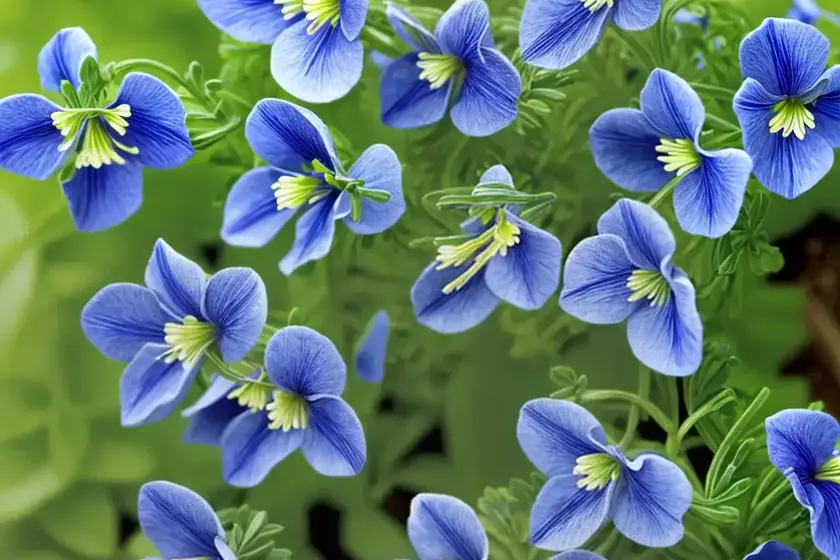
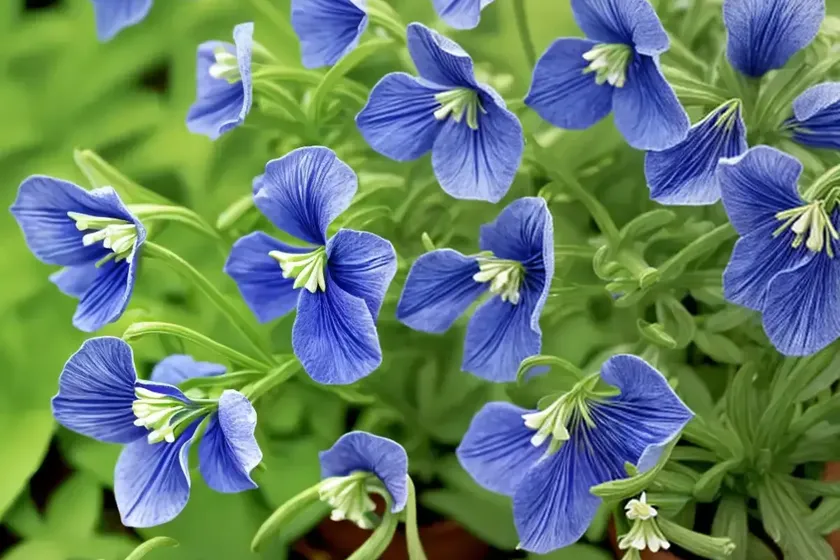
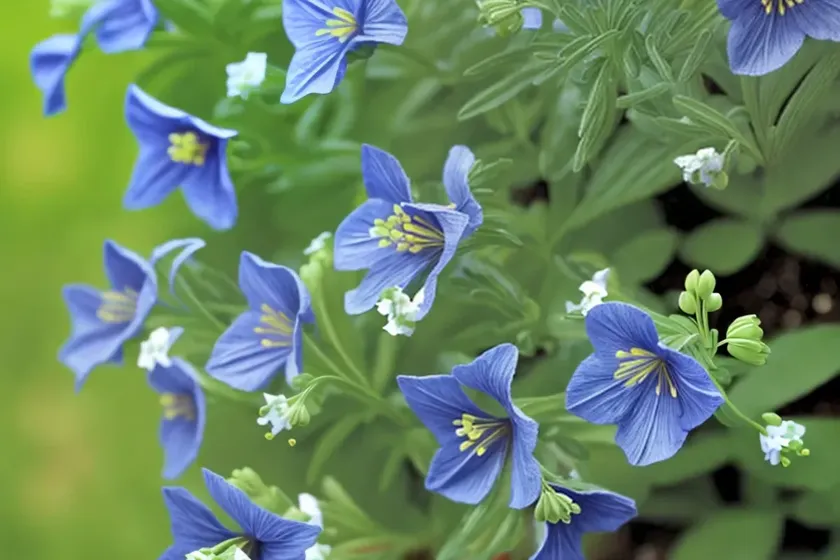
As a plant scientist, I am excited to delve into the world of the enchanting Jacob’s Ladder (Polemonium reptans ‘Stairway to Heaven’). This delightful plant is a member of the Polemonium genus and is celebrated for its delicate, fern-like foliage and charming clusters of flowers.
What is Jacob’s Ladder?
Jacob’s Ladder (Polemonium reptans ‘Stairway to Heaven’) is a perennial plant renowned for its variegated foliage and its attractive, bell-shaped, blue flowers. This cultivar is a popular choice for gardeners due to its low maintenance and versatility in various landscape settings.
Key Takeaways
Before diving deep into the care, cultivation, and utilization of Jacob’s Ladder, let’s explore the fundamental aspects of this captivating plant.
Culture
- Botanical Name: Polemonium reptans ‘Stairway to Heaven’
- Common Name: Jacob’s Ladder
- Plant Type: Herbaceous Perennial
- Hardiness Zones: 3-7
- Mature Height: 12-18 inches
- Mature Spread: 12-18 inches
- Bloom Time: Late Spring to Early Summer
- Attracts: Bees, Butterflies
Uses
- Garden Borders
- Woodland Gardens
- Edging Flower Beds
- Container Planting
- Ground Cover
Now that we understand the basic characteristics of Jacob’s Ladder, we can delve into the specific care requirements and traits that contribute to its overall success in various environments.
Water
Jacob’s Ladder thrives in moist, well-draining soil. Adequate moisture is particularly crucial during the plant’s initial establishment phase. Once established, it exhibits some tolerance to periods of moderate drought. However, consistent moisture is beneficial for promoting healthy growth and flowering.
Sunlight
In terms of sunlight requirements, Jacob’s Ladder performs best in partial to full shade. While it can tolerate some morning sun, it generally prefers shaded areas, especially in regions with hot summers.
Fertilizer
When it comes to fertilization, a balanced, all-purpose fertilizer applied in the spring as new growth emerges can provide the necessary nutrients for healthy growth and abundant flowering.
Soil
Jacob’s Ladder demonstrates a preference for humus-rich, consistently moist, and well-draining soil. Amending the soil with organic matter can prove beneficial, especially in areas with heavy or compacted soil.
Pruning
Pruning is generally minimal for Jacob’s Ladder. However, deadheading spent flowers can prolong the bloom time and promote a tidy appearance.
Propagation
This plant can be propagated through division in the spring. Division not only aids in rejuvenating mature clumps but also presents an opportunity to multiply the plant for new garden areas or sharing with fellow enthusiasts.
Container Popularity
Jacob’s Ladder, particularly the ‘Stairway to Heaven’ variety, is well-suited for container planting. Its compact size and attractive foliage make it an excellent choice for adding interest and color to patios, balconies, or small gardens.
Common Diseases
While Jacob’s Ladder usually maintains good health, it may be susceptible to fungal diseases in conditions of prolonged moisture. Adequate air circulation and avoiding overhead watering can help prevent such issues.
Disease Diagnosis
Signs of fungal infection, such as leaf spots, wilting, or stunted growth, may indicate the presence of disease. Proper diagnosis and timely treatment with fungicides or cultural practices are essential for maintaining the plant’s vigor.
Common Pests
Jacob’s Ladder is relatively resistant to pests. However, occasional encounters with aphids or snails might occur. Regular monitoring and prompt intervention can help manage such pest issues effectively.
Botanist’s Tips
-
Companion Planting: Pairing Jacob’s Ladder with other shade-loving perennials, such as hostas, ferns, or coral bells, can create visually appealing garden compositions.
-
Watering: Mulching around the base of the plant can aid in conserving soil moisture and moderating soil temperatures, contributing to the plant’s overall health.
-
Naturalizing: In suitable conditions, Jacob’s Ladder has the potential to naturalize, forming attractive colonies of foliage and blooms.
-
Rejuvenation: Periodic division of mature clumps can promote renewed vigor and prevent overcrowding, leading to healthier plants and improved aesthetics.
Now that we have explored the essential care and traits of Jacob’s Ladder, let’s delve into some intriguing aspects and facts about this captivating plant.
Fun Facts
- The name “Jacob’s Ladder” is derived from the unique arrangement of its leaflets, which resemble the rungs of a ladder.
- Jacob’s Ladder has a rich history in traditional medicine, with various parts of the plant being used for their potential therapeutic properties.
Links to External Resources
For additional information on Jacob’s Ladder, the following external resources are recommended:
-
Polemonium reptans ‘Stairway to Heaven’ – Missouri Botanical Garden
-
Polemonium reptans ‘Stairway to Heaven’ – Chicago Botanic Garden
In conclusion, Jacob’s Ladder (Polemonium reptans ‘Stairway to Heaven’) is a delightful and resilient perennial plant that adds charm and elegance to garden spaces. Its attractive foliage, eye-catching flowers, and versatile nature make it a valuable addition to various landscape settings. By understanding and implementing the recommended care practices, this captivating plant can thrive, delighting gardeners and attracting beneficial wildlife.
Whether adorning woodland gardens, brightening shady areas, or adding interest to containers, Jacob’s Ladder offers a myriad of possibilities for enhancing outdoor spaces with its alluring presence. Through a combination of proper care, appreciation for its unique attributes, and an understanding of its potential, this enchanting plant holds the promise of becoming a beloved and enduring feature in diverse horticultural endeavors.


