Jacob’s Ladder (Polemonium ‘Heaven Scent’)
Jacob’s ladder (Polemonium ‘Heaven Scent’) is a delightful and elegant perennial plant, prized for its delicate and profuse clusters of colorful flowers.
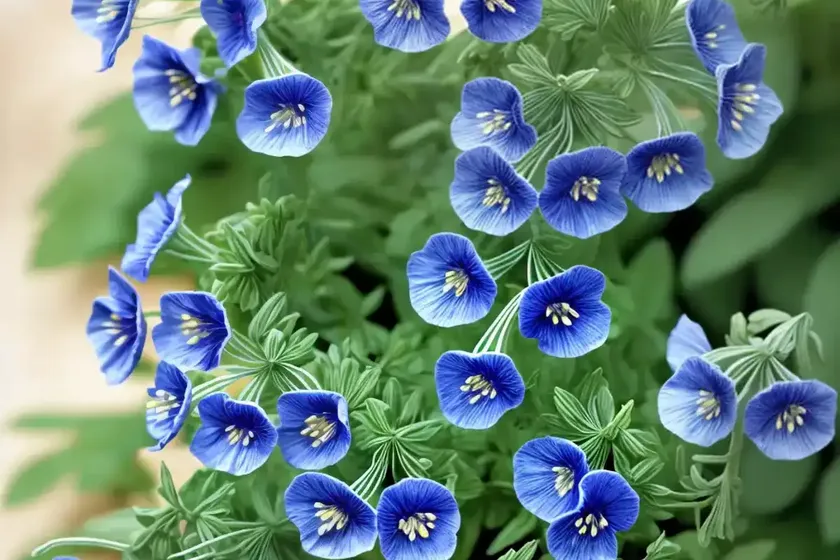
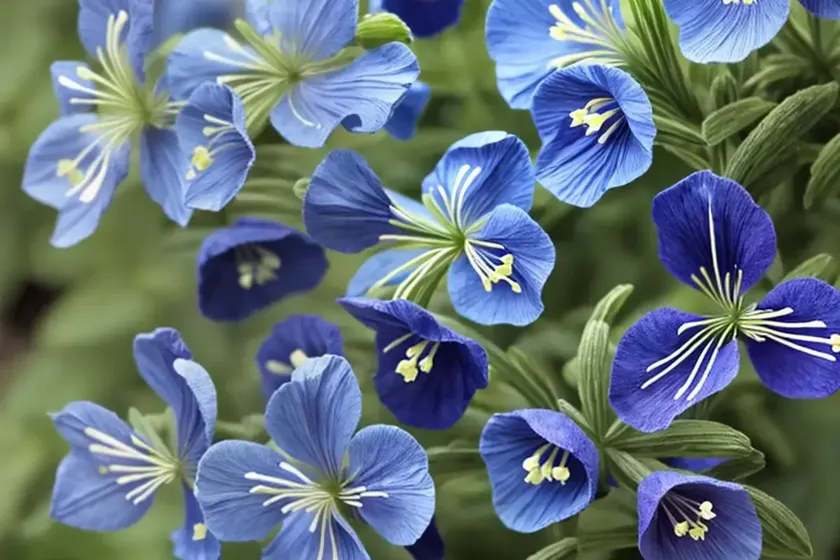
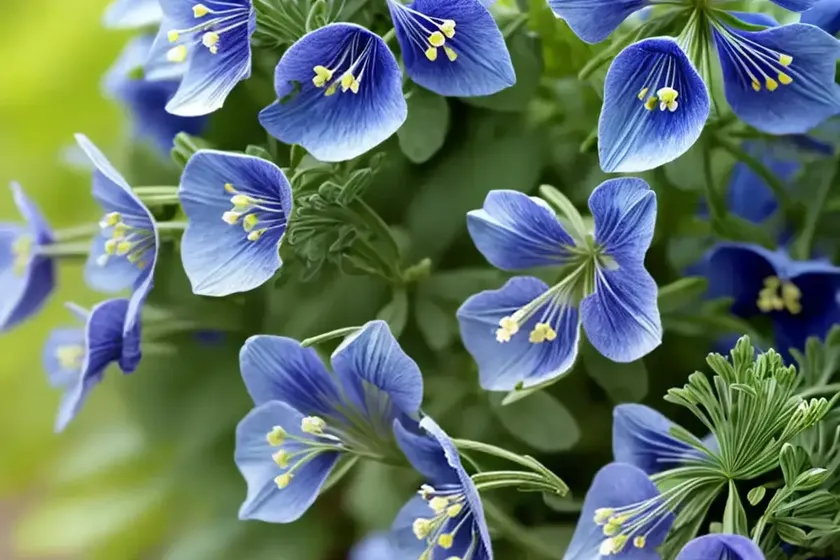
What is Plant Jacob’s Ladder (Polemonium ‘Heaven Scent’)?
Jacob’s ladder (Polemonium ‘Heaven Scent’) is a delightful and elegant perennial plant, prized for its delicate and profuse clusters of colorful flowers, which bloom in the spring to early summer. This plant belongs to the family Polemoniaceae and is native to North America. Its unique name is derived from the ladder-like arrangement of its pinnate leaves along the stem, which is said to resemble the ladder described in the Bible’s Book of Genesis.
Key Takeaways – Jacob’s Ladder (Polemonium ‘Heaven Scent’)
This section is designed to provide a quick overview of the essential points related to the care and cultivation of Jacob’s ladder (Polemonium ‘Heaven Scent’), including its cultural requirements, uses, and common diseases and pests.
- Jacob’s ladder (Polemonium ‘Heaven Scent’):
- Scientific Name: Polemonium ‘Heaven Scent’
- Plant Type: Perennial
- Flowering Period: Spring to early summer
- Sunlight: Partial to full shade
- Watering: Moderate
- Soil Type: Moist, well-draining
- Uses: Ornamental, shade gardens, borders, containers
- Common Diseases: Powdery mildew, leaf spots
- Common Pests: Aphids, spider mites
Now, let’s delve into the detailed aspects of each of these key takeaways to gain a comprehensive understanding of this charming plant.
Culture
Uses
Jacob’s ladder (Polemonium ‘Heaven Scent’) is primarily prized for its ornamental value and is commonly used in shade gardens, woodland borders, and as a container plant. With its attractive, intricate foliage and colorful, fragrant flowers, it adds a touch of elegance and beauty to any garden or landscape.
Water
Proper watering is essential to ensure the health and vigor of Jacob’s ladder. It thrives in moist, well-draining soil and performs best when the soil is kept consistently moist but not waterlogged. Irrigation needs may vary depending on environmental conditions, so it’s crucial to monitor the soil moisture levels regularly.
Sunlight
In terms of sunlight requirements, Jacob’s ladder prefers partial to full shade. This makes it an excellent choice for shaded areas in the garden where many other plants may struggle. It is important to protect the plant from harsh midday sun, especially in regions with hot summers.
Fertilizer
When it comes to fertilization, Jacob’s ladder benefits from a balanced, slow-release fertilizer applied in the spring. This will help promote healthy growth and abundant flowering throughout the growing season. It’s important to follow the recommended application rates to avoid over-fertilization, which can have adverse effects on the plant’s health.
Soil
Jacob’s ladder thrives in moist, organically rich soil with good drainage. A slightly acidic to neutral soil pH is preferred for optimal growth and overall plant health. Amending the soil with organic matter such as compost or well-rotted manure can help improve its texture and fertility, creating an ideal growing environment for the plant.
Pruning
Pruning is not excessively required for Jacob’s ladder (Polemonium ‘Heaven Scent’). However, removing spent flowers can prolong the blooming period and promote a tidy appearance. Additionally, any dead or diseased foliage should be promptly removed to prevent the spread of diseases and to maintain the plant’s overall vitality.
Propagation
Propagation of Jacob’s ladder (Polemonium ‘Heaven Scent’) can be achieved through several methods, including division, seed sowing, and stem cuttings.
- Division: Divide mature clumps in the spring or fall, ensuring that each division has a good root system.
- Seed Sowing: Sow seeds indoors in early spring and transplant the seedlings outdoors when they are well-established.
- Stem Cuttings: Take stem cuttings in the spring or early summer, ensuring that each cutting has several nodes, and place them in a well-draining, moist potting mix.
Container Popularity
Jacob’s ladder (Polemonium ‘Heaven Scent’) is well-suited for container gardening, especially for those with limited garden space or for those wanting to bring its beauty to specific areas of the garden or patio.
- Container Selection: Choose a container that provides adequate space for the plant’s root system to grow and has drainage holes to prevent waterlogging.
- Soil: Use a high-quality, well-draining potting mix to ensure good aeration and moisture retention.
- Placement: Position the container in a shaded or partially shaded area to mimic the plant’s natural habitat.
Common Diseases
Disease Diagnosis
Jacob’s ladder (Polemonium ‘Heaven Scent’) is generally a resilient plant; however, it can occasionally be susceptible to certain diseases, particularly in unfavorable growing conditions.
- Powdery Mildew: This fungal disease manifests as a powdery, white coating on the plant’s foliage, typically in warm, humid conditions. Good air circulation and proper watering practices can help prevent powdery mildew.
- Leaf Spots: Fungal or bacterial leaf spot diseases can cause dark, water-soaked spots on the plant’s leaves, potentially leading to defoliation if left unmanaged. Avoiding overhead watering and removing infected plant material can aid in disease prevention.
Common Pests
Pest Management
Although Jacob’s ladder is relatively resistant to pests, it can occasionally encounter issues with certain common garden pests.
- Aphids: These small, soft-bodied insects can cluster on the undersides of leaves and cause damage by sucking sap from the plant. Insecticidal soaps or horticultural oils can be used to control aphid infestations.
- Spider Mites: These tiny pests can also cause damage by feeding on the plant’s foliage, leading to stippling and discoloration. Regularly spraying the plant with water can help minimize spider mite populations.
Botanist’s Tips
Growing Tips
- Ensure consistent soil moisture, especially during hot and dry periods, to promote healthy growth and flowering.
- Mulch around the base of the plant to conserve soil moisture and suppress weed growth while providing additional organic matter as it decomposes.
- Regularly monitor the plant for any signs of disease or pest infestations, addressing any issues promptly to prevent escalation.
Fun Facts
- The common name “Jacob’s ladder” is derived from the plant’s ladder-like arrangement of leaflets on the stem, resembling the biblical ladder described in the Book of Genesis.
- Jacob’s ladder has historically been used in traditional herbal medicine for its purported medicinal properties, including its use as a diuretic and for treating respiratory ailments.
Links to External Resources
For further information and resources on Jacob’s ladder (Polemonium ‘Heaven Scent’), consider exploring the following links:
This comprehensive guide aims to provide valuable insights into the cultivation, care, and maintenance of Jacob’s ladder (Polemonium ‘Heaven Scent’), allowing enthusiasts and gardeners to appreciate and cultivate this captivating plant with confidence and success. Whether integrated into shaded gardens, containers, or borders, the charming beauty of Jacob’s ladder is sure to captivate and enrich any garden landscape.


