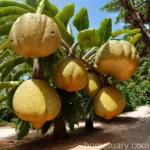
The World of Jackfruit (Artocarpus Heterophyllus)
As a plant scientist, I have encountered a multitude of fascinating plant species, each with its own unique characteristics and contributions to our environment and society. One such plant that has continually piqued my interest is the Jackfruit (Artocarpus Heterophyllus). This tropical tree, belonging to the Moraceae family, has gained significant attention due to its versatile nature, cultural significance, and nutritional value. In this comprehensive guide, we will delve into the multifaceted world of Jackfruit, exploring its cultural uses, ideal growing conditions, common diseases and pests, and the botanist’s tips for successful cultivation.
What is Jackfruit?
The Jackfruit, scientifically known as Artocarpus Heterophyllus, is a tropical tree native to the Indian subcontinent that has gained popularity across various tropical regions worldwide. It is known for producing the largest tree-borne fruit, showcasing a unique appearance and a sweet, distinctive flavor. The tree itself is evergreen and possesses large, glossy leaves, with a sturdy and extensive root system.
The jackfruit is known for its immense size, with individual fruits weighing up to 100 pounds. It comprises a spiky, green exterior and a fleshy, yellow interior, which can be consumed in both ripe and unripe states, offering different culinary possibilities.
Key Takeaways – Jackfruit (Artocarpus Heterophyllus)
As we embark on our exploration of the Jackfruit, it is essential to highlight some of the critical takeaways associated with this extraordinary tropical tree. The following points provide a quick overview of the key aspects of the Jackfruit:
-
Cultural Significance: The Jackfruit holds significant cultural value in various tropical regions, serving as a staple food source and featuring prominently in local cuisines and traditions.
-
Nutritional Value: Jackfruit offers a rich source of nutrients, including essential vitamins, minerals, and dietary fiber, contributing to its reputation as a highly beneficial fruit.
-
Versatile Uses: This tree and its fruit find uses beyond culinary purposes, encompassing timber production, agroforestry, and landscape enhancement.
-
Unique Growing Conditions: Jackfruit thrives in specific environmental conditions, necessitating adequate sunlight, appropriate watering, and nutrient-rich soil for optimal growth and fruit production.
-
Pest and Disease Management: Like all plant species, Jackfruit is susceptible to certain pests and diseases, requiring vigilant management and care to ensure its health and productivity.
These key takeaways provide a glimpse into the diverse aspects of the Jackfruit, setting the stage for a comprehensive exploration of its cultivation, uses, and characteristics.
Cultivation of Jackfruit
Cultivating Jackfruit requires careful attention to its specific requirements to ensure healthy growth and bountiful fruit production. From its ideal water and sunlight needs to the appropriate soil composition and fertilizer application, providing the optimal environment for Jackfruit cultivation is crucial for its success.
Water
Watering Schedule: Jackfruit trees necessitate consistent watering, particularly during the dry season and in the initial years of growth. Adequate moisture is essential for their root development and overall health. However, it is vital to avoid waterlogging, as it can lead to root rot and other detrimental conditions.
Irrigation Practices: In regions with irregular rainfall, supplemental irrigation may be necessary, ensuring that the trees receive sufficient moisture. Drip irrigation systems can be particularly beneficial in providing targeted and efficient watering.
Sunlight
Full Sun Exposure: Jackfruit trees thrive in full sunlight, requiring six to eight hours of direct sunlight daily for robust growth and fruit development. Adequate sunlight also contributes to the tree’s overall health and vigor, enhancing its ability to produce high-quality fruit.
Fertilizer
Nutrient Requirements: Jackfruit trees benefit from regular fertilization, particularly during their initial years of growth. A balanced fertilizer, with slightly higher potassium content, can support healthy fruiting and overall tree vitality. Application rates and schedules should align with the tree’s growth stage and seasonal needs.
Organic Matter: Incorporating organic matter into the soil, such as compost or well-rotted manure, can enhance soil fertility and provide essential nutrients to the Jackfruit trees. Organic amendments contribute to long-term soil health and the sustained growth of the trees.
Soil
Optimal Soil Conditions: Jackfruit trees thrive in well-draining soil with a slightly acidic to neutral pH. Rich, loamy soil with good fertility and ample organic matter is ideal for supporting the robust growth and fruit production of Jackfruit trees.
Soil Preparation: Prior to planting, preparing the soil by incorporating organic amendments and assessing its drainage capabilities is crucial for creating a conducive environment for Jackfruit cultivation.
Pruning
Maintenance Pruning: Periodic pruning is essential for managing the size and shape of Jackfruit trees, promoting optimal fruit production, and enhancing air circulation within the canopy. Removal of dead, damaged, or overcrowded branches contributes to the overall health and vigor of the trees.
Fruit Thinning: Thinning the fruit clusters can prevent overbearing, supporting the development of larger, high-quality fruits, and reducing the risk of branch breakage due to excessive fruit load.
Propagation
Seed Propagation: Jackfruit trees can be propagated from seeds, with careful selection of viable, healthy seeds to ensure the successful establishment of new trees. Proper seed preparation and germination techniques are essential for initiating the propagation process.
Grafting: Grafting techniques, such as approach grafting or patch budding, can be employed to propagate specific Jackfruit varieties, ensuring genetic consistency and desirable traits in the resulting trees and fruits.
Container Popularity
Container Cultivation: While Jackfruit trees are naturally suited for large outdoor spaces, there is a growing interest in container cultivation, particularly in urban and limited-space environments. Compact and dwarf varieties are favored for container growth, provided they receive adequate sunlight and care.
Common Diseases
Disease Diagnosis
Anthracnose: Identified by the presence of sunken lesions on the fruit’s surface, anthracnose can lead to fruit rot and spoilage if left unchecked. Fungal spores and favorable environmental conditions can exacerbate the spread of this disease.
Leaf Spot: Characterized by the appearance of dark, irregular spots on the leaves, leaf spot disease can weaken the tree’s foliage and impact its overall health. Fungal pathogens and moisture-related conditions contribute to the development of leaf spot.
Common Pests
Fruit Flies: Fruit flies, such as the oriental fruit fly, can infest Jackfruit, leading to fruit damage and spoilage. Monitoring and control measures, such as baiting and the use of protective netting, can mitigate the impact of fruit fly infestations.
Scale Insects: Scale insects, including the jackfruit scale, can affect the leaves and stems of Jackfruit trees, depleting their vigor and impeding their growth. Implementing targeted pest control methods is essential for managing scale insect populations.
Botanist’s Tips for Successful Jackfruit Cultivation
As a plant scientist with extensive experience in studying and cultivating plant species, I have gathered valuable insights and tips for successful Jackfruit cultivation. These tips are aimed at empowering growers with the knowledge and practices necessary to optimize their Jackfruit orchards and ensure the health and productivity of the trees.
-
Site Selection: When establishing a Jackfruit orchard, carefully assess the site’s suitability in terms of sunlight exposure, soil quality, and drainage patterns. Choosing a well-drained, sunny location with fertile soil sets the stage for robust tree growth and fruit production.
-
Climate Considerations: Jackfruit flourishes in tropical and subtropical climates, thriving in regions with warm temperatures and adequate humidity. Understanding the tree’s climatic requirements is crucial for selecting the most favorable growing sites.
-
Regular Monitoring: Ongoing monitoring of the trees, including their growth patterns, foliage health, and fruit development, enables early detection of potential issues, allowing for prompt intervention and management.
-
Integrated Pest Management: Implementing an integrated approach to pest management involves combining preventive measures, biological controls, and targeted interventions to minimize pest populations and their impact on Jackfruit trees.
-
Proper Pruning Techniques: Pruning should be conducted with care and precision, focusing on the removal of dead or diseased branches, as well as the shaping of the canopy to promote air circulation and optimal light exposure.
-
Fruit Harvesting Practices: Knowing the appropriate stage for harvesting ripe Jackfruit, as well as the methods for handling and storing the fruit, is essential for preserving its quality and flavor.
Fun Facts
Viewing the fascinating realm of Jackfruit from a different perspective, let’s explore some captivating and lesser-known facts about this tropical fruit and its tree:
-
Tropical Giant: Jackfruit holds the distinction of being the largest tree-borne fruit in the world, with individual fruits reaching remarkable sizes, often exceeding 50 pounds in weight.
-
Culinary Versatility: The unripe, or green, jackfruit is highly prized for its versatile culinary applications, commonly used as a meat substitute due to its unique texture and ability to absorb flavors.
-
Nutritional Powerhouse: Jackfruit is a rich source of essential nutrients, including Vitamin C, potassium, and dietary fiber, supporting overall health and well-being.
-
Agroforestry Role: Beyond its fruits, Jackfruit trees contribute to agroforestry systems, providing shade, soil stability, and additional income through timber and other non-timber products.
-
Sustainable Crop: Jackfruit embodies sustainability through its ability to thrive in diverse agroecosystems, offering a low-maintenance, high-yielding crop with numerous environmental and economic benefits.
These intriguing facts highlight the remarkable attributes and contributions of the Jackfruit, showcasing its significance from both cultural and botanical perspectives.
Links to External Resources
As we delve into the multifaceted world of Jackfruit, it is valuable to explore additional resources and information to enrich our understanding of this remarkable plant species. The following links direct you to external sources that provide insights into Jackfruit cultivation, usage, and its multifaceted contributions:
-
Jackfruit Nutrition and Health Benefits: This comprehensive research article offers in-depth insights into the nutritional composition and health-promoting properties of Jackfruit, shedding light on its potential as a valuable dietary resource.
-
Jackfruit Cultivation and Uses: Explore the diverse uses and cultivation practices associated with Jackfruit through this scholarly publication, providing a comprehensive overview of its cultural, culinary, and economic significance.
-
Jackfruit Diseases and Pest Management: Gain insights into the management of pests and diseases affecting Jackfruit trees, with a focus on ecological engineering solutions for sustainable pest control and tree health.
By exploring these external resources, you can further expand your knowledge and appreciation for the diverse facets of Jackfruit, ranging from its nutritional benefits to its role in sustainable agroforestry systems.
In conclusion, the Jackfruit (Artocarpus Heterophyllus) stands as a testament to the intersection of cultural significance, nutritional value, and sustainable agriculture. From its origin in the Indian subcontinent to its widespread influence in tropical regions, the Jackfruit continues to captivate and inspire with its culinary versatility, environmental contributions, and health-enhancing properties. As plant scientists, enthusiasts, and consumers alike, embracing the multifaceted world of Jackfruit offers a journey filled with discovery, appreciation, and the boundless potential of nature’s offerings.
The intricate web of applications and benefits associated with Jackfruit underscores its enduring impact on diverse aspects of human life, encompassing nutrition, agriculture, and cultural traditions. As we continue to explore and celebrate the bounty of nature, the Jackfruit stands as a timeless emblem of sustainability, resilience, and the intrinsic connections between plants and people.