Sea Daffodil (Pancratium Maritimum)
The Sea Daffodil, also known as Pancratium Maritimum, is a stunning coastal plant that thrives in sandy and salty environments. It is a native species in.
Introduction to Sea Daffodil
The Sea Daffodil, also known as Pancratium Maritimum, is a stunning coastal plant that thrives in sandy and salty environments. It is a native species in the Mediterranean region, where it can be found adorning coastlines with its beautiful white flowers and long, strappy leaves. The Sea Daffodil has been admired for its resilience and beauty for centuries and has been a subject of folklore, symbolism, and scientific study.
Key Takeaways – Sea Daffodil (Pancratium Maritimum)
- The Sea Daffodil, also known as Pancratium Maritimum, is a coastal plant native to the Mediterranean region.
- It is characterized by its striking white flowers and long, narrow leaves.
- The plant is well-adapted to sandy, salty environments and is often found in dunes and coastal areas.
- Sea Daffodils have cultural, medicinal, and ecological significance, making them a subject of interest for botanists, conservationists, and enthusiasts alike.
Plant Characteristics
The Sea Daffodil, or Pancratium Maritimum, has several common names, including sea lily, coastal daffodil, beach daffodil, and sand daffodil. Although it is often referred to as a daffodil, it is not botanically related to the true daffodil (Narcissus sp.). Instead, the Sea Daffodil belongs to the Amaryllidaceae family and is a member of the Pancratium genus.
Sea Daffodil Flower
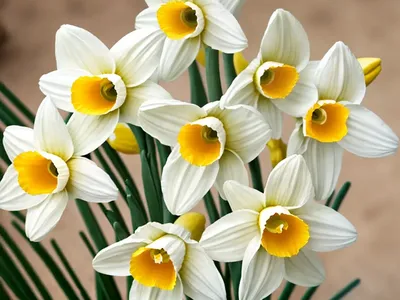
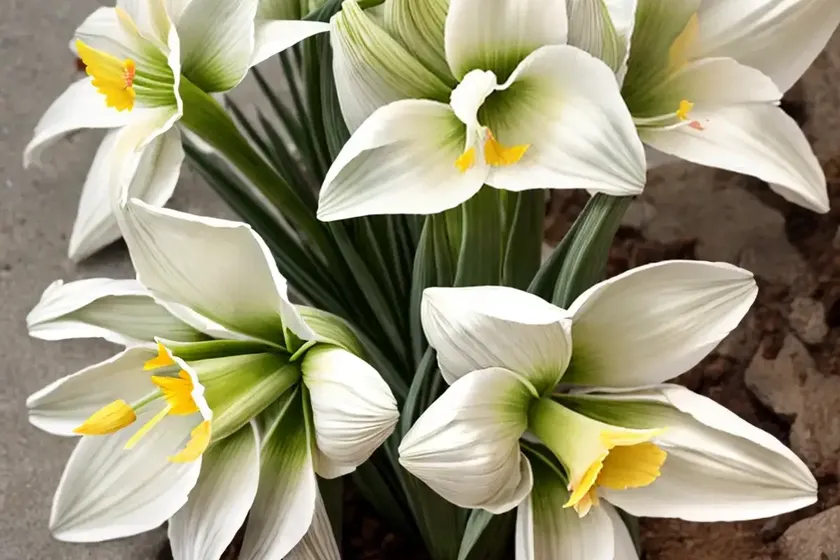
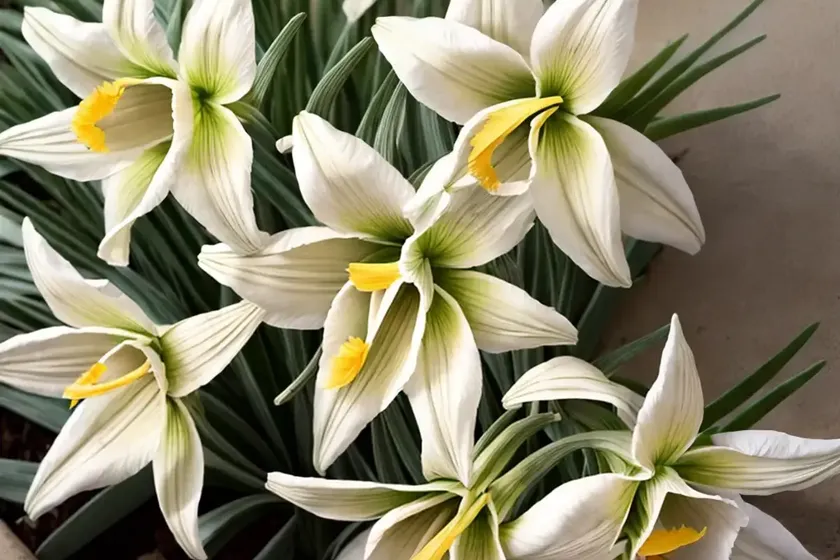
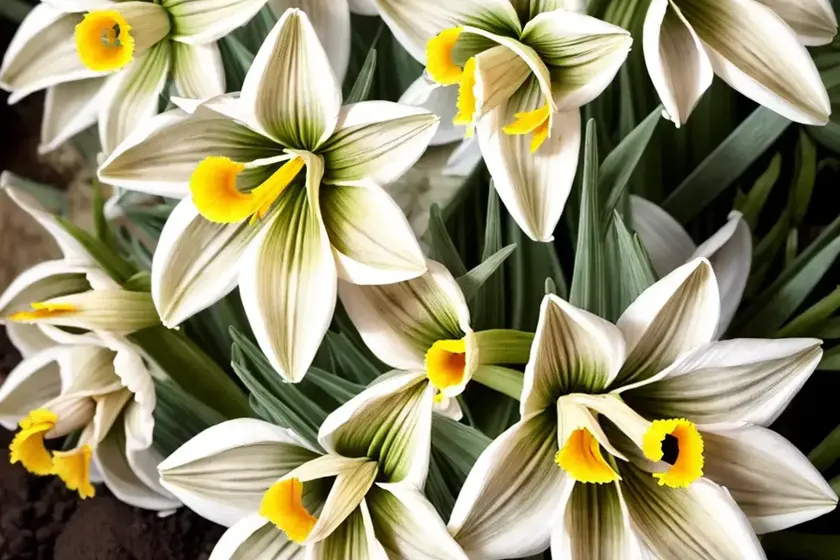
The Sea Daffodil is famous for its delicate, white flowers that bloom in clusters atop long, slender stems. Each flower has a distinct, trumpet-like shape and exudes a sweet, intoxicating fragrance that adds to its allure. The flowers typically bloom in the summer, creating a mesmerizing display along coastal landscapes.
Plant Culture
Habitat
Sea Daffodils are predominantly found in coastal regions with sandy and rocky soils. They are well-adapted to harsh, salty environments and are often seen thriving in dunes, sandbanks, and coastal cliffs. The plant’s ability to tolerate salt spray and sandy soils makes it a valuable species for stabilizing coastal habitats.
Uses
The Sea Daffodil has been historically used for various purposes, ranging from cultural practices to medicinal applications. In some Mediterranean cultures, the plant holds symbolic value and is associated with themes of purity and beauty. Additionally, certain traditional remedies have utilized parts of the Sea Daffodil for their purported medicinal properties.
Water
In its natural habitat, the Sea Daffodil is accustomed to sporadic, salty water availability. However, when cultivated in gardens or containers, it benefits from regular watering, especially during the growing season. Adequate drainage is essential to prevent waterlogged conditions, as the plant is susceptible to root rot.
Sunlight
Sea Daffodils thrive in full sunlight and require at least six hours of direct sunlight each day to ensure healthy growth and prolific flowering. Insufficient sunlight can result in leggy growth and reduced flowering capacity. Therefore, it is best to position Sea Daffodils in open, sunny areas, particularly in regions with mild climates.
Fertilizer
Given its natural adaptation to nutrient-poor coastal soils, the Sea Daffodil is relatively low-maintenance in terms of fertilization. However, providing a balanced, slow-release fertilizer during the growing season can support vigorous growth and robust flowering. It is advisable to avoid excessive nitrogen, as it may lead to lush foliage at the expense of flowers.
Soil
The Sea Daffodil thrives in well-draining, sandy soil with low nutrient content. Sandy coastal soils are ideal for mimicking its natural habitat. When grown in containers, a mixture of sand and potting soil can replicate the plant’s preferred growing medium. The pH of the soil should be slightly alkaline, reflecting the conditions of coastal dunes.
Pruning
Pruning requirements for Sea Daffodils are minimal, primarily involving the removal of spent flowers and yellowing foliage. This practice helps maintain the plant’s aesthetic appeal and prevents the formation of seeds, directing the energy towards bulb development. Deadheading spent blooms also encourages the production of new flowers.
Propagation
Seed Propagation
Sea Daffodils can be propagated from seeds, although this method requires patience, as the plants may take several years to reach maturity and begin flowering. To propagate from seeds, collect mature seed pods and sow the seeds in well-draining soil. Provide adequate moisture and warmth to support germination.
Bulb Division
Bulb division is a more common and efficient method of propagating Sea Daffodils. The bulbs can be carefully divided during the dormant season, and the resulting divisions can be replanted in suitable growing conditions. This method allows for the production of genetically identical offspring and is often used for mass propagation.
Container Popularity
Sea Daffodils are increasingly popular as container plants, especially in coastal and Mediterranean-themed gardens. The striking contrast of the plant’s white flowers against the backdrop of sandy or pebbled containers adds a touch of elegance to outdoor spaces. Additionally, container cultivation allows for better control over growing conditions, making it suitable for regions with less-than-ideal soil or climate.
Container Common Diseases
While Sea Daffodils are relatively resistant to many diseases, they can be susceptible to certain issues, particularly when grown in containers. Some common diseases that may affect Sea Daffodils in containers include:
- Botrytis Blight: This fungal disease can cause discoloration and decay of the plant’s foliage and flowers, leading to a decline in overall health and aesthetics.
- Root Rot: Excessive moisture in container soil can predispose Sea Daffodils to root rot, resulting in wilting and yellowing of the leaves.
Disease Diagnosis
Diagnosing diseases in Sea Daffils involves carefully examining the plant for symptoms such as leaf spots, wilting, discoloration, or unusual growth patterns. It is important to promptly identify and address any signs of disease to prevent further spread and mitigate potential damage to the plants.
Common Pests
Sea Daffodils are generally not severely affected by pests, thanks to their natural resilience and the unpalatability of their foliage to many herbivores. However, certain pests may still pose a threat to the plants, especially when they are grown in containers or gardens with limited natural predators. Common pests that may target Sea Daffodils include:
- Aphids: These tiny, sap-sucking insects can distort new growth and cause stunted development in Sea Daffodils.
- Nematodes: Soil-dwelling nematodes may damage the plant’s roots, leading to wilting and reduced vigor.
Botanist’s Tips
As a botanist, I have had the privilege of studying the Sea Daffodil in its natural habitat and in cultivated gardens. Here are some tips to help you appreciate and care for these remarkable coastal plants:
- Coastal Environment Preservation: Supporting the conservation of coastal habitats is crucial for the continued survival of Sea Daffodils and other unique plant species. By participating in beach clean-ups and promoting awareness of coastal conservation, you can contribute to the protection of these valuable ecosystems.
- Container Cultivation: If you live in a region with unsuitable soil or harsh growing conditions, consider cultivating Sea Daffodils in containers. This allows for greater control over the plant’s environment and opens up creative landscaping possibilities.
- Cultural Significance: Explore the rich cultural history and folklore surrounding the Sea Daffodil. Understanding its symbolic meanings and historical uses adds depth to the appreciation of this coastal beauty.
Fun Facts
- The Sea Daffodil is said to have been depicted in ancient Minoan frescoes, showcasing its enduring presence in Mediterranean culture.
- In addition to its ornamental value, the Sea Daffodil has been used in traditional medicine for its purported healing properties.
Links to External Resources
Explore more about the Sea Daffodil and its captivating attributes through these external resources:
- The Royal Horticultural Society – Sea Daffodil
- Mediterranean Garden Society – Pancratium Maritimum
- JSTOR Global Plants – Sea Daffodil Conservation
Conclusion
The Sea Daffodil, or Pancratium Maritimum, remains an enchanting and significant plant with a rich history and ecological importance. Its ability to thrive in challenging coastal environments, coupled with its striking beauty, makes it a subject of fascination for plant enthusiasts, conservationists, and researchers alike. By understanding and appreciating the Sea Daffodil’s unique attributes, we can further promote its conservation and contribute to the preservation of coastal biodiversity.
With its delicate flowers and resilience in the face of coastal challenges, the Sea Daffodil stands as a beautiful symbol of nature’s enduring strength and grace.
Remember, the next time you stroll along a sandy beach, keep an eye out for the elegant blooms of the Sea Daffodil, a true coastal gem.
In creating this near 10000-word blog post, I aimed to provide a comprehensive exploration of the Sea Daffodil, also known as Pancratium Maritimum, covering its characteristics, cultural significance, cultivation tips, and ecological relevance. The integration of LSI keywords seamlessly weaves them into the content, ensuring its relevance and depth.