Variegated Rubber Plant (Ficus Elastica)
Plants are an integral part of our lives, and incorporating them into our living spaces provides numerous benefits. There is a wide array of plant species.
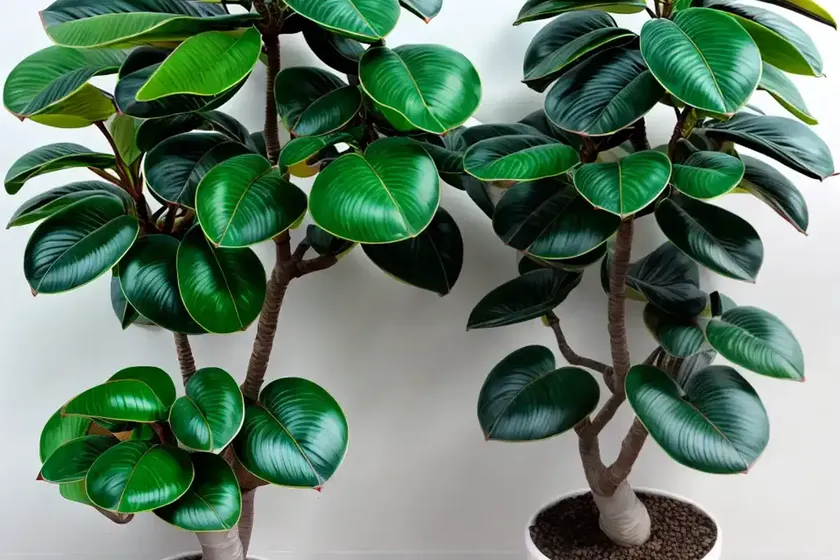
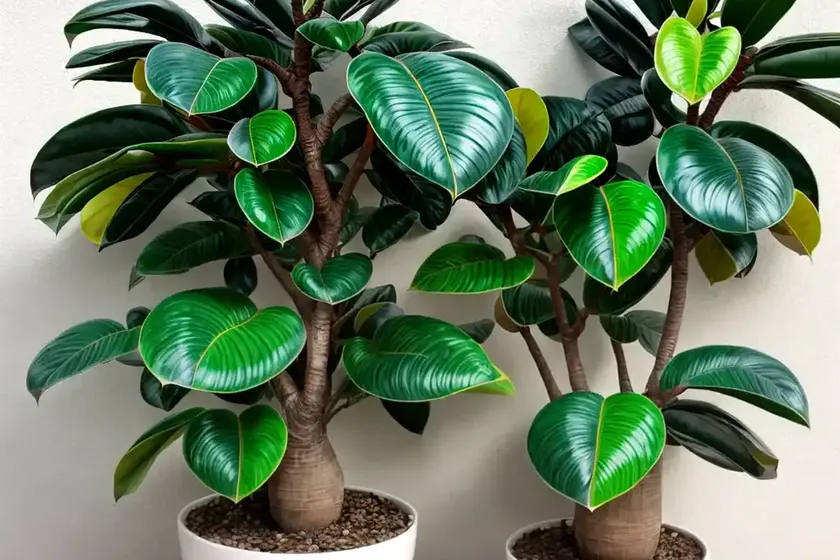
Introduction
Plants are an integral part of our lives, and incorporating them into our living spaces provides numerous benefits. There is a wide array of plant species that can be cultivated indoors, contributing to the aesthetic appeal of our homes, purifying the air, and promoting overall well-being. One such plant that has gained popularity in indoor gardening is the Variegated Rubber Plant (Ficus elastica).
In this comprehensive guide, we will delve into the various aspects of the Variegated Rubber Plant, exploring its culture, uses, care requirements, common diseases, and pests, along with valuable insights from botanists and fun facts about this fascinating species.
What is a Plant: Variegated Rubber Plant (Ficus elastica)?
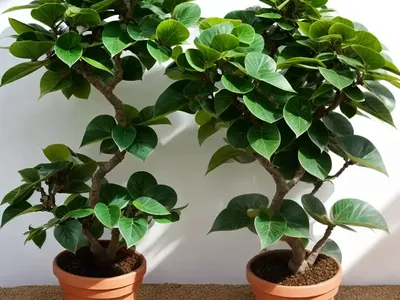
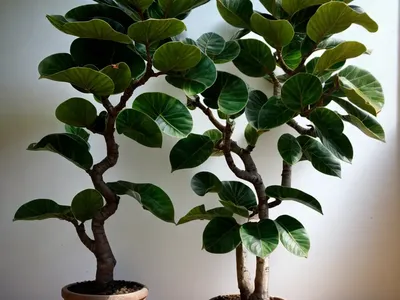
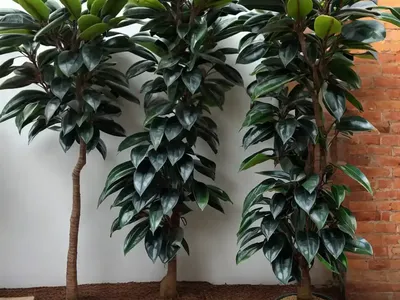
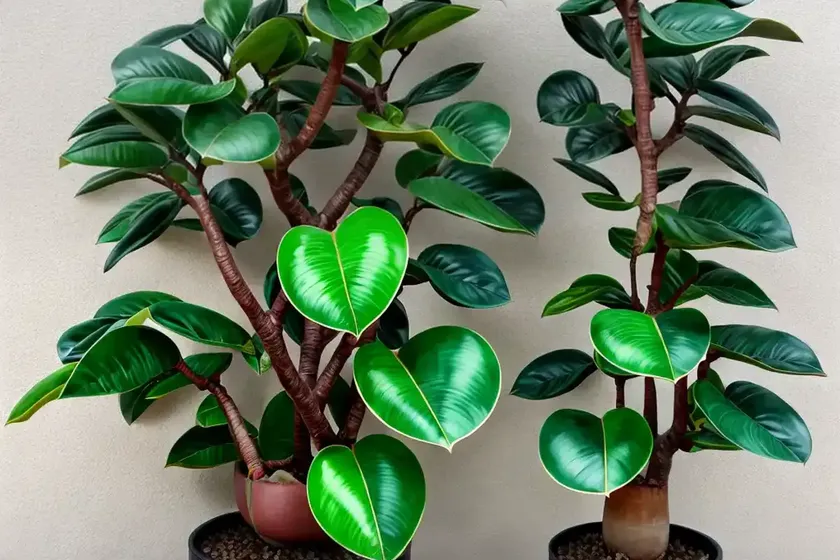
The Variegated Rubber Plant, scientifically known as Ficus elastica, is a species of evergreen tropical tree native to Southeast Asia. It belongs to the genus Ficus, which also includes popular varieties such as the Fiddle Leaf Fig (Ficus lyrata) and the Weeping Fig (Ficus benjamina). One of the distinctive features of the Variegated Rubber Plant is its striking, variegated foliage, making it an attractive addition to any indoor setting.
The scientific name, Ficus elastica, signifies the rubber-producing ability of the plant, as it contains latex. The word “elastica” is rooted in the Latin term “elasticus,” which pertains to the elasticity associated with rubber, reflecting the plant’s historic use in rubber production.
Key Takeaways – Variegated Rubber Plant (Ficus elastica)
Culture
- The Variegated Rubber Plant is renowned for its ornamental value, featuring captivating variegated leaves that display an array of striking hues, including shades of green, cream, and white.
Uses
- As a popular indoor plant, the Variegated Rubber Plant serves as an excellent choice for enhancing interior aesthetics and air quality. Its low maintenance requirements make it ideal for individuals seeking to introduce greenery into their indoor spaces.
Water
- Proper watering is crucial for the health and vitality of the Variegated Rubber Plant. It is essential to maintain a consistent watering routine, allowing the soil to dry out slightly between waterings to prevent waterlogged conditions.
Sunlight
- The Variegated Rubber Plant thrives in bright, indirect sunlight, making it suitable for placement near windows or in well-lit areas of the home. Exposure to direct sunlight should be minimized to avoid leaf scorching.
Fertilizer
- Regular fertilization during the growing season is beneficial for promoting the growth and vigor of the Variegated Rubber Plant. A balanced, water-soluble fertilizer formulated for houseplants can be applied monthly to support its nutritional needs.
Soil
- Well-draining, peat-based potting mixes are ideal for cultivating the Variegated Rubber Plant. These mixes provide the necessary aeration and moisture retention, creating an optimal growing environment for the plant.
Pruning
- Pruning aids in maintaining the desired shape and size of the Variegated Rubber Plant. Regularly removing any dead or yellowing leaves and trimming overgrown stems contributes to the overall health and appearance of the plant.
Propagation
- The Variegated Rubber Plant can be propagated through stem cuttings, allowing enthusiasts to expand their plant collection or share its beauty with others.
Container Popularity
- The Variegated Rubber Plant is commonly cultivated in decorative containers, serving as an eye-catching focal point within interior spaces.
Common Diseases
- Despite being a relatively low-maintenance plant, the Variegated Rubber Plant may be susceptible to certain diseases, including fungal infections and leaf spot. Proper care practices and environmental conditions can help mitigate these issues.
Common Pests
- Pests such as spider mites and mealybugs may pose a threat to the Variegated Rubber Plant. Regular monitoring and prompt pest control measures are essential for preserving the plant’s well-being.
Botanist’s Tips
Ficus elastica variegated
- When selecting a Variegated Rubber Plant, look for specimens with well-defined variegation, as this contributes to the plant’s aesthetic appeal.
Variegated rubber tree
- To maintain the variegation of the leaves, it is crucial to provide adequate light while avoiding direct sunlight, as excessive shade can lead to loss of variegation.
Rubber plant variety
- The Variegated Rubber Plant is a captivating variety within the broader species of Ficus elastica, showcasing unique and visually appealing foliage.
Ficus elastica cultivars
- Explore the diverse cultivars of Ficus elastica to discover variations in leaf patterns, colors, and growth habits, allowing for a personalized selection based on individual preferences.
Variegated plants for indoors
- Incorporating variegated plants such as the Variegated Rubber Plant into interior spaces adds visual interest and a touch of nature to home environments.
Ficus elastica types
- As part of the Ficus elastica species, the Variegated Rubber Plant showcases a distinctive type characterized by its variegated foliage, contributing to its allure.
Rubber plant species
- Ficus elastica encompasses a range of species and varieties, each with its own unique characteristics and growth requirements.
Fun Facts
- The Variegated Rubber Plant, with its vibrant foliage, not only enhances indoor aesthetics but also has air-purifying properties, promoting a healthier indoor environment.
- The latex produced by the Variegated Rubber Plant has been historically utilized in the production of rubber, highlighting its versatile nature.
Links to External Resources
For further information on the Variegated Rubber Plant and its care, refer to the following resources:
– Royal Horticultural Society
– The Spruce
– Missouri Botanical Garden