Italian Ryegrass (Lolium Multiflorum)
Italian ryegrass (Lolium multiflorum) is a versatile and valuable plant with a wide range of uses in agriculture and landscaping. Whether you are a farmer.
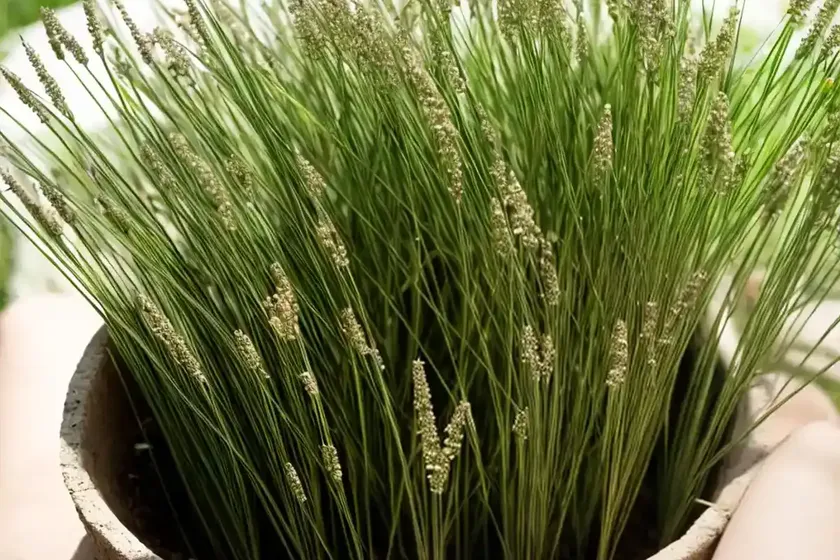
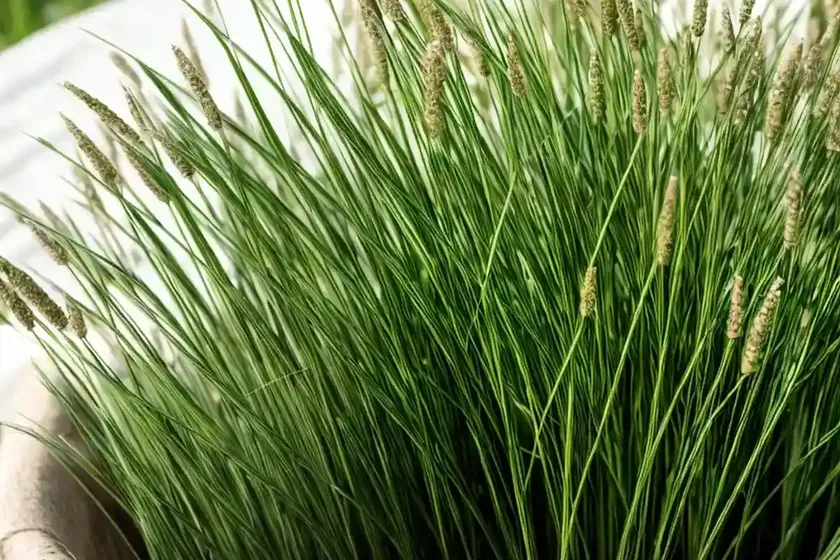
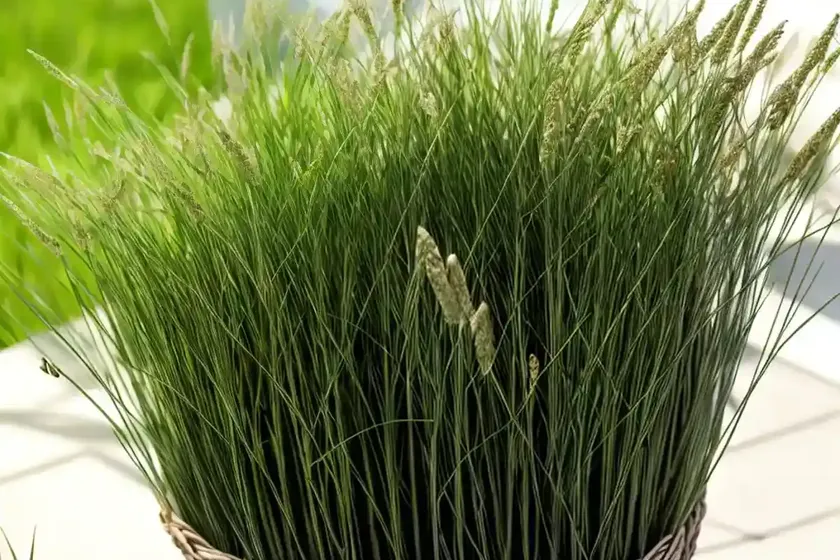
Italian ryegrass (Lolium multiflorum) is a versatile and valuable plant with a wide range of uses in agriculture and landscaping. Whether you are a farmer, gardener, or simply a plant enthusiast, understanding the key characteristics, cultivation techniques, and potential benefits of Italian ryegrass can enhance your appreciation and utilization of this plant.
In this comprehensive guide, we will explore the various aspects of Italian ryegrass, including its cultural requirements, uses, diseases, and pests, as well as practical tips for successful cultivation. By the end of this article, you will have gained valuable insights into the unique properties and potential applications of Italian ryegrass, empowering you to make informed decisions regarding its incorporation into your agricultural or landscaping endeavors.
What is Italian Ryegrass (Lolium multiflorum)?
Italian ryegrass, scientifically known as Lolium multiflorum, is a cool-season grass species belonging to the Poaceae family. Originating from the Mediterranean region, it has become widely cultivated across the globe due to its agronomic versatility and adaptability to diverse environmental conditions.
Key Takeaways – Italian Ryegrass (Lolium multiflorum)
Before delving into the specifics of Italian ryegrass cultivation and management, let’s highlight some key takeaways that capture the essence of this remarkable plant.
-
Cultural Requirements: Italian ryegrass thrives in well-drained soils with a slightly acidic to neutral pH. It exhibits rapid growth under optimal sunlight and moderate water availability, making it an excellent choice for both agricultural and ornamental purposes.
-
Versatile Uses: From animal grazing and forage production to erosion control and landscaping, Italian ryegrass serves a multitude of purposes. Its adaptability and nutrient-rich composition make it a valuable resource in various agricultural and environmental applications.
-
Disease and Pest Management: While Italian ryegrass is generally resilient, it can be susceptible to certain diseases and pests. Effective management strategies, including proper sanitation and monitoring, are essential for preserving the health and vigor of Italian ryegrass stands.
-
Propagation and Establishment: Whether through seed sowing or vegetative propagation, establishing Italian ryegrass involves careful consideration of seeding rates, soil preparation, and post-planting management practices.
Now that we have outlined the key points, let’s delve deeper into the specific aspects of Italian ryegrass cultivation, uses, and maintenance.
Culture
Italian ryegrass cultivation involves attention to several key factors to ensure optimal growth and performance. Understanding its preferred conditions for water, sunlight, fertilizer, soil, and pruning is crucial for successfully integrating Italian ryegrass into agricultural systems and ornamental landscapes.
Water
Italian ryegrass exhibits moderate water requirements, especially during its active growth phases. Adequate soil moisture is essential for promoting germination, establishment, and sustained growth. However, it is equally important to avoid waterlogged conditions, as excessive moisture can lead to root suffocation and increased vulnerability to certain pathogens.
-
Watering Practices: For newly seeded Italian ryegrass stands, consistent and gentle watering is necessary to ensure that the seeds remain adequately moist for germination. Once established, the grass can be maintained through regular irrigation, with adjustments made based on seasonal rainfall patterns and soil moisture levels.
-
Hydric Preferences: While Italian ryegrass can tolerate periodic dry spells, sustained drought conditions can hinder its growth and productivity. Therefore, ensuring access to adequate water resources is essential for maximizing yield and quality in agricultural settings.
Sunlight
As a cool-season grass, Italian ryegrass thrives in environments with ample sunlight, particularly during the early stages of growth and establishment. Adequate exposure to sunlight is critical for promoting robust leaf and stem development, as well as the accumulation of carbohydrates through photosynthesis.
-
Sun Requirements: Italian ryegrass exhibits a preference for full sun to partial shade, with an emphasis on receiving at least 6 to 8 hours of direct sunlight daily. In shaded environments, it may experience reduced vigor and yield potential, emphasizing the importance of locating Italian ryegrass plantings in areas with optimal light exposure.
-
Shade Tolerance: While Italian ryegrass has some tolerance for partial shade, prolonged deprivation of adequate sunlight can hinder its growth and lead to diminished forage quality. Therefore, selecting sites with favorable light conditions is pivotal for ensuring the success of Italian ryegrass cultivation.
Fertilizer
Providing appropriate nutrients through effective fertilization practices is essential for promoting vigorous growth and optimizing the nutritional value of Italian ryegrass. Understanding the grass’s nutrient requirements and devising a tailored fertilization regimen can significantly enhance its performance in various applications.
-
Nutrient Needs: Italian ryegrass benefits from a balanced supply of essential nutrients, including nitrogen, phosphorus, potassium, and micronutrients such as iron, zinc, and manganese. These nutrients play pivotal roles in supporting overall plant health, photosynthetic processes, and resistance to environmental stresses.
-
Fertilization Strategies: Utilizing soil tests to assess nutrient levels and pH can guide the formulation of targeted fertilizer applications. Depending on the specific requirements of the planting site, supplemental fertilization may be necessary to address any deficiencies and promote robust growth throughout the growing season.
-
Sustainable Practices: Implementing environmentally conscious fertilization techniques, such as incorporating organic amendments and utilizing slow-release fertilizers, can foster sustainable Italian ryegrass cultivation while minimizing adverse impacts on soil and water quality.
Soil
The selection of suitable soil types and the implementation of proper soil management practices are crucial considerations for cultivating Italian ryegrass. By optimizing soil conditions, growers can facilitate strong root development, nutrient uptake, and overall plant vitality.
-
Soil Preference: Italian ryegrass thrives in well-drained soils with good aeration, as waterlogged conditions can hinder root function and lead to increased susceptibility to diseases. Loamy or sandy loam soils with a slightly acidic to neutral pH (around 6.0 to 7.0) are generally favorable for Italian ryegrass cultivation.
-
Soil Preparation: Prior to planting, it is essential to thoroughly prepare the soil by addressing compaction, removing debris, and incorporating organic matter to enhance soil structure and fertility. This preparation sets the stage for successful seed germination and subsequent establishment of healthy Italian ryegrass stands.
-
Soil Testing: Conducting routine soil testing enables growers to assess nutrient availability, pH levels, and other key soil parameters, thus informing targeted soil amendment and fertilization strategies tailored to the specific needs of Italian ryegrass.
Pruning
While Italian ryegrass is not typically subject to extensive pruning routines, periodic mowing or grazing management is essential for maintaining its vigor and optimizing forage quality. By implementing appropriate pruning practices, growers can enhance regrowth potential and prolong the productivity of Italian ryegrass stands.
-
Mowing Considerations: When utilizing Italian ryegrass for forage production or as a component of mixed grass stands, strategic mowing practices can help control weed competition, stimulate regrowth, and promote uniform canopy development. Maintaining an optimal mowing height and frequency is crucial for balancing biomass production and stand persistence.
-
Grazing Management: In grazing systems, rotational grazing and stock density management contribute to sustainable utilization of Italian ryegrass pastures. Providing adequate recovery periods between grazing events allows for regrowth and replenishment of root reserves, ultimately enhancing the resilience and longevity of the grass stands.
-
Reseeding Practices: In some scenarios, allowing Italian ryegrass plants to reach the flowering stage and produce viable seed can replenish the seed bank and facilitate natural reseeding. This approach can support the persistence of Italian ryegrass in pastures and facilitate the establishment of subsequent generations.
With a solid understanding of the cultural requirements for Italian ryegrass, it is essential to explore the diverse uses and applications for this versatile grass species.
Uses
Italian ryegrass offers a diverse array of uses across agricultural, landscaping, and environmental restoration contexts. Its adaptability, rapid growth, and nutrient-rich composition make it a valuable resource for addressing various needs and objectives. Let’s delve into some of the primary uses and applications of Italian ryegrass.
Agricultural Applications
Forage Production
Italian ryegrass is widely esteemed for its exceptional forage quality, making it a popular choice for livestock feed and forage production. From dairy cattle and sheep to horses and other grazing animals, Italian ryegrass stands serve as a vital source of nutritious and palatable forage.
-
Forage Nutritional Value: Italian ryegrass exhibits high protein content and digestibility, contributing to its suitability as a primary feed source for ruminant animals. Its balanced nutrient profile and palatable characteristics make it a preferred component in livestock diets.
-
Grazing Utilization: By facilitating rapid regrowth and sustained productivity, Italian ryegrass pastures support intensive grazing systems and can contribute to optimal animal performance. Effective grazing management strategies maximize forage utilization while preserving stand vigor and persistence.
-
Silage and Hay Production: Italian ryegrass is commonly utilized for silage and hay production, providing a valuable source of stored feed for livestock during periods of low forage availability or as a supplement to fresh grazing.
Soil Erosion Control
In agricultural settings, Italian ryegrass serves a dual purpose in mitigating soil erosion while providing valuable forage resources. Its fibrous root system and extensive ground cover make it a reliable option for stabilizing soil and preventing erosion in vulnerable areas.
-
Erosion-Resistant Ground Cover: By establishing dense, fibrous root networks, Italian ryegrass effectively binds soil particles and reduces the risk of surface erosion, particularly in sloping or disturbed areas. Its rapid establishment contributes to swift soil protection and stabilization.
-
Runoff Mitigation: The dense canopy and root structure of Italian ryegrass intercept and absorb rainfall, minimizing surface runoff and soil displacement. This characteristic is especially beneficial in regions prone to heavy precipitation and runoff-related challenges.
Landscaping and Ornamental Use
Italian ryegrass’s lush, emerald-green foliage and rapid establishment make it an attractive option for ornamental landscaping, ground cover, and temporary green spaces. Its adaptability to diverse soil conditions and rapid growth from seed further enhance its appeal in various horticultural settings.
-
Temporary Lawns and Green Spaces: Italian ryegrass effectively creates temporary green expanses for recreational areas, event venues, and construction site reclamation. Its quick germination and vibrant growth provide an immediate visual enhancement to such spaces.
-
Winter Turf Overseeding: In regions with cool-season turfgrasses, Italian ryegrass is often utilized for winter overseeding of warm-season lawns and sports fields. Its cold tolerance and fast establishment contribute to a seamless transition to vibrant, cool-season turf during the winter months.
Environmental Restoration and Cover Cropping
Italian ryegrass plays a pivotal role in ecological restoration efforts and cover cropping initiatives aimed at enhancing soil health, biodiversity, and ecological resilience. Its versatile adaptability enables its integration into multifaceted restoration strategies.
-
Rhizoremediation Potential: Italian ryegrass exhibits an innate ability to sequester and metabolize pollutants and contaminants in soil through its root system, thus contributing to the remediation of degraded sites and contaminated environments.
-
Biodiversity Support: As a cover crop, Italian ryegrass fosters a conducive habitat for beneficial insect populations, soil microorganisms, and small vertebrates, contributing to enhanced ecological diversity within agroecosystems and restoration sites.
With its multifaceted uses and versatile applications, Italian ryegrass emerges as a valuable asset in various agricultural, environmental, and horticultural contexts. However, as with any plant, it is essential to consider its susceptibility to diseases and pests, as well as effective management strategies to mitigate potential threats.
Diseases and Pests
While Italian ryegrass is generally resilient, it can be susceptible to certain diseases and pests that have the potential to compromise its health and productivity. Timely disease diagnosis, proactive management, and integrated pest control measures are integral to safeguarding Italian ryegrass from debilitating infestations and infections.
Disease Diagnosis
Familiarizing oneself with common diseases affecting Italian ryegrass and their associated symptoms is pivotal for early detection and targeted intervention. Some prevalent diseases that may impact Italian ryegrass include:
-
Grey Leaf Spot (Pyricularia grisea): Characterized by the formation of small, water-soaked lesions on foliage, grey leaf spot can lead to leaf blighting and reduced photosynthetic efficiency. Monitoring for characteristic lesions and implementing appropriate fungicidal treatments can help manage this disease.
-
Stripe Rust (Puccinia striiformis): The presence of linear, yellow-orange pustules on leaves and stems indicates the onset of stripe rust. Timely fungicidal applications and selection of resistant varieties contribute to effective management of this pathogen.
-
Crown and Root Rot (Rhizoctonia solani, Fusarium spp.): Root and crown rot pathogens can manifest as discolored and decaying root systems, ultimately impeding nutrient uptake and water absorption. Implementing proper soil drainage and utilizing pathogen-free planting materials are crucial for preventing the onset of crown and root rot diseases.
Common Pests
Pest infestations can pose significant challenges to Italian ryegrass cultivation, warranting vigilant monitoring and strategic intervention. Some prevalent pests that may target Italian ryegrass include:
-
Armyworms and Cutworms: Larvae of these insects can inflict extensive defoliation on Italian ryegrass stands, compromising forage quality and stand persistence. Regular scouting and timely insecticide applications are essential for managing armyworm and cutworm populations.
-
Aphids and Grasshoppers: These sap-feeding pests can stunt the growth of Italian ryegrass and transmit plant viruses, thus necessitating prompt insecticidal treatment and the implementation of natural predator conservation strategies.
-
Nematodes: Soil-dwelling nematodes, such as root-knot and lesion nematodes, can impair the root systems of Italian ryegrass, leading to reduced nutrient uptake and compromised plant vigor. Selecting nematode-resistant varieties and employing soil fumigation techniques aids in averting nematode-related damage.
By remaining vigilant and promptly addressing disease and pest issues as they arise, cultivators and land managers can sustain the health and vitality of Italian ryegrass stands, securing its continued productivity and effectiveness in various applications.
Botanist’s Tips
Incorporating Italian ryegrass into agricultural systems, landscaping designs, and environmental restoration initiatives can benefit from the following botanist’s tips:
-
Diverse Variety Selection: Leveraging diverse Italian ryegrass varieties, including those with enhanced disease resistance, pest tolerance, and adaptation to specific environmental conditions, broadens the scope of potential applications and optimizes performance in varied contexts.
-
Integrated Grazing Systems: Introducing Italian ryegrass into integrated grazing systems alongside compatible plant species enhances forage diversity, animal nutrition, and overall agroecosystem resilience. Effective rotational grazing practices support sustainable utilization and long-term productivity.
-
Soil Health Promotion: Implementing soil health-promoting practices, such as reduced tillage, cover cropping, and organic soil amendments, fosters optimal conditions for Italian ryegrass growth while enhancing soil structure, nutrient cycling, and microbial activity.
-
Holistic Pest Management: Adhering to integrated pest management principles, including the conservation of natural enemies, utilization of pest-resistant cultivars, and implementation of cultural control measures, supports long-term pest suppression and minimizes reliance on chemical interventions.
These tips, when applied judiciously, contribute to the successful integration of Italian ryegrass into diverse agricultural and environmental contexts, harnessing its potential to enrich landscapes, enhance soil health, and sustainably support livestock and wildlife.
Fun Facts
To further appreciate the unique characteristics and significance of Italian ryegrass, consider the following fun facts:
-
Rapid Germination: Italian ryegrass seeds typically germinate within 5 to 10 days under favorable environmental conditions, demonstrating its exceptional vigor and rapid establishment capabilities.
-
Nutrient-Dense Forage: Italian ryegrass exhibits high forage quality, boasting nutrient concentrations favorable for livestock nutrition, including protein, digestible fiber, and essential minerals.
-
Winter Survival: With its cold tolerance and ability to maintain productivity during cool seasons, Italian ryegrass plays a crucial role in providing forage resources in regions susceptible to winter forage scarcity.
-
Erosion Control Champion: Italian ryegrass’s extensive root system and rapid ground cover make it an effective ally in preventing soil erosion and promoting soil conservation across diverse landscapes.
-
Versatile in Landscaping: Italian ryegrass’s adaptability to diverse soil types and rapid emergence from seed render it an ideal choice for temporary green spaces, event lawns, and winter turf overseeding.
With these fascinating insights, you can deepen your appreciation for the ecological and practical contributions of Italian ryegrass, recognizing its value in various agricultural and environmental contexts.
Links to External Resources
For additional information, resources, and expert insights on Italian ryegrass, the following external links are valuable references for further exploration:
- USDA Natural Resources Conservation Service: Italian Ryegrass Plant Guide
- University of Missouri Extension: Italian Ryegrass for Forage
- Virginia Cooperative Extension: Italian Ryegrass – A Versatile and Competitive Forage Option
These reputable sources offer comprehensive insights, practical guidance, and research-based recommendations for integrating Italian ryegrass into agricultural, landscaping, and conservation initiatives.
In conclusion, Italian ryegrass (Lolium multiflorum) stands as a versatile and valuable grass species, offering a wealth of agricultural, landscaping, and ecological benefits. From its exceptional forage quality and soil conservation attributes to its ornamental and cover cropping potential, Italian ryegrass continues to captivate growers, land managers, and environmental stewards with its multifaceted contributions. With a comprehensive understanding of its cultural requirements, uses, management strategies, and practical tips, you are well-equipped to leverage the potential of Italian ryegrass in diverse contexts, fostering sustainable agricultural practices and vibrant landscapes.
Whether you are a farmer seeking superior forage resources, a landscaper envisioning lush temporary lawns, or an environmental enthusiast embarking on habitat restoration, Italian ryegrass stands ready to enrich your endeavors with its resilience, versatility, and countless applications.
In embracing the remarkable capabilities of Italian ryegrass, we find ourselves better equipped to nurture productive landscapes, support thriving ecosystems, and harmonize with the natural world, guided by the enduring and adaptable spirit of Lolium multiflorum.


