Irish Moss (Sagina Subulata)
As a plant scientist, I am excited to share insights about a stunning and versatile ground cover plant – Sagina Subulata, commonly known as Irish Moss..
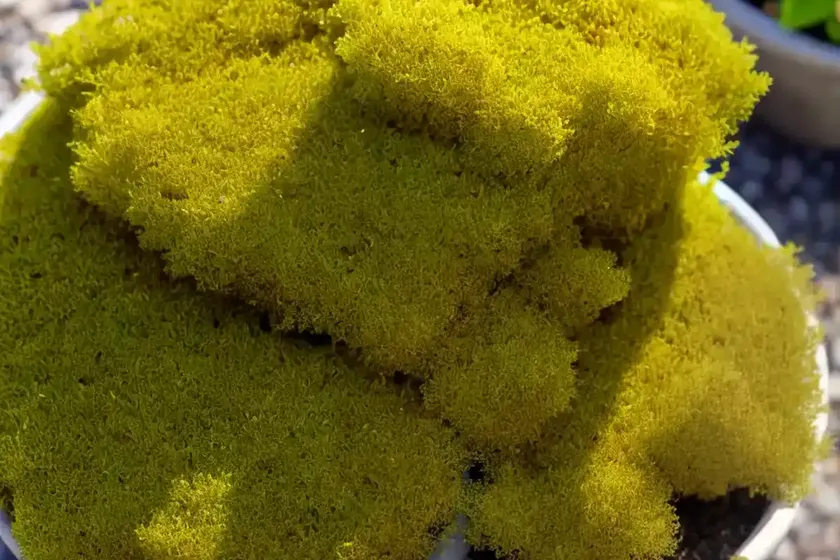

As a plant scientist, I am excited to share insights about a stunning and versatile ground cover plant – Sagina Subulata, commonly known as Irish Moss. This low-growing plant has gained popularity for its moss-like appearance, making it an excellent addition to various landscaping projects. In this comprehensive guide, we will delve into the culture, uses, care requirements, propagation methods, and much more, enabling you to unleash the full potential of Irish Moss in your garden or landscaping endeavors.
What is Irish Moss (Sagina Subulata)?
Irish Moss (Sagina Subulata) is a perennial flowering plant that belongs to the Caryophyllaceae family. Despite its common name, it is not a moss but rather a flowering plant that closely resembles traditional moss, especially in its low-growing and dense mat-forming characteristics. It is native to Europe and is known for its adaptability to various environmental conditions.
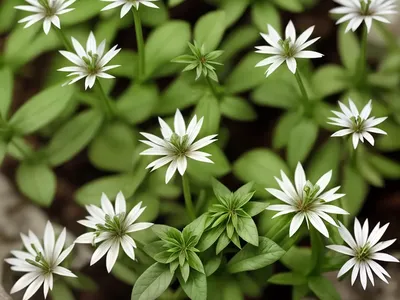
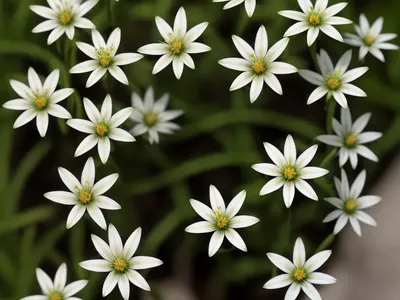
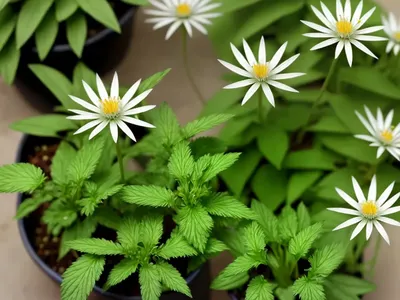
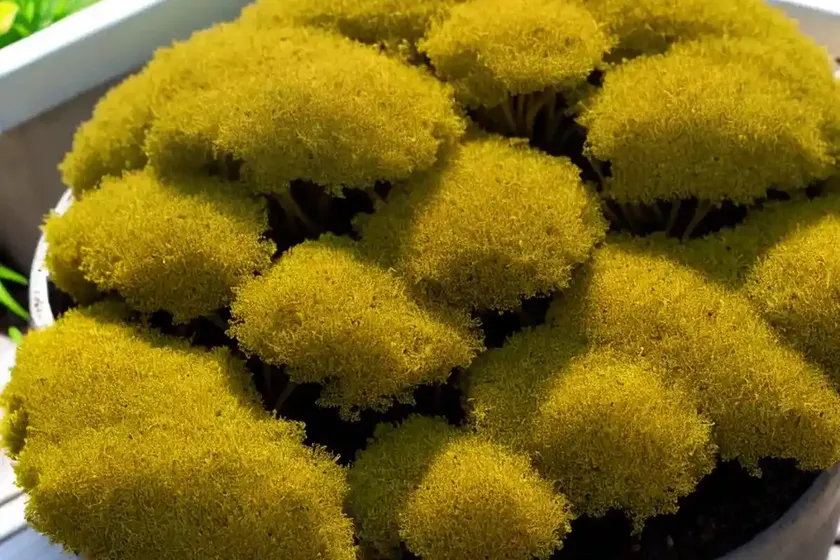
This plant typically forms a lush, emerald-green carpet, providing a visually appealing ground cover in a variety of settings, from rock gardens to fairy gardens. With tiny, star-shaped white flowers that bloom in late spring to early summer, Irish Moss adds a touch of elegance to any landscape. Its versatility and ease of care make it a beloved choice among gardeners and landscaping enthusiasts.
Key Takeaways – Irish Moss (Sagina Subulata)
Before we delve into the finer details of Irish Moss, let’s outline some key takeaways that we will explore in depth in the subsequent sections.
- Sagina Subulata Ground Cover: An overview of the plant’s role as a ground cover.
- Irish Moss Plant Care: Exploring the essential care requirements for nurturing healthy Irish Moss.
- Moss-Like Ground Cover: Understanding its moss-like attributes and its impact on landscaping.
- Sagina Subulata Uses: Discovering the diverse uses of Irish Moss in landscaping and gardening.
- Low-Growing Plant for Landscaping: Exploring its role as a low-growing, visually striking plant.
- Sagina Subulata Maintenance: Care and maintenance practices to uphold the vitality of Irish Moss.
- Irish Moss Planting Tips: Insights into the best practices for planting Irish Moss to ensure successful establishment.
- Grow Sagina Subulata in Your Garden: Guidelines for incorporating Irish Moss into your garden design.
- Best Soil for Irish Moss: Understanding the soil preferences of Irish Moss for optimal growth.
- Drought-Tolerant Ground Cover Plants: Exploring its ability to withstand drought conditions, a desirable trait for ground cover plants.
- Sagina Subulata Propagation Methods: Insights into the propagation techniques for expanding your Irish Moss coverage.
- Irish Moss as a Lawn Substitute: Exploring its potential as a lawn alternative.
- Tips for Growing Irish Moss: Practical tips for successful cultivation and growth.
- Sagina Subulata in Rock Gardens: Utilizing Irish Moss in the context of rock garden design.
- Hardy Ground Cover for Shaded Areas: Understanding its adaptability to shade and its role as a hardy ground cover.
- Water Requirements for Irish Moss: Guidelines for watering Irish Moss to maintain optimal moisture levels.
- Sagina Subulata for Erosion Control: Understanding its contribution to erosion prevention and control.
- Irish Moss Ground Cover Plants: Insight into the advantages of using Irish Moss as a ground cover plant.
- Sunlight Preferences for Sagina Subulata: Understanding its sunlight requirements for successful growth.
- Irish Moss as a Filler Plant: Its role as a filler plant in garden and landscaping projects.
- Sagina Subulata for Fairy Gardens: Incorporating Irish Moss into the enchanting world of fairy gardens.
- Irish Moss in between Pavers: Exploring its use in enhancing hardscapes and pathways.
- Sagina Subulata as a Border Plant: Its role as a border plant in garden design.
- How to Divide Irish Moss: The process of dividing and propagating Irish Moss for expanded coverage.
- Sagina Subulata for Green Roofs: Utilizing Irish Moss in green roof applications.
- Irish Moss in Containers: Insights into growing Irish Moss in containers for versatility and convenience.
- Ideal Temperature Range for Sagina Subulata: Understanding the temperature preferences of Irish Moss.
- Irish Moss with Pink Flowers: Exploring variations within the species, such as pink-flowered varieties.
- Sagina Subulata as a Perennial Ground Cover: Appreciating its role as a long-term ground cover solution.
- Irish Moss for Coastal Gardens: Utilizing Irish Moss in coastal garden settings.
- Sagina Subulata in Japanese Gardens: Its contribution to the aesthetic appeal of Japanese-style gardens.
- Irish Moss and Other Shade-Loving Plants: Complementary plantings with Irish Moss for shaded areas.
- Sagina Subulata for Terrariums: Incorporating Irish Moss into terrarium designs for a touch of greenery.
- Disease-Resistant Irish Moss Varieties: Varieties known for their resilience against common diseases.
- Sagina Subulata and Different Soil Types: Exploring its adaptability to various soil types.
- Irish Moss Growth Rate: Understanding the growth patterns and rate of Irish Moss.
- Sagina Subulata with White Flowers: Varieties with distinctive white flowers and their visual impact.
- Irish Moss and Weed Control: Measures to manage weed growth when cultivating Irish Moss.
- Sagina Subulata for Wet Areas: Its ability to thrive in damp or water-logged conditions.
- Irish Moss for Moss Gardens: Its role in enhancing the beauty of moss gardens.
- Sagina Subulata and Stepping Stones: Incorporating Irish Moss around stepping stones for aesthetic appeal.
- Irish Moss and Container Gardening: Its suitability for container gardening and small-space cultivation.
- Sagina Subulata as a Ground Cover for Slopes: Practical applications of Irish Moss in sloped landscapes.
- Irish Moss and Wildlife Gardening: Its role in attracting and supporting wildlife in the garden.
- Sagina Subulata in Alpine Gardens: Utilizing Irish Moss in the context of alpine garden designs.
- Irish Moss for Green Lawns: Exploring its potential as a lawn alternative for a green, low-maintenance landscape.
- Sagina Subulata along Pathways: Incorporating Irish Moss along pathways for visual enhancement.
- Irish Moss in Rock Walls: Utilizing Irish Moss to adorn and soften the appearance of rock walls.
- Sagina Subulata and Attracting Pollinators: Its role in supporting pollinators and enhancing biodiversity.
- Irish Moss for Fairy Tale Inspired Gardens: Incorporating Irish Moss into whimsical, fairy tale-inspired garden designs.
With these key takeaways in mind, let’s embark on a journey of exploration and learn about the captivating Irish Moss along with the best practices for its care, maintenance, and utilization in various landscaping and gardening projects.
Culture
Irish Moss (Sagina Subulata) has a rich cultural history and an established presence in horticulture. Understanding its cultural significance and the role it plays in various gardening traditions can provide valuable insights into its versatility and potential applications in modern landscape design.
Historical Significance
The history of Irish Moss is intertwined with traditional uses and cultural practices, particularly in Europe where it is native. Historically, it has been utilized not only for its aesthetic appeal but also for its practical benefits. In addition to its role as a ground cover, Irish Moss has been used in traditional medicine and as a food source in certain cultures. Its presence in folklore and traditional practices adds depth to its cultural significance and showcases its enduring appeal across generations.
Horticultural Influence
Within the realm of horticulture, Irish Moss has been revered for its unique characteristics and adaptability. Its popularity as a ground cover plant has influenced the design of various types of gardens, from formal landscapes to informal rock gardens. The utilization of Irish Moss in diverse horticultural settings has contributed to its enduring presence in garden designs and landscaping projects globally.
Understanding the cultural significance of Irish Moss enriches our appreciation for this remarkable plant and provides context for its utilization in modern garden and landscape design.
Uses
The uses of Irish Moss (Sagina Subulata) are diverse and encompass a wide range of landscaping and gardening applications. Its adaptability and visual appeal make it a valuable addition to various garden settings, from residential landscapes to public parks. Let’s explore some of the common uses of Irish Moss and its potential contributions to different types of gardening projects.
Ground Cover Planting
Irish Moss is predominantly utilized as a ground cover plant, forming a dense, low-growing mat that adds textural interest to garden beds, pathway borders, and rock gardens. Its ability to spread and fill in spaces makes it an ideal choice for suppressing weed growth and enhancing the visual appeal of bare ground areas.
Rock Gardens
The moss-like appearance and compact growth habit of Irish Moss make it a favored plant for rock gardens. Its ability to thrive in well-drained, rocky soils and its tolerance for partial shade positions it as a suitable candidate for enhancing the aesthetic appeal of rock garden features.
Lawn Substitute
In areas where traditional lawns may be challenging to maintain or where a lower maintenance landscaping solution is desired, Irish Moss can serve as a beautiful and practical alternative to grass lawns. Its resilience and ability to withstand foot traffic contribute to its suitability as a functional and visually appealing ground cover.
Fairy Gardens
The enchanting, miniature appearance of Irish Moss makes it a popular choice for fairy gardens and other whimsical garden designs. It can be used to create lush, mossy landscapes that complement the whimsical elements of fairy tale-inspired garden themes.
Erosion Control
Irish Moss plays a role in erosion control, particularly in sloped or hilly landscapes where soil retention and stabilization are essential. Its dense growth pattern and ability to thrive in challenging conditions make it an effective choice for managing soil erosion and promoting landscape stability.
Pathway Borders
Utilizing Irish Moss along pathway borders adds a touch of natural beauty and softens the edges of hardscaped areas. Its ability to form a dense, green carpet creates visual interest and contributes to a seamless transition between pathways and garden beds.
Container Plantings
In addition to its role in traditional garden beds, Irish Moss can be cultivated in containers and hanging baskets, providing versatility for small-space gardening, vertical landscapes, and balcony gardens. Its ability to spill over the edges of containers creates a cascading effect, adding visual appeal to container plantings.
Naturalizing Landscapes
Irish Moss can contribute to the naturalization of landscapes, particularly in woodland settings or shaded areas where a carpet of greenery enhances the organic feel of the surroundings. Its adaptability to shade allows it to thrive in settings where other ground covers may struggle.
Green Roof Applications
As the trend of green roof installations continues to grow, Irish Moss emerges as a suitable plant for such applications due to its compact growth habit, tolerance for harsh growing conditions, and its ability to contribute to environmental sustainability by reducing heat absorption on rooftops.
Coastal Landscapes
In coastal environments, Irish Moss can withstand the challenges posed by salt-laden air and thrive in sandy, well-drained soils, making it a valuable addition to coastal landscape designs. Its ability to withstand coastal conditions contributes to its viability in such settings.
Wildlife Gardens
The dense, low-growing nature of Irish Moss can create habitat niches for small creatures such as insects and spiders. When utilized in wildlife gardens, it contributes to biodiversity and supports the ecological balance of the garden ecosystem.
Alleviating Soil Barrenness
In areas where the soil quality may be poor or where barren patches detract from the visual appeal of the landscape, Irish Moss offers a natural solution for covering bare ground and enhancing the overall aesthetics of the area.
Weed Suppression
Irish Moss’s ability to form a dense thicket and spread rapidly makes it an effective natural weed suppressant. By covering the ground with its lush foliage, it impedes the growth of weeds, reducing maintenance efforts in garden beds and other landscape areas.
Enhancing Garden Features
Irish Moss can be used to enhance various garden features, including border plantings, as a filler plant between stepping stones, or to soften the harsh lines of rock walls. Its versatility in contributing to the visual appeal of garden elements makes it a popular choice among landscape designers.
The diverse uses of Irish Moss highlight its versatility and adaptability in a wide range of garden settings, showcasing its potential to contribute to the beauty and ecological balance of different landscapes.
Water
Understanding the water requirements of Irish Moss (Sagina Subulata) is crucial for ensuring its optimal growth and vitality. As a ground cover plant with low stature, Irish Moss has specific needs when it comes to moisture. By paying close attention to its water requirements, gardeners and landscapers can support the flourishing of Irish Moss in a variety of settings.
Moisture Needs
Irish Moss thrives in well-drained soils, requiring consistent moisture to sustain its lush growth. While it prefers slightly moist conditions, it is essential to avoid waterlogged or overly saturated environments, as excessive moisture can lead to root rot and other detrimental effects.
Watering Practices
During the establishment phase and period of active growth, Irish Moss benefits from regular watering to maintain moderately moist soil conditions. In hot and dry weather, supplemental watering may be necessary to prevent the soil from drying out excessively.
Drought Tolerance
Despite its preference for consistent moisture, Irish Moss exhibits a degree of drought tolerance once established. This attribute makes it suitable for landscapes where periodic dry spells occur. When subjected to temporary drought conditions, Irish Moss can largely maintain its vigor and recover once adequate moisture is restored.
Overhead Irrigation
When choosing watering methods for Irish Moss, it is advisable to avoid overhead irrigation systems that can excessively wet the foliage. Instead, focus on delivering water directly to the root zone to prevent excessive moisture on the foliage, which can lead to fungal diseases.
Seasonal Adjustments
Adapt your watering practices to the seasonal changes in precipitation and temperature. Increase watering frequency during prolonged periods of hot, dry weather, and reduce watering during cooler, wetter periods to prevent waterlogging.
Understanding and appropriately addressing the water needs of Irish Moss are critical for ensuring its long-term health and vitality in garden and landscape settings. By applying mindful watering practices, gardeners can contribute to the success and resilience of Irish Moss in various environments.
Sunlight
The sunlight preferences of Irish Moss (Sagina Subulata) play a significant role in determining its growth and performance in diverse garden and landscape settings. As a ground cover plant, Irish Moss exhibits specific requirements when it comes to sunlight exposure, and understanding these preferences is crucial for creating ideal growing conditions.
Light Requirements
Irish Moss thrives in partial to full sun conditions, preferring bright, indirect light for the majority of the day. While it is tolerant of partial shade, prolonged exposure to deep shade can hinder its growth and result in reduced vigor and density.
Shelter from Intense Sun
In regions with hot, arid climates or during periods of intense sunlight, Irish Moss may benefit from some protection or partial shading to prevent excessive foliage desiccation and stress. By providing a degree of shelter, such as situating it under the dappled canopy of trees, the plant is better equipped to maintain its lush appearance.
Soil Temperature Considerations
The exposure to sunlight influences the soil temperature in the immediate vicinity of Irish Moss. Situating it in areas with moderate soil temperatures, achieved through adequate exposure and shading, supports its overall health and vitality.
Seasonal Adjustments
Adapt the position of Irish Moss in response to the seasonal variations in sunlight. During the peak of summer, when the sun’s intensity is at its highest, consider providing additional shading to shield the plant from excessive heat and light exposure.
Indoor Cultivation
In indoor gardening and container plantings, ensure that Irish Moss receives ample indirect light to promote healthy growth. Situating it near a brightly lit window or beneath supplemental grow lights replicates its sunlight preferences when grown indoors.
Understanding and accommodating the sunlight preferences of Irish Moss contribute to its successful growth and overall visual appeal. By providing optimal light exposure, gardeners can foster the lush, vibrant appearance of Irish Moss in diverse garden and landscape settings.
Fertilizer
In the realm of plant care, providing appropriate nutrition through fertilization is a key aspect of promoting healthy growth and vigor. Understanding the fertilizer requirements of Irish Moss (Sagina Subulata) is essential for sustaining its lush appearance and ensuring its longevity as a vibrant ground cover plant.
Organic Matter Contribution
Irish Moss benefits from the presence of organic matter in the soil, which provides essential nutrients and contributes to soil structure and fertility. Utilizing organic mulches and incorporating compost into the soil enhances its nutrient content and supports the growth of Irish Moss.
Moderate Fertilization
While Irish Moss is not heavy feeders, providing a diluted, balanced liquid fertilizer during the growing season can bolster its growth and maintain its visual appeal. Limit fertilizer applications to avoid excessive nutrient buildup, which can lead to imbalances and potential detriment to the plant.
Seasonal Fertilization
Align fertilizer applications with the growing season to provide Irish Moss with the necessary nutrients at critical growth stages. A gentle approach to fertilization during the spring and summer supports the development of vigorous foliage and promotes healthy root expansion.
Avoid Excessive Nitrogen
Refrain from using high-nitrogen fertilizers on Irish Moss, as an excess of nitrogen can encourage lush growth at the expense of density and resilience. The aim is to provide balanced nutrition without promoting overly vigorous growth that may compromise the plant’s compact form.
Slow-Release Fertilizers
When opting for solid-form fertilizers, consider utilizing slow-release formulations that provide a steady, gradual supply of nutrients over an extended period. This approach aligns with the modest fertilization needs of Irish Moss and minimizes the risk of over-fertilization.
Foliar Feeding
As an alternative to soil application, foliar feeding with a gentle, diluted liquid fertilizer can provide supplemental nutrition to Irish Moss. When applying fertilizer to the foliage, ensure that it is thoroughly diluted to prevent any negative impacts on the plant.
By implementing mindful fertilization practices, gardeners can nurture the density, vibrancy, and resilience of Irish Moss, elevating its performance as a visually striking ground cover plant in diverse garden and landscape contexts.
Soil
The soil composition and quality play a pivotal role in determining the success and longevity of Irish Moss (Sagina Subulata) in garden and landscape settings. Understanding the soil preferences of this ground cover plant enables gardeners to create optimal growing conditions and promote its lush, vibrant appearance.
Soil Type
Irish Moss thrives in well-drained, moisture-retentive soils with a slightly acidic to neutral pH range. A light, sandy loam with good drainage characteristics is ideal for supporting the growth and density of Irish Moss, enabling it to establish a robust root system and vibrant foliage.
Organic Matter Enrichment
Incorporating organic matter such as compost, peat moss, or well-rotted manure into the soil contributes to its fertility, structure, and moisture retention capacity. The presence of organic material supports the establishment and sustained vitality of Irish Moss in garden beds and landscapes.
Soil Compaction Prevention
Preventing soil compaction is essential for promoting healthy root development and sustained growth of Irish Moss.