Iris X Robusta ‘Gerald Darby’)
Iris x robusta ‘Gerald Darby’ is a stunning and popular flowering plant known for its beautiful flowers, easy care requirements, and versatility in.
Iris x robusta ‘Gerald Darby’ is a stunning and popular flowering plant known for its beautiful flowers, easy care requirements, and versatility in landscaping. As a plant scientist, I have had the opportunity to study and work with a wide range of plant species, and the Iris x robusta ‘Gerald Darby’ has always stood out due to its unique characteristics and its ability to thrive in various environments.
In this comprehensive guide, I will delve into the various aspects of Iris x robusta ‘Gerald Darby’, offering insights into its cultural requirements, uses, care tips, common diseases and pests, propagation methods, and much more. Whether you are a seasoned gardener looking to enhance your landscape or a novice plant enthusiast eager to explore the world of Irises, this guide will provide you with valuable information to help you understand, grow, and appreciate this captivating plant.
What is Iris x robusta ‘Gerald Darby’?
Iris x robusta ‘Gerald Darby’, commonly known as Gerald Darby iris, is a striking perennial plant that belongs to the family Iridaceae. It is a hybrid iris that has been developed through careful breeding, resulting in a plant with notable features that make it a favored choice among gardeners and landscapers.
Key Takeaways
- Scientific Name: Iris x robusta ‘Gerald Darby’
- Common Name: Gerald Darby iris
- Plant Type: Perennial
- Family: Iridaceae
Characteristics
The Iris x robusta ‘Gerald Darby’ is characterized by its:
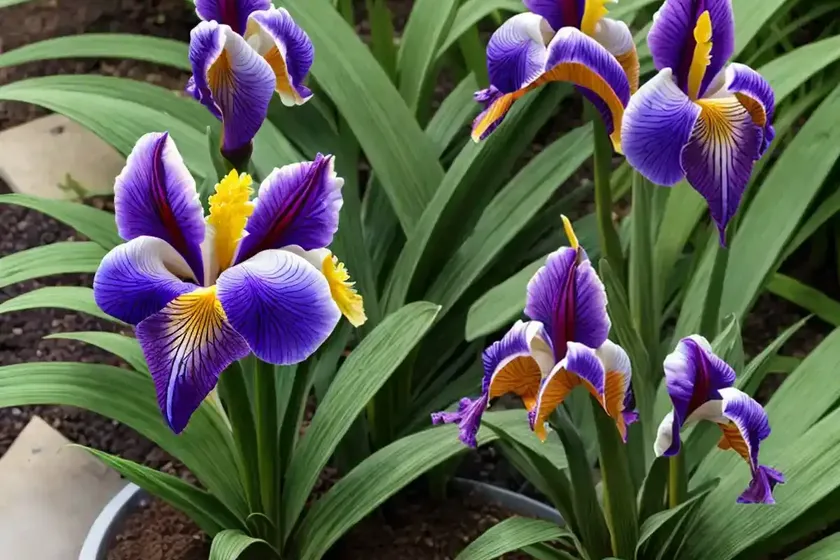
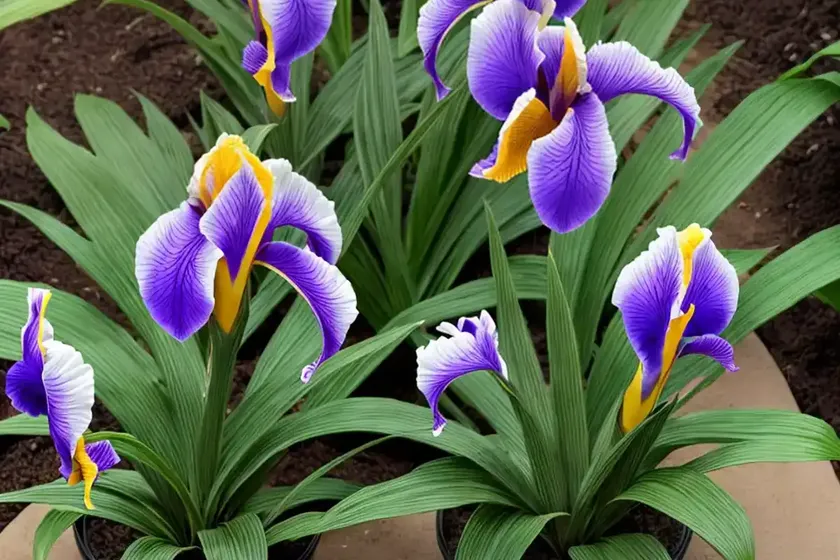
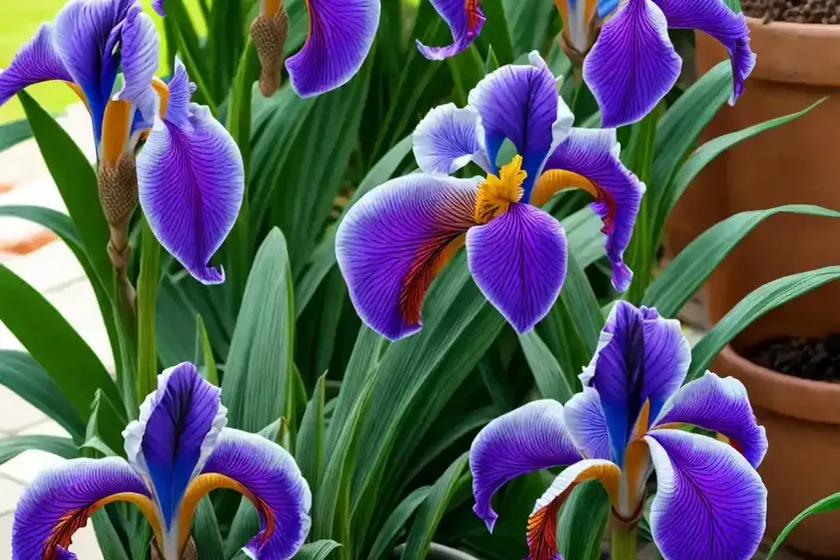
- Striking deep purple flowers with delicate veining
- Sword-like, stiff leaves
- Vigorous growth habit
- Ability to thrive in various soil types and moisture conditions
Appearance
The flowers of Iris x robusta ‘Gerald Darby’ are known for their vibrant hue, often described as a rich shade of purple. The blooms are adorned with intricate veining patterns, adding to their allure. The plant typically grows to a moderate height, making it a versatile addition to both garden beds and containers.
Cultivar Information
The ‘Gerald Darby’ cultivar of Iris x robusta is particularly cherished for its robust nature and adaptability to different climates. It has gained popularity for its resilience and ability to flourish in various growing conditions, making it a valuable addition to landscaping projects and home gardens alike.
Now that we have a brief overview of Iris x robusta ‘Gerald Darby’, let’s delve into the specific aspects of its care and cultivation.
Culture
Successfully growing and nurturing Iris x robusta ‘Gerald Darby’ requires an understanding of its cultural requirements. From soil conditions to sunlight exposure, providing the right environment is essential to ensure the plant’s health and blossoming.
Uses
Iris x robusta ‘Gerald Darby’ serves multiple purposes in the garden and landscape, including:
- Ornamental Value: The plant’s attractive flowers and foliage make it a popular choice for adding visual interest to garden beds, borders, and containers.
- Landscaping: With its upright growth habit and vibrant blooms, Gerald Darby iris is often used in landscaping designs to create focal points, borders, or mass plantings.
- Wildlife Habitat: The flowers of Iris x robusta ‘Gerald Darby’ can attract pollinators such as bees and butterflies, contributing to the ecological balance of the garden.
Water
Proper watering is crucial for the health and vitality of Iris x robusta ‘Gerald Darby’. While the plant displays good tolerance to varying moisture levels, it is essential to maintain a balanced watering regimen to prevent overwatering or drought stress.
-
General Watering Guidelines: Provide regular watering during the active growing season, ensuring that the soil remains moist but not waterlogged. Allow the soil to dry slightly between watering intervals to prevent waterlogged conditions.
-
Adaptation to Moisture Conditions: Iris x robusta ‘Gerald Darby’ demonstrates adaptability to different moisture conditions, making it suitable for both well-drained and moderately moist soil.
Sunlight
Adequate sunlight is crucial for the growth and blooming of Iris x robusta ‘Gerald Darby’. Understanding the plant’s sunlight needs is essential for optimizing its performance in the garden.
-
Sun Exposure: Plant Iris x robusta ‘Gerald Darby’ in an area that receives full to partial sunlight. It thrives in locations with at least 6 hours of direct sunlight per day, but it can also tolerate partial shade.
-
Shade Tolerance: While the plant prefers ample sunlight, it can adapt to partial shade conditions, making it suitable for garden areas with varying light exposure.
Fertilizer
Fertilizing Iris x robusta ‘Gerald Darby’ is an important aspect of its care, providing essential nutrients to support healthy growth and abundant flowering.
-
Fertilizer Application: Apply a balanced, slow-release fertilizer in early spring before the plant enters its active growth phase. Additionally, top-dress the soil with organic compost to enrich the nutrient content and improve soil structure.
-
Frequency: Fertilize the plant annually, avoiding excessive application of fertilizers that can lead to nutrient imbalances.
Soil
Understanding the soil requirements of Iris x robusta ‘Gerald Darby’ is essential for creating an optimal growing environment for the plant.
-
Well-Drained Soil: Plant Iris x robusta ‘Gerald Darby’ in well-drained soil to prevent waterlogging, which can lead to root rot and other issues. Amending heavy clay soil with organic matter can improve drainage and create a favorable soil structure.
-
pH Level: The plant thrives in slightly acidic to neutral soil with a pH range of 6.0 to 7.0. Conduct a soil test to determine the existing pH level and make adjustments as needed to create an ideal growing medium.
Pruning
Pruning is an integral part of maintaining the health and aesthetic appeal of Iris x robusta ‘Gerald Darby’. Proper pruning techniques can promote vigorous growth and encourage the development of new blooms.
-
Deadheading: Remove spent flower stalks by cutting them back to the base of the plant. Deadheading not only enhances the plant’s appearance but also redirects the plant’s energy towards the production of new flowers.
-
Division: Every few years, divide mature clumps of Iris x robusta ‘Gerald Darby’ to rejuvenate the plant and prevent overcrowding. Dividing the plant also allows for the propagation of new specimens.
Propagation
The propagation of Iris x robusta ‘Gerald Darby’ allows for the expansion of its presence in the garden and provides an opportunity to share the plant with other gardening enthusiasts.
Division
Dividing established clumps of Iris x robusta ‘Gerald Darby’ is a common and effective method of propagation.
Division Process:
-
In early spring or late summer, carefully dig up the clump of Iris x robusta ‘Gerald Darby’, ensuring that the root system remains intact.
-
Gently separate the individual rhizomes, ensuring that each divided section has healthy roots and viable growth points.
-
Plant the divided rhizomes in prepared soil, ensuring proper spacing to accommodate their future growth.
Container Propagation
Iris x robusta ‘Gerald Darby’ can also be propagated through container gardening, allowing for greater flexibility and ease of management.
Container Propagation Steps:
-
Fill a suitable container with well-draining potting mix, leaving sufficient space for planting the rhizome.
-
Plant a healthy rhizome in the container, ensuring that it is positioned at the appropriate depth with the growing points facing upwards.
-
Place the container in a location with adequate sunlight and provide regular watering to support the growth of the new plant.
Popularity
The popularity of Iris x robusta ‘Gerald Darby’ stems from its desirable characteristics, adaptability, and ease of cultivation. This section explores the factors contributing to the plant’s widespread appeal among gardeners and horticulture enthusiasts.
Garden and Landscape Use
Iris x robusta ‘Gerald Darby’ is a favored choice for garden and landscape use due to its:
- Ability to thrive in various soil types and moisture conditions, making it suitable for a wide range of environments.
- Vibrant and abundant flowers that add color and visual interest to garden beds, borders, and containers.
- Versatility in landscaping designs, including its suitability for focal points, mass plantings, and mixed borders.
Horticultural Value
Within horticultural circles, Iris x robusta ‘Gerald Darby’ is valued for its:
- Reliable performance and resilience, making it a low-maintenance yet rewarding plant for home gardeners and landscape professionals.
- Increasing availability of the plant in nurseries and garden centers, contributing to its accessibility and widespread adoption in horticultural projects.
[Place Keyword] Container
The use of containers can enhance the versatility and visual impact of Iris x robusta ‘Gerald Darby’ in both indoor and outdoor settings.
Container Selection
When selecting a container for planting Iris x robusta ‘Gerald Darby’, consider the following factors:
- Size: Choose a container that provides ample space for the plant’s root system to establish and grow. A larger container allows for better moisture retention and root development.
- Drainage: Ensure that the container has proper drainage holes to prevent waterlogging, which can be detrimental to the plant’s health.
Planting Guidelines
Follow these guidelines when planting Iris x robusta ‘Gerald Darby’ in a container:
- Fill the container with well-draining potting mix, leaving adequate space for planting the rhizome.
- Position the plant at the appropriate depth, ensuring that the growing points are facing upwards.
- Water the plant thoroughly after planting and maintain regular watering to keep the soil evenly moist.
Container Care
Caring for Iris x robusta ‘Gerald Darby’ in a container involves:
- Monitoring soil moisture and watering as needed to prevent drought stress or waterlogging.
- Providing adequate sunlight exposure by placing the container in a location with at least 6 hours of direct sunlight daily.
- Fertilizing the plant with a balanced, slow-release fertilizer to support its growth and blooming.
Common Diseases
Despite being a relatively resilient plant, Iris x robusta ‘Gerald Darby’ may be susceptible to certain diseases under unfavorable growing conditions.
Disease Susceptibility
Potential diseases that can affect Iris x robusta ‘Gerald Darby’ include:
- Soft Rot: This bacterial disease can cause the rhizomes to rot and decline, leading to wilting and discoloration of the foliage.
- Leaf Spot: Fungal leaf spot diseases can manifest as circular lesions on the plant’s leaves, potentially causing aesthetic damage.
Disease Management
Implement the following measures to manage and prevent diseases in Iris x robusta ‘Gerald Darby’:
- Cultural Practices: Maintain proper air circulation and avoid overcrowding of plants to reduce the risk of fungal diseases. Ensure good drainage to prevent waterlogged conditions that can promote the development of soft rot.
- Sanitation: Remove and dispose of any diseased plant material promptly to prevent the spread of diseases within the garden or landscape.
- Fungicidal Treatments: In severe cases of fungal diseases, consider using appropriate fungicidal treatments as recommended by horticultural professionals.
Disease Diagnosis
Diagnosing diseases in Iris x robusta ‘Gerald Darby’ involves observing symptoms and identifying potential causes to implement targeted management strategies.
-
Symptom Observation: Monitor the plant for signs of discoloration, wilting, or characteristic lesions on the leaves or rhizomes.
-
Environmental Assessment: Evaluate the growing conditions, including moisture levels, air circulation, and sunlight exposure, to identify factors that may contribute to disease development.
-
Professional Consultation: Seek advice from horticultural experts or plant health professionals to accurately diagnose the specific disease affecting the plant and determine the most effective course of action.
Common Pests
While Iris x robusta ‘Gerald Darby’ is relatively resistant to pests, it may encounter occasional infestations that require attention.
Pest Identification
Potential pests that may affect Iris x robusta ‘Gerald Darby’ include:
- Aphids: These small, sap-sucking insects can colonize the plant, causing distortion of new growth and the development of sticky honeydew.
- Thrips: Thrips can cause discoloration and silvery stippling on the plant’s leaves, affecting its overall aesthetic appeal.
Pest Management
Integrating pest management practices can help control and prevent infestations in Iris x robusta ‘Gerald Darby’:
- Beneficial Insects: Encourage the presence of natural predators such as ladybugs and lacewings that can help control aphid populations.
- Horticultural Oils: Use horticultural oils to suffocate and control pest infestations, following product recommendations and application guidelines.
Botanist’s Tips
As a plant scientist with expertise in horticulture and plant biology, I offer the following tips for cultivating and appreciating Iris x robusta ‘Gerald Darby’:
-
Soil Preparation: Prior to planting, prepare the soil by incorporating organic matter to improve its structure and fertility, creating an optimal environment for the plant’s growth.
-
Watering Practices: Monitor the plant’s watering needs carefully, providing consistent moisture without overwatering. Adjust the frequency of watering based on environmental conditions and seasonal changes.
-
Aesthetic Pairings: Consider companion plants that complement the vibrant blooms and foliage of Iris x robusta ‘Gerald Darby’, creating visually appealing combinations in garden beds and landscape designs.
-
Seasonal Care: Adhere to seasonal care routines, such as dividing mature clumps and adjusting watering practices to accommodate changing weather patterns throughout the year.
Fun Facts
With its distinctive characteristics and horticultural significance, Iris x robusta ‘Gerald Darby’ offers several intriguing and noteworthy aspects that enrich its appeal. Here are some fun facts about this captivating plant:
- Historical Significance: The cultivation of Iris x robusta ‘Gerald Darby’ can be traced back through horticultural records, illustrating its enduring popularity and cultural significance.
- Hybrid Origin: The hybrid nature of Iris x robusta ‘Gerald Darby’ reflects the art and science of plant breeding, where unique traits are combined to create exceptional varieties.
Links to External Resources
For further exploration and study of Iris x robusta ‘Gerald Darby’ and related topics, the following external resources offer valuable information, insights, and references:
-
American Iris Society: The website of the American Iris Society provides comprehensive resources on iris cultivation, including information specific to Iris x robusta ‘Gerald Darby’.
-
Royal Horticultural Society – Iris Care: The Royal Horticultural Society offers guidance on caring for different iris varieties, contributing to a deeper understanding of their cultivation and maintenance.
-
University Extension Resources: University extension programs often provide in-depth articles and guides on plant care, including specific information on Iris x robusta ‘Gerald Darby’.
-
Gardening Forums and Communities: Engage with gardening enthusiasts and experts in online forums and communities dedicated to ornamental plants and irises, exchanging valuable insights and experiences.
Conclusion
Iris x robusta ‘Gerald Darby’ embodies the captivating beauty, resilience, and horticultural significance that define the allure of garden plants. By understanding its cultural requirements, propagation methods, disease management, and other essential aspects, gardeners and plant enthusiasts can cultivate and appreciate the exceptional qualities of this remarkable iris variety.
With its vibrant purple flowers, adaptable nature, and ornamental value, Iris x robusta ‘Gerald Darby’ continues to enchant and inspire individuals who seek to enhance their gardens, landscapes, and horticultural experiences. As a plant scientist, I invite you to explore the world of Iris x robusta ‘Gerald Darby’ and discover the rewards of cultivating this exceptional plant.
Through careful observation, thoughtful cultivation, and a deep appreciation for its botanical charm, Iris x robusta ‘Gerald Darby’ invites us to immerse ourselves in the magic of horticulture, where the beauty of nature’s creations enriches our lives and landscapes.
So, let’s embark on this captivating journey and celebrate the enchanting allure of Iris x robusta ‘Gerald Darby’, a botanical treasure that continues to captivate and inspire generations of plant enthusiasts and gardening aficionados.
Happy gardening!
Note: This article provides a comprehensive guide to Iris x robusta ‘Gerald Darby’ and is designed to offer valuable insights and information for plant scientists, gardeners, and horticulture enthusiasts. The content is intended for educational and informational purposes and is not a substitute for professional horticultural advice.


