Iris Sibirica ‘Sky Wings’ (Siberian Iris)
Plants are a fascinating and integral part of our natural world. They provide us with food, oxygen, and a sense of natural beauty. One such plant that.
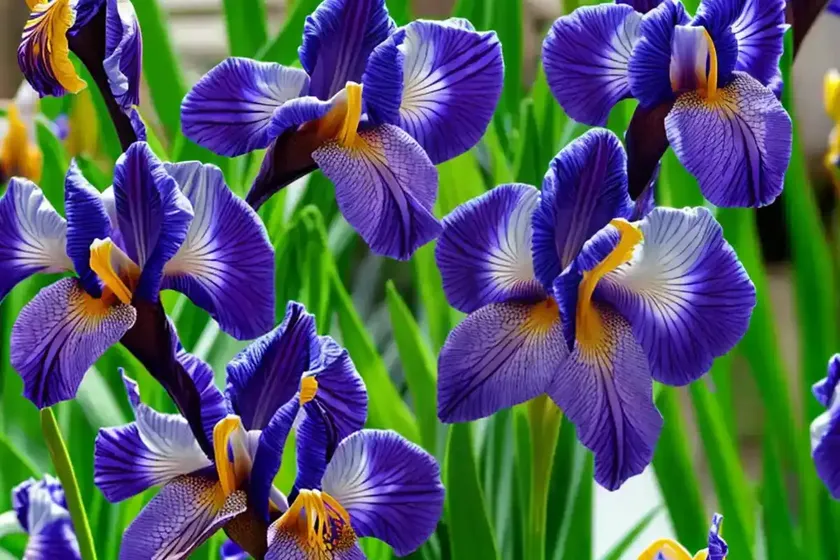
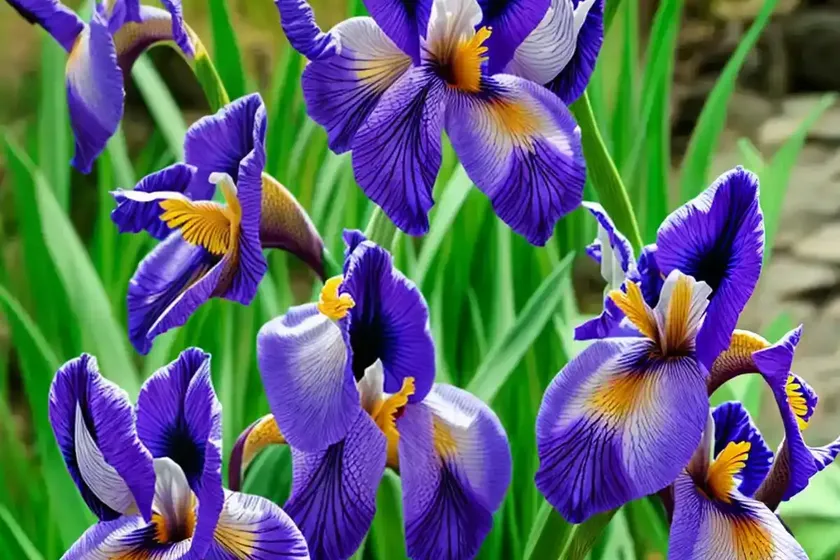
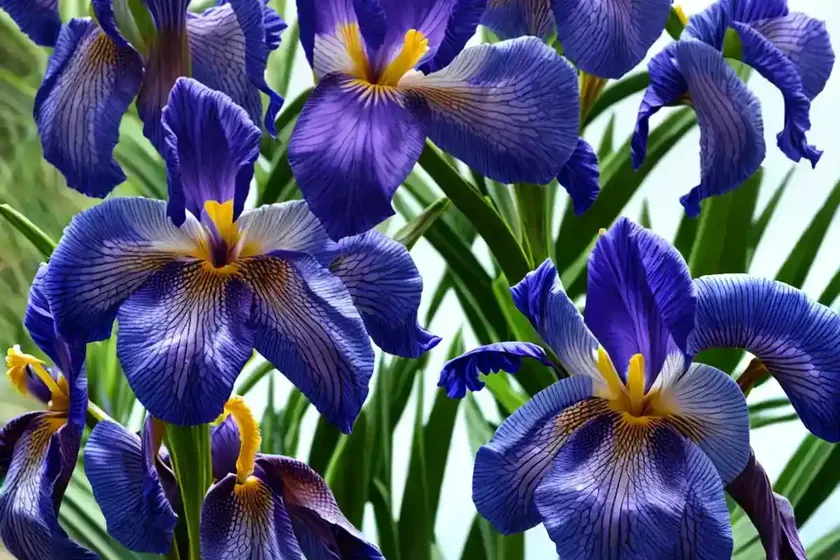
Plants are a fascinating and integral part of our natural world. They provide us with food, oxygen, and a sense of natural beauty. One such plant that captivates with its charm and elegance is the Iris sibirica ‘Sky Wings’, commonly known as the Siberian Iris. This plant is celebrated for its enchanting display of delicate blooms and its adaptability to various growing conditions. In this comprehensive guide, we will delve into the world of Iris sibirica ‘Sky Wings’, exploring its characteristics, growing requirements, uses, and much more.
What is Plant: Iris sibirica ‘Sky Wings’ (Siberian Iris)
The Iris sibirica ‘Sky Wings’ is a herbaceous perennial native to Europe and Central Asia. It belongs to the Iridaceae family and is renowned for its striking flowers and grass-like foliage. This particular cultivar, ‘Sky Wings’, is prized for its sky-blue petals that add a touch of ethereal beauty to any garden landscape. The plant typically reaches a height of 24 to 36 inches (60 to 90 cm) and forms dense clumps over time.
Key Takeaways – Iris sibirica ‘Sky Wings’:
- Scientific Name: Iris sibirica ‘Sky Wings’
- Common Name: Siberian Iris
- Plant Type: Herbaceous Perennial
- Flower Color: Sky-blue
- Growth Habit: Clump-forming
- Hardiness Zone: 3 to 8
- Mature Height: 24 to 36 inches (60 to 90 cm)
Culture
Uses
The Iris sibirica ‘Sky Wings’ has a multitude of uses in the garden and beyond. Its versatility makes it a favorite among gardeners and landscape enthusiasts. Some common uses of this stunning plant include:
- Ornamental Feature: The vibrant blue blooms of ‘Sky Wings’ make it a captivating addition to garden beds, borders, and naturalized areas.
- Cut Flower: The long, elegant stems of Siberian Iris make it an excellent choice for cut flower arrangements, adding a touch of elegance to indoor settings.
- Landscaping: Due to its graceful appearance and low maintenance nature, ‘Sky Wings’ is often used in landscaping projects to create colorful and visually appealing displays.
- Wildlife Attraction: The flowers of Iris sibirica attract pollinators such as bees and butterflies, making it a valuable addition to wildlife-friendly gardens.
Water
Proper watering is crucial for the health and vigor of Iris sibirica ‘Sky Wings’. While it is relatively adaptable to different moisture levels, regular watering is essential, particularly during the growing season and dry spells. Ensure that the soil is consistently moist but not waterlogged to support optimal growth and blooming.
Sunlight
Siberian Iris thrives in locations with ample sunlight. It prefers full sun to partial shade, making it well-suited for a range of garden settings. When planted in full sun, this plant tends to produce more abundant blooms, showcasing its sky-blue flowers in all their glory.
Fertilizer
When it comes to fertilization, the Iris sibirica ‘Sky Wings’ is not overly demanding. A balanced, slow-release fertilizer applied in spring as new growth emerges can provide the necessary nutrients for healthy development. Avoid excessive nitrogen as it may lead to lush foliage at the expense of flower production.
Soil
This plant is quite adaptable when it comes to soil types, but it thrives in moist, well-drained, and slightly acidic soils. Amending the soil with organic matter such as compost can improve its texture and fertility, creating an ideal growing environment for Iris sibirica ‘Sky Wings’.
Pruning
Pruning practices for Siberian Iris are relatively straightforward. After the flowering period, spent flower stalks should be promptly removed to encourage the plant’s energy to focus on growth rather than seed production. Additionally, in late fall or early spring, any dead or damaged foliage can be trimmed to promote a tidy appearance and minimize the risk of disease.
Propagation
The propagation of Iris sibirica ‘Sky Wings’ can be achieved through division, which is typically carried out in early spring or late summer to early fall. Here are the basic steps for dividing Siberian Iris:
- Carefully lift the plant clump from the ground, ensuring that the roots remain intact.
- Using a sharp, clean garden knife, divide the clump into smaller sections, each containing a portion of the rhizome and healthy roots.
- Replant the divided sections at the same depth as the original plant, ensuring that they are adequately watered after transplanting.
Container Popularity
While Siberian Iris can thrive in the ground, it is also well-suited for container gardening. Its graceful form and stunning blooms make it an enchanting addition to container displays in garden settings. When growing Iris sibirica ‘Sky Wings’ in containers, choose a large, well-draining pot and provide appropriate care in terms of watering and sunlight to support healthy growth.
Container Common Diseases
When growing Iris sibirica ‘Sky Wings’ in containers, certain diseases can pose a threat to its health. Some common container diseases include:
- Root Rot: Overly moist or poorly-draining soils can lead to root rot, impacting the overall health of the plant.
- Leaf Spot: Fungal pathogens can cause leaf spot, resulting in unsightly blemishes on the foliage.
Disease Diagnosis
Diagnosing diseases in Iris sibirica ‘Sky Wings’ involves careful observation of the plant’s overall appearance, including its foliage and blooms. It is important to watch for any signs of discoloration, wilting, or abnormal growth, which can indicate potential disease issues. If symptoms are present, prompt action through proper cultural practices and, if necessary, targeted treatments can help mitigate disease impact.
Common Pests
While Iris sibirica is relatively resistant to pests, it may occasionally encounter issues with certain insects. Some common pests that can affect Siberian Iris include:
- Aphids: These tiny, sap-sucking insects can infest the foliage, causing distortion and stunted growth.
- Thrips: Thrips can damage developing flower buds and cause discoloration of petals through their feeding activities.
Botanist’s Tips
- When planting Iris sibirica ‘Sky Wings’, ensure that the rhizomes are positioned just at or slightly below the soil surface to prevent rot and encourage healthy growth.
- Mulching around the base of the plants can help conserve soil moisture and suppress weed growth, contributing to overall plant health.
- To promote lush foliage and abundant blooms, consider applying a layer of compost or well-balanced fertilizer in early spring before the growing season kicks into full gear.
Fun Facts
- The genus name Iris is derived from the Greek word for rainbow, reflecting the wide array of flower colors found in this diverse plant group.
- Some Siberian Iris varieties, including ‘Sky Wings’, are known for their ability to naturalize and spread, forming beautiful colonies over time.
Links to External Resources
For further information on Iris sibirica ‘Sky Wings’ and related topics, consider exploring the following external resources:
- Royal Horticultural Society – Growing Irises
- North American Iris Society
- University of Illinois Extension – Plant and Pest Diagnostics
In conclusion, the Iris sibirica ‘Sky Wings’ is a charismatic plant that brings a touch of elegance and grace to gardens, containers, and landscapes. Its resilience, enchanting blooms, and adaptability make it a valuable addition to any garden setting. By understanding its growing requirements, uses, and potential challenges, gardeners can foster the optimal development of this captivating perennial, enhancing their outdoor spaces with its timeless beauty. Whether used as a focal point, massed in borders, or showcased in floral arrangements, Iris sibirica ‘Sky Wings’ is sure to captivate the hearts of plant enthusiasts and nature lovers alike.


