Iris Sibirica ‘Lavender Bounty’ (Siberian Iris)
Siberian Irises are adored for their delicate and exquisite blooms that grace gardens with a touch of serenity. Among these stunning varieties, Iris.
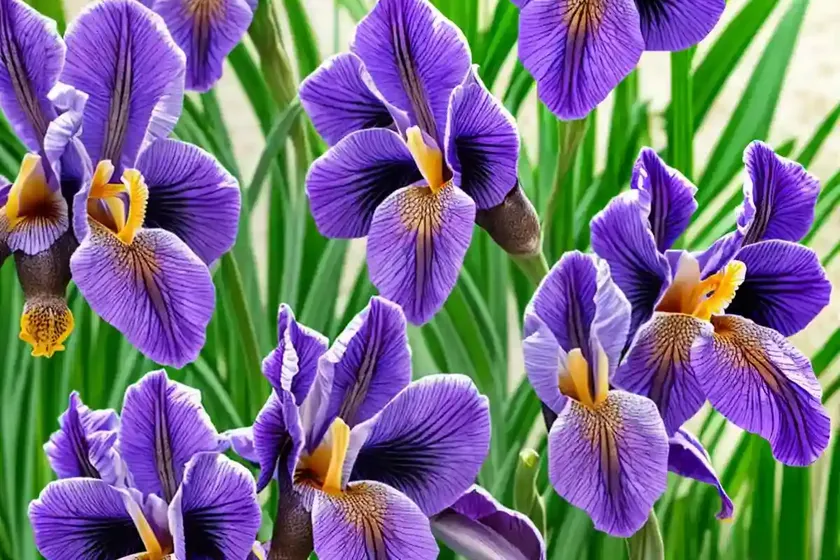
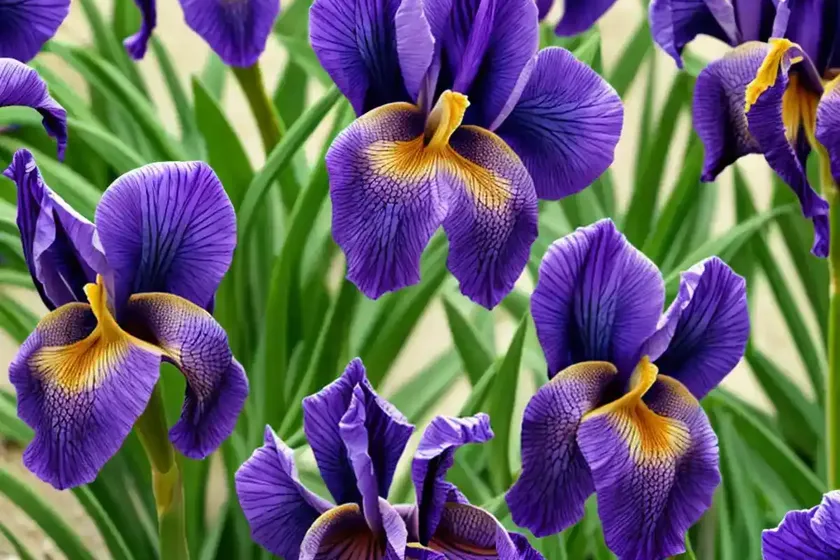
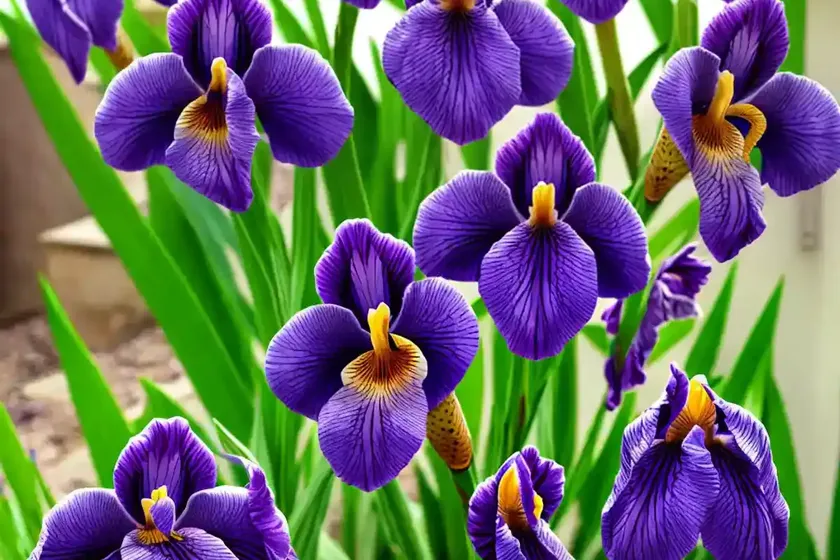
Siberian Irises are adored for their delicate and exquisite blooms that grace gardens with a touch of serenity. Among these stunning varieties, Iris sibirica ‘Lavender Bounty’ stands out with its enchanting lavender blooms and graceful presence. In this comprehensive guide, we will delve into the world of Iris sibirica ‘Lavender Bounty’, exploring its characteristics, ideal growing conditions, landscaping potential, care tips, common diseases, pests, propagation methods, and much more. By the end of this guide, you will be well-equipped to cultivate and nurture the captivating beauty of Iris sibirica ‘Lavender Bounty’ in your own garden.
What is Iris sibirica ‘Lavender Bounty’ (Siberian Iris)?
Iris sibirica ‘Lavender Bounty’ is a stunning perennial plant that belongs to the Iridaceae family. Originating from Eastern Europe and Central Asia, it thrives in cool temperate regions, gracing gardens with its elegant floral display. This Siberian Iris variety is characterized by its clumps of slender, grass-like foliage and enchanting lavender flowers that bloom in late spring to early summer. The graceful form and mesmerizing hues of Iris sibirica ‘Lavender Bounty’ make it a prized addition to diverse garden settings, from traditional to contemporary landscapes.
Key Takeaways – Iris sibirica ‘Lavender Bounty’
As we embark on our journey to unravel the allure of Iris sibirica ‘Lavender Bounty’, let’s begin by exploring its key characteristics and the essential aspects of its cultivation.
- Characteristics:
- Elegant, grass-like foliage
- Lavender-colored blooms
- Clump-forming habit
- Height: 24-36 inches
- Spread: 18-24 inches
- Hardy in USDA Hardiness Zones 3-8
Cultivation of Iris sibirica ‘Lavender Bounty’
Uses
Iris sibirica ‘Lavender Bounty’ is a versatile plant that lends itself to various garden applications, including:
- Border Plant: Its graceful form and captivating blooms make it an ideal candidate for bordering pathways, gardens, or other landscape features.
- Mass Planting: When planted en masse, it creates a mesmerizing display of lavender blossoms, adding a touch of elegance to the garden.
- Cut Flower: The delicate flowers of Iris sibirica ‘Lavender Bounty’ make enchanting additions to flower arrangements, bringing a hint of the garden indoors.
The versatile uses of this Siberian Iris variety make it a valuable asset for both aesthetic and practical purposes in gardens and landscapes.
Water
Irrigation Requirements:
– Established Plants: Once established, Iris sibirica ‘Lavender Bounty’ exhibits good drought tolerance. However, regular watering during dry spells is beneficial, especially during the flowering season, to promote optimal blooming.
Watering Methods:
– Deep Watering: Ensure deep watering to encourage strong root development and drought resilience.
– Avoid Waterlogging: While Siberian Irises appreciate moisture, they do not thrive in waterlogged soil. Adequate drainage is essential to prevent root rot and fungal diseases.
Sunlight
Sun Exposure:
– Full Sun to Partial Shade: Iris sibirica ‘Lavender Bounty’ thrives in full sun to partial shade. In areas with hot summers, providing some afternoon shade can help protect the delicate blooms.
Optimal Conditions:
– Morning Sun: If grown in regions with intense sunlight, morning sun coupled with dappled shade in the afternoons can be an ideal condition for the plant, ensuring it receives sufficient light without the stress of direct midday sun exposure.
Fertilizer
Fertilization Guidelines:
– Balanced Fertilizer: Apply a balanced, slow-release fertilizer in early spring to support healthy growth and robust flowering.
– Avoid Excessive Nitrogen: While fertilizing, exercise caution with high-nitrogen fertilizers, as an excess can lead to lush foliage at the expense of flowering.
Soil
Optimal Soil Type:
– Moist, Well-Draining Soil: Iris sibirica ‘Lavender Bounty’ thrives in moderately moist, well-draining soil. Amending heavy clay soils with organic matter can enhance drainage and create an ideal growing environment for the plant.
Soil pH:
– Neutral to Slightly Acidic: A slightly acidic to neutral soil pH range of 6.0-7.0 is preferred by Iris sibirica ‘Lavender Bounty’ for optimal nutrient uptake and overall health.
Pruning and Propagation
Pruning
Maintenance Pruning:
– Deadheading: Regular deadheading of spent flowers not only enhances the plant’s appearance but also promotes continuous blooming over an extended period.
Mid-Season Care:
– Foliage Clean-Up: Removing old or tattered foliage in mid to late summer helps maintain a tidy appearance and reduces the risk of disease development.
Propagation
Division:
– Recommended Method: Iris sibirica ‘Lavender Bounty’ is easily propagated through division. Dividing the clumps every 3-4 years in late summer to early fall rejuvenates the plants and promotes vigorous growth and blooming.
Division Guidelines:
– Select Healthy Divisions: When dividing the plants, ensure each division has healthy roots and sufficient growth points to ensure successful establishment.
Container Popularity
Iris sibirica ‘Lavender Bounty’ holds significant appeal for container gardening enthusiasts. Its graceful form and captivating blooms add an elegant touch to container displays on patios, balconies, or as accent features in garden settings.
Container Care
Container Requirements:
– Size: Use spacious containers to accommodate the plant’s root system and allow for adequate growth.
– Drainage: Ensure containers have adequate drainage holes to prevent waterlogging and root rot.
Additional Tips:
– Regular Watering: Container-grown Siberian Irises may require more frequent watering than those in the ground, as containers tend to dry out faster.
– Winter Protection: In regions with harsh winters, provide insulation or move containers to sheltered areas to protect the plants during the dormant season.
Common Diseases and Pest Management
Disease Diagnosis
Common Diseases:
– Leaf Spot: Characterized by the formation of dark, irregular spots on the foliage, often caused by fungal pathogens under conditions of high humidity and poor air circulation.
– Root Rot: Occurs in waterlogged soils and poorly drained conditions, leading to rotting of the roots and weakening of the plant.
Diagnosis and Treatment:
– Cultural Practices: Improving air circulation, avoiding overhead watering, and maintaining proper drainage can mitigate the risk of foliar diseases.
– Fungicidal Treatments: In severe cases, targeted fungicidal treatments can help manage fungal infections.
Common Pests
Aphids: These small, soft-bodied pests can cluster on the tender growth tips, causing distortion and stunted growth. Regular inspection and early intervention are key to preventing widespread infestations.
Thrips: Feeding on flower buds and causing discoloration, thrips can affect the aesthetic appeal of the blooms. Insecticidal soap or neem oil applications can help control thrips populations.
Snails and Slugs: These nocturnal pests feed on foliage and may cause significant damage, especially in damp conditions. Physical barriers and beer traps can be effective in deterring and managing snail and slug populations.
Botanist’s Tips for Success
Cultivation Notes
- Mulching: Applying a layer of organic mulch around the base of the plants helps retain moisture, suppresses weed growth, and provides insulation to the roots during temperature extremes.
- Overhead Protection: In regions with frequent rainfall, providing overhead protection during the flowering season can prevent damage to the delicate blooms and extend their longevity.
Fun Facts about Iris sibirica ‘Lavender Bounty’
- The species name “sibirica” reflects the plant’s origin in the Siberian region.
- Iris sibirica ‘Lavender Bounty’ is known for its resilience in challenging conditions, making it an excellent choice for low-maintenance gardens.
- The intricate floral anatomy of Siberian Irises, including their unique falls and standards, has captured the fascination of botanists and enthusiasts alike.
Links to External Resources
To further expand your knowledge and appreciation of Iris sibirica ‘Lavender Bounty’, here are some valuable resources for additional insights and guidance:
- Royal Horticultural Society – Growing Irises
- The American Iris Society
- University of Vermont Extension – Growing Iris
If you’re eager to explore the world of Siberian Irises and delve deeper into the cultivation and care of Iris sibirica ‘Lavender Bounty’, these resources will serve as invaluable references.
In conclusion, the allure of Iris sibirica ‘Lavender Bounty’ extends beyond its captivating blooms, encompassing its adaptability, graceful presence, and low-maintenance nature. Whether adorning borders, containers, or mixed perennial beds, this Siberian Iris variety holds the potential to enrich and elevate diverse garden settings. With the insights gained from this comprehensive guide, you’re now equipped to embark on a rewarding journey of cultivating and cherishing the timeless elegance of Iris sibirica ‘Lavender Bounty’ in your own garden.
By embracing the essence of Iris sibirica ‘Lavender Bounty’, we embrace a tapestry of blooms and a symphony of grace in our gardens.
Thank you for joining us on this exploration of Iris sibirica ‘Lavender Bounty’, and may your gardens bloom with the enchanting beauty of Siberian Irises.
Note: This blog post is intended for informational purposes only and does not serve as professional gardening advice. For specific guidance related to plant cultivation, it is recommended to consult with local horticultural experts or extension services.


