Iris Pseudata ‘Yarai’)
Plant science, also known as botany, is the study of the biology and physiology of plants. It encompasses a broad range of scientific disciplines.
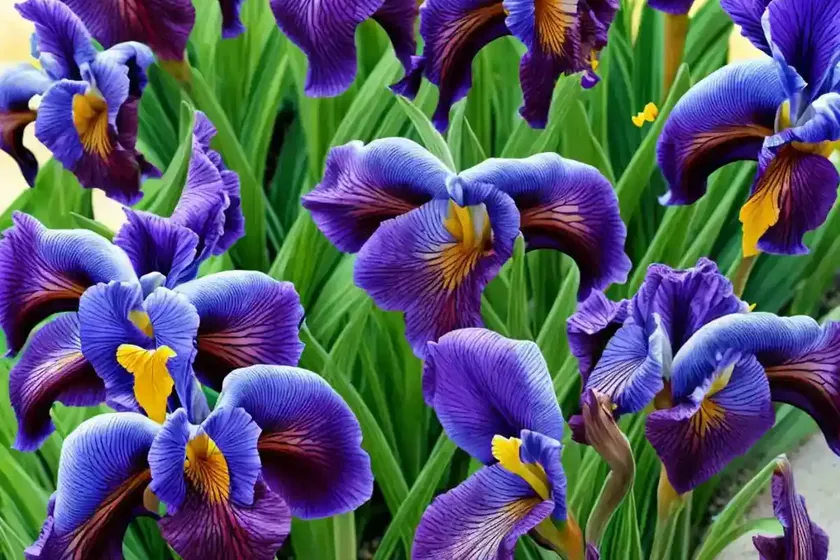
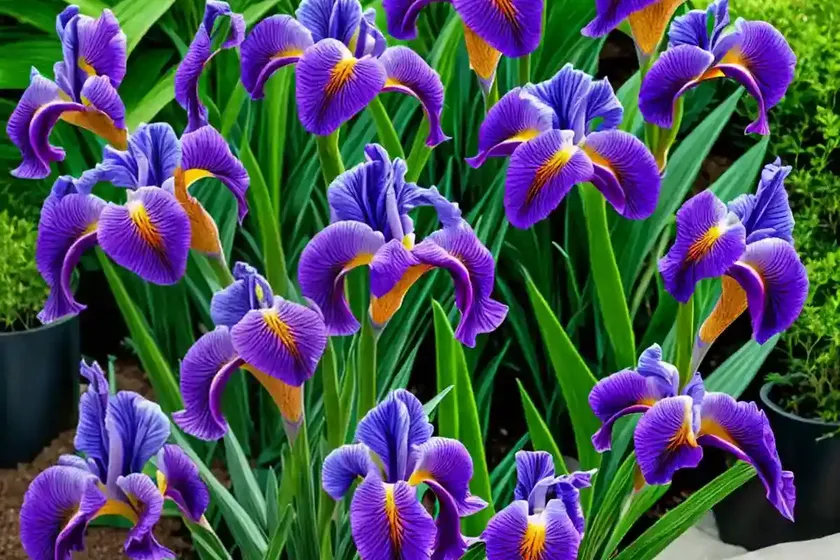
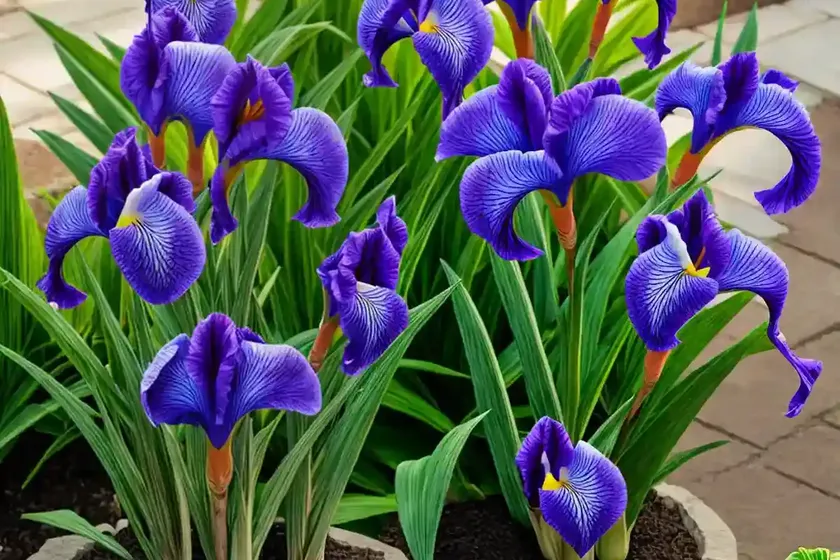
Plant science, also known as botany, is the study of the biology and physiology of plants. It encompasses a broad range of scientific disciplines, including genetics, ecology, and physiology, and explores the growth, development, evolution, and interactions of plants with the environment.
In this blog post, we will delve into the fascinating world of a specific plant— the Iris pseudata ‘Yarai’. This distinctive and charming plant belongs to the Iris family, and we will explore its key characteristics, best cultivation practices, and its role in landscaping and gardening.
Plant Name: Iris pseudata ‘Yarai’
The Iris pseudata ‘Yarai’ is a striking species known for its vibrant and attractive flowers, making it a popular choice for ornamental gardens and landscaping. This plant is held in high regard by enthusiasts due to its unique characteristics and adaptability. As plant scientists, it is important to understand every aspect of this plant to ensure its successful growth and maintenance.
In this comprehensive guide, we will provide insights into the cultivation, maintenance, and the ecological significance of the Iris pseudata ‘Yarai’.
Key Takeaways
- Scientific Name: Iris pseudata ‘Yarai’
- Care Level: Moderate
- Plant Type: Perennial
- Mature Size: 15-20 inches tall and 12-18 inches wide
- Sun Exposure: Full sun to partial shade
- Soil Type: Well-drained, fertile soil
- Flower Color: Violet, lavender, and purple
- Bloom Time: Late spring to early summer
- Native Range: Japan
- Uses: Ornamental gardens, landscaping, and cut flower arrangements
In the following sections, we will delve into the various aspects of the Iris pseudata ‘Yarai’, including its cultural requirements, propagation techniques, common diseases, and much more. Whether you are a seasoned gardener or a beginner, this guide will equip you with the knowledge and skills to cultivate and care for this enchanting plant.
Water
The Iris pseudata ‘Yarai’ thrives in moist, well-draining soil. During the active growing season, it is essential to maintain consistent soil moisture to support healthy growth and flower production. However, excessive waterlogging should be avoided, as it can lead to root rot and other complications.
Watering Tips:
– Frequency: Water deeply once a week, ensuring that the soil is moist but not waterlogged.
– Mulching: Apply a layer of organic mulch around the base of the plant to retain soil moisture and suppress weed growth.
– Drought Tolerance: While this species appreciates regular moisture, it exhibits a degree of drought tolerance once established. However, it is advisable to provide supplementary watering during prolonged dry spells.
Sunlight
Sun Requirements
The Iris pseudata ‘Yarai’ flourishes in full sun to partial shade, making it a versatile plant suitable for various garden settings. When planted in full sun, it often exhibits optimal flowering and vigorous growth. However, it can also adapt to partial shade, particularly in regions with intense sun exposure.
Sunlight Guidelines:
– Full Sun: Provide at least 6-8 hours of direct sunlight daily for the best blooming and overall performance.
– Partial Shade: In hot climates, offering some protection from the harsh afternoon sun can help prevent foliage scorching and promote lush growth.
Fertilizer
Feeding the Iris pseudata ‘Yarai’ with balanced, slow-release fertilizers aids in maintaining robust growth and promoting abundant blooms. As with most plants, proper fertilization is crucial for the overall health and vitality of this species.
Fertilization Tips:
– Timing: Apply a balanced fertilizer in early spring as new growth emerges, then again in mid-summer to support flowering and encourage healthy foliage.
– Formulation: A general-purpose, granular fertilizer with a balanced N-P-K ratio, such as 10-10-10, is suitable for this plant.
– Application Method: Scatter the fertilizer evenly around the base of the plant, then gently incorporate it into the soil surface.
The Iris pseudata ‘Yarai’ thrives in well-drained, fertile soil. The ideal soil composition for this species should offer good aeration and water retention while preventing waterlogging. A slightly acidic to neutral pH range is generally recommended for optimal nutrient uptake and overall plant health.
Soil Guidelines:
– Composition: A blend of loamy soil enriched with organic matter is well-suited for this plant. The addition of compost or well-rotted manure enhances soil fertility and structure.
– Drainage: Ensure that the soil has good drainage to prevent water accumulation around the plant’s roots.
– pH Level: Aim for a pH range between 6.0 to 7.0 for the best results.
Pruning is an essential aspect of Iris pseudata ‘Yarai’ maintenance. Proper pruning not only enhances the plant’s appearance but also encourages vigorous growth and prolonged blooming. Deadheading spent flowers and removing old or withered foliage are key aspects of pruning this plant.
Pruning Techniques:
– Deadheading: Regularly remove faded flowers to prevent seed formation and promote continuous blooming.
– Foliage Maintenance: Trim back any discolored or damaged foliage to maintain a neat and healthy appearance.
– Dividing: Every 3-4 years, divide overcrowded clumps to rejuvenate the plant and maintain its vigor.
Propagating the Iris pseudata ‘Yarai’ allows for the cultivation of new plants and the expansion of existing clumps. This species can be propagated by division, a relatively straightforward method that ensures genetic uniformity and preserves the desirable traits of the parent plant.
Propagation Steps:
1. Division: In late summer or early autumn, carefully dig up the plant clump and use a sharp, sterile knife to divide it into smaller sections, ensuring that each division has healthy roots and foliage.
2. Replanting: Plant the divisions in prepared soil, water thoroughly, and provide the necessary care to promote establishment and new growth.
The Iris pseudata ‘Yarai’ is well-suited for container gardening, offering an opportunity to showcase its elegant blooms and vibrant foliage in a confined space. When grown in containers, this plant can be positioned strategically on patios, balconies, or other outdoor areas, adding beauty and charm to the environment.
Container Gardening Tips:
– Container Selection: Choose a spacious container with adequate drainage holes to accommodate the plant’s root system and promote good air circulation.
– Potting Mix: Utilize a premium quality potting mix enriched with perlite or vermiculite to ensure proper drainage and root health.
– Maintenance: Monitor soil moisture levels regularly, and water as needed to keep the soil consistently moist but not waterlogged.
Like all plants, the Iris pseudata ‘Yarai’ is susceptible to certain diseases, although it is generally considered to be relatively resistant when provided with appropriate growing conditions and care.
Common Diseases:
1. Rhizome Rot: Prolonged waterlogging or excessively wet soil can lead to rhizome rot, characterized by dark, mushy areas on the rhizomes. Improving soil drainage and avoiding overwatering can help prevent this condition.
2. Leaf Spot: Fungal leaf spot diseases can occur, causing dark or discolored lesions on the foliage. Ensure good air circulation and consider fungicidal treatments if necessary.
3. Soft Rot: Bacterial soft rot may occur in waterlogged or overly moist soil, leading to decay and deterioration of the rhizomes. Implementing proper watering practices and maintaining soil drainage is essential in minimizing this risk.
Disease Diagnosis
Early detection and accurate diagnosis of plant diseases are crucial for implementing effective management strategies and preventing the spread of infections.
Diagnosis Techniques:
– Visual Inspection: Regularly inspect the plant for any signs of abnormal growth, discoloration, or lesions on the foliage and rhizomes.
– Laboratory Analysis: In cases of suspected disease, consider sending samples to a diagnostic laboratory for comprehensive testing and identification of the causal agent.
Although the Iris pseudata ‘Yarai’ is generally resistant to pest infestations, certain insects and pests may occasionally pose a threat to its health and vigor.
Common Pests:
1. Aphids: These small, sap-sucking insects can congregate on new growth and flower buds, causing distortion and stunted growth. Control measures such as insecticidal soap or horticultural oil can be effective in managing aphid populations.
2. Thrips: Thrips are tiny, slender insects that may feed on flower petals, resulting in discoloration and damage. Regular monitoring and the application of insecticidal treatments can aid in thrips management.
3. Slugs and Snails: These mollusks can feed on the tender foliage and flowers of the Iris pseudata ‘Yarai’, leading to unsightly damage. Physical barriers and slug baits are commonly used to deter these pests.
Botanist’s Tips
As botanists, our aim is to promote the health and vitality of plants while enhancing the natural beauty of the environment. When it comes to cultivating the Iris pseudata ‘Yarai’, consider the following expert tips for successful growth and long-lasting beauty:
- Diversity in Landscaping: Incorporate the Iris pseudata ‘Yarai’ into diverse landscaping designs, such as perennial borders, mixed flower beds, and water gardens, to create visual interest and attract beneficial wildlife.
- Companion Planting: Pair the Iris pseudata ‘Yarai’ with other compatible perennials and flowering plants, such as daylilies, coneflowers, and ornamental grasses, to create harmonious and visually appealing garden compositions.
- Winter Protection: In regions with cold winters, provide adequate winter protection by applying a layer of mulch around the base of the plant to insulate the roots and protect against temperature fluctuations.
- The name “Iris” is derived from the Greek word for rainbow, highlighting the diverse range of flower colors found within the genus.
- Iris pseudata ‘Yarai’ is known for its exquisite flowers, which feature intricate patterns and striking color combinations, making it a favorite among gardening enthusiasts.
As we continue our exploration of the Iris pseudata ‘Yarai’, it becomes evident that this charming plant possesses not only aesthetic appeal but also considerable ecological and horticultural significance. Our commitment as plant scientists is to share knowledge, foster appreciation for plant diversity, and promote the sustainable cultivation of ornamental species such as the Iris pseudata ‘Yarai’.
To further enrich your understanding of the Iris pseudata ‘Yarai’ and delve into specific aspects of its cultivation and maintenance, we recommend exploring the following external resources:
- American Iris Society – An authoritative source for information on iris species and their cultivation.
- Royal Horticultural Society – Offers valuable insights into plant care, gardening techniques, and horticultural practices.
- Missouri Botanical Garden – Provides comprehensive plant information, including detailed profiles of ornamental and garden plants.


