Iris Prismatica (Slender Blue Iris)
Iris prismatica, commonly known as Slender Blue Iris, is a captivating perennial plant celebrated for its stunning blooms, elegant foliage, and adaptable.

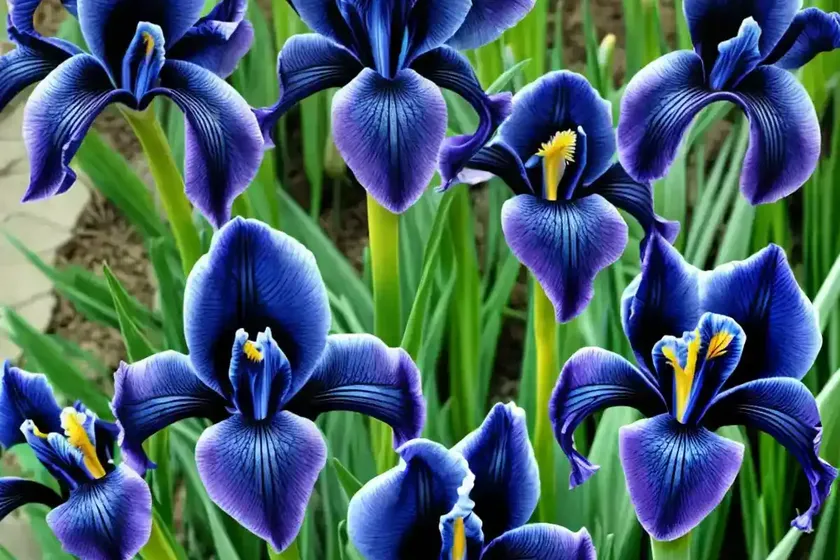
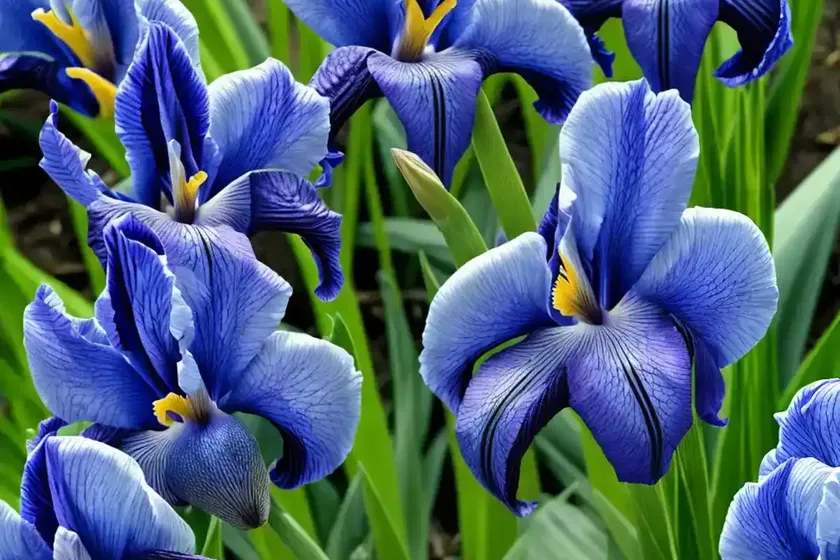
Iris prismatica, commonly known as Slender Blue Iris, is a captivating perennial plant celebrated for its stunning blooms, elegant foliage, and adaptable nature. Found in wetland habitats and garden landscapes alike, this iris species offers not only visual appeal but also ecological benefits. In this comprehensive guide, we will delve into the world of Iris prismatica, exploring its cultural needs, uses, and maintenance requirements. Whether you are a novice gardener or a seasoned horticulturist, this guide aims to equip you with the knowledge and skills necessary for successfully cultivating and caring for this enchanting plant.
What is Iris prismatica (Slender Blue Iris)?
Iris prismatica, a member of the Iridaceae family, is a native North American iris species that thrives in wetland environments, meadows, and woodland edges. This magnificent iris is characterized by its slender, sword-shaped leaves and striking blue to violet blooms, which emerge atop sturdy stems in late spring to early summer. The delicate intricacy of its flowers and the graceful arching form of its foliage make Iris prismatica a sought-after ornamental plant in both natural and cultivated landscapes.
Key Takeaways – Iris prismatica (Slender Blue Iris)
Culture
- Iris prismatica thrives in wetland gardens, borders, and landscape designs with moist to wet soil conditions.
- It exhibits remarkable adaptability to different light intensities, making it suitable for both partial shade and full sun environments.
- With its vigorous growth habit, Iris prismatica is a valuable addition to erosion control and restoration projects in wetland areas.
Uses
- As the name suggests, this iris species is primarily employed for ornamental purposes, enhancing the aesthetic appeal of gardens, parks, and natural habitats.
- Its rhizomatous growth habit allows it to serve as a ground cover, contributing to soil stabilization and erosion prevention in wetland landscapes.
- Due to its wildlife-attracting properties, Iris prismatica is an excellent choice for wildlife gardens and conservation efforts.
It’s essential to understand the specific care requirements and cultivation techniques to ensure the success of Iris prismatica in various settings. Let’s delve deeper into the essential facets of caring for this captivating plant.
Cultivation of Iris prismatica
In order to cultivate Iris prismatica successfully, it’s crucial to consider several key factors, including water, sunlight, soil, fertilizer, and pruning. Additionally, understanding propagation methods, container gardening, and common diseases and pests will contribute to the overall vitality and longevity of this remarkable iris species.
Water
Iris prismatica, being fond of moist to wet conditions, requires consistent, moderate moisture levels, making it a favorable choice for rain gardens, wetland habitats, and areas with consistently damp soil. Ensure that the soil is well-drained and doesn’t become waterlogged, as excessive moisture retention can lead to root rot and other associated problems.
Sunlight
This iris species displays adaptability to varying light conditions, thriving in both partial shade and full sun environments. However, it generally blooms more prolifically in full sun, so consider providing at least six hours of direct sunlight for optimal flowering and overall growth.
Fertilizer
When it comes to fertilization, Iris prismatica doesn’t demand excessive nutrient inputs. A balanced, slow-release fertilizer applied in early spring, when the plant is actively growing, can support its development and flowering. Avoid over-fertilizing, as this may lead to excessive foliage growth at the expense of blooms.
Soil
Iris prismatica flourishes in moist to wet, humus-rich soil with a slightly acidic to neutral pH (between 6.0 and 7.0). It thrives in soil that retains moisture without becoming waterlogged, an ideal characteristic for wetland and rain garden designs.
Pruning
Pruning requirements for Iris prismatica are minimal, primarily involving the removal of spent flower stalks and any damaged or diseased foliage. This promotes a tidy appearance and prevents the plant from expending energy on seed production.
Propagation
This iris species can be propagated through rhizome division, which is best carried out in late summer or early autumn. Separate healthy rhizomes and replant them in suitable locations, taking care to provide adequate moisture as the new plants establish themselves.
Container Popularity
Given its adaptability to moist conditions, Iris prismatica can thrive in containers, making it an excellent choice for water gardens and potted plant arrangements. When grown in containers, ensure that they have sufficient drainage to prevent waterlogging.
Common Diseases and Pests
Iris prismatica is generally resilient against major disease issues when provided with suitable cultural conditions. Nonetheless, it may occasionally face challenges such as bacterial soft rot, fungal leaf spot, and iris borer infestations. Vigilance in monitoring the plants, maintaining good air circulation, and practicing proper sanitation can help mitigate these potential problems.
Disease Diagnosis
If yellowing, spotting, or wilting of foliage occurs, it’s essential to investigate the potential causes, including infectious diseases, and take appropriate measures such as adjusting watering practices or applying targeted treatments.
Common Pests
The iris borer (Macronoctua onusta) is a common pest that affects various iris species, including Iris prismatica. The larvae of this moth species bore into the rhizomes, causing significant damage. Regular inspection and prompt removal of infested plant material are crucial for managing this pest.
Botanist’s Tips
- Plant Iris prismatica in groups or clusters to create stunning visual impact and maximize its ornamental appeal in the garden or landscape setting.
- Consider companion plants that thrive in similar soil and moisture conditions, such as other wetland-loving species like Lobelia cardinalis (cardinal flower) and Juncus effusus (soft rush).
- Deadhead faded blooms to promote continuous flowering and prevent the plant from expending energy on seed production.
Fun Facts
- Iris prismatica is a favorite nectar source for pollinators, including bees, butterflies, and hummingbirds, contributing to the biodiversity and ecological balance in its growing environment.
- Its slender, graceful form and distinctive flowers make Iris prismatica a popular choice for floral design and cut flower arrangements. Incorporating them into bouquets and displays adds a touch of elegance and natural charm.
Links to External Resources
As you embark on your journey of cultivating and caring for Iris prismatica, here are some valuable resources to further expand your knowledge and expertise:
- The American Iris Society
- Royal Horticultural Society – Growing Irises
- University of Florida IFAS Extension – Iris Diseases and Insect Pests
Iris prismatica, with its enchanting blooms, graceful presence, and ecological benefits, epitomizes the inherent beauty and resilience of native plants. By understanding and fulfilling its cultural requirements, you can create captivating displays and contribute to the conservation and enhancement of wetland ecosystems. Whether you embrace Iris prismatica in a garden, naturalized setting, or ecological restoration project, its enduring charm and adaptability are certain to leave a lasting impression on all who encounter it.


