Iris Pallida ‘Variegata’ (Dalmatian Iris)
Plants have the incredible ability to bring joy and beauty to our surroundings. Among the numerous fascinating plants that grace our gardens, the Iris.
Introduction
Plants have the incredible ability to bring joy and beauty to our surroundings. Among the numerous fascinating plants that grace our gardens, the Iris pallida ‘Variegata’ stands out with its captivating appearance and unique qualities. In this blog post, we will delve into the world of Iris pallida ‘Variegata’ – commonly known as Dalmatian Iris – to uncover the secrets of its cultivation, characteristics, and various uses.
What is Iris pallida ‘Variegata’ (Dalmatian Iris)?
Description
The Iris pallida ‘Variegata’ is a striking perennial plant that belongs to the genus Iris and the Iridaceae family. It is renowned for its exquisite blooms, characterized by vibrant hues and intricate patterns that enchant anyone who beholds them.
Morphological Features
The Dalmatian Iris boasts elegant, sword-shaped leaves that emanate from the rhizomes, forming a lush, grass-like mound. The distinct variegation of the foliage, with its creamy-yellow stripes contrasting against the deep green base, adds a remarkable visual appeal to this plant.
Inflorescence
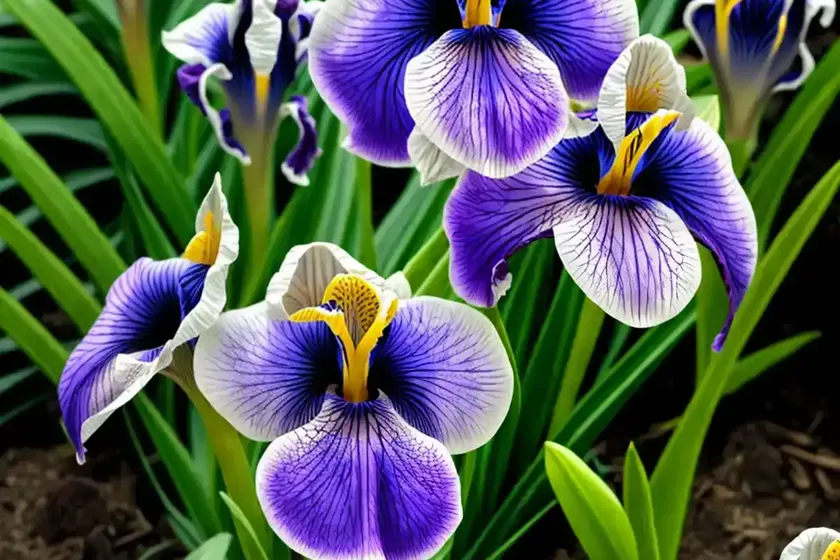
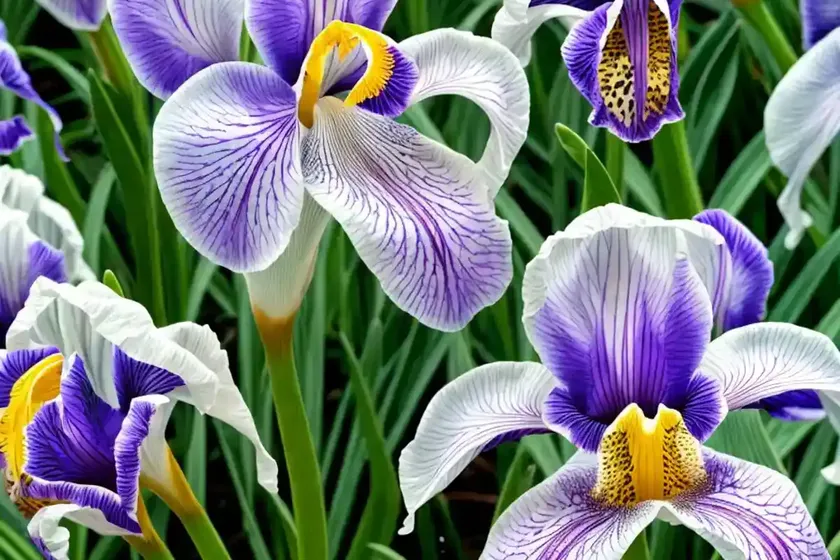
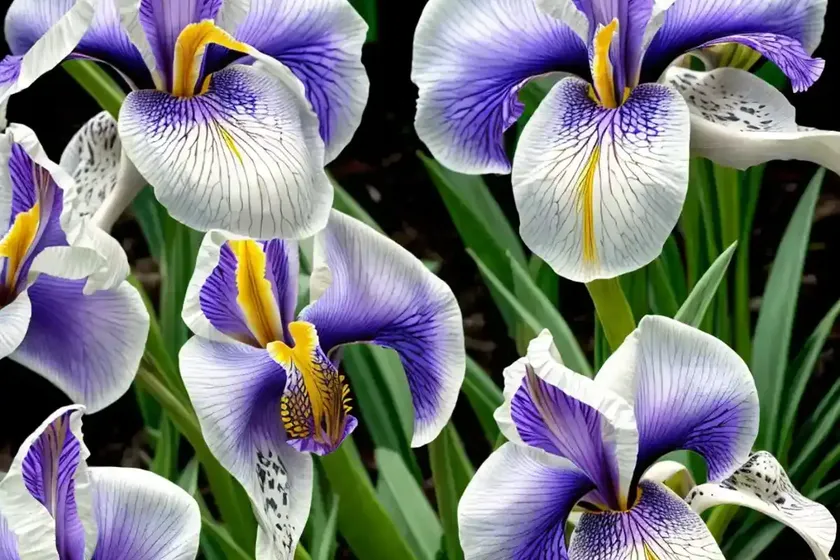
The show-stopping feature of the Iris pallida ‘Variegata’ is undoubtedly its flowers. The blooms, which emerge atop tall and slender stems, display hues of deep lavender or violet-blue, punctuated by intricate veining and a unique fragrance that enhances their allure.
Growing Habit
This iris variety demonstrates a clump-forming growth habit, gradually spreading its rhizomatous roots to form expansive, eye-catching displays in suitable environments.
Key Takeaways – Iris pallida ‘Variegata’ (Dalmatian Iris)
Before delving into the specific aspects of cultivating and caring for the Iris pallida ‘Variegata’, it’s essential to understand some key takeaways about this captivating plant.
Cultivation
- Requires well-draining soil to prevent waterlogging of the roots.
- Thrives in full sunlight but can tolerate partial shade.
- Demonstrates moderate water needs, preferring slightly moist conditions rather than excessively dry or waterlogged soil.
- Adaptable to various soil types but performs best in fertile, loamy soil.
Characteristics
- Showcases elegant, variegated foliage that adds ornamental value to landscapes.
- Bears captivating, fragrant flowers that attract pollinators and captivate garden enthusiasts.
- Exhibits a clumping growth habit, gradually expanding its presence through rhizomatous roots.
Uses
- Serves as an enchanting addition to gardens, borders, and containers.
- Contributes to biodiversity by attracting pollinators and serving as a habitat for beneficial wildlife.
- Adds aesthetic appeal to landscapes with its striking foliage and charming blooms.
Culture
Water
The Iris pallida ‘Variegata’ has moderate water needs and thrives in slightly moist soil. While it appreciates consistent moisture, it is crucial to avoid overwatering, which can lead to rotting of the rhizomes. Adequate drainage is vital to prevent waterlogging, especially during the winter months. Maintaining soil moisture without creating waterlogged conditions is essential to the plant’s health and vigor.
Sunlight
This elegant iris variety flourishes in full sunlight, where it can bask in the radiant warmth to produce vibrant blooms and maintain the variegation of its foliage. However, it can also tolerate partial shade, making it a versatile option for various garden settings.
Fertilizer
To promote vigorous growth and prolific blooming, it is beneficial to provide a balanced fertilizer to the Iris pallida ‘Variegata’ during the growing season. A slow-release, all-purpose fertilizer applied in early spring can supply the necessary nutrients to support the plant’s development and enhance its ornamental features.
Soil
The Dalmatian Iris appreciates well-draining, fertile soil that allows the rhizomes to establish without the risk of waterlogging. Loamy soil with a slightly acidic to neutral pH range provides an ideal growing medium for this iris variety. Additionally, incorporating organic matter into the soil can improve its structure and fertility, fostering optimal growth and development.
Pruning
Deadheading
After the Iris pallida ‘Variegata’ has finished blooming, deadheading the spent flowers is recommended to encourage the plant to channel its energy into its vegetative growth and rhizome development. This practice also enhances the plant’s overall appearance by preventing the formation of seed pods and promoting a tidy, manicured aesthetic.
Leaf Maintenance
Trimming any damaged or withered leaves can help maintain the plant’s visual appeal and overall health. This can be performed as needed throughout the growing season to keep the foliage in optimal condition.
Propagation
Division
One of the most common methods of propagating the Iris pallida ‘Variegata’ is through division. This process involves separating the rhizomes into sections, each containing viable buds, to establish new plants. Division is typically conducted after the flowering season, in late summer or early autumn, to ensure successful establishment and subsequent growth.
Seeds
While the Iris pallida ‘Variegata’ can be grown from seeds, this method may require more time and patience due to the gradual nature of seed germination and subsequent seedling development. However, for those seeking to propagate this iris variety from seeds, it is essential to provide the optimal conditions for successful germination and subsequent growth.
Container Popularity
The Iris pallida ‘Variegata’ is a popular choice for container gardening, offering an enchanting and versatile option for adorning outdoor spaces, patios, and balconies. Its clump-forming growth habit and elegant foliage make it an attractive addition to container displays, where it can serve as a focal point or complement other ornamental plants. The vibrant blooms and distinctive variegation of its leaves add an artistic flair to container gardens, making it a sought-after choice for horticultural enthusiasts.
Common Diseases
Disease Diagnosis
While the Iris pallida ‘Variegata’ is generally resilient and resistant to many diseases, it can occasionally fall prey to certain fungal infections such as leaf spot or iris rhizome rot. These diseases can manifest as discolored or spotted foliage, withering or rotting rhizomes, and diminished overall vigor. Early diagnosis and prompt intervention are crucial to mitigate the impact of these diseases and safeguard the health of the plant.
Prevention and Management
To prevent diseases from affecting the Dalmatian Iris, it is essential to maintain good air circulation around the plants, avoid overwatering, and ensure proper sanitation practices. Additionally, applying fungicidal treatments as a preventive measure can further protect the plant from potential infections. Proper cultural practices, including adequate spacing, regular inspection for signs of disease, and prompt removal of affected plant parts, can contribute to the overall health and resilience of the Iris pallida ‘Variegata’.
Common Pests
Insect Pests
While the Iris pallida ‘Variegata’ is generally resistant to many pests, it can be susceptible to attacks from iris borers and aphids. These pests can cause damage to the foliage and weaken the overall vigor of the plant if left unchecked. Vigilance and early detection are crucial in managing pest infestations and preventing significant damage to the Dalmatian Iris.
Pest Control Measures
Implementing cultural practices such as keeping the growing area free of debris and practicing good sanitation can help eliminate potential habitats for pests. Additionally, applying horticultural oils or insecticidal treatments as needed can effectively manage pest populations and mitigate their impact on the Iris pallida ‘Variegata’ without compromising the health of the plant or the surrounding ecosystem.
Botanist’s Tips
Enhancing Variegation
To accentuate the variegation of the Iris pallida ‘Variegata’, providing ample sunlight is crucial. The interplay of light and shade can intensify the contrast between the creamy-yellow stripes and the deep green base of the leaves, creating a visually striking display.
Companion Planting
Complementing the Dalmatian Iris with other ornamental plants that share similar cultural requirements and aesthetic appeal can create harmonious and visually captivating landscapes. Selecting companion plants with contrasting textures and complementary colors can enhance the overall visual impact of garden beds and borders.
Fun Facts
- The species name “pallida” is derived from the Latin word for “pale”, a reference to the subtle, ethereal hues of the flowers.
- Iris pallida ‘Variegata’ has been cultivated for centuries for its ornamental value and historical significance in gardens and landscapes.
- The flower petals of the Iris pallida ‘Variegata’ are known for their delicate fragrance, adding an olfactory dimension to their already enchanting allure.
Links to External Resources
To further explore the world of Iris pallida ‘Variegata’ and gain in-depth insights into its cultivation, characteristics, and uses, consider accessing the following external resources:
- Royal Horticultural Society: Growing Irises
- American Iris Society
- The Plant List: Iris pallida ‘Variegata’
In conclusion, the Iris pallida ‘Variegata’ (Dalmatian Iris) stands as a captivating embodiment of natural beauty, offering a harmonious blend of ornamental foliage and exquisite blooms. Its cultural versatility, striking appearance, and resilience make it a favored choice for gardens, landscapes, and container displays. By understanding and embracing the unique characteristics and cultivation requirements of this captivating iris variety, horticultural enthusiasts can unlock the potential of the Iris pallida ‘Variegata’ and elevate the allure of their outdoor spaces.


