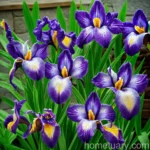
Iris (Iris graminea): A Comprehensive Guide
Iris is a genus of around 300 species of flowering plants with showy flowers. The iris (Iris graminea) is a particularly intriguing species known for its delicate blooms and unique characteristics. In this comprehensive guide, we will delve into the various aspects of Iris graminea, including its characteristics, care tips, growing conditions, uses, and much more.
What is Iris graminea?
Iris graminea is a species of flowering plant in the family Iridaceae, native to the Balkans and Turkey. Commonly known as the grass-leaved iris, this perennial plant is cherished for its charming, pale lilac flowers with delicate veining and a unique fragrance.
Iris graminea Characteristics
- Flower: The flowers of Iris graminea are small, typically 5-6 cm in diameter, and are adorned with a subtle lilac hue.
- Foliage: Its slender, grass-like foliage adds an ethereal quality to the plant’s overall appearance.
- Fragrance: One of the distinctive features of Iris graminea is its pleasant fragrance, which adds to the allure of the plant.
Key Takeaways – Iris graminea
- Scientific Name: Iris graminea
- Common Name: Grass-leaved iris
- Family: Iridaceae
- Native: Balkans and Turkey
- Characteristics: Lilac flowers, grass-like foliage, fragrant
Now that we have an understanding of the basic characteristics of Iris graminea, let’s delve into the essential aspects of caring for this captivating plant.
Culture
Cultivating Iris graminea involves understanding its specific cultural requirements. From its preferences for water and sunlight to its soil and fertilizer needs, providing the right cultural environment is crucial for the plant’s health and vitality.
Uses
Iris graminea serves various purposes, from being an ornamental addition to gardens and landscapes to potential medicinal properties. Understanding the possible uses of the plant can further enhance its appeal.
Water
Watering is a critical aspect of nurturing Iris graminea. Understanding its water requirements and the best practices for watering is essential for maintaining the plant’s health and promoting optimal blooming.
Sunlight
Proper sunlight exposure is crucial for the growth and flowering of Iris graminea. Understanding its sunlight preferences and providing the appropriate light conditions is essential for its overall well-being.
Fertilizer
Fertilizing the soil can significantly impact the growth and flowering of Iris graminea. Knowing the right type of fertilizer and the optimal application methods is essential for providing the plant with essential nutrients.
Soil
Understanding the soil preferences of Iris graminea and ensuring the soil quality is crucial for its growth and development. Tailoring the soil conditions to meet its specific needs is essential for the plant’s overall health.
Pruning
Pruning plays a vital role in maintaining the health and appearance of Iris graminea. Knowing the correct pruning techniques and timing is essential for promoting new growth and preventing disease.
Propagation
Reproducing Iris graminea through propagation methods allows for the expansion of its presence in gardens and landscapes. Understanding the different propagation techniques is essential for successfully propagating the plant.
Container
Growing Iris graminea in containers offers unique opportunities and challenges. Understanding its container requirements and the best practices for container gardening is essential for its success in a container environment.
Popularity
Iris graminea’s popularity stems from its captivating blooms and unique characteristics. Understanding its appeal to gardening enthusiasts and landscape designers can shed light on the plant’s enduring charm.
Common Diseases
Like any other plant, Iris graminea is susceptible to certain diseases. Identifying common diseases and understanding their causes and treatments is crucial for maintaining the plant’s health.
Disease Diagnosis
Accurately diagnosing diseases is crucial for implementing effective treatment strategies. Understanding the signs and symptoms of common diseases is essential for prompt and targeted intervention.
Common Pests
Pests can pose a threat to the well-being of Iris graminea. Identifying common pests and implementing appropriate pest control measures is essential for protecting the plant from potential harm.
Botanist’s Tips
Insights from botanists can offer valuable guidance for cultivating and caring for Iris graminea. Incorporating expert tips can enhance the overall success of growing and maintaining the plant.
Fun Facts
Uncovering intriguing and little-known facts about Iris graminea adds to the fascination of this captivating plant. Exploring its fun facts can deepen our appreciation for its unique qualities.
Now that we have explored the fundamental aspects of Iris graminea, let’s delve into each of these topics in greater detail.
Iris graminea Characteristics
Iris graminea Care Tips
How to Grow Iris graminea
Planting Guide
Maintenance
Growing Conditions for Iris graminea
Iris graminea Varieties
Best Companions for Iris graminea
Iris graminea in Landscaping
Garden Design
Flowering Period
Water Requirements
Sun Exposure
Soil Preferences
Propagation Methods
Pests and Diseases
Pruning Tips
Seasonal Care
Wildlife Attraction
Fragrant Varieties
Color Variations
Medicinal Properties
Folklore and Symbolism
Iris graminea as a Cut Flower
Container Gardening
Naturalizing
Common Mistakes to Avoid
For Beginners
Habitat and Origin
Winter Protection
Hardiness Zones
Landscape Uses
Edible Uses
Water Gardening
Drought Tolerance
Companion Planting
Wildlife Garden Benefits
Attractive Foliage
Unique Features
Native Species
In Wetland Gardens
In Rock Gardens
In Meadow Plantings
Soil Enrichment
Soil pH Requirements
Spring Care
Summer Care
Fall Care
Seasonal Color Changes
Dividing Techniques
External Resources
For more in-depth information on Iris graminea and related topics, consider exploring the following resources:
- Royal Horticultural Society – Iris graminea
- American Iris Society
- Missouri Botanical Garden – Iris graminea
In conclusion, Iris graminea is an alluring and captivating plant that offers a delightful addition to gardens and landscapes. By understanding its unique characteristics and addressing its specific cultural requirements, enthusiasts can cultivate and appreciate the beauty of this remarkable species.
Understanding its uses, growing conditions, and maintenance needs is essential for fostering the health and vitality of Iris graminea. By exploring its appeal in landscaping and uncovering its various cultural aspects, we can gain a deeper appreciation for the charm and allure of this fascinating plant.
I hope this comprehensive guide has provided valuable insights and practical guidance for those seeking to embark on the rewarding journey of cultivating Iris graminea.
Happy gardening!