Iris Ensata ‘Carol Johnson’ (Japanese Iris)
Iris ensata ‘Carol Johnson,’ also known as the Japanese Iris, is a stunning perennial that has captivated gardeners and plant enthusiasts around the world..
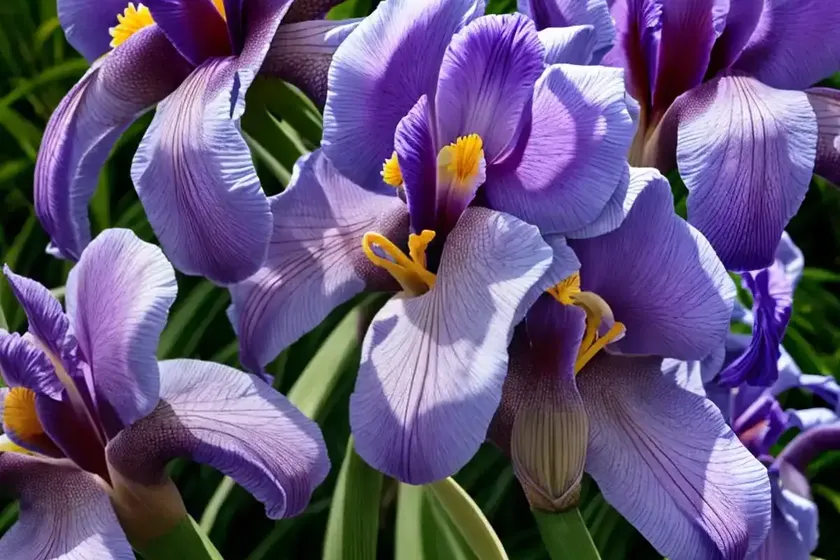
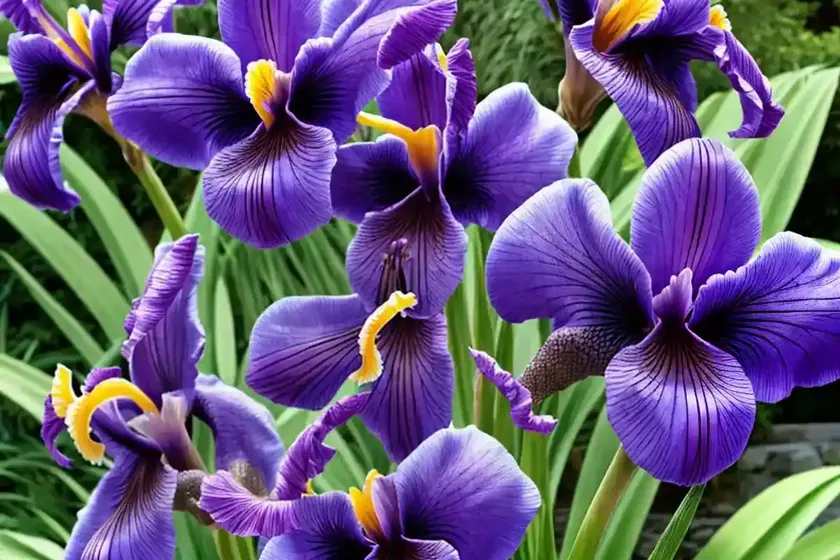
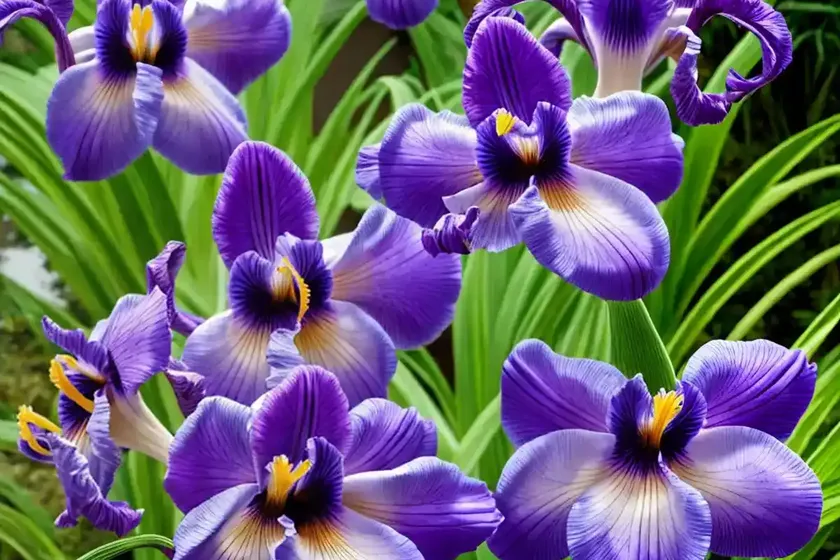
Iris ensata ‘Carol Johnson,’ also known as the Japanese Iris, is a stunning perennial that has captivated gardeners and plant enthusiasts around the world. With its exquisite flowers and unique cultural preferences, this plant has become a favorite in gardens, landscapes, and containers. In this detailed guide, we will explore everything you need to know about the culture, uses, care tips, diseases, and pests that are associated with this extraordinary plant.
What is Iris ensata ‘Carol Johnson’?
Iris ensata ‘Carol Johnson’ is a herbaceous perennial plant that belongs to the family Iridaceae. It is also commonly known as the Japanese Iris and is celebrated for its vibrant and visually striking flowers.
Key Characteristics of Iris ensata ‘Carol Johnson’
Before delving deeper into the various aspects of its care and cultivation, let’s take a look at the key characteristics that make the Japanese Iris so distinctive:
- Striking flowers with a wide range of colors, including shades of white, purple, pink, and blue.
- Tall and elegant upright growth habit, making it an excellent choice for adding vertical interest to garden landscapes.
- Enjoys a relatively long flowering period, typically blooming in late spring to early summer.
- Thrives in moist soil conditions and is often found in naturalistic garden settings, such as alongside ponds or in rain gardens.
- Requires adequate sunlight to promote healthy growth and prolific flowering.
Key Takeaways – Iris ensata ‘Carol Johnson’ (Japanese Iris)
Let’s dive into the specifics of how to best care for and cultivate Iris ensata ‘Carol Johnson.’ From its cultural preferences to common diseases and pests, we will provide you with a comprehensive overview.
Culture
The cultural requirements of Iris ensata ‘Carol Johnson’ lay the foundation for its successful growth and flourishing blooms. Understanding its needs in terms of water, sunlight, soil, and fertilization is essential for cultivating a thriving plant.
Water
Japanese Iris thrives in consistently moist soil, making it an excellent addition to waterside gardens. Adequate irrigation is essential, especially during the growing season, to maintain optimal soil moisture levels.
- Water consistently to keep the soil evenly moist, particularly during periods of prolonged dry weather.
- Avoid waterlogging the soil, as excessive moisture can lead to root rot and other related issues.
Sunlight
Proper sunlight exposure is crucial for the healthy development of Iris ensata ‘Carol Johnson.’ The following sunlight preferences should be taken into consideration when choosing a planting location:
- Ensure the plant receives at least six hours of sunlight daily for best blooming results.
- If possible, provide partial shade during the hottest part of the day to prevent wilting and sun damage.
Fertilizer
Applying the right type of fertilizer at the appropriate times is essential for promoting robust growth and vibrant blooms in Japanese Irises.
- Use a balanced, slow-release fertilizer to provide essential nutrients without risking overfeeding or burning the plant.
- Apply fertilizer in early spring before active growth begins, and consider a supplemental application after the flowering period to support overall plant health.
Soil
Japanese Irises have specific soil requirements that should be met to ensure their well-being and flourishing appearance.
- Plant in organically rich, slightly acidic soil with good drainage to prevent waterlogging and root suffocation.
- Consider incorporating organic matter, such as compost, into the soil to improve its overall structure and fertility.
Uses
The Japanese Iris serves various practical and aesthetic purposes in garden landscapes, making it a versatile addition to horticultural settings.
- Ideal for planting alongside ponds, streams, or in other water garden features due to its affinity for moist soil conditions.
- Adds vibrant color and vertical interest to perennial borders, mixed plantings, and naturalistic garden designs.
- Well-suited for use in cut flower arrangements, bringing the beauty of its blooms indoors to be enjoyed and admired.
Pruning
Pruning plays a crucial role in maintaining the health and appearance of Iris ensata ‘Carol Johnson,’ allowing for the removal of spent blooms and the promotion of new growth.
- Deadhead faded flowers to encourage the production of additional blooms and prevent the plant from expending energy on seed production.
- Trim back any damaged or discolored foliage to maintain a tidy and attractive appearance while reducing the risk of disease development.
Propagation
The propagation of Japanese Irises can be achieved through several methods, including division, seed sowing, and careful selection of plant offsets.
- Divide established clumps every few years to maintain plant vigor and prevent overcrowding.
- Collect ripe seed capsules and sow them in a prepared seedbed to germinate new plants for future cultivation.
Container Popularity
While Japanese Irises are often planted directly in garden soils, they can also thrive when grown in containers, offering versatility in terms of placement and design.
- Choose a large container that provides ample room for root development and accommodates the plant’s mature size.
- Use a high-quality potting mix with excellent drainage characteristics to ensure the plant’s root system remains healthy and aerated.
Common Diseases
Japanese Irises are susceptible to certain diseases that can impact their overall health and appearance. Understanding these potential issues is essential for proactive management and prevention.
Disease Diagnosis
Being able to identify common diseases that affect Iris ensata ‘Carol Johnson’ is crucial for implementing effective treatment and control measures.
- Look out for symptoms of leaf spot, crown rot, and bacterial soft rot, typically manifested as discolored foliage, wilting, and overall decline in plant vigor.
- Consult with local extension services or horticultural professionals to confirm disease diagnoses and receive tailored recommendations for management.
Common Pests
Several pests pose a threat to the well-being of Japanese Irises and should be monitored closely to prevent infestations and related damage.
- Keep an eye out for iris borer, aphids, and slugs, which can cause significant harm to the plant if left unchecked.
- Consider employing organic or targeted pest control methods to manage pest populations while minimizing negative impacts on beneficial insects and wildlife.
Botanist’s Tips
Harnessing the knowledge and expertise of experienced botanists can offer valuable insights and guidance for cultivating healthy and thriving Japanese Irises. Here are some tips based on botanist recommendations:
- Group Iris ensata ‘Carol Johnson’ with other moisture-loving plants, such as astilbes and ligularias, to create visually cohesive plantings that share similar cultural requirements.
- Mulch around the base of the plant with organic materials to conserve soil moisture, suppress weed growth, and insulate the roots from temperature extremes.
Fun Facts
Delving into the intriguing and captivating aspects of Japanese Irises can reveal a wealth of fascinating and enjoyable information.
- Japanese Iris blooms are often showcased in traditional Ikebana flower arrangements, reflecting the plant’s cultural significance and aesthetic appeal in Japanese arts and traditions.
- Some Japanese Iris cultivars feature variegated foliage, adding further visual interest and dimension to their overall appearance.
Links to External Resources
For further information on Iris ensata ‘Carol Johnson’ and related topics, you may find the following resources to be valuable:
- American Iris Society – www.irises.org
- Royal Horticultural Society – www.rhs.org.uk
- University of Maryland Extension – www.extension.umd.edu
- Missouri Botanical Garden – www.missouribotanicalgarden.org
- North Carolina State University Extension – www.ces.ncsu.edu
Iris ensata ‘Carol Johnson’ exemplifies the beauty and resilience of plant life, offering a captivating glimpse into the world of horticulture and garden design. With the right cultural practices, care, and appreciation for its unique qualities, this Japanese Iris can thrive and bring joy to gardeners and nature enthusiasts alike. Embrace the wonder of Iris ensata ‘Carol Johnson’ and discover the many ways in which it can enrich your gardening endeavors.


