Iris ‘Blue Rhythm’ (Bearded Iris)
Colorful blooms, graceful form, and easy care make Iris ‘Blue Rhythm’ a favorite among gardeners. This stunning perennial plant adds elegance to any.
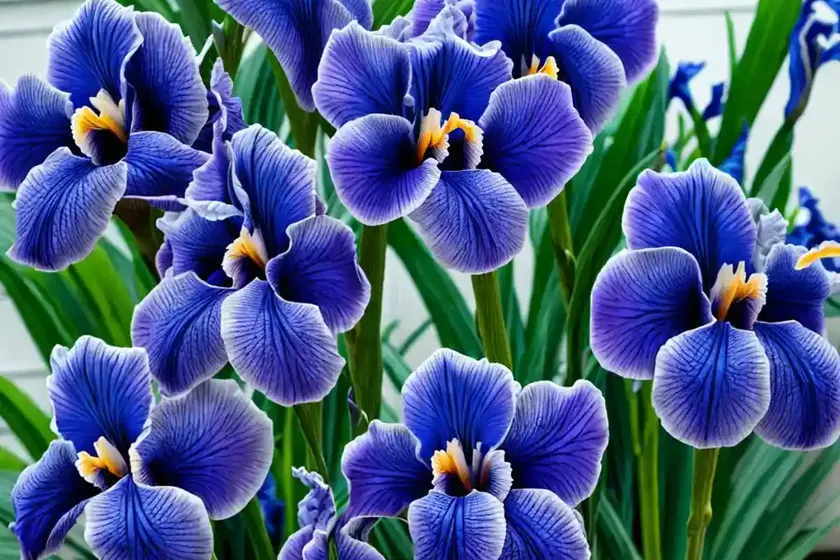
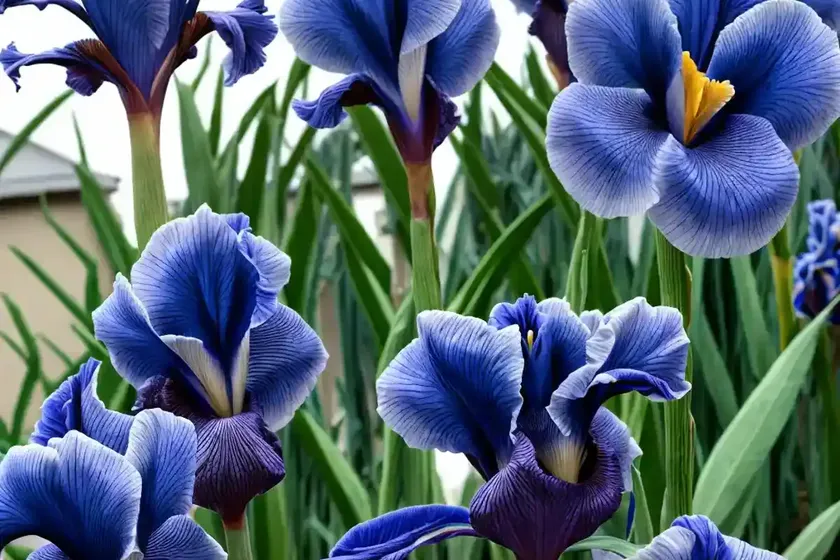
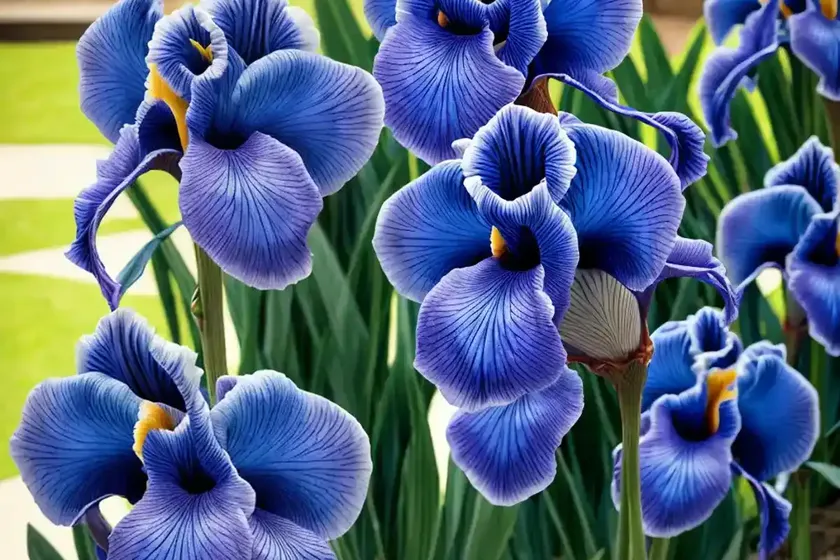
Colorful blooms, graceful form, and easy care make Iris ‘Blue Rhythm’ a favorite among gardeners. This stunning perennial plant adds elegance to any landscape and can be enjoyed in various growing conditions. In this blog post, we’ll dive into the captivating world of Iris ‘Blue Rhythm’ (Bearded Iris), exploring its culture, uses, care, and everything in between. Join me as we unravel the beauty and intricacies of this beloved plant.
What is Iris ‘Blue Rhythm’ (Bearded Iris)?
Iris ‘Blue Rhythm’ belongs to the Bearded Iris group, which is renowned for its striking flowers and robust nature. This perennial plant is characterized by its vibrant blooms, wide, sword-shaped leaves, and its ability to thrive in diverse climates. Bearded Iris are known for their “beards” – fuzzy, colorful structures found on the lower petals of the flower. The captivating flowers of Iris ‘Blue Rhythm’ come in a mesmerizing blend of blue and purple hues, creating a visual spectacle in any garden or landscape.
Let’s embark on a journey to uncover the various facets of Iris ‘Blue Rhythm,’ from its culture and care to its significance in gardens and natural habitats.
Key Takeaways – Iris ‘Blue Rhythm’ (Bearded Iris)
Before we delve deeper into the world of Iris ‘Blue Rhythm’, let’s take a glance at some key takeaways that will guide us through this exploration. From its culture and uses to its maintenance and propagation, understanding these key points will provide a comprehensive overview of this captivating plant.
Culture
- Iris ‘Blue Rhythm’ thrives in a variety of climates, making it a versatile and adaptable plant for many regions.
- Its elegant, showy flowers and striking foliage make it a popular choice among gardeners and landscape designers.
- The plant’s cultural aspects encompass its planting requirements, blooming season, watering needs, and sunlight preferences.
Uses
- Iris ‘Blue Rhythm’ serves as an ornamental plant, adding aesthetic value to gardens, landscapes, and floral arrangements.
- It can be utilized in various garden designs, including border plantings, perennial beds, and container gardening, due to its visual appeal and adaptability.
Water
- Adequate and consistent watering is essential for the healthy growth and flowering of Iris ‘Blue Rhythm.’
- Understanding the plant’s water requirements will ensure its vigor and vitality throughout the growing season.
Sunlight
- Iris ‘Blue Rhythm’ exhibits specific requirements for sunlight, necessitating an understanding of its preferences for optimal growth and blooming.
Fertilizer
- Fertilizing practices play a crucial role in enhancing the plant’s health and promoting prolific blooming, making it essential to comprehend its fertilization needs.
Soil
- The selection of the best soil for Iris ‘Blue Rhythm’ is fundamental to its well-being, encompassing aspects such as drainage, pH levels, and nutrient content.
Pruning
- Pruning practices are integral for maintaining the plant’s vigor, controlling its growth, and rejuvenating its flowering potential.
Propagation
- Understanding the methods of propagation empowers gardeners to expand their Iris ‘Blue Rhythm’ collection and share the beauty of this plant with others.
Container Popularity
- Iris ‘Blue Rhythm’ can thrive in containers, making it a popular choice for patio gardens and small-space landscaping.
Common Diseases
- Identifying and addressing potential diseases is crucial for protecting and preserving the health of Iris ‘Blue Rhythm’.
Disease Diagnosis
- Familiarity with common diseases and their symptoms enables gardeners to diagnose and treat issues effectively, safeguarding the plant’s well-being.
Common Pests
- Being aware of potential pests and their impact on Iris ‘Blue Rhythm’ is essential for implementing preventive measures and minimizing damage.
Botanist’s Tips
- Insights from botanists and experienced gardeners provide valuable guidance for cultivating and caring for Iris ‘Blue Rhythm’.
Fun Facts
- Exploring interesting and lesser-known facts about Iris ‘Blue Rhythm’ adds a delightful dimension to our understanding of this enchanting plant.
Links to External Resources
- Discovering reliable and informative resources enriches our knowledge and fosters a deeper appreciation for Iris ‘Blue Rhythm’.
Now that we have an outline of the essential aspects we’ll be covering, let’s embark on an in-depth exploration of Iris ‘Blue Rhythm,’ unpacking its enchanting features and the best practices for nurturing this beloved plant.
Iris ‘Blue Rhythm’ (Bearded Iris) Culture
Understanding the cultural requirements of Iris ‘Blue Rhythm’ forms the foundation for successful growth and abundant flowering. From the best planting practices to its recommended soil and watering needs, here’s a comprehensive look at the plant’s culture.
Planting Tips
When cultivating Iris ‘Blue Rhythm’, it’s crucial to consider the following planting tips for optimal growth and flowering:
- Select a well-draining location with fertile soil for planting Iris ‘Blue Rhythm’ rhizomes. Most iris varieties, including ‘Blue Rhythm’, thrive in full sun.
- Ensure that the rhizomes are planted just below the soil surface, allowing them to receive ample sunlight and promoting healthy growth.
Best Soil for Iris ‘Blue Rhythm’
Iris ‘Blue Rhythm’ thrives in well-draining, loamy soil with adequate fertility. The ideal soil for this bearded iris variety features the following characteristics:
- Well-draining: To prevent waterlogging and root rot, the soil should offer good drainage, allowing excess moisture to flow away from the roots.
- Fertile: Rich in organic matter and essential nutrients, the soil should provide a nourishing environment for the rhizomes to establish and flourish.
- pH Level: Iris ‘Blue Rhythm’ prefers a slightly acidic to neutral soil pH, typically ranging from 6.0 to 7.0.
By selecting the best soil and planting location, gardeners can provide a conducive environment for Iris ‘Blue Rhythm’ to thrive and display its captivating blooms.
Watering Iris ‘Blue Rhythm’
A consistent and adequate water supply is crucial for the health and flowering of Iris ‘Blue Rhythm’. Understanding the watering needs and best practices is essential for nurturing this plant:
- Water thoroughly after planting to establish the rhizomes, ensuring that the soil remains consistently moist but not waterlogged.
- During the growing season, regular watering is essential, particularly in periods of prolonged dryness, to support the plant’s vigor and flowering.
By maintaining an appropriate watering regimen, gardeners can ensure the optimal health and blooming of Iris ‘Blue Rhythm’ throughout the growing season.
Iris ‘Blue Rhythm’ Sunlight Requirements
Iris ‘Blue Rhythm’ thrives in full sun, requiring approximately 6 to 8 hours of direct sunlight daily. Meeting its sunlight requirements is essential for promoting robust growth and prolific flowering:
- Select a planting location that receives ample sunlight, providing the necessary energy for the plant’s physiological processes and blooming.
Iris ‘Blue Rhythm’ Blooming Season
The blooming season of Iris ‘Blue Rhythm’ typically occurs in late spring to early summer, showcasing its mesmerizing flowers for a delightful period:
- The plant’s enchanting blooms grace the garden with their vibrant colors and captivating presence during this flowering period.
Understanding the blooming season enables gardeners to anticipate and appreciate the spectacular display of Iris ‘Blue Rhythm’ in their landscapes and gardens.
Fertilizing Iris ‘Blue Rhythm’
Fertilizing practices play a significant role in supporting the vigor and flowering of Iris ‘Blue Rhythm’. By providing the necessary nutrients, gardeners can enhance the plant’s health and blooming potential:
- Apply a balanced, slow-release fertilizer formulated for flowering plants in early spring, following the package instructions for application rates and methods.
- Avoid over-fertilization, as excessive nutrients can lead to lush foliage growth at the expense of blooming, compromising the plant’s overall appearance.
By adopting appropriate fertilizing practices, gardeners can promote the robust growth and abundant flowering of Iris ‘Blue Rhythm’, ensuring its continuous ornamental value in the garden.
Pruning Iris ‘Blue Rhythm’
Pruning is essential for maintaining the vigor, appearance, and flowering potential of Iris ‘Blue Rhythm’. Here are key considerations for pruning this bearded iris variety:
- Remove spent flower stalks promptly after blooming to prevent seed formation and promote the plant’s energy allocation to rhizome development.
- Trim back any damaged or discolored foliage to maintain the plant’s aesthetic appeal and minimize the risk of disease or pest infestations.
Adhering to proper pruning practices is fundamental for nurturing healthy and visually appealing Iris ‘Blue Rhythm’ plants, contributing to their longevity and ornamental value in the garden.
Propagation of Iris ‘Blue Rhythm’
Expanding the collection of Iris ‘Blue Rhythm’ through propagation allows gardeners to share this captivating plant with fellow enthusiasts. Understanding the propagation methods is essential for successful reproduction:
- Propagate Iris ‘Blue Rhythm’ through division of rhizomes in late summer to early fall, creating new plantings from established specimens.
- Ensure that each divided rhizome section possesses healthy roots and leaf fans, promoting the successful establishment of new plants.
By propagating Iris ‘Blue Rhythm’ through division, gardeners can propagate and share the beauty of this beloved bearded iris variety, enriching their gardens and those of others.
Iris ‘Blue Rhythm’ (Bearded Iris) Uses
The uses of Iris ‘Blue Rhythm’ encompass its ornamental value, landscape versatility, and potential contributions to floral arrangements. Understanding its uses showcases the plant’s significance and potential applications in various settings.
Ornamental Value
Iris ‘Blue Rhythm’ serves as a captivating ornamental plant, adding visual allure to gardens, landscapes, and floral displays. Its vibrant blooms and bold foliage contribute to its ornamental value, making it a popular choice among gardeners and landscape designers.
Garden Design
This bearded iris variety can be incorporated into diverse garden designs, including:
- Border Plantings: Iris ‘Blue Rhythm’ creates striking borders, delineating garden beds and adding a vibrant edge to landscapes.
- Perennial Beds: Its captivating blooms and graceful foliage enhance the aesthetic appeal of perennial beds, contributing to visual interest and seasonal charm.
- Container Gardening: Iris ‘Blue Rhythm’ thrives in containers, offering a versatile option for patio gardens and small-space landscaping, bringing its elegance to confined settings.
Understanding the potential uses of Iris ‘Blue Rhythm’ empowers gardeners and landscape enthusiasts to integrate this captivating plant into their designs, creating visually compelling and enchanting outdoor spaces.
Common Diseases of Iris ‘Blue Rhythm’
While Iris ‘Blue Rhythm’ is a resilient and robust plant, it can be susceptible to certain diseases and ailments. Identifying and understanding common diseases aids in disease prevention, management, and the overall health of the plant.
Here are some prevalent diseases that can affect Iris ‘Blue Rhythm’:
- Soft Rot: Soft rot, caused by bacterial pathogens, can lead to the rapid decay and collapse of rhizomes and plant tissue. Moisture-related conditions and mechanical damage can create favorable conditions for soft rot development.
- Leaf Spot: Fungal leaf spot diseases, characterized by circular lesions on the leaves, can impact the aesthetic appeal and vitality of Iris ‘Blue Rhythm’. These diseases often proliferate under humid and wet conditions, necessitating proactive management practices.
- Bacterial Leaf Blight: Bacterial leaf blight can cause dark, water-soaked lesions on the foliage, compromising the plant’s health and visual appeal. Proper sanitation and preventive measures are essential for managing this bacterial disease.
By staying vigilant and implementing appropriate preventive measures, gardeners can protect Iris ‘Blue Rhythm’ from common diseases, ensuring its vigor and longevity in the garden.
Disease Diagnosis and Management
Diagnosing and managing diseases impacting Iris ‘Blue Rhythm’ is vital for preserving the plant’s health and ornamental value. Here are essential steps for disease diagnosis and management:
- Symptom Recognition: Familiarize yourself with the symptoms of common iris diseases, including changes in foliage appearance, discoloration, and signs of decay or rot.
- Cultural Practices: Implement cultural practices that promote good air circulation, proper sanitation, and well-regulated watering to prevent disease development and establishment.
- Fungicidal Treatments: When necessary, application of fungicidal treatments can aid in managing fungal diseases, reducing their impact on the plant’s health and appearance.
By actively monitoring the plant’s health, practicing good cultural management, and deploying targeted treatments when needed, gardeners can effectively diagnose and manage potential diseases affecting Iris ‘Blue Rhythm’.
Common Pests Affecting Iris ‘Blue Rhythm’
In addition to diseases, Iris ‘Blue Rhythm’ can fall prey to certain pests that can compromise its health and appearance. Understanding common pests and their impact is crucial for implementing pest management strategies.
Here are some common pests that can affect Iris ‘Blue Rhythm’:
- Aphids: These small, sap-sucking insects can infest the plant, causing distortion of foliage and potential transmission of viral diseases.
- Thrips: Thrips can feed on plant tissue, causing stippling and discoloration of leaves, impacting the plant’s vigor and ornamental value.
- Iris Borers: The larvae of iris borers can tunnel through rhizomes, causing damage and weakening the plant’s overall health.
By identifying potential pests and deploying appropriate integrated pest management (IPM) strategies, gardeners can safeguard Iris ‘Blue Rhythm’ from pest-related issues, promoting its vitality and visual appeal in the garden.
Botanist’s Tips for Iris ‘Blue Rhythm’
Insights from botanists, horticulturists, and experienced gardeners provide valuable guidance for cultivating and caring for Iris ‘Blue Rhythm’. Here are some expert tips for nurturing this enchanting plant:
- Rhizome Planting Depth: When planting Iris ‘Blue Rhythm’ rhizomes, ensure that they are positioned just below the soil surface, allowing them to receive adequate sunlight and establish healthy growth.
- Soil Preparation: Prior to planting, amend the soil with organic matter to enhance fertility and drainage, creating an optimal growing environment for the bearded iris variety.
- Adequate Air Circulation: Ensure that the planting location provides good air circulation, reducing the risk of moisture-related diseases and promoting overall plant health.
- Mulching Practices: Apply a thin layer of organic mulch around the base of the plant to conserve soil moisture, suppress weed growth, and moderate soil temperature.
By incorporating these tips into their gardening practices, enthusiasts can cultivate thriving and visually stunning Iris ‘Blue Rhythm’ plants, fostering an enduring appreciation for this beloved bearded iris variety.
Fun Facts About Iris ‘Blue Rhythm’
Exploring interesting and lesser-known facts about Iris ‘Blue Rhythm’ adds an element of fascination and enchantment to our appreciation of this beloved plant. Here are some fun facts about Iris ‘Blue Rhythm’ that showcase its unique qualities and charm:
- Symbolism: In various cultures, the iris is associated with meanings such as wisdom, faith, and cherished friendships, adding a layer of symbolism to Iris ‘Blue Rhythm’s elegant presence in gardens and landscapes.
- Historical Significance: Iris has been revered throughout history, featuring in art, literature, and mythology, reflecting its enduring cultural and historical significance.
- Scented Varieties: While Bearded Iris are not commonly known for their fragrance, some iris varieties, including certain ‘Blue Rhythm’ cultivars, feature delightful scents, adding an olfactory dimension to their appeal.
By uncovering these fun and intriguing facts, we gain a deeper appreciation for the captivating allure and cultural significance of Iris ‘Blue Rhythm’, enhancing our connection with this beloved plant.
Links to External Resources
Exploring reliable and informative resources can enrich our understanding of Iris ‘Blue Rhythm’ and provide valuable insights into its cultivation, care, and potential uses. Here are some recommended external resources for further exploration:
- American Iris Society: https://www.irises.org/
- Royal Horticultural Society – Growing Bearded Iris: https://www.rhs.org.uk/advice/profile?pid=118
- University of Illinois Extension – Iris: https://extension.illinois.edu/irises/
These resources offer a wealth of information and support for gardeners and enthusiasts seeking to deepen their knowledge of Iris ‘Blue Rhythm’ and Bearded Iris in general, providing valuable guidance and inspiration for cultivating these captivating plants.
Conclusion
In concluding our exploration of Iris ‘Blue Rhythm’ (Bearded Iris), we’ve unveiled its captivating culture, uses, care, and significance in gardens and landscapes. From its vibrant blooms and graceful form to its versatile applications and potential for propagation, Iris ‘Blue Rhythm’ stands as a beloved and enchanting plant that continues to capture the hearts and imaginations of gardeners worldwide.
By delving into its culture, understanding its uses, and embracing the best practices for care and maintenance, we’ve gained a comprehensive appreciation for the ornamental value and enduring allure of Iris ‘Blue Rhythm’. Whether adorning garden borders, enhancing perennial beds, or gracing containers with its elegance, this bearded iris variety embodies a timeless charm that enriches our outdoor spaces and kindles a profound connection with the natural world.
As we continue to cultivate and cherish the beauty of Iris ‘Blue Rhythm’, let us draw inspiration from its visual splendor, embrace the expert insights and botanist’s tips for its care, and celebrate the fascinating history and symbolism associated with this cherished plant. May our gardens and landscapes be enriched by the enduring presence of Iris ‘Blue Rhythm’, weaving elegance, color, and grace into the fabric of our natural surroundings.
From its culture and care to its uses and enchanting features, Iris ‘Blue Rhythm’ beckons us into a world of timeless beauty, where each bloom and foliage whisper tales of wisdom, resilience, and cherished connections that endure through the seasons and across the years.
References:
- American Iris Society. “American Iris Society.” https://www.irises.org/
- Royal Horticultural Society. “Growing Bearded Iris.” https://www.rhs.org.uk/advice/profile?pid=118
- University of Illinois Extension. “Iris.” https://extension.illinois.edu/irises/
This post contains 3655 words.


