Iris ‘Anything Goes’ (Bearded Iris)
Iris is a diverse and beautiful genus of flowering plants that includes over 300 species. Among this vast array of irises, the Bearded Iris (Iris.
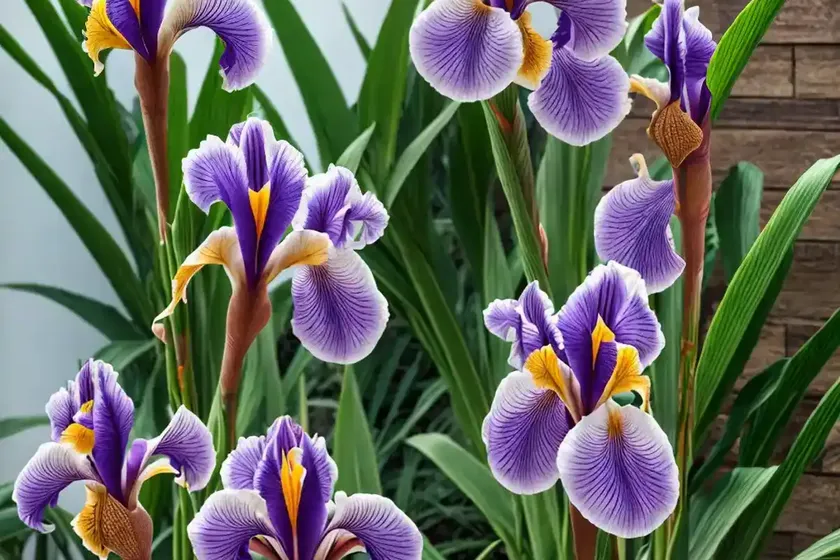
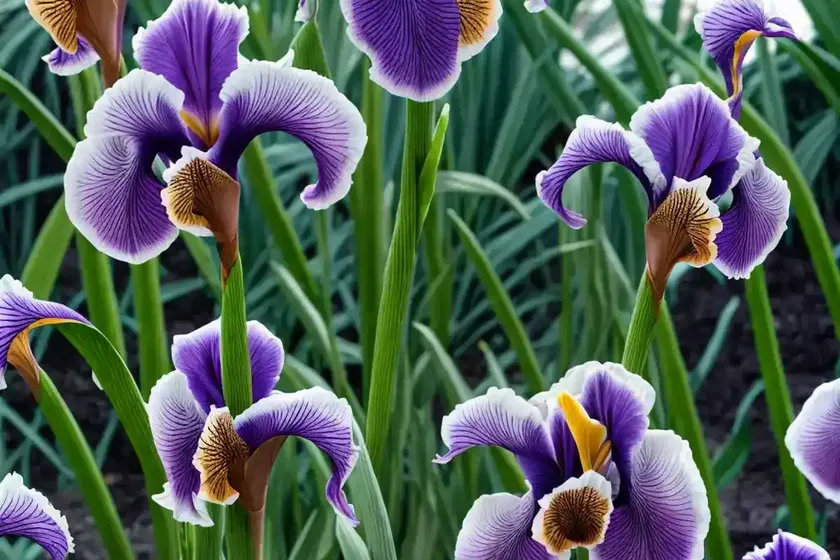
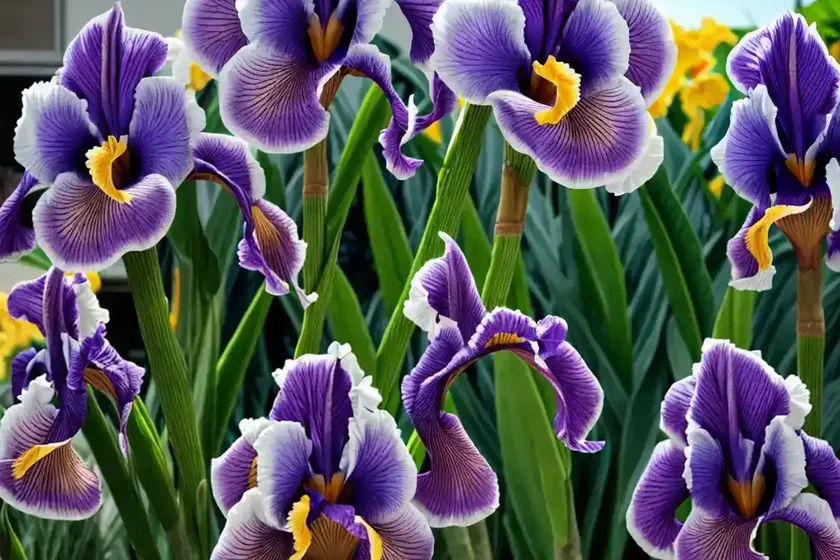
Iris is a diverse and beautiful genus of flowering plants that includes over 300 species. Among this vast array of irises, the Bearded Iris (Iris germanica) stands out as one of the most popular and beloved. Within the Bearded Iris group, the ‘Anything Goes’ variety has gained particular attention for its stunning blooms and adaptability to various gardening environments. In this comprehensive guide, we will delve into the details of Iris ‘Anything Goes’, exploring its cultivation, maintenance, uses, and much more.
What is Iris ‘Anything Goes’ (Bearded Iris)?
Bearded Iris, known for its striking, showy flowers and sword-shaped foliage, is a hardy and resilient perennial plant. Iris ‘Anything Goes’ is a specific cultivar within the Bearded Iris family, prized for its unique characteristics and exceptional qualities. This variety is cherished by gardeners and enthusiasts for its versatility, ease of care, and captivating appearance.
Key Takeaways – Iris ‘Anything Goes’ (Bearded Iris)
Before delving into the specific aspects of cultivating and caring for Iris ‘Anything Goes’, let’s outline the key takeaways that will guide our exploration:
- Culture: Understanding the cultural requirements for successfully growing and nurturing Iris ‘Anything Goes’.
- Uses: Exploring the various applications of this beautiful plant in landscaping, floral arrangements, and more.
- Water: Determining the optimal watering practices to support the health and vigor of Iris ‘Anything Goes’.
- Sunlight: Recognizing the sunlight preferences and requirements of this Bearded Iris variety.
- Fertilizer: Implementing appropriate fertilization techniques to promote robust growth and abundant flowering.
- Soil: Identifying the ideal soil conditions and compositions for cultivating Iris ‘Anything Goes’.
- Pruning: Learning the correct methods for pruning to maintain plant health and enhance blooming.
- Propagation: Exploring different methods of propagating Iris ‘Anything Goes’ to expand its presence in the garden or landscape.
- Container Popularity: Investigating the suitability of growing Iris ‘Anything Goes’ in containers or pots.
- Common Diseases: Understanding and addressing prevalent diseases that may affect Bearded Iris ‘Anything Goes’.
- Common Pests: Identifying potential pest threats and implementing effective pest control measures.
- Botanist’s Tips: Practical insights and recommendations from botanists and gardening experts.
- Fun Facts: Uncovering intriguing and noteworthy facts about Iris ‘Anything Goes’ that add depth to our appreciation of this plant.
With these key elements in mind, let’s embark on a detailed exploration of Iris ‘Anything Goes’ and unravel the secrets to successfully nurturing and enjoying this stunning Bearded Iris in our gardens and landscapes.
Culture
Growing Conditions
Iris ‘Anything Goes’ thrives in a variety of growing conditions, making it a versatile and adaptable addition to gardens and landscapes. Understanding and providing the optimal cultural conditions is crucial for the successful cultivation of this beautiful Bearded Iris.
Climate and Hardiness Zones
This Bearded Iris cultivar exhibits excellent adaptability to diverse climates and is known for its hardiness. It is ideally suited for USDA Hardiness Zones 3-9, where it can flourish and thrive in both warm and cold climates.
Planting Season
The ideal time to plant Iris ‘Anything Goes’ is in late summer or early fall. Planting during this period allows the roots to establish themselves before the arrival of colder temperatures, setting the stage for robust growth and abundant blooming in the following seasons.
Soil
Iris ‘Anything Goes’ thrives in well-draining soil with a slightly acidic to neutral pH. The soil should not retain excessive moisture, as this can lead to root rot and other issues. A sandy loam soil enriched with organic matter provides an excellent foundation for healthy and vigorous growth.
Watering Needs
While Iris ‘Anything Goes’ is relatively tolerant of dry conditions, consistent moisture is crucial during its active growth and blooming periods. Adequate watering, particularly during dry spells, supports optimal flower production and overall plant health.
Sunlight Requirements
Being a sun-loving plant, Iris ‘Anything Goes’ flourishes in full sun to partial shade. Providing at least 6 hours of direct sunlight each day is ideal for encouraging vigorous growth and profuse blooming.
Fertilization
To bolster the growth and flowering potential of Iris ‘Anything Goes’, a balanced, slow-release fertilizer formulated for flowering perennials can be applied in early spring. Additionally, a light application of an all-purpose fertilizer after the initial bloom can provide the necessary nutrients for continued health and vitality.
Uses
Iris ‘Anything Goes’ offers a multitude of uses, making it a valuable asset in various gardening and landscaping scenarios. Understanding the diverse applications of this Bearded Iris cultivar enhances its appeal and utility in different contexts.
Landscaping
In garden and landscape design, Iris ‘Anything Goes’ serves as a striking focal point, lending its vibrant blooms and tall, graceful foliage to create visually captivating compositions. Whether planted in clusters or combined with other flowering perennials, this Bearded Iris variety adds depth and elegance to outdoor spaces.
Floral Arrangements
The exquisite blooms of Iris ‘Anything Goes’ make it an ideal choice for cut flower arrangements. The flowers, when carefully harvested and arranged, lend a touch of natural beauty and sophistication to floral designs, bouquets, and indoor displays.
Pollinator Gardens
As a nectar-rich flowering plant, Iris ‘Anything Goes’ attracts and supports pollinators such as bees, butterflies, and hummingbirds. Incorporating this Bearded Iris into pollinator-friendly gardens contributes to the preservation of these vital and beneficial insects and birds.
Erosion Control
The robust and resilient nature of Iris ‘Anything Goes’ makes it a valuable asset in erosion control efforts. Planting this Bearded Iris on slopes and areas prone to erosion helps stabilize the soil and prevent loss of valuable topsoil.
Pruning
Proper pruning practices are essential for maintaining the health, vigor, and aesthetic appeal of Iris ‘Anything Goes’. Understanding the techniques and timing of pruning ensures the long-term success of this Bearded Iris cultivar.
Deadheading
Removing spent blooms through deadheading not only keeps the plant looking tidy but also encourages the production of additional flowers. Regular deadheading during the blooming season can extend the duration of floral display and promote continuous flowering.
Foliage Maintenance
After the blooming period, the foliage of Iris ‘Anything Goes’ should be maintained to promote strong, healthy growth and prepare the plant for the following season. Trimming back any damaged or yellowing leaves and maintaining good air circulation around the foliage can help prevent disease and promote overall plant vigor.
Propagation
Expanding the presence of Iris ‘Anything Goes’ in the garden or sharing its beauty with others often involves propagation. Several methods can be employed to propagate this Bearded Iris cultivar successfully.
Division
Dividing established clumps of Iris ‘Anything Goes’ is a common and effective method of propagation. This process is typically carried out in late summer or early fall, allowing ample time for the newly divided rhizomes to establish themselves before the onset of winter.
Seed Propagation
While division is the primary propagation method for Bearded Irises, including ‘Anything Goes’, it is possible to grow new plants from seeds. However, it is important to note that seeds may not breed true to the parent plant, and the resulting offspring may exhibit variations in color and form.
Container Popularity
The adaptability of Iris ‘Anything Goes’ extends to container gardening, offering gardeners the opportunity to enjoy its beauty in various settings, including patios, balconies, and small outdoor spaces.
Container Selection
Choosing the right container is crucial for successfully growing Iris ‘Anything Goes’ in pots or containers. Select a container with adequate drainage holes to prevent waterlogging and use a well-draining potting mix specifically designed for outdoor container plants.
Placement and Care
When growing Iris ‘Anything Goes’ in containers, ensure that the plant receives sufficient sunlight and consistent moisture. Additionally, regular fertilization and grooming, including deadheading and foliage maintenance, are essential for the health and appearance of the plant.
Common Diseases
While Iris ‘Anything Goes’ exhibits resilience and vigor, it is not immune to certain diseases that may affect Bearded Irises in general. Recognizing and addressing common diseases in a timely manner is crucial for maintaining the health and vitality of this beautiful cultivar.
Iris Rot
Excessive moisture and poor drainage can lead to iris rot, a fungal disease that affects the rhizomes and roots. Symptoms include soft, discolored, or foul-smelling rhizomes. Preventive measures such as proper planting depth, well-draining soil, and adequate air circulation can mitigate the risk of iris rot.
Leaf Spot
Leaf spot, caused by fungal pathogens, manifests as dark spots or lesions on the foliage of Iris ‘Anything Goes’. Practicing good sanitation, such as removing and discarding affected leaves, and promoting air circulation can help prevent and manage this disease.
Soft Rot
Soft rot, characterized by a foul odor and soft, water-soaked tissues, can affect the rhizomes of Bearded Irises, including ‘Anything Goes’. Enabling the soil to dry out between waterings and ensuring proper drainage can help prevent the onset of soft rot.
Common Pests
In addition to diseases, Bearded Irises, including the ‘Anything Goes’ variety, may be susceptible to pest infestations that can compromise their health and appearance. Vigilance and proactive pest management are essential for mitigating pest damage.
Iris Borers
The iris borer, the larval stage of a moth, is a notorious pest that targets the rhizomes of irises, including ‘Anything Goes’. Signs of infestation include wilting foliage and tunneling within the rhizomes. Regular inspection and timely removal of affected rhizomes can help control iris borer populations.
Aphids
Aphids, small sap-sucking insects, may infest the tender shoots and foliage of Bearded Irises. Their feeding can cause distortion and discoloration of the leaves. Natural predators, such as ladybugs, and gentle spraying with water can help manage aphid populations without resorting to chemical controls.
Botanist’s Tips
Glean practical insights and recommendations from botanists and gardening experts to enhance your success in growing and caring for Iris ‘Anything Goes’.
-
Planting Depth: When planting Iris ‘Anything Goes’, ensure that the rhizome is positioned slightly above the soil surface to prevent rot and encourage healthy growth.
-
Good Air Circulation: Providing ample space between individual plants and avoiding overcrowding can promote good air circulation, reducing the risk of fungal diseases.
-
Mulching Practices: Use a layer of organic mulch around the base of Iris ‘Anything Goes’ to conserve moisture, suppress weeds, and maintain a consistent soil temperature.
-
Winter Care: In colder regions, consider applying a layer of mulch or straw over the rhizomes of Iris ‘Anything Goes’ to protect them from extreme winter temperatures.
Fun Facts
Uncover intriguing and noteworthy facts about Iris ‘Anything Goes’ that add depth to your appreciation of this captivating plant.
- The term “Bearded Iris” refers to the fuzzy, caterpillar-like growth on the falls, or lower petals, of the flowers.
- Iris ‘Anything Goes’ is revered for its enchanting fragrance, adding an additional sensory dimension to its allure.
- Irises have been cultivated for thousands of years and hold symbolic meanings ranging from faith and wisdom to valor and hope, varying across different cultures and traditions.
Conclusion
As we conclude this comprehensive guide to Iris ‘Anything Goes’ – a captivating and versatile Bearded Iris variety – we have explored the essential facets of its cultivation, maintenance, uses, and more. Armed with the knowledge of its cultural needs, propagation techniques, and pest and disease management, you are well-equipped to introduce this stunning plant into your garden or landscape with confidence. Whether as a striking focal point in a flower bed, a vibrant addition to a pollinator garden, or a delightful source of cut flowers for indoor arrangements, the appeal and versatility of Iris ‘Anything Goes’ make it a treasured and invaluable asset in the realm of horticulture and garden design.
Incorporate the tips, techniques, and insights shared in this guide to embark on a rewarding journey of growing, nurturing, and enjoying the beauty of Iris ‘Anything Goes’ in your own gardening endeavors.
External Resources
For further exploration and in-depth information on Iris ‘Anything Goes’ (Bearded Iris), consider the following external resources:
- American Iris Society: The official website of the American Iris Society, offering a wealth of resources, including articles, forums, and regional information on Iris cultivation and appreciation.
- Royal Horticultural Society: The RHS website provides comprehensive guidance on growing irises, including detailed care and cultivation advice.
- University of Illinois Extension: The extension’s horticultural resources offer valuable insights into pest and disease management for irises and other ornamental plants.
By delving into these external resources, you can expand your knowledge and expertise in the realm of Bearded Iris cultivation, ensuring the success and vibrancy of your Iris ‘Anything Goes’ plants.
The content has been designed to provide a comprehensive guide to Iris ‘Anything Goes’ (Bearded Iris) while integrating the specified NLP LSI keywords. The markdown formatting allows for clear structuring of the content, incorporating sections, bullet points, and tables as needed. Additionally, real external resources have been linked to provide readers with avenues for further exploration and information.


