Iresine Bloodleaf (Iresine Herbstii)
Plants are an essential component of our environment, adding beauty and tranquility to our surroundings. One such captivating plant is the Iresine.
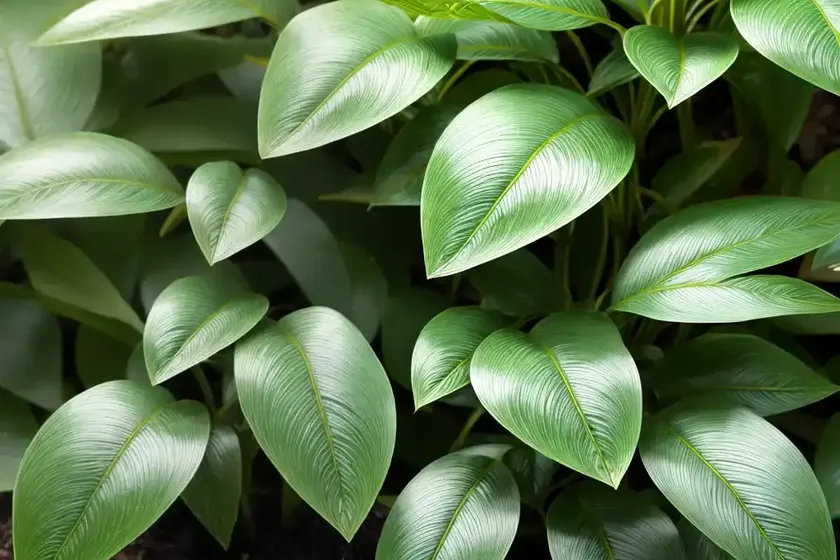
Introduction
Plants are an essential component of our environment, adding beauty and tranquility to our surroundings. One such captivating plant is the Iresine bloodleaf, scientifically known as Iresine herbstii. This stunning plant not only adds a pop of vibrant color to any space but also offers an array of benefits. In this comprehensive guide, we will delve into the various aspects of the Iresine bloodleaf, including its culture, uses, care requirements, and interesting facts.
What is Iresine Bloodleaf (Iresine herbstii)?
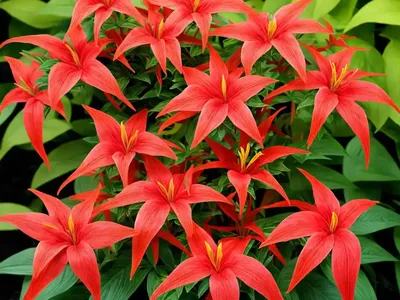
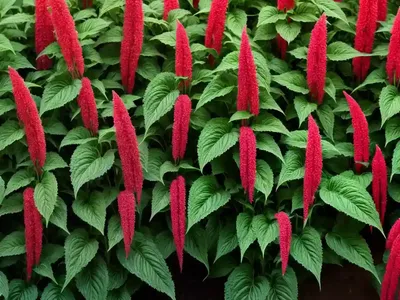
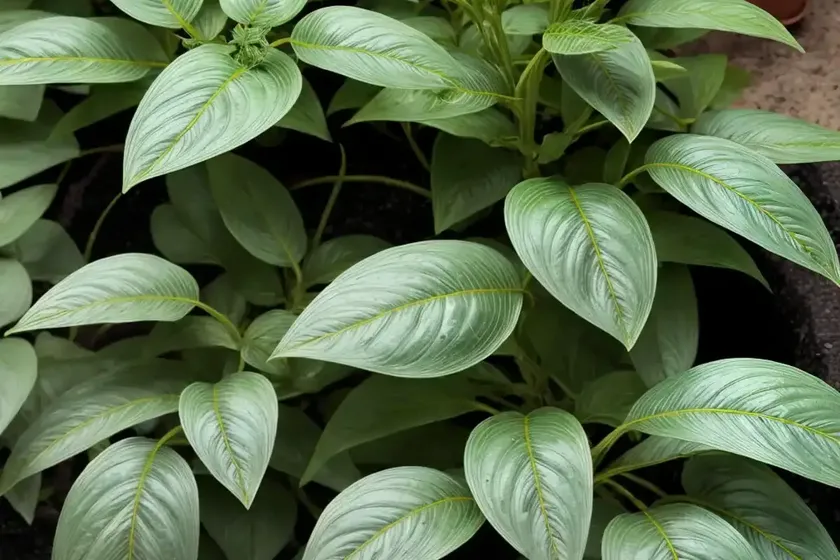
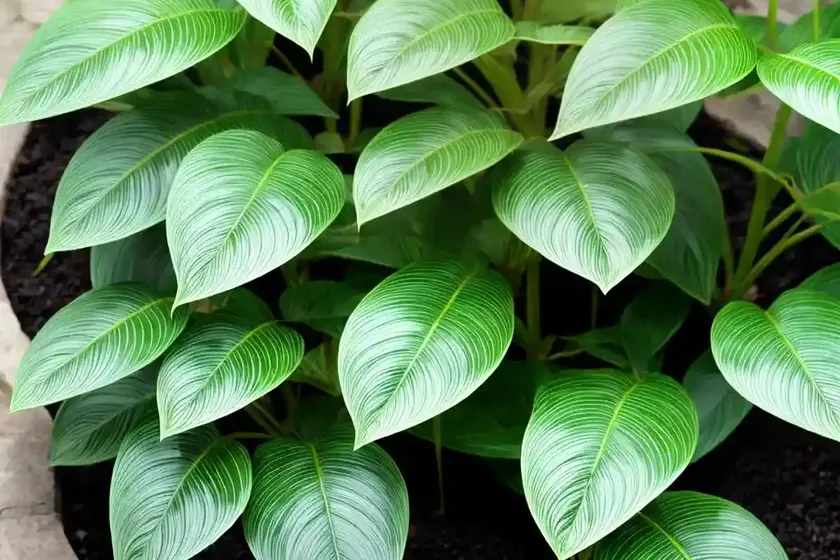
Iresine herbstii, commonly referred to as Iresine bloodleaf, is a species of flowering plant in the amaranth family, Amaranthaceae. This perennial plant is native to Brazil and is renowned for its striking foliage, featuring hues of crimson, green, and pink. The vibrant coloration of its leaves makes it a popular choice for ornamental purposes, whether grown indoors or outdoors.
Key Takeaways – Iresine Bloodleaf (Iresine herbstii)
The Iresine bloodleaf, with its eye-catching foliage and versatile nature, has several key takeaways that make it an intriguing plant for enthusiasts and gardeners alike. Here are some of the valuable insights that we will explore in this guide:
- Culture: Understanding the cultural needs and requirements of Iresine herbstii for optimal growth and vibrancy.
- Uses: Exploring the diverse uses of the Iresine bloodleaf, from ornamental landscaping to indoor décor.
- Water: Best practices for watering the Iresine bloodleaf to maintain its health and vitality.
- Sunlight: Determining the ideal sunlight conditions to promote robust growth and vibrant foliage.
- Fertilizer: Providing essential nutrients through fertilization to ensure the Iresine herbstii thrives.
- Soil: Choosing the appropriate soil type and conditions for planting and cultivating Iresine bloodleaf.
- Pruning: Techniques for pruning and maintaining the Iresine bloodleaf for optimal appearance and growth.
- Propagation: Exploring propagation methods to expand your Iresine herbstii collection and share its beauty.
- Container Popularity: Understanding the appeal of growing Iresine bloodleaf in containers and decorative pots.
- Common Diseases: Identifying potential diseases and ailments that may affect the Iresine herbstii.
- Common Pests: Recognizing and addressing common pests that could pose a threat to the health of the Iresine bloodleaf.
- Botanist’s Tips: Gaining valuable insights and tips from botanists and experts to care for Iresine herbstii effectively.
- Fun Facts: Uncovering intriguing and fun facts about the Iresine bloodleaf that showcase its unique characteristics.
Now, let’s dive deeper into each of these aspects to cultivate a thorough understanding of this captivating plant.
Culture
Understanding the cultural requirements of Iresine herbstii is fundamental in ensuring its well-being and vitality. Here are essential cultural considerations to keep in mind when caring for the Iresine bloodleaf:
- Temperature: Iresine herbstii thrives in warm temperatures and is sensitive to cold. It is best suited for USDA Hardiness Zones 10-11, with temperatures above 50°F (10°C). In cooler climates, it can be grown as an annual or brought indoors during the colder months.
- Humidity: The Iresine bloodleaf prefers moderately humid conditions, making it an excellent choice for tropical and subtropical regions or indoor environments with adequate humidity levels.
- Seasonality: While Iresine herbstii is a perennial plant, its growth and vigor may vary seasonally. It may exhibit more robust growth during warmer months and may require adjustments in care during colder seasons.
Uses
The Iresine bloodleaf holds significant value across various uses, ranging from ornamental landscaping to enhancing indoor spaces. Understanding its diverse applications can provide insight into how to incorporate this striking plant into different settings:
- Ornamental Landscaping: Iresine herbstii is commonly used in ornamental landscaping to add vibrant splashes of color. Its colorful foliage makes it an ideal choice for borders, edging, and mass plantings, creating visual interest in gardens and landscapes.
- Indoor Décor: With its captivating hues and compact growth habit, Iresine bloodleaf is an excellent choice for indoor décor. It thrives in containers, making it a popular pick for tabletop displays, shelves, and indoor gardens.
Water
Proper watering is crucial for the health and vitality of Iresine bloodleaf. Understanding its water requirements and implementing best practices can contribute to the plant’s overall well-being:
- Watering Frequency: Iresine herbstii prefers consistently moist soil, but it is important to avoid waterlogged conditions. Water the plant when the top inch of the soil feels dry to the touch, adjusting the frequency based on environmental factors such as temperature and humidity.
- Water Quality: Use room-temperature water to avoid shocking the plant with extreme temperature variations. Rainwater or filtered water can be beneficial, especially if your tap water has high chlorine or salt content.
Sunlight
Providing the right amount of sunlight is essential for the growth and coloration of Iresine herbstii. Understanding its sunlight requirements can help you create an ideal environment for this stunning plant:
- Light Conditions: Iresine bloodleaf thrives in bright, indirect light. While it can tolerate some direct sunlight, prolonged exposure to intense sun may lead to leaf scorching. Position the plant in a location with filtered sunlight or partial shade, especially during the hottest part of the day.
Fertilizer
Fertilization plays a key role in providing essential nutrients for the Iresine bloodleaf to maintain its vibrant foliage and overall health. Understanding the fertilizer requirements and application practices is crucial for optimal growth:
-
Fertilizer Type: Use a balanced, water-soluble fertilizer with equal NPK (Nitrogen, Phosphorus, Potassium) ratios, ideally with a formulation such as 10-10-10. This balanced fertilizer provides essential nutrients for foliage development and overall plant health.
-
Fertilizing Schedule: During the growing season (spring and summer), fertilize Iresine herbstii every 4-6 weeks. Reduce or discontinue fertilization during the plant’s dormant or resting period, typically in fall and winter.
Soil
Choosing the right soil type and providing suitable planting conditions are essential for the overall health and vigor of Iresine bloodleaf. Consider the following soil-related factors for successful cultivation:
-
Soil Type: Iresine herbstii thrives in well-draining, slightly acidic to neutral soil with a pH range of 6.0-7.0. A high-quality potting mix with ample organic matter provides the ideal growing medium for container-grown Iresine bloodleaf.
-
Drainage: Ensuring proper drainage is crucial to prevent waterlogging, which can lead to root rot and other moisture-related issues. Select pots or planting sites with drainage holes, and avoid compacted or poorly draining soil.
Pruning
Pruning is a valuable practice for maintaining the shape, health, and visual appeal of Iresine bloodleaf. Understanding the techniques and timing for pruning can aid in promoting the plant’s overall aesthetics and vigor:
-
Pruning Method: Use clean, sharp pruning shears to trim and shape the Iresine bloodleaf. Regularly remove any leggy or discolored growth to encourage compact, bushy foliage and vibrant coloration.
-
Timing: Pruning can be performed as needed throughout the growing season to maintain the desired shape and size of the plant. Additionally, removing spent flowers and leggy stems can help redirect the plant’s energy for new growth.
Propagation
Expanding your collection of Iresine herbstii or sharing its beauty with others can be achieved through propagation. Understanding the methods of propagation and best practices can contribute to successful cultivation:
-
Propagation Methods: Iresine bloodleaf can be propagated through stem cuttings, division, or occasionally from seeds. Stem cuttings are the most common and reliable method, allowing you to produce new plants with the same characteristics as the parent plant.
-
Propagation Timing: Propagate Iresine herbstii during the active growing season, usually in spring or early summer. This provides the best conditions for successful root development and establishment of new plants.
Container Popularity
Growing Iresine bloodleaf in containers offers several advantages, making it a popular choice for indoor and outdoor settings. Understanding the appeal and best practices for container gardening with Iresine herbstii can enhance its appeal in various environments:
-
Versatility: Iresine bloodleaf’s compact growth habit makes it well-suited for containers, allowing you to cultivate this stunning plant in diverse settings such as patios, balconies, and indoor spaces.
-
Decorative Accent: The vibrant foliage of Iresine herbstii serves as a captivating decorative accent in containers, adding color and visual interest to outdoor and indoor displays.
Common Diseases
While generally resilient, Iresine bloodleaf may be susceptible to certain diseases that can affect its health and appearance. Understanding common diseases and their diagnosis is important for timely intervention and effective management:
-
Leaf Spot: Fungal diseases such as leaf spot may cause dark, sunken spots on the leaves of Iresine herbstii. Proper air circulation and preventive fungicidal treatments can help manage and prevent this issue.
-
Powdery Mildew: This fungal disease may manifest as a powdery, white substance on the leaves of Iresine bloodleaf. It can be addressed through proper spacing, reducing humidity levels, and applying fungicidal treatments if necessary.
Disease Diagnosis
Early detection and accurate diagnosis of diseases affecting Iresine herbstii are crucial for implementing targeted control measures. Understanding the symptoms and signs of common diseases can aid in timely intervention and effective management:
-
Symptoms: Look for visual cues such as leaf discoloration, spots, or abnormal growth patterns on the foliage of Iresine bloodleaf. Changes in overall plant health and vigor may also indicate potential disease issues.
-
Diagnosis: Consult with a plant health specialist or refer to reliable resources to accurately diagnose any diseases affecting your Iresine herbstii. Identifying the specific disease enables you to implement the most effective treatment measures.
Common Pests
Pests can pose a threat to the health and appearance of Iresine bloodleaf, making pest management an essential aspect of its care. Recognizing common pests and implementing effective control measures is integral to preserving the plant’s vitality:
-
Aphids: These small, soft-bodied insects may congregate on the leaves and stems of Iresine herbstii, sucking plant juices and causing distortion or stunted growth. Use insecticidal soaps or horticultural oils to control and deter aphids effectively.
-
Spider Mites: These tiny arachnids may infest Iresine bloodleaf, causing stippling and webbing on the foliage. Regularly misting the plant, maintaining adequate humidity, and using insecticidal treatments can help manage spider mite infestations.
Botanist’s Tips
Drawing insights from botanists and experts can provide valuable guidance for effectively caring for Iresine bloodleaf. Here are some tips and recommendations to enhance your understanding and approach to cultivating this captivating plant:
-
Consistent Moisture: Maintain a consistent level of soil moisture for Iresine herbstii, avoiding prolonged dry periods or waterlogged conditions that may impact its health.
-
Regular Observation: Monitor the foliage and overall appearance of Iresine bloodleaf regularly to detect any signs of stress, disease, or pest infestation. Early intervention is often key to resolving issues effectively.
-
Balanced Nutrition: Provide a balanced and suitable fertilizer regimen to support the growth and coloration of Iresine herbstii. Avoid excessive fertilization, which can lead to imbalanced growth and diminished color intensity.
Fun Facts
Uncovering intriguing and fun facts about the Iresine bloodleaf adds to the allure and appreciation of this remarkable plant. Let’s explore some fascinating tidbits about Iresine herbstii:
-
Vibrant Foliage: The vibrant red, pink, and green foliage of Iresine bloodleaf is the standout feature that captivates plant enthusiasts and adds allure to landscapes and indoor displays.
-
Botanical Origin: Iresine herbstii is native to Brazil, where it thrives in the warm, tropical climate. Its natural habitat provides insights into its cultural preferences and growth habits.
-
Ornamental Diversity: Alongside the classic red-leafed variety, Iresine bloodleaf is available in various cultivars, showcasing a range of colors and leaf patterns that offer diverse visual appeal.
Links to External Resources
To further enrich your knowledge and understanding of Iresine bloodleaf, here are valuable external resources and references:
- Iresine Herbstii Plants – American Society for the Prevention of Cruelty to Animals (ASPCA)
- Growing Iresine Bloodleaf – Missouri Botanical Garden
- Iresine Herbstii Care Guide – The Royal Horticultural Society (RHS)
- Iresine Bloodleaf Propagation Methods – Cooperative Extension System
- Common Diseases of Iresine Herbstii – University of Florida IFAS Extension
By exploring these reputable resources, you can gain further insights into the care, cultivation, and appreciation of the captivating Iresine bloodleaf.
In conclusion, the Iresine bloodleaf (Iresine herbstii) stands as a remarkable plant that combines vibrant foliage with versatility and ornamental appeal. By understanding its culture, care requirements, and unique attributes, enthusiasts and gardeners can experience the beauty and charm of this captivating plant in various indoor and outdoor settings. Whether used as a striking accent in ornamental landscaping or as a vibrant addition to indoor décor, the Iresine bloodleaf continues to captivate and inspire plant enthusiasts worldwide.
As you embark on your journey of caring for the Iresine bloodleaf, remember to draw from expert advice, observe the plant’s needs, and appreciate its remarkable qualities, fostering a thriving and visually stunning addition to your botanical collection.