Joseph’s Coat (Alternanthera Ficoidea)
The Alternanthera ficoidea, commonly known as Joseph’s Coat, is a vibrant and versatile plant that has gained popularity for its stunning foliage and ease.
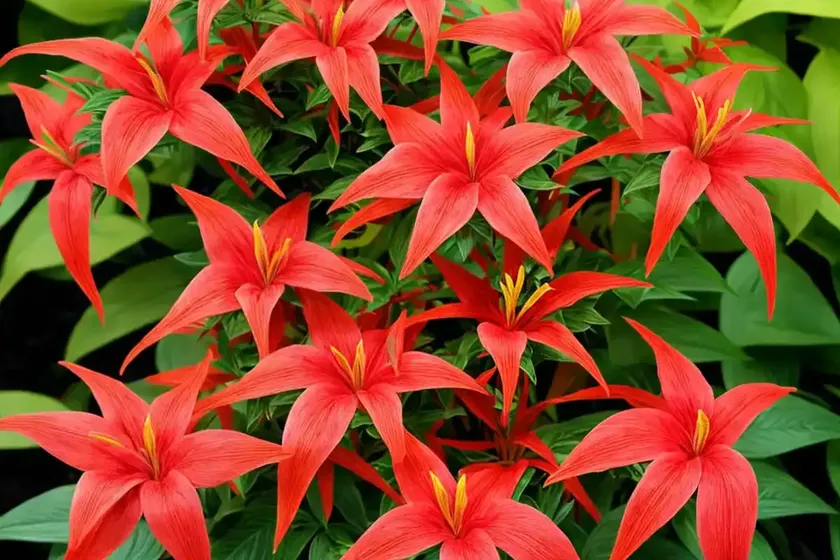
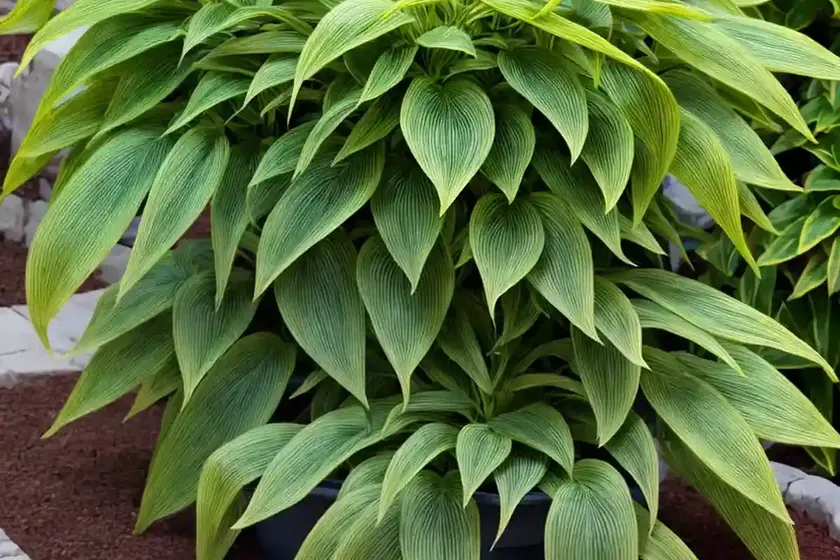
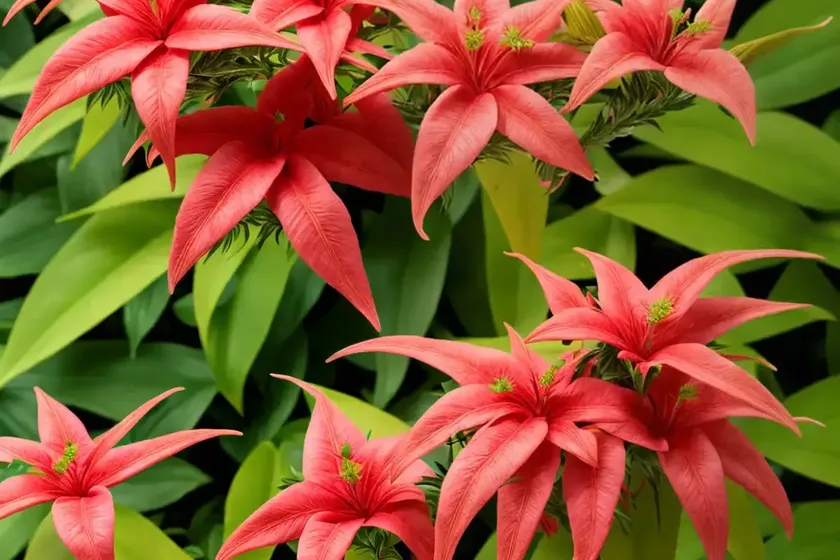
The Alternanthera ficoidea, commonly known as Joseph’s Coat, is a vibrant and versatile plant that has gained popularity for its stunning foliage and ease of care. This tropical plant belongs to the amaranth family (Amaranthaceae) and is native to Central and South America. Its striking colors and various cultivars make it a sought-after choice for both indoor and outdoor gardens. In this comprehensive guide, we will delve into the various aspects of Joseph’s Coat, including its culture, uses, care requirements, and common diseases and pests – providing you with all the essential information to successfully grow and enjoy this beautiful plant.
What is Joseph’s Coat (Alternanthera Ficoidea)?
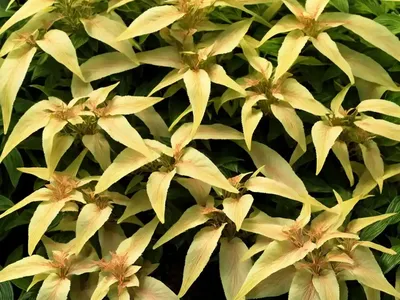
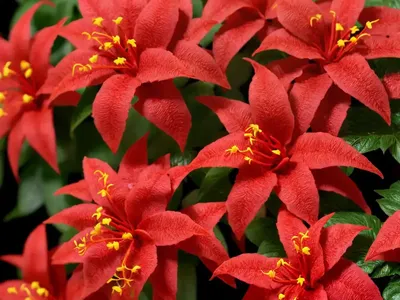
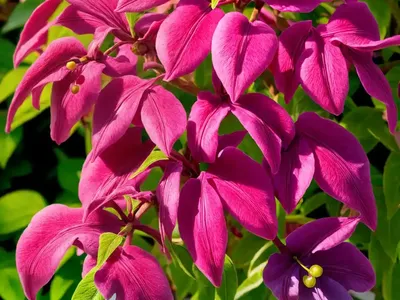
Joseph’s Coat, scientifically known as Alternanthera ficoidea, is an ornamental plant prized for its colorful and variegated foliage. It is a low-growing plant, typically reaching a height of 6 to 12 inches, and is valued for its dense, compact growth habit. The plant’s leaves are its main attraction, boasting a captivating array of hues, including shades of red, pink, yellow, orange, and green. These vibrant colors create a visually appealing display that adds a splash of brightness to any garden or landscape.
Along with its ornamental value, Joseph’s Coat has also been used for various traditional purposes, such as in herbal remedies and culinary applications. Its versatility and striking appearance make it an excellent choice for both indoor and outdoor settings, adding interest and beauty to any space.
Key Takeaways – Joseph’s Coat (Alternanthera Ficoidea)
Here are some key takeaways about Joseph’s Coat that we will further explore in this guide:
- Culture Uses
- Water
- Sunlight
- Fertilizer
- Soil
- Pruning
- Propagation
- Container Popularity
- Common Diseases
- Disease Diagnosis
- Common Pests
- Botanist’s Tips
- Fun Facts
Throughout the following sections, we will delve into the nuances of caring for Joseph’s Coat, exploring its specific cultural requirements, propagation methods, as well as common issues you may encounter when cultivating this captivating plant.
Culture Uses
Ornamental Use
Joseph’s Coat is primarily cultivated for ornamental purposes, serving as a visually striking addition to gardens, landscapes, and indoor spaces. With its vibrant and multi-colored foliage, it is often used to create visually appealing contrast and interest when planted alongside other ornamental plants. The plant’s low-growing and dense nature also makes it an ideal choice for edging, borders, and ground cover, allowing it to create captivating patterns and textures in garden designs.
Medicinal and Culinary Uses
In addition to its ornamental value, Joseph’s Coat has been historically used for medicinal and culinary purposes. In traditional herbal medicine, the leaves of the Alternanthera ficoidea plant have been utilized for their purported medicinal properties, though it is essential to consult a healthcare professional before using any plant for medicinal purposes. Furthermore, in some culinary traditions, the leaves of Joseph’s Coat are used as an edible green, adding both visual interest and potential nutritional benefits to culinary creations.
Symbolic Meaning
In some cultures, certain plants hold symbolic meanings. While there may not be a widely known symbolic meaning for Joseph’s Coat, its vibrant and varied foliage could be associated with concepts of diversity, creativity, and versatility, reflecting the wide range of colors and patterns displayed by the plant.
Plant Care
Proper care is essential for ensuring the health and vibrancy of Joseph’s Coat. From moisture requirements to sunlight exposure, understanding the specific needs of this plant is crucial for its successful growth and development.
Water
Watering Frequency and Method
Joseph’s Coat plants generally prefer consistently moist soil, but they are susceptible to root rot if the soil becomes waterlogged. When watering, it is essential to find a balance, ensuring that the soil is adequately moist without being overly saturated. During hot and dry periods, monitor the plant regularly and water as needed to maintain soil moisture levels.
Watering Considerations for Indoor and Outdoor Plants
For indoor Joseph’s Coat plants, it is important to use well-draining pots and avoid water accumulation in the bottom of the container. Additionally, outdoor plants may require more frequent watering during periods of intense heat or dryness. However, as individual environmental conditions can vary, it is crucial to observe the plant’s response to watering and adjust accordingly.
Sunlight
Sun Exposure Requirements
Joseph’s Coat thrives in full sun to partial shade, displaying its most vibrant colors when exposed to ample sunlight. When grown indoors, it is crucial to place the plant in a location that provides bright, indirect light. In contrast, outdoor plants should be positioned in areas where they can receive at least six hours of direct sunlight each day to promote optimal foliage coloration and growth.
Considerations for Indoor Plants
When grown indoors, Joseph’s Coat can adapt well to variances in light conditions, making it a versatile choice for indoor spaces. To maintain its coloration, ensure that the plant receives sufficient light, and consider rotating its position periodically to promote even growth and prevent leaning toward a particular light source.
Fertilizer
Nutritional Requirements
Regular, balanced feeding is beneficial for the growth and vibrancy of Joseph’s Coat. When selecting a fertilizer, opt for a well-balanced, water-soluble fertilizer formulated for ornamental foliage plants. Apply the fertilizer as directed on the product label, typically during the plant’s active growing season, to provide essential nutrients that support healthy foliage development and overall plant vigor.
Fertilizer Application Tips
Excessive fertilizer application can lead to nutrient imbalances and potential damage to the plant. Therefore, it is crucial to follow the recommended application rates and to apply the fertilizer evenly across the root zone. By adhering to a regular fertilization schedule and observing the plant’s response, you can help maintain the plant’s health and vibrant appearance.
Soil
Soil Requirements
Joseph’s Coat thrives in well-draining, nutrient-rich soil. Whether grown in containers or in the garden, the plant benefits from soil with good aeration that retains moisture without becoming waterlogged. Additionally, adding organic matter, such as compost, to the soil can enhance its structure and fertility, creating an optimal growing environment for Joseph’s Coat.
Soil pH Considerations
The ideal soil pH for Joseph’s Coat ranges from slightly acidic to slightly alkaline, typically falling within the range of 6.0 to 7.5. Testing the soil’s pH and making adjustments as necessary can help ensure that the plant can efficiently absorb essential nutrients from the soil, supporting healthy growth and vibrant foliage coloration.
Pruning
Pruning for Maintenance and Shape
Pruning can help maintain the compact, bushy growth habit of Joseph’s Coat, ensuring a tidy and attractive appearance. By selectively removing leggy or overgrown stems, you can encourage the plant to produce new growth and maintain a balanced form. Additionally, periodic pruning can help prevent the plant from becoming too dense, allowing for improved air circulation and light penetration.
Propagation
Joseph’s Coat plants can be propagated through various methods, including stem cuttings and seeds. We will explore these propagation methods in more detail in the upcoming sections, providing insights into the specific techniques and considerations for successfully propagating Joseph’s Coat.
Propagation
Propagation from Stem Cuttings
Stem cuttings are a popular and reliable method for propagating Joseph’s Coat. Here’s a step-by-step guide to successfully propagate the plant from stem cuttings:
Step 1: Selecting Healthy Cuttings
Choose a healthy, non-flowering stem on the Joseph’s Coat plant for the cutting. Look for a section of stem that is around 4 to 6 inches long and features healthy, vibrant foliage.
Step 2: Cutting Preparation
Use a sharp, clean pair of scissors or gardening shears to take a cutting from the selected stem. Make a clean, diagonal cut just below a node, which is where the leaf meets the stem. Remove any lower leaves from the cutting to create a bare stem segment.
Step 3: Rooting Medium
Prepare a suitable rooting medium for the cuttings, such as a mix of perlite and peat moss or a commercially available rooting medium. Fill a small container with the rooting medium and moisten it slightly to provide a favorable environment for root development.
Step 4: Inserting the Cutting
Create a planting hole in the rooting medium and gently insert the base of the cutting into the hole, ensuring that at least one node is buried beneath the surface. Firmly press the medium around the cutting to provide stability.
Step 5: Rooting Environment
Place the container with the cuttings in a warm, brightly lit location with high humidity. To maintain consistent moisture levels, cover the container with a clear plastic dome or plastic wrap to create a mini-greenhouse effect. Check the moisture level regularly and water as needed to keep the medium slightly damp but not waterlogged.
Step 6: Root Development
Monitor the cuttings for signs of root development, which typically occurs within a few weeks. Gently tug on the cuttings to assess if they have established roots. Once the cuttings have developed a healthy root system, they can be transplanted into individual pots or the desired outdoor location.
Propagation from Seeds
Joseph’s Coat can also be propagated from seeds, offering a rewarding and educational experience for growers. Here’s a brief overview of the seed propagation process for Joseph’s Coat:
Seed Selection and Preparation
Select high-quality, viable seeds for propagation, ensuring that they are fresh and have not been stored for an extended period. To promote successful germination, consider scarifying the seeds lightly by gently rubbing them with sandpaper or nicking the seed coat with a sharp blade to encourage water absorption and germination.
Germination Environment
Sow the prepared seeds in a well-draining, moisture-retentive seed-starting mix or peat pots. Cover the seeds lightly with a thin layer of the growing medium and gently water the soil to ensure proper hydration. Place the seeds in a warm, bright location with consistent humidity, such as in a greenhouse, under grow lights, or on a warm windowsill.
Seedling Care
Monitor the seedlings closely for germination, providing adequate moisture and light to support their initial growth. As the seedlings develop, thin them out to ensure proper spacing and reduce competition for resources. Once the seedlings have developed several sets of true leaves, they can be transplanted into individual containers or the garden, allowing them to continue their growth and development.
Propagating Joseph’s Coat offers an opportunity to expand your plant collection and share the beauty of this vibrant ornamental with others. Whichever propagation method you choose, following best practices and providing attentive care to the young plants can enhance their establishment and long-term success.
Container Popularity
Joseph’s Coat is well-suited for container gardening, making it an attractive option for individuals with limited outdoor space or those seeking to incorporate vibrant foliage into their indoor environments. Here are some considerations for growing Joseph’s Coat in containers:
Container Selection
When choosing a container for Joseph’s Coat, opt for a pot with adequate drainage holes to prevent waterlogging and to ensure proper root aeration. Consider the size of the plant and its growth habit, selecting a container that provides ample room for the plant’s root system to expand over time.
Soil Considerations
Use a well-draining potting mix when planting Joseph’s Coat in containers, creating an environment that promotes healthy root development and moisture retention without waterlogging. Additionally, incorporating organic matter into the potting mix can further enhance soil fertility and structure, supporting the plant’s overall vigor and growth.
Indoor and Outdoor Placement
When growing Joseph’s Coat in containers, consider the specific light requirements of the plant and select an appropriate location based on its sunlight needs. For indoor plants, position the containers in areas that receive bright, indirect light. Outdoor container plants should be placed in spots with adequate sunlight exposure to support their vibrant foliage coloration and growth.
Regular Maintenance
Container-grown Joseph’s Coat may require more frequent watering compared to plants in the ground, as containers can dry out more quickly. Monitor the soil moisture regularly and water as needed to maintain optimal growing conditions. Additionally, provide regular fertilization to container plants to replenish essential nutrients used by the plant as it grows.
By choosing suitable containers, cultivating healthy soil conditions, and providing appropriate care, you can successfully grow Joseph’s Coat in containers, bringing its captivating colors and foliage patterns to both indoor and outdoor spaces.
Common Diseases and Pests
Despite its overall resilience, Joseph’s Coat may experience certain diseases and pests. Understanding these potential issues and taking proactive measures can help safeguard the plant’s health and appearance.
Common Diseases
Leaf Spot
Leaf spot diseases, often caused by fungal pathogens, can manifest as dark, water-soaked spots or lesions on the foliage of Joseph’s Coat. To mitigate leaf spot diseases, consider improving air circulation around the plant, avoiding overhead watering, and promptly removing and disposing of infected plant material to reduce the spread of the pathogens.
Root Rot
Overly wet soil conditions can contribute to the development of root rot, leading to the deterioration of the plant’s root system and overall health. To prevent root rot, ensure proper soil drainage and watering practices, allowing the soil to dry out slightly between waterings to reduce the risk of waterlogged conditions.
Disease Diagnosis
When encountering potential diseases, accurately diagnosing the issue is crucial for implementing effective management strategies. It is recommended to observe the plant closely, document any changes in its appearance, and seek assistance from local extension services or plant health professionals when necessary. By diagnosing and addressing diseases promptly, you can help minimize their impact on the plant’s health and vitality.
Common Pests
Certain pests, such as aphids, spider mites, and whiteflies, may occasionally target Joseph’s Coat, affecting its foliage and overall vigor. Here are some common pests to watch for when caring for Joseph’s Coat:
Aphids
Aphids are small, soft-bodied insects that can congregate on the undersides of leaves, sucking plant sap and causing distortion and yellowing of the foliage. To manage aphid infestations, consider using insecticidal soaps or horticultural oils, which can effectively control aphid populations without harming beneficial insects.
Spider Mites
Spider mites are tiny arachnids that can cause stippling and webbing on the leaves of plants, leading to reduced vigor and aesthetic decline. To combat spider mites, consider increasing humidity levels, utilizing predatory mites, and using targeted miticides to manage and control spider mite populations.
Whiteflies
Whiteflies are small, flying insects that can congregate on the undersides of leaves, causing stippling, yellowing, and reduced plant vigor. To address whitefly infestations, consider deploying yellow sticky traps, introducing natural predators, and utilizing insecticidal soaps to manage and reduce whitefly populations effectively.
By remaining vigilant and promptly addressing potential pest issues, you can help maintain the health and visual appeal of Joseph’s Coat, allowing it to thrive and flourish in your garden or indoor space.
Botanist’s Tips
Here are some expert tips to help you successfully care for Joseph’s Coat and maximize its ornamental value:
-
Variety Selection: Explore the various cultivars and varieties of Alternanthera ficoidea to discover unique leaf colors and patterns that complement your garden or indoor setting.
-
Companion Planting: Consider pairing Joseph’s Coat with complementary plants to create visually appealing combinations and to enhance the overall aesthetic of your garden or landscape.
-
Seasonal Care: Be attentive to the plant’s needs throughout the seasons, adapting your care practices to accommodate seasonal changes in light, temperature, and moisture requirements.
-
Observational Gardening: Regularly observe the plant’s growth, foliage appearance, and overall health, allowing you to detect any issues early and take corrective actions as needed.
-
Interactive Learning: Engage in interactive learning experiences, such as attending gardening workshops or joining online gardening forums, to glean insights and tips from fellow plant enthusiasts and experts.
By incorporating these botanist’s tips into your care routine, you can cultivate a vibrant and healthy Joseph’s Coat plant, creating a visually captivating focal point in your garden or indoor space.
Fun Facts
Here are some intriguing and captivating facts about Joseph’s Coat that highlight the plant’s unique attributes and appeal:
-
Color Variations: Joseph’s Coat exhibits a broad spectrum of vibrant colors, showcasing shades of red, pink, yellow, orange, and green in its foliage, creating a kaleidoscopic effect.
-
Landscape Versatility: Due to its low-growing and compact nature, Joseph’s Coat is well-suited for edging, borders, and ground cover, offering versatility in landscape designs.
-
Traditional Uses: Beyond its ornamental value, Joseph’s Coat has been historically used for medicinal and culinary purposes, reflecting its multifaceted significance.
-
Symbolism: While not universally recognized, the diverse and colorful foliage of Joseph’s Coat may symbolize concepts of diversity, creativity, and adaptability in certain cultural contexts.
-
Propagation Potential: Joseph’s Coat can be propagated from stem cuttings and seeds, offering an opportunity for plant enthusiasts to expand their collection and share the plant’s beauty with others.
Exploring these fun facts can deepen your appreciation for Joseph’s Coat and provide insights into the plant’s intriguing characteristics and historical uses.
Links to External Resources
To further expand your knowledge and appreciation of Joseph’s Coat (Alternanthera ficoidea), consider exploring the following external resources:
-
The American Horticultural Society – A comprehensive resource for gardening enthusiasts, offering a wealth of information on ornamental plants, including Joseph’s Coat.
-
Royal Horticultural Society – Explore in-depth guides, care tips, and plant profiles on the Royal Horticultural Society’s website to enhance your gardening knowledge and skills.
-
Missouri Botanical Garden – Discover botanical insights, educational resources, and plant catalogs through the Missouri Botanical Garden’s extensive online platform.
By tapping into these external resources, you can access expert guidance, educational materials, and community forums dedicated to ornamental plants, enriching your journey with Joseph’s Coat and broadening your horticultural horizons.
In conclusion, Joseph’s Coat (Alternanthera ficoidea) stands out as a captivating and versatile plant with its vibrant foliage, ornamental value, and potential traditional uses. By understanding its cultural requirements, propagation methods, and common care considerations, you can successfully cultivate and appreciate this delightful plant in your garden, landscape, or indoor space. Remember to maintain attentive care, remain diligent in pest and disease management, and celebrate the unique beauty of Joseph’s Coat as it contributes to the visual tapestry of your botanical sanctuary.
Note: The content provided in this blog post is intended for informational purposes only and does not replace professional horticultural or medical advice. Consult with a qualified plant specialist or healthcare professional for personalized guidance tailored to your specific needs and circumstances.