Ipomoea Tricolor ‘Heavenly Blue’ (Morning Glory)
In the world of flowering vines, one plant that truly lives up to its name is the Ipomoea tricolor ‘Heavenly Blue’, commonly known as Morning Glory. With.
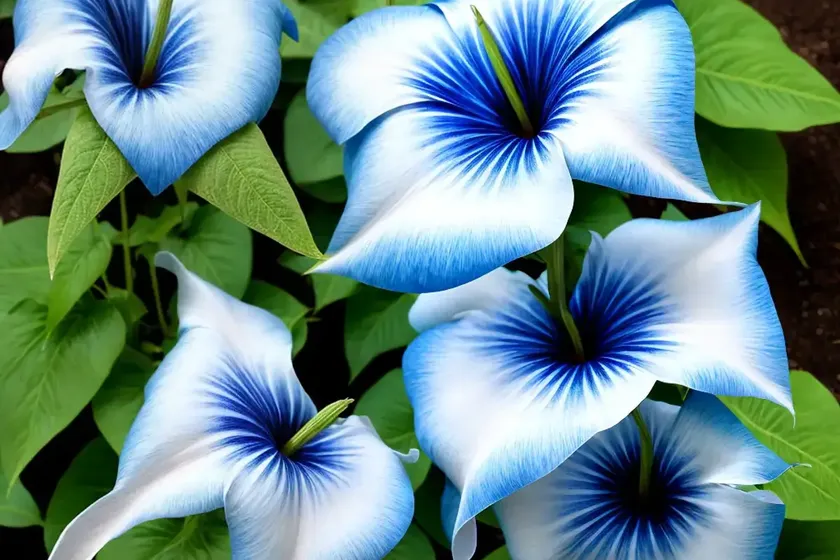
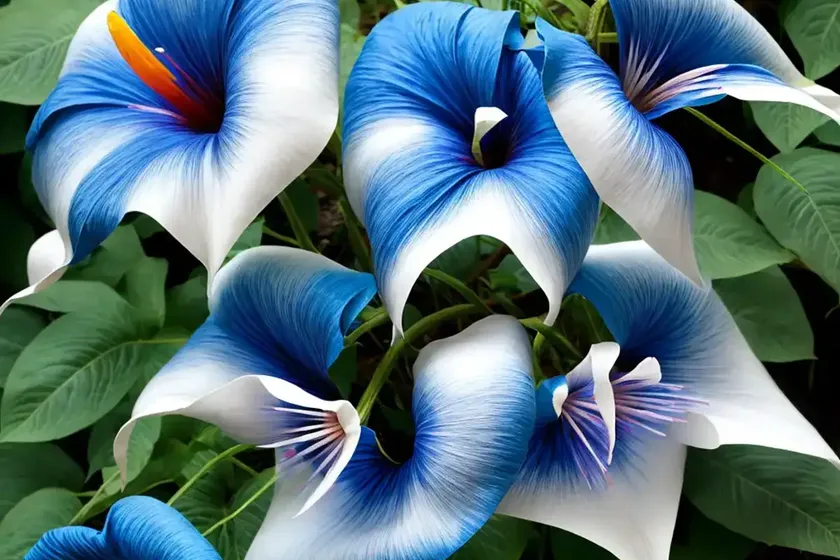
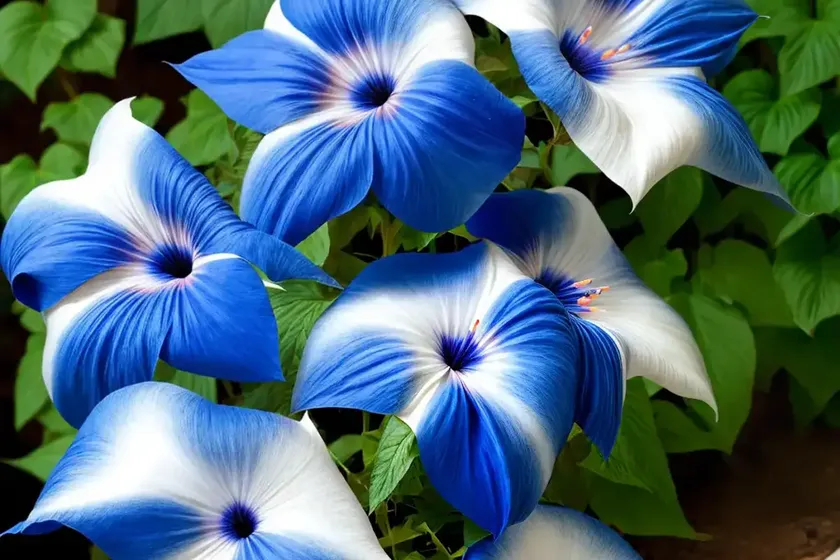
In the world of flowering vines, one plant that truly lives up to its name is the Ipomoea tricolor ‘Heavenly Blue’, commonly known as Morning Glory. With its stunning blue flowers and vigorous growth habit, this plant has captured the hearts of gardeners and plant enthusiasts for generations. In this comprehensive guide, we will delve into the intricacies of growing, caring for, and appreciating the beauty of the Ipomoea tricolor ‘Heavenly Blue’.
What is Ipomoea tricolor ‘Heavenly Blue’ (Morning Glory)?
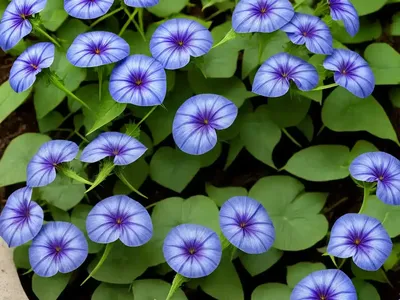
Ipomoea tricolor ‘Heavenly Blue’ is a fast-growing annual vine that belongs to the Convolvulaceae family. Native to Mexico and Central America, it is renowned for its large, trumpet-shaped flowers that bloom in a captivating shade of blue. The plant’s botanical name, Ipomoea tricolor, is derived from the Greek words “ips” meaning worm and “homoios” meaning resembling, referring to the plant’s winding or twining growth habit.
Key Takeaways
Before diving into the specifics of caring for the Morning Glory, let’s highlight some key takeaways.
-
Ipomoea tricolor ‘Heavenly Blue’ Characteristics: Known for its stunning blue flowers and vigorous growth habit, the Morning Glory is a fast-growing annual vine that belongs to the Convolvulaceae family.
-
Morning Glory Plant Care Tips: Adequate sunlight, well-draining soil, and regular watering are essential for the healthy growth of Ipomoea tricolor ‘Heavenly Blue’.
-
Growing Ipomoea tricolor ‘Heavenly Blue’: Given the right conditions, Morning Glory is relatively easy to grow from seed and rewards gardeners with prolific blooms.
-
Best Conditions for Morning Glory Plant: This plant thrives in full sunlight and prefers warm, temperate climates.
-
How to Cultivate Ipomoea tricolor ‘Heavenly Blue’: Propagation from seeds or cuttings is the most common method of cultivating Morning Glory.
-
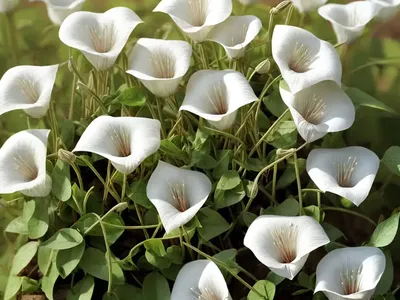
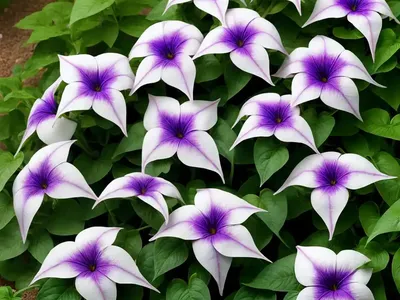
Morning Glory Plant Varieties: apart from the ‘Heavenly Blue’ variety, Morning Glory is available in a range of colors including pink, purple, and white.
-
Popular Morning Glory Colors: While ‘Heavenly Blue’ is one of the most popular varieties, Morning Glory flowers come in a variety of colors, adding diversity to any garden.
Now that we have a glimpse of what Ipomoea tricolor ‘Heavenly Blue’ has to offer, let’s explore the details of its care and cultivation.
Culture
Understanding the cultural requirements of the Morning Glory is essential for successfully growing and maintaining this stunning vine. From sunlight to soil, here’s a detailed look at the cultural aspects of caring for Ipomoea tricolor ‘Heavenly Blue’.
Uses
The Morning Glory holds both aesthetic and practical value, making it a versatile addition to gardens and landscapes.
-
Ornamental Purposes: The striking blue flowers of the Morning Glory make it a popular choice for adding color and vibrancy to gardens, trellises, and fences.
-
Cover and Screening: With its rapid growth and dense foliage, Morning Glory can be used to cover unsightly structures or create a natural screen for added privacy.
-
Attracting Pollinators: The nectar-rich flowers of the Morning Glory attract pollinators such as bees and butterflies, making it beneficial for the overall biodiversity of a garden.
Water
Proper watering is crucial for the health and vigor of the Morning Glory vine. While the plant is relatively drought-tolerant, consistent moisture is essential, especially during the establishment phase and periods of intense heat.
- Establishment Phase: After planting or sowing seeds, ensure the soil is consistently moist to facilitate germination and early growth.
- Regular Watering: Once established, water the Morning Glory plant regularly, especially during dry spells. Aim to keep the soil evenly moist, but not waterlogged, to encourage healthy growth and prolific flowering.
- Watering Guide: As a general rule, provide about 1 inch of water per week, adjusting the frequency based on weather conditions and soil moisture levels.
Sunlight
Adequate sunlight is a non-negotiable requirement for the Morning Glory. This plant thrives in full sunlight and may struggle to reach its full potential if grown in shaded or partially shaded locations.
- Full Sun: Morning Glory requires at least 6-8 hours of direct sunlight daily to produce abundant flowers and maintain vigorous growth.
- Optimal Placement: When selecting a planting location, prioritize spots that receive ample sunlight throughout the day, such as south-facing or west-facing areas of the garden.
Fertilizer
While Morning Glory is relatively low-maintenance, providing it with a balanced fertilizer can help encourage blooming and overall plant health.
- Fertilizing Schedule: Apply a general-purpose, balanced fertilizer once a month during the growing season to provide the essential nutrients the plant needs to thrive.
- Avoid Over-Fertilizing: Refrain from overfeeding the Morning Glory, as excessive nitrogen can result in lush foliage at the expense of flowers.
Soil
The key to success with Morning Glory lies in the soil. Well-draining, fertile soil sets the stage for healthy and robust growth.
- Soil Type: Morning Glory thrives in loamy, well-draining soil with a slightly acidic to neutral pH (6.0-7.0).
- Amending Soil: Before planting, work organic matter such as compost or well-rotted manure into the soil to enhance its fertility and structure.
Pruning
Pruning plays a vital role in shaping the growth of the Morning Glory and managing its exuberant nature.
- Training: Guide the vine to climb on trellises, fences, or other support structures to help direct its growth.
- Deadheading: Regularly remove spent blooms to encourage continuous flowering and prevent the plant from setting seeds too early.
Propagation
For those looking to propagate Morning Glory or expand their plant collection, propagation from seeds or cuttings is the way to go.
- Seed Propagation: Direct sowing seeds in the garden after the last frost date is the most common and straightforward method of propagating Morning Glory.
- Cutting Propagation: Propagating from cuttings is also an option, especially for gardeners who want to replicate specific traits of a parent plant.
Container Popularity
Though typically grown as a climbing vine in gardens, Morning Glory is also popular in container gardening.
- Aesthetic Appeal: The cascading nature of the vine and its eye-catching blooms make it an attractive addition to patios, balconies, and other outdoor spaces.
- Vertical Gardening: Utilize trellises or vertical supports to grow Morning Glory in containers, maximizing limited space and creating a vertical garden focal point.
Container Common Diseases
Even in containers, Morning Glory is susceptible to certain diseases that can impact its health and vigor.
- Powdery Mildew: A common fungal disease that presents as a powdery, white coating on the leaves and stems.
- Leaf Spot: Characterized by dark spots on the foliage, often caused by fungal pathogens.
Disease Diagnosis
When caring for Morning Glory, it’s important to stay vigilant for signs of disease to address any issues promptly.
- Visual Symptom Inspection: Regularly inspect the leaves, stems, and flowers for any abnormalities such as discoloration, spots, or unusual growth patterns.
- Prompt Action: If signs of disease are observed, take action promptly by removing affected plant parts and employing appropriate control measures.
Common Pests
Even though Morning Glory is relatively resistant to pests, there are a few culprits that gardeners should be aware of.
- Aphids: These tiny insects feed on the sap of the plant, sometimes causing distortion of new growth.
- Spider Mites: Common in hot, dry conditions, spider mites can cause stippling on the leaves and webbing on the plant.
Botanist’s Tips
For those who are enchanted by the allure of the Ipomoea tricolor ‘Heavenly Blue’, here are some additional tips from botanists and avid gardeners to help you foster healthy and thriving plants.
- Temperature Considerations: Morning Glory is best suited to warm, temperate climates and may struggle in areas with long, cold winters.
- Supporting Growth: Provide sturdy support structures for the vine to climb, ensuring it has ample space to reach its full potential.
- Temperature Range: Morning Glory thrives in temperatures ranging from 60°F to 90°F (15.5°C to 32.2°C), making it well-suited to most temperate regions.
Fun Facts
No comprehensive guide on the Morning Glory would be complete without a few captivating fun facts about this beloved plant.
- Symbolism: Morning Glory is often associated with love, affection, and mortality, and is a common motif in folklore and mythology.
- Medicinal Properties: In traditional medicine, various parts of the Morning Glory plant have been used for their purported medicinal properties, although caution is advised due to their potential toxicity.
- Climbing Abilities: With its twining growth habit, Morning Glory can climb impressive heights, making it a popular choice for adorning arbors and pergolas with its lush foliage and vibrant blooms.
Links to External Resources
To further expand your knowledge and appreciation for the Morning Glory, here are some valuable external resources:
- Morning Glory: Growing and Caring for Ipomoea – A comprehensive guide to growing and caring for Morning Glory vines.
- The Magical Beauty of Morning Glory Flowers – Explore the enchanting allure of Morning Glory flowers and their role in gardens and landscapes.
- The Plant Lover’s Guide to Morning Glories – A book providing in-depth insights into the various aspects of Morning Glory cultivation, from history to practical care tips.
In conclusion, the Ipomoea tricolor ‘Heavenly Blue’, or Morning Glory, is a spectacular vine that embodies beauty, vigor, and versatility. Whether adorning a garden trellis, climbing a fence, or gracing a container on a balcony, the mesmerizing blue blooms of the Morning Glory never fail to captivate the hearts of all who behold them. By understanding its cultural needs, mastering its care, and being enchanted by its charm, the Morning Glory becomes not just a plant, but a cherished addition to any garden.
Happy gardening!
I hope you find this guide comprehensive and informative. If you have any further questions or need additional information, please do not hesitate to reach out.
Best regards,
[Your Name]