Ionantha Rubra (Ionantha Rubra)
Ionantha Rubra, scientifically known as Tillandsia ionantha, is a species of bromeliad that belongs to the family Bromeliaceae. It is a popular epiphytic.
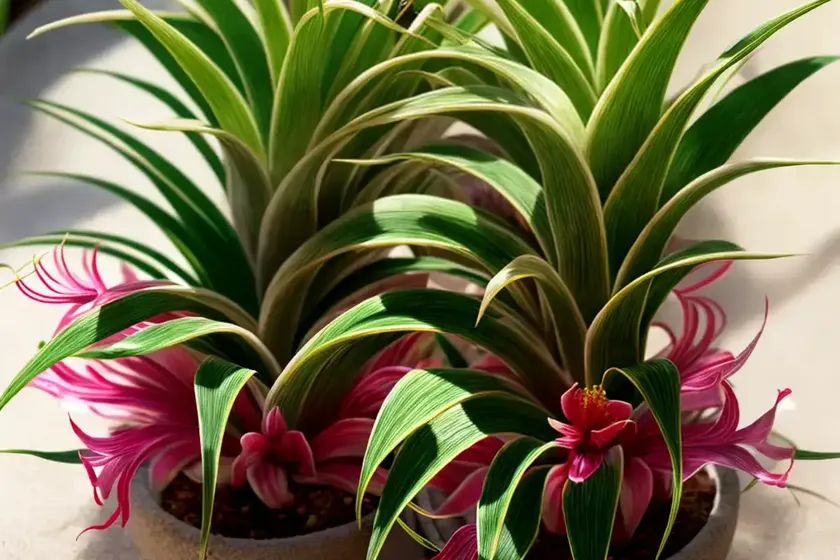
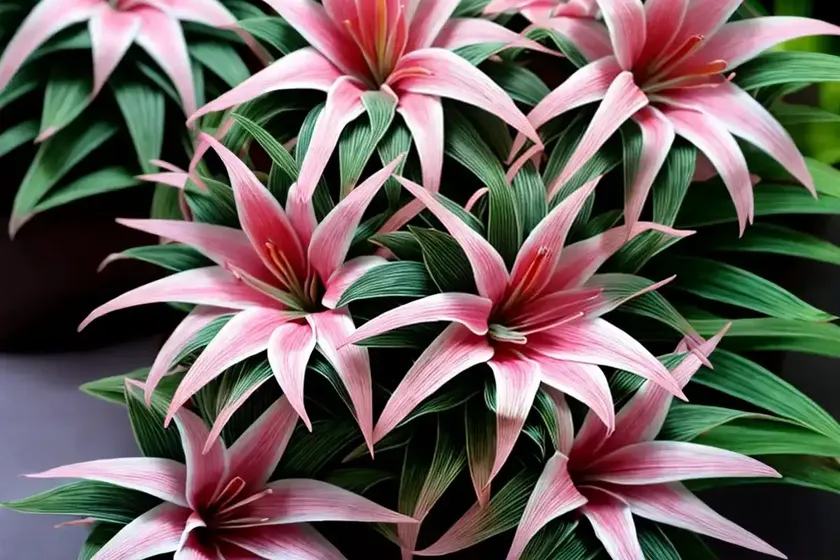
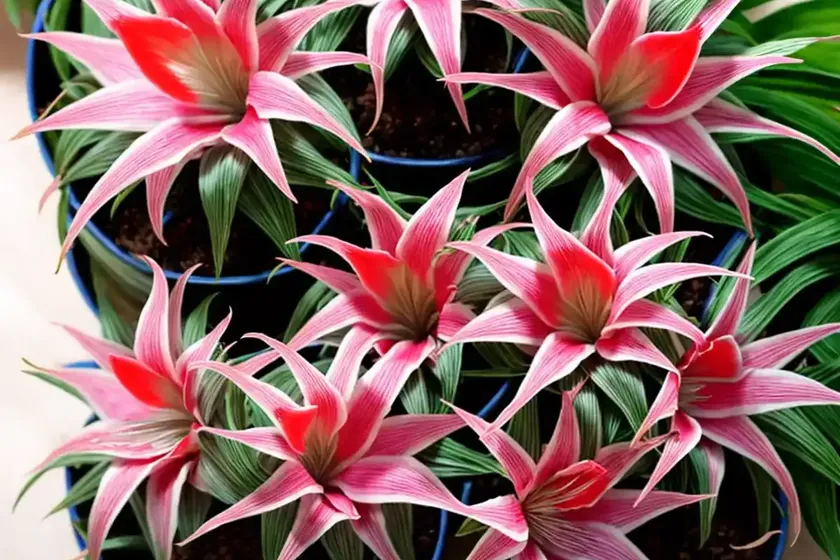
Ionantha Rubra, scientifically known as Tillandsia ionantha, is a species of bromeliad that belongs to the family Bromeliaceae. It is a popular epiphytic plant, commonly known as air plant, notable for its unique ability to grow without soil. The Ionantha Rubra is native to Central America, particularly found in regions of Guatemala, Honduras, and Mexico. This beautiful plant is characterized by its vibrant green leaves and striking red or pink inflorescence, making it a sought-after addition to plant collections and terrarium displays.
Key Takeaways – Ionantha Rubra (Ionantha rubra)
- Scientific Name: Tillandsia ionantha
- Common Name: Ionantha Rubra
- Family: Bromeliaceae
- Native Region: Central America
- Special Features: Epiphytic nature, vibrant green leaves, colorful inflorescence
- Popular Uses: Ornamental plant, terrariums, air plant displays
Now, let’s delve deeper into the essential aspects of caring for the Ionantha Rubra, exploring its cultural requirements, uses, watering, sunlight, fertilizer needs, soil preferences, propagation methods, common diseases, and pest management.
Culture
Uses
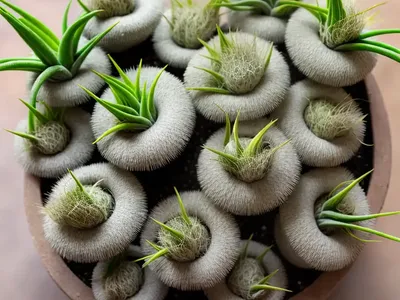
The Ionantha Rubra is primarily cultivated for ornamental purposes due to its visually appealing foliage and blossoms. This plant is a popular choice for terrarium displays, air plant arrangements, and indoor decorative setups. Its epiphytic nature makes it an ideal choice for those who enjoy unique plant displays without the need for traditional soil-based cultivation.
Water
Ionantha Rubra belongs to the category of air plants, known for their unique ability to absorb moisture and nutrients through their leaves. Proper watering is crucial for the health and vitality of Ionantha Rubra. These plants thrive in a humid environment and require occasional misting or soaking to maintain moisture levels. When watering, it’s important to ensure that the plant is able to dry fully within 4 hours to prevent rotting.
Sunlight
Ionantha Rubra thrives in bright, indirect light, making it an excellent choice for indoor environments. However, it is essential to protect these plants from direct sunlight, as excessive exposure can lead to leaf burn and dehydration. Placing them near a window with sheer curtains or in areas with filtered natural light is ideal for maintaining their health and promoting optimal growth.
Fertilizer
As epiphytic plants, Ionantha Rubra has unique nutritional requirements. To support their growth and vibrancy, a diluted, water-soluble fertilizer can be applied to the plants once a month. It’s essential to use a fertilizer specifically formulated for air plants or bromeliads to prevent any potential damage caused by an unsuitable fertilizer.
Soil
One of the unique aspects of Ionantha Rubra is its ability to grow without traditional soil. Being an air plant, it attaches itself to various substrates such as trees, rocks, or other support structures while obtaining nutrients and moisture from the air. Therefore, there is no specific soil requirement for this plant, making it a versatile and low-maintenance option for plant enthusiasts.
Pruning
Pruning is not a common practice for Ionantha Rubra, as its growth habit does not typically require extensive maintenance. However, removing any dried or withered leaves can help improve the plant’s appearance and prevent the onset of potential diseases. Pruning should be done with care to avoid damaging the healthy foliage.
Propagation
Ionantha Rubra can be propagated through offsets, also known as “pups,” which are miniature versions of the parent plant that develop at the base. These offsets can be carefully separated from the mother plant once they have reached a suitable size and can be placed in a separate location to continue growing. This method of propagation allows plant enthusiasts to expand their collection and share these unique plants with others.
Container Popularity
Ionantha Rubra is a popular choice for various container setups, including terrariums, glass globes, and small decorative containers. Its compact size, vibrant coloration, and ability to thrive without soil make it an excellent candidate for diverse container displays. This plant’s versatility and adaptability to unconventional growing spaces contribute to its popularity among plant enthusiasts.
Common Diseases
While Ionantha Rubra is resilient and generally low-maintenance, it can be susceptible to certain diseases if its cultural requirements are not adequately met. Common issues that may affect this plant include fungal infections, rot, and pest infestations. Providing the appropriate environmental conditions and maintaining a proper care regimen can significantly reduce the risk of diseases impacting the health of Ionantha Rubra.
Disease Diagnosis
Diagnosing diseases in Ionantha Rubra primarily involves observing changes in its foliage, such as discoloration, spotting, or unusual texture. Additionally, monitoring the plant’s overall growth and vitality can provide valuable insights into its health status. Timely identification of symptoms and prompt action can aid in addressing potential diseases and preserving the plant’s well-being.
Common Pests
While Ionantha Rubra is relatively resistant to pests, it may occasionally encounter issues with insects such as aphids, spider mites, and mealybugs. These pests can affect the plant’s health by feeding on its foliage and disrupting its physiological processes. Vigilant inspection and proactive pest management strategies are crucial for preventing infestations and maintaining the plant’s vitality.
Botanist’s Tips
- Humidity Regulation: Maintaining adequate humidity levels is essential for the well-being of Ionantha Rubra. Regular misting or providing a humid environment can support its growth and overall health.
- Avoid Overwatering: While ensuring proper hydration is important, overwatering can lead to detrimental consequences, such as root rot and fungal issues. Monitoring the plant’s moisture needs is crucial for its long-term success.
- Gentle Handling: Ionantha Rubra is a delicate plant, and care should be taken when handling it to avoid damage to its leaves and fragile structure.
- Optimal Lighting: Providing the right balance of light is crucial for Ionantha Rubra’s growth. Protecting it from direct sunlight while ensuring sufficient brightness is essential for its well-being.
Fun Facts
- Ionantha Rubra is a member of the bromeliad family, known for its diverse and captivating plant forms.
- This plant’s natural habitat in Central America showcases its adaptability to thriving in unique environmental conditions.
- Ionantha Rubra’s vibrant inflorescence adds a stunning touch to its appearance, making it a captivating addition to any plant display.
- The versatility of Ionantha Rubra as an air plant allows for creative and innovative decorative arrangements, contributing to its popularity among plant enthusiasts.
Links to External Resources
For additional information on Ionantha Rubra (Tillandsia ionantha) and related topics, feel free to explore the following resources:
* American Bromeliad Society
* International Plant Propagators’ Society
* Royal Horticultural Society
* Tillandsia International
* University of Florida IFAS Extension – Bromeliads
In conclusion, Ionantha Rubra is an enchanting air plant known for its resilience, unique growth habits, and captivating aesthetic appeal. Understanding its cultural requirements, propagation methods, and potential challenges is essential for successfully incorporating this distinctive plant into indoor and terrarium displays. By providing the appropriate care and maintaining a suitable environment, plant enthusiasts can enjoy the beauty and charm of Ionantha Rubra while exploring creative ways to showcase its elegance and natural charm.