Indian Jujube (Ziziphus Mauritiana)
Welcome to our comprehensive guide on the Indian Jujube (Ziziphus Mauritiana), a fascinating and versatile plant with a rich cultural and culinary history..
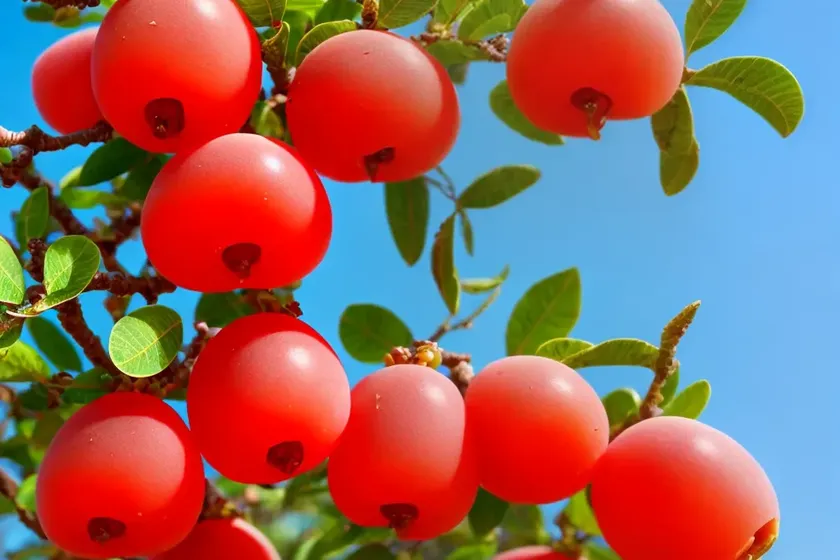
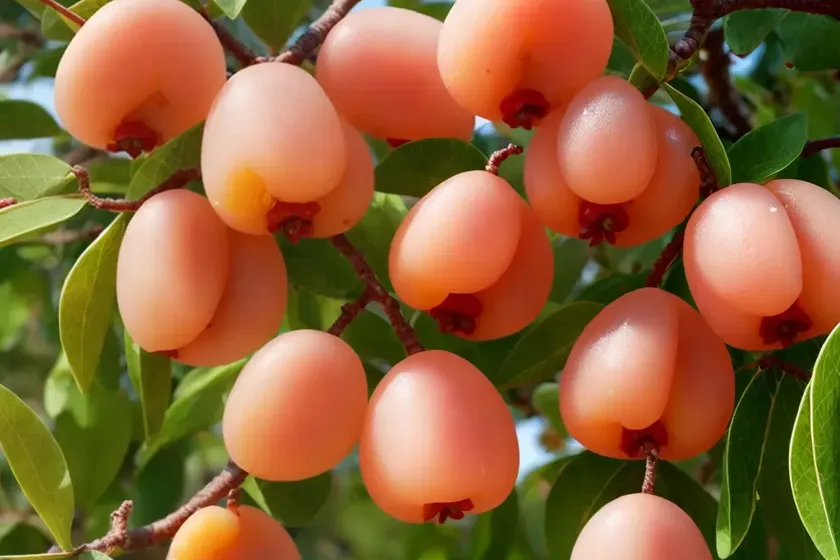
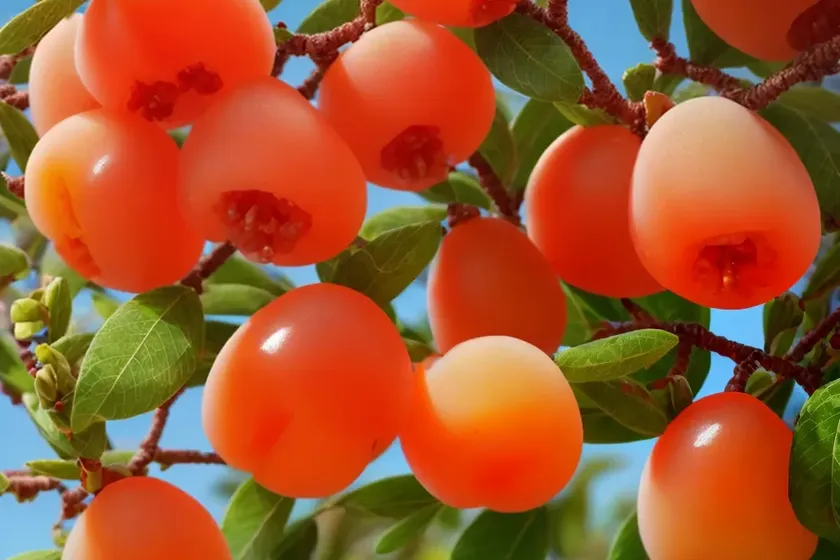
Introduction
Welcome to our comprehensive guide on the Indian Jujube (Ziziphus Mauritiana), a fascinating and versatile plant with a rich cultural and culinary history. In this guide, we will delve into the various aspects of Indian Jujube, including its cultural significance, uses, cultivation, care, common diseases and pests, and much more. Whether you are a seasoned gardener, a nature enthusiast, or someone simply curious about this remarkable plant, this guide aims to provide you with a thorough understanding of Indian Jujube and how to successfully cultivate and care for it.
What is Indian Jujube (Ziziphus Mauritiana)?
Indian Jujube, scientifically known as Ziziphus Mauritiana, is a small to medium-sized tree native to South Asia. It belongs to the Rhamnaceae family and is known by various regional names such as Ber, Bor, Chinese Date, Indian Plum, and Masau. The plant is cherished for its delicious and nutritious fruits, which have been a part of local cuisines and traditional medicine for centuries.
Indian Jujube trees are deciduous and typically reach a height of 5-12 meters, with a spread of 3-6 meters. Its small, oval-shaped fruits are a rich source of vitamins, minerals, and antioxidants, making them a valuable addition to a balanced diet. Moreover, the tree is known for its resilience in adverse growing conditions, making it a popular choice for arid and semi-arid regions.
Key Takeaways – Indian Jujube (Ziziphus Mauritiana)
Before we delve into the specifics of cultivating and caring for Indian Jujube, let’s take a look at some key takeaways about this remarkable plant:
-
Cultural Significance: Indian Jujube holds significant cultural and traditional importance in South Asian societies. It has been an integral part of local folklore, culinary traditions, and traditional medicine for centuries.
-
Nutritious Fruits: The fruits of Indian Jujube are rich in vitamins, minerals, and antioxidants, making them a valuable addition to a healthy diet.
-
Resilient Plant: Indian Jujube trees exhibit resilience to adverse growing conditions, particularly in arid and semi-arid regions.
-
Medicinal Properties: Besides its culinary uses, various parts of the Indian Jujube tree have been used in traditional medicine to address a range of health issues.
Now, let’s explore the various aspects of the cultivation and care of Indian Jujube, from its cultural significance to its maintenance and potential challenges.
Culture
Native Uses of Indian Jujube
Indian Jujube has been an integral part of the traditional cultures and culinary practices of South Asia for centuries. The fruits are commonly eaten fresh or dried, often used in making jams, jellies, and syrups, and are also fermented to make alcoholic beverages. Moreover, Indian Jujube fruits are used in various traditional desserts and confections, showcasing their rich versatility in local cuisines.
The leaves and bark of the Indian Jujube tree have been used in traditional medicine to address a range of ailments, including digestive issues, skin problems, and respiratory conditions. Additionally, the wood of the tree is valued for its strength and is used in woodworking and crafting.
Indian Jujube trees are also known for their ability to thrive in harsh environmental conditions, including drought and poor soils. This adaptability has made them an essential source of food and income for communities in arid regions.
Health Benefits of Ziziphus Mauritiana
The fruits of Indian Jujube are not only delicious but also offer an array of health benefits. These benefits include:
-
Rich in Antioxidants: Indian Jujube fruits are packed with antioxidants that help combat oxidative stress and reduce the risk of chronic diseases.
-
Vitamin C: The fruits are an excellent source of vitamin C, which supports immune function and overall health.
-
Mineral Content: Indian Jujube fruits contain essential minerals such as potassium, magnesium, and iron, contributing to overall wellbeing.
-
Digestive Health: Traditionally, the fruits have been used to aid digestion and alleviate gastrointestinal issues.
-
Anti-inflammatory Properties: Some studies suggest that Indian Jujube possesses anti-inflammatory properties, which may have potential health benefits.
Despite its delicious taste, it is important to note that Indian Jujube fruits, like any other food, should be consumed in moderation as part of a balanced diet.
Uses
Culinary Uses of Indian Jujube
Indian Jujube fruits are incredibly versatile in the kitchen and are used in a variety of both sweet and savory dishes. Some popular culinary uses of Indian Jujube include:
-
Fresh Consumption: The fruits are commonly eaten fresh, offering a crisp, sweet, and slightly tangy flavor.
-
Dried Fruits: Drying the fruits intensifies their sweetness and is a common method of preservation. Dried Indian Jujube fruits are often enjoyed as a snack or used in desserts and trail mixes.
-
Preserves and Jams: The fruits are commonly used to make preserves, jams, and jellies, often combined with other fruits to create delightful spreads.
-
Beverages: Indian Jujube fruits can be fermented to make flavorful alcoholic beverages. They are also used in making refreshing juices and smoothies.
-
Desserts: From puddings to cakes and pastries, Indian Jujube fruits are utilized in a variety of sweet treats, adding a unique flavor to these confections.
Medicinal and Herbal Uses of Ziziphus Mauritiana
The medicinal properties of various parts of the Indian Jujube tree have been recognized in traditional medicine systems. Some common medicinal uses include:
-
Digestive Aid: The fruits are often used to improve digestion and alleviate digestive discomfort.
-
Skin Health: Extracts from the leaves and bark of the Indian Jujube tree have been used in traditional remedies to address skin conditions and promote skin health.
-
Respiratory Support: In some traditional systems, Indian Jujube has been used to support respiratory health and alleviate coughs.
-
Stress and Relaxation: Certain preparations using Indian Jujube have been used to promote relaxation and address stress-related symptoms.
While these traditional uses showcase the potential benefits of Indian Jujube, it is important to consult with a healthcare professional before using any plant-based remedies for medicinal purposes.
Plant Care
As a gardener or plant enthusiast, understanding the specific care requirements of Indian Jujube is crucial for successfully cultivating and enjoying the benefits of this remarkable tree. Let’s explore the key aspects of caring for Indian Jujube, including its water, sunlight, fertilizer, soil, pruning, and propagation needs.
Water
Indian Jujube trees exhibit remarkable drought tolerance once established, making them well-suited for arid and semi-arid regions. However, adequate watering, particularly during the establishment phase and in dry periods, is essential for healthy growth and fruit production. Here are some key considerations for watering Indian Jujube:
-
Establishment Phase: Newly planted trees benefit from regular watering to aid in the development of a strong root system. Ensure the soil is consistently moist but not waterlogged during this phase.
-
Mature Trees: Once established, Indian Jujube trees require less frequent watering. Deep, infrequent watering is generally preferred, allowing the soil to partially dry out between waterings to encourage deep root growth.
-
Adaptation to Dry Conditions: Indian Jujube trees have the remarkable ability to adapt to dry conditions, and excessive watering should be avoided to prevent waterlogged soil and root rot.
Appropriate watering practices depend on factors such as soil type, local climate, and the tree’s stage of growth. It is recommended to adjust watering routines based on these factors to ensure optimal health and productivity of Indian Jujube trees.
Sunlight
Indian Jujube trees thrive in full sun, requiring at least 6-8 hours of direct sunlight per day to achieve robust growth and abundant fruit production. When selecting a planting location, consider the following sunlight-related factors:
-
Optimal Exposure: Choose a site that receives ample sunlight throughout the day, preferably with minimal shading from nearby structures or trees.
-
Orientation: In regions with hot or intense sunlight, providing some protection during the hottest part of the day, particularly in the summer months, can benefit the tree.
-
Adaptability: While Indian Jujube trees prefer full sun, they can tolerate partial shade, although this may affect fruit production and overall growth.
Ensuring adequate sunlight exposure is essential for maximizing the vitality and fruitfulness of Indian Jujube trees, making it an ideal choice for sunny, warm climates.
Fertilizer
Fertilizing Indian Jujube trees is important for supporting healthy growth, fruit development, and overall vigor. While Indian Jujube is known for its adaptability to poor soils, providing some nutritional support can enhance its performance. Consider the following guidelines for fertilizing Indian Jujube:
-
Soil Testing: Conduct a soil test to determine the nutrient levels and pH of the soil. This information can guide you in selecting the appropriate fertilizers and amendments.
-
Balanced Fertilizers: Use a balanced fertilizer with a combination of nitrogen, phosphorus, and potassium, along with micronutrients. Select a formulation tailored to fruit-bearing trees or consider organic alternatives.
-
Application Timing: Apply fertilizer in the early spring before the onset of new growth. Additionally, a supplemental application in early summer can support fruit development.
-
Avoid Excessive Nitrogen: While nitrogen is important for foliage growth, excessive nitrogen can inhibit fruiting. Select a fertilizer with a moderate nitrogen content to balance vegetative and reproductive growth.
-
Mulching: Organic mulch, such as well-rotted compost or aged manure, can supplement the soil with nutrients as it breaks down and improve moisture retention.
Proper fertilization practices can contribute to the overall health and productivity of Indian Jujube trees, ensuring robust growth and bountiful harvests.
Soil
Indian Jujube trees exhibit adaptability to a wide range of soil types, including sandy, loamy, and clay soils. However, providing well-draining soil with a slightly acidic to neutral pH is essential for optimal growth. Consider the following soil-related factors when cultivating Indian Jujube:
-
pH Requirements: Indian Jujube trees prefer slightly acidic to neutral soil with a pH range of 6.0-7.5. Conduct a soil test to determine the pH and make necessary amendments if the soil is too acidic or alkaline.
-
Drainage: Ensure the selected planting site has well-draining soil to prevent waterlogging, which can lead to root rot and other issues. In heavy clay soils, amending with organic matter can improve drainage.
-
Texture: While Indian Jujube trees can tolerate various soil textures, a loamy soil with a balanced mix of sand, silt, and clay is often ideal for supporting healthy root development.
-
Soil Preparation: Prior to planting, prepare the soil by loosening it to a depth of 12-18 inches and incorporating organic matter such as compost or aged manure to improve fertility and structure.
By providing well-draining soil with the proper pH and fertility, you can create an optimal growing environment for Indian Jujube trees, promoting strong, healthy growth and fruit production.
Pruning
Pruning plays a crucial role in maintaining the health, shape, and productivity of Indian Jujube trees. Proper pruning practices can help manage growth, encourage fruit production, and improve air circulation within the canopy. Consider the following pruning guidelines for Indian Jujube:
-
Formative Pruning: During the early years, focus on formative pruning to establish a strong and well-structured framework for the tree. Remove any competing or crossing branches to create an open, balanced canopy.
-
Thinning: Periodic thinning of older branches and those that are overly crowded can promote better light penetration and air circulation, reducing the risk of disease and promoting fruit ripening.
-
Pruning Methods: Use clean, sharp pruning tools to make clean cuts, avoiding tearing or crushing the bark. Prune during the dormant season, typically in late winter or early spring, before new growth begins.
-
Remove Suckers: Regularly remove any suckers or water sprouts that emerge from the base of the tree or along the branches to direct energy toward productive growth.
-
Sanitation: Promptly remove any dead, diseased, or damaged wood to maintain the overall health and vigor of the tree.
Pruning can be both an art and a science, and understanding the growth habits and requirements of Indian Jujube trees is essential for making informed pruning decisions.
Propagation
The propagation of Indian Jujube can be achieved through a few different methods, each with its own advantages and considerations. Whether you’re looking to establish new trees or propagate existing ones, understanding the various propagation techniques is valuable. Explore the following methods of propagation for Indian Jujube:
-
Seed Propagation: Propagating Indian Jujube from seeds is a straightforward and cost-effective method. Collect mature fruits, extract the seeds, and sow them in well-draining soil in a nursery or directly in the desired growing location. Keep the soil consistently moist until germination occurs.
-
Cutting Propagation: Softwood or hardwood cuttings can be used to propagate Indian Jujube, with softwood cuttings being more commonly utilized. Select healthy, disease-free cuttings, treat them with rooting hormone, and plant them in a well-draining rooting medium. Provide the appropriate environmental conditions and maintain consistent moisture until the cuttings root.
-
Air Layering: Air layering is a propagation technique that involves encouraging roots to form on a stem while still attached to the parent plant. This method can be effective for propagating selected branches of mature Indian Jujube trees.
The choice of propagation method depends on factors such as desired quantity, available resources, and environmental conditions. Each method offers its own unique advantages and challenges, and selecting the most suitable approach can lead to successful propagation.
Container Popularity
Indian Jujube in Containers
Indian Jujube can be successfully grown in containers, making it a versatile option for small gardens, urban environments, or regions with limited outdoor space. Cultivating Indian Jujube in containers presents a unique set of considerations, and understanding the requirements of container-grown plants is essential for success. Consider the following factors when growing Indian Jujube in containers:
-
Container Size: Select a large, sturdy container with a generous volume to accommodate the roots and support the growth of the tree. A container with a diameter of at least 20-24 inches and a similar depth is generally suitable for a young Indian Jujube tree.
-
Drainage: Ensure the container has adequate drainage holes to prevent waterlogging. Consider using a well-draining potting mix or adding materials such as perlite or coarse sand to improve drainage.
-
Positioning: Place the container in a sunny location, preferably receiving 6-8 hours of direct sunlight per day. As Indian Jujube trees grown in containers are more susceptible to drying out, be mindful of their water needs, particularly during hot or windy weather.
-
Fertilization: Container-grown Indian Jujube trees may require more frequent fertilization than those planted in the ground. Use a balanced fertilizer at half the recommended strength during the growing season.
-
Pruning: Regular pruning is essential for managing the size and structure of container-grown Indian Jujube trees, ensuring they remain manageable and productive in a confined space.
By carefully attending to the unique needs of container-grown Indian Jujube, you can enjoy the beauty and bounty of this versatile tree even in limited gardening spaces.
Common Diseases
Disease Diagnosis and Management
Indian Jujube trees are relatively resistant to many pests and diseases but may still encounter certain issues under unfavorable growing conditions. Understanding the common diseases and their management is essential for maintaining the health and productivity of Indian Jujube. Consider the following common diseases that may affect Indian Jujube trees:
-
Anthracnose: Anthracnose is a fungal disease that causes dark lesions on the leaves, twigs, and fruits, often leading to premature fruit drop. Proper sanitation, fungicidal sprays, and promoting good air circulation can help manage anthracnose.
-
Root Rot: Excessive moisture and poor drainage can lead to root rot, causing wilting, yellowing of leaves, and general decline. Improving drainage and avoiding overwatering are crucial for preventing root rot.
-
Powdery Mildew: Powdery mildew appears as a white, powdery growth on the leaves and can affect the overall vigor of the tree. Fungicidal treatments and reducing humidity around the tree can help control powdery mildew.
-
Fruit Rots: Several fungal pathogens can cause fruit rots, resulting in the deterioration of the harvested fruits. Proper harvesting techniques, fruit sanitation, and fungicidal sprays can mitigate the impact of fruit rots.
-
Leaf Spot Diseases: Various fungal and bacterial pathogens can cause leaf spot diseases, resulting in the formation of dark spots on the leaves. Pruning to improve air circulation, proper sanitation, and fungicidal treatments can help manage leaf spot diseases.
-
Viruses: Indian Jujube trees can be susceptible to certain viral diseases, which may cause stunted growth, distorted leaves, and reduced fruit quality. Preventing the transmission of viruses through proper sanitation and managing insect vectors can minimize their impact.
A vigilant approach to monitoring the health of Indian Jujube trees, practicing good cultural practices, and implementing targeted treatments when necessary can help mitigate the impact of common diseases.
Common Pests
Pest Control and Prevention
While Indian Jujube trees are relatively resilient to many pests, some insects can pose challenges to the health and productivity of the tree. Understanding common pests and implementing appropriate control measures is crucial for minimizing their impact. Consider the following common pests that may affect Indian Jujube trees:
-
Aphids: Aphids are small, soft-bodied insects that feed on the sap of the leaves and tender shoots, often leading to leaf distortion and reduced vigor. Insecticidal soaps, horticultural oils, and natural predators can help control aphid populations.
-
Spider Mites: Spider mites are tiny arachnids that can cause stippling and discoloration of the leaves, particularly under hot and dry conditions. Regularly spraying the foliage with a strong stream of water and using horticultural oils can help manage spider mite infestations.
-
Fruit Flies: Fruit flies can infest ripe fruits, leading to the development of maggots within the fruits. Bagging the fruits, using pheromone traps, and maintaining good sanitation practices can reduce fruit fly damage.
-
Scale Insects: Scale insects can infest the branches and stems of Indian Jujube trees, feeding on the sap and often leading to weakened growth. Horticultural oils and insecticidal soaps can be effective in controlling scale insect infestations.
-
Borers: Borers are insect larvae that tunnel into the branches and trunk of the tree, causing structural damage and reduced vitality. Pruning away infested branches, using barrier methods, and applying targeted insecticides can help manage borer populations.
-
Leafhoppers: Leafhoppers are small, agile insects that can cause stippling and discoloration of the leaves, affecting the overall appearance of the tree. Insecticidal treatments and promoting natural predators can help manage leafhopper infestations.
By carefully monitoring Indian Jujube trees for signs


