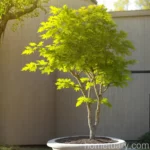
Oriental White Oak (Quercus aliena): A Comprehensive Guide

Image source: National Wildlife Federation
Introduction
Oriental white oak, scientifically known as Quercus aliena, is a magnificent tree known for its strength, durability, and aesthetic appeal. This species, native to Asia, particularly East Asia and Southeast Asia, has gained popularity not only for its ornamental value in landscapes but also for its ecological and cultural significance. In this comprehensive guide, we will explore the various aspects of Oriental white oak – from its cultural uses to its growth requirements, conservation status, and much more.
What is Oriental White Oak (Quercus aliena)?
Quercus aliena, commonly referred to as Oriental White Oak, is a species of oak tree belonging to the family Fagaceae. As a deciduous tree, it sheds its leaves annually and typically grows to a height of 25-30 meters, with a trunk diameter reaching 1-2 meters. The tree’s crown is broad and rounded, creating a commanding presence in its natural habitat and cultivated landscapes.
Key Takeaways – Oriental White Oak (Quercus aliena)
Before delving into the specific aspects of Oriental white oak care and cultivation, let’s highlight some key takeaways about this remarkable tree:
- Oriental white oak, also known as Quercus aliena, is a deciduous tree known for its strength, durability, and aesthetic appeal.
- This species is native to East Asia and Southeast Asia and is widely cherished for its ornamental value in gardens, parks, and natural landscapes.
- Quercus aliena has significant cultural and ecological importance, playing a vital role in wildlife habitat, traditional uses, and folklore.
- Understanding the plant’s requirements and growth characteristics is crucial for successful cultivation and conservation efforts.
Culture
Understanding the cultural significance and traditional uses of Oriental white oak is essential for appreciating its role in the heritage and practices of diverse communities. Let’s explore the cultural context of Quercus aliena and uncover its historical, medicinal, and folklore-related aspects.
Historical and Traditional Uses
Oriental white oak has been deeply intertwined with the cultural practices and traditions of various societies across its native range. In many East Asian countries, the wood of Quercus aliena has been historically valued for its strength and durability, making it a preferred material for crafting furniture, construction, and woodworking. Additionally, the oak’s bark and leaves have been utilized in traditional medicine and ceremonial rituals by indigenous communities.
Folklore and Symbolism
Like many tree species, Oriental white oak has been associated with symbolism and folklore in different cultural contexts. In some regions, it is regarded as a symbol of strength, longevity, and resilience, often referenced in folklore, legends, and spiritual beliefs. Understanding these cultural associations adds a layer of appreciation for the deep-rooted symbolism of Quercus aliena in human culture.
Uses
The uses of Oriental white oak encompass a wide range of applications, from ecological benefits to commercial utilization and landscape design. By exploring the varied uses of Quercus aliena, we gain insight into its multifaceted contributions to biodiversity, sustainability, and human well-being.
Ecological Benefits
As a dominant tree species in its native habitat, Oriental white oak plays a pivotal role in supporting diverse ecosystems. Its large canopy provides shade and shelter for numerous species of birds, insects, and mammals, contributing to the overall biodiversity of the region. Furthermore, the tree’s acorns serve as a vital food source for wildlife, ensuring the continuity of numerous ecological interactions and food webs.
Commercial Utilization
The wood of Quercus aliena is renowned for its desirable characteristics, making it a valuable resource for various industries. From construction and flooring to furniture making and woodworking, the wood of Oriental white oak is prized for its strength, durability, and attractive grain patterns. Additionally, the tree’s bark and leaves have been used in traditional medicine and botanical applications, underscoring its significance beyond commercial considerations.
Landscape Design
In horticulture and landscape architecture, Oriental white oak holds immense appeal for its majestic form, striking foliage, and robust growth habit. It is often featured in naturalistic plantings, urban green spaces, and arboretums, where its imposing stature and seasonal beauty captivate observers. Incorporating Quercus aliena into landscape designs enhances the aesthetic and ecological value of outdoor environments, contributing to sustainable and biodiverse green spaces.
Horticultural Care
Water
Providing adequate water is crucial for the establishment and continued growth of Oriental white oak trees. During the initial planting and early stages of growth, regular watering is essential to support root development and overall vigor. It is recommended to water newly planted trees deeply, ensuring that the soil around the root zone remains consistently moist but not waterlogged. As the tree matures, it demonstrates moderate drought tolerance, but supplemental watering during prolonged dry spells can contribute to healthier foliage and sustained growth.
Sunlight
Oriental white oak thrives in locations that receive ample sunlight. As a light-demanding species, it flourishes in full sun conditions, where it can maximize photosynthesis and achieve optimal growth. When selecting a site for planting Quercus aliena, prioritize areas with exposure to direct sunlight throughout the day. Adequate sunlight not only promotes vigorous growth but also enhances the development of the tree’s characteristic foliage, ensuring a lush and vibrant canopy.
Fertilizer
Fertilization plays a supportive role in the overall health and vitality of Oriental white oak trees. In nutrient-deficient soils or urban environments where soil quality may be compromised, supplemental fertilization can aid in providing essential nutrients for optimal growth. When applying fertilizer, opt for a balanced, slow-release formula specifically designed for woody plants. It is advisable to administer fertilizer in early spring to coincide with the onset of active growth, ensuring that the tree can efficiently utilize the nutrients throughout the growing season.
Soil
Understanding the soil preferences of Oriental white oak is fundamental to establishing a suitable environment for its growth and development. Quercus aliena thrives in well-drained, fertile soils and displays a degree of adaptability to varying soil types. However, it performs best in loamy, slightly acidic to neutral soils that offer good drainage and adequate aeration. Prior to planting, it is beneficial to assess the soil composition and make any necessary amendments to optimize the growing conditions for the tree.
Pruning
Pruning practices for Oriental white oak are centered on promoting structural integrity, enhancing aesthetics, and managing potential issues such as dead or diseased branches. When undertaking pruning activities, it is important to adhere to best practices to minimize stress and ensure the tree’s resilience. Prune the tree during the dormant season to reduce the risk of sap flow and to allow for optimal healing of pruning wounds. Focus on removing any damaged, crossing, or congested branches while maintaining the tree’s natural form and proportion.
Propagation
The propagation of Oriental white oak can be achieved through various methods, with each approach offering distinct advantages and considerations. Understanding the propagation techniques enables horticulturists, enthusiasts, and conservationists to propagate and introduce this valuable species to new environments, contributing to its preservation and diversity.
Seed Propagation
Growing Oriental white oak from seeds is a commonly practiced method that allows for the propagation of genetically diverse individuals. Collect mature acorns in the fall and sow them in a prepared seedbed or containers. Stratification, a cold-moist treatment, is often beneficial to enhance germination rates. Once established, seedlings can be nurtured and transplanted to their permanent locations, where they will develop into resilient trees.
Vegetative Propagation
Vegetative propagation methods, such as grafting and rooting cuttings, offer the advantage of preserving the desirable traits of selected trees. Grafting Quercus aliena onto compatible rootstocks can expedite the production of uniform, high-quality trees with known characteristics. Rooting cuttings from selected individuals can also yield genetically identical progeny, presenting an alternative approach for propagating Oriental white oak.
Container Popularity
Due to its attractive foliage, imposing growth habit, and ecological significance, Oriental white oak has gained popularity as a container plant. Its adaptability to container cultivation makes it a versatile choice for patios, urban gardens, and commercial landscapes. When selecting containers for Quercus aliena, prioritize spacious, well-draining pots that provide ample room for root development. Regular maintenance, including watering, fertilization, and occasional root pruning, supports the healthy growth of Oriental white oak in containers.
Common Diseases
As with many tree species, Oriental white oak is susceptible to certain diseases that can affect its overall health and vigor. Recognizing the common diseases and implementing preventive measures is essential for safeguarding the tree against potentially damaging pathogens.
Oak Wilt
Oak wilt, caused by the fungal pathogen Bretziella fagacearum (formerly Ceratocystis fagacearum), poses a significant threat to the health of Quercus aliena and other oak species. This vascular disease can lead to wilting, discoloration, and defoliation of the tree, ultimately resulting in decline and mortality. Prevention strategies, such as avoiding pruning during the growing season and promoting tree vigor through proper care, are essential for mitigating the risk of oak wilt.
Anthracnose
Anthracnose, a group of fungal diseases caused by various pathogens, can manifest as leaf spots, blights, and twig dieback in Oriental white oak. During periods of extended wetness, the disease can progress and impact the tree’s overall canopy health. Implementing cultural practices, such as ensuring proper air circulation and promptly removing and disposing of infected plant material, can aid in managing anthracnose and limiting its impact on Quercus aliena.
Heart Rots
Heart rot fungi, including species such as Inonotus and Fomitopsis, can colonize the heartwood of Oriental white oak, leading to decay and structural compromise. Monitoring tree health and promptly addressing any signs of decay, such as conks or wood softening, can aid in identifying and managing heart rot issues. Pruning and sanitation practices, combined with promoting overall tree vigor, are vital for minimizing the risk of heart rots in Quercus aliena.
Disease Diagnosis
Diagnosing diseases in Oriental white oak involves careful observation, symptom analysis, and, in some cases, laboratory testing to confirm the presence of specific pathogens. Appropriate disease diagnosis is crucial for implementing targeted management strategies and preserving the health and longevity of Quercus aliena.
Visual Symptoms
When inspecting Oriental white oak for signs of disease, observe the foliage, stems, and overall canopy for symptoms such as leaf discoloration, wilting, cankers, or unusual growths. Additionally, assess the tree for any structural irregularities, such as decay, cracks, or abnormal swelling, which may indicate underlying disease issues. Thorough visual examination provides valuable clues for disease diagnosis and subsequent management efforts.
Laboratory Analysis
In cases where visual symptoms are inconclusive or when a precise identification of the causative agent is required, submitting samples to diagnostic laboratories can provide accurate disease diagnosis. Laboratory analysis, including pathogen isolation, molecular testing, and microscopy, can identify the specific pathogens responsible for the observed symptoms, guiding the formulation of targeted disease management strategies.
Common Pests
Oriental white oak, like other oak species, may face challenges from various insect pests that can compromise its health and vitality. Recognizing the common pests and understanding their life cycles and habits is instrumental in implementing effective pest management practices.
Gypsy Moth
The gypsy moth (Lymantria dispar) is a voracious defoliator that can cause substantial damage to Oriental white oak and other trees. During outbreaks, gypsy moth larvae feed on the foliage, resulting in extensive leaf loss and diminished tree vigor. Monitoring populations of gypsy moth and implementing management tactics, such as biological control agents or targeted insecticide applications, can help mitigate the impact of this destructive pest on Quercus aliena.
Scale Insects
Scale insects, including species such as armored scales and soft scales, can infest the branches and stems of Oriental white oak, sapping nutrients and weakening the tree. Recognizing the signs of scale insect infestations, such as sticky honeydew, sooty mold, or characteristic scale coverings, facilitates early intervention to manage the pest. Horticultural oils, natural enemies, and cultural practices, such as maintaining tree vigor, are essential components of integrated pest management approaches for scale insects.
Oak Leafrollers
Oak leafrollers, the larvae of certain moth species, can cause noticeable defoliation and aesthetic damage to Oriental white oak. The larvae construct protective shelters by rolling and binding the leaf margins, feeding within the sheltered confines and impairing the tree’s photosynthetic capacity. Implementing cultural controls, such as pruning and proper sanitation, and deploying targeted biological insecticides can help manage oak leafroller populations and minimize their impact on Quercus aliena.
Botanist’s Tips
Incorporating the insights and recommendations from botanists and plant experts augments our understanding of Oriental white oak and bolsters our efforts in cultivating, conserving, and appreciating this magnificent species. Here are some valuable tips from botanists that can inform and enrich our interactions with Quercus aliena.
-
Soil Assessment: Before planting Oriental white oak, conduct a comprehensive soil assessment to evaluate key parameters such as texture, pH, and nutrient content. By understanding the soil characteristics, you can make informed decisions regarding soil amendments and site preparation to optimize growing conditions for the tree.
-
Integrated Pest Management: Embrace an integrated pest management (IPM) approach for addressing pest issues in Oriental white oak. Incorporating cultural, biological, and targeted chemical controls in a synergistic manner can mitigate pest pressures while minimizing environmental impact.
-
Conservation Advocacy: Advocate for the conservation of Oriental white oak and its native habitats. Participate in initiatives focused on preserving biodiversity, protecting natural landscapes, and supporting the sustainable management of oak ecosystems to safeguard Quercus aliena and its ecological contributions.
Fun Facts
Exploring the intriguing aspects and captivating characteristics of Oriental white oak enriches our appreciation for this extraordinary tree. Here are some fun facts that illuminate the unique allure of Quercus aliena:
-
Acorn Abundance: Oriental white oak is known for its abundant acorn production, which serves as a critical food source for numerous wildlife species, including birds, mammals, and invertebrates.
-
Fall Foliage Splendor: During the autumn season, Oriental white oak adorns its branches with a spectacular display of vibrant foliage, ranging from golden yellows to rich russet tones, adding a breathtaking spectacle to the landscape.
-
Wildlife Haven: The broad canopy and expansive structure of Oriental white oak provide an invaluable habitat for diverse wildlife, offering nesting sites, roosting locations, and foraging opportunities, thereby enriching the ecological tapestry of its surroundings.
Links to External Resources
To further your exploration of Oriental white oak (Quercus aliena), we have compiled a selection of reputable external resources that offer valuable insights, guidance, and multimedia content on this remarkable tree:
- National Wildlife Federation: Oriental White Oak Species Profile
- USDA Forest Service: Quercus aliena Fact Sheet
- Royal Horticultural Society: Oriental White Oak Plant Profile
- Missouri Botanical Garden: Quercus aliena Information
- The Morton Arboretum: Oriental White Oak Overview
In conclusion, Oriental white oak (Quercus aliena) stands as an emblem of strength, beauty, and ecological richness, embodying its cultural legacy and ecological importance. By delving into the cultural uses, horticultural care, and intriguing characteristics of this esteemed tree, we gain a deeper appreciation for its role in nurturing biodiversity, supporting sustainable landscapes, and captivating the hearts of admirers worldwide.
Through conscientious cultivation, conservation advocacy, and shared knowledge, we can celebrate and preserve the enduring legacy of Oriental white oak, ensuring its grandeur continues to inspire and enrich our natural world.
Disclaimer: This blog post aims to provide a comprehensive guide to Oriental white oak (Quercus aliena) based on current botanical knowledge and horticultural practices. Individuals are encouraged to seek localized advice and professional expertise for specific plant care and conservation efforts.