Indian-currant (Symphoricarpos Orbiculatus)
Welcome to the Plant Scientist’s Guide to Indian-currant (Symphoricarpos Orbiculatus)! In this comprehensive guide, we will delve into the fascinating.
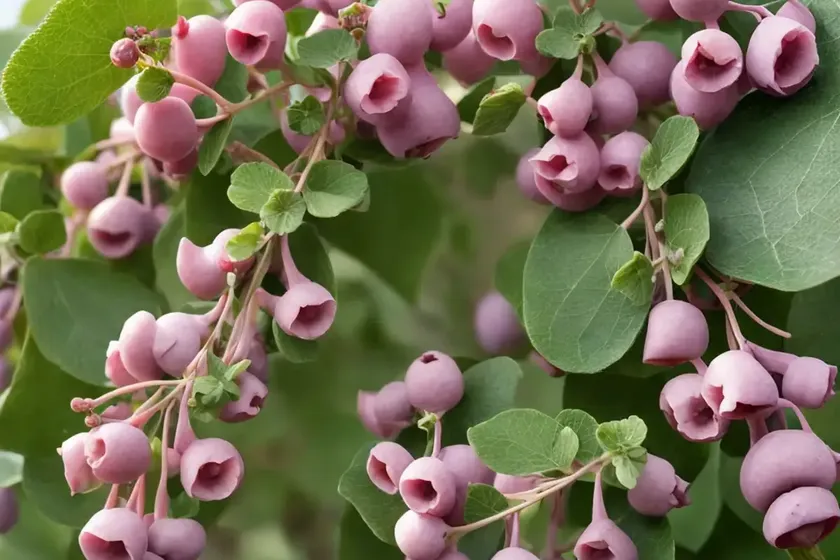
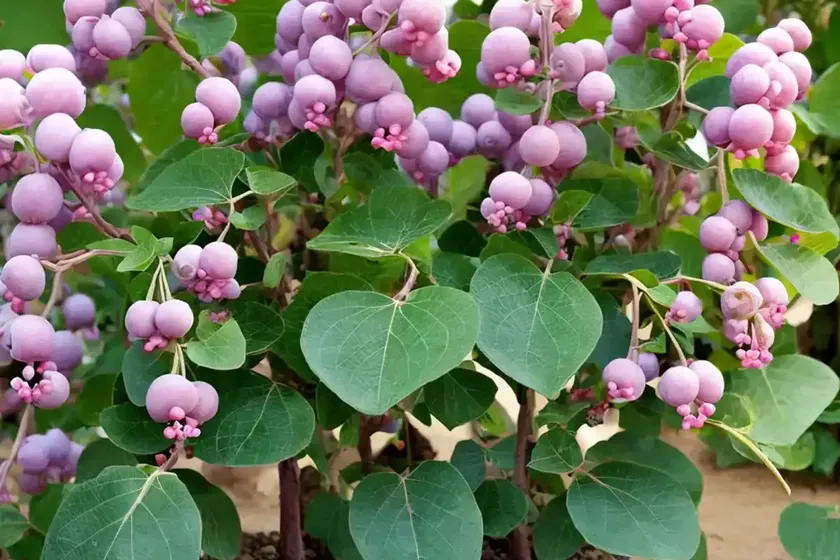
Welcome to the Plant Scientist’s Guide to Indian-currant (Symphoricarpos Orbiculatus)! In this comprehensive guide, we will delve into the fascinating world of Indian-currant, exploring its characteristics, cultivation, care, and uses. As plant scientists, it’s vital to understand the intricate details of various plant species to promote their growth, conservation, and utilization. Indian-currant, with its botanical name Symphoricarpos Orbiculatus, is a remarkable shrub with diverse applications and unique characteristics.
What is Indian-currant (Symphoricarpos Orbiculatus)?
Indian-currant, scientifically known as Symphoricarpos Orbiculatus, is a deciduous shrub that belongs to the Caprifoliaceae family. It is native to North America and is commonly found in regions with moist woodlands, slopes, and stream banks. The plant is renowned for its ornamental berries, which add aesthetic value to landscapes, especially during the fall and winter seasons.
Key Takeaways – Indian-currant (Symphoricarpos Orbiculatus)
Before we embark on the detailed exploration of Indian-currant, let’s highlight some key takeaways about this plant:
- Botanical Name: Symphoricarpos Orbiculatus
- Family: Caprifoliaceae
- Common Name: Indian-currant
- Type: Deciduous shrub
- Native Habitat: North America
- Distinct Feature: Ornamental berries
- Uses: Ornamental, Medicinal, Wildlife Attraction
- Cultivation: Versatile, adaptable to various soil and light conditions
Now, let’s shift our focus to the essential aspects of Indian-currant, including its culture, uses, care, and maintenance.
Culture of Indian-currant (Symphoricarpos Orbiculatus)
Understanding the cultural requirements of Indian-currant is fundamental for successful cultivation and maintenance. Here, we will explore the plant’s preferences for water, sunlight, soil, and fertilizer.
Water
Indian-currant thrives in moderately moist soil conditions. While it can tolerate periods of drought, consistent watering is essential, especially during the establishment phase and in prolonged dry spells. It is important to avoid waterlogged soil, as excessive moisture can lead to root rot and other complications.
Sunlight
When it comes to sunlight, Indian-currant demonstrates remarkable adaptability. It can thrive in partial shade to full sun, making it a versatile option for various landscape settings. However, for optimal berry production and overall growth, providing the plant with at least 6 hours of direct sunlight is recommended.
Fertilizer
Indian-currant generally does not have high fertilizer requirements. A balanced, slow-release fertilizer applied in spring can support healthy growth and berry production. It is important to follow the recommended application rates to prevent over-fertilization, which can negatively impact the plant.
Soil
The plant is adaptable to a range of soil types, including loamy, sandy, or clay soils. However, well-draining soil with rich organic matter is beneficial for promoting vigorous growth and reducing the risk of waterlogged conditions. The soil pH preference of Indian-currant ranges from slightly acidic to neutral.
Uses of Indian-currant (Symphoricarpos Orbiculatus)
Indian-currant offers a myriad of uses, ranging from ornamental and medicinal to ecological and landscaping applications. Understanding these diverse uses provides insights into the plant’s significance and potential contributions to various contexts.
Ornamental Uses
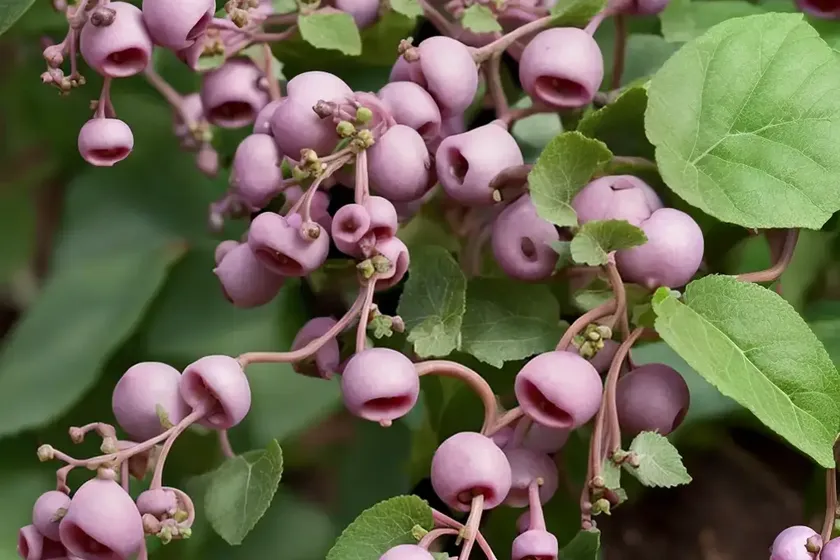
One of the primary attractions of Indian-currant is its ornamental value. The plant’s clusters of glossy, spherical berries in shades of white, pink, or red create visual interest, especially during the fall and winter months. As a result, Indian-currant is often used in landscape designs to add color and texture to gardens, parks, and natural areas.
Medicinal Uses
In addition to its ornamental appeal, Indian-currant has historical applications in traditional medicine. Various parts of the plant, including the berries and roots, have been utilized for their medicinal properties. These traditional uses encompass remedies for conditions such as sore throat, colds, and fevers. While it is essential to exercise caution and seek professional guidance, the medicinal potential of Indian-currant underscores its cultural and historical significance.
Wildlife Attraction
Indian-currant plays a vital role in supporting wildlife, particularly birds. The berries serve as a food source for birds during the winter months when other food options may be scarce. By planting Indian-currant, individuals can contribute to creating wildlife-friendly habitats and supporting biodiversity in their surroundings.
Landscape Uses
The plant’s adaptability, hardiness, and aesthetic appeal make it a valuable addition to landscaping projects. From hedge formations to mixed shrub borders, Indian-currant can be utilized to enhance the visual appeal of outdoor spaces. Its ability to thrive in various light and soil conditions makes it a versatile choice for landscape architects and gardening enthusiasts.
Pruning Indian-currant (Symphoricarpos Orbiculatus)
Pruning is an essential aspect of maintaining Indian-currant and promoting its health, appearance, and berry production. Proper pruning techniques can help shape the plant, remove diseased or damaged parts, and stimulate new growth. Here are some key considerations for pruning Indian-currant:
- Timing: Pruning is typically performed during late winter or early spring while the plant is still dormant. This timing reduces the risk of interfering with the plant’s natural growth cycle or berry development.
- Techniques: When pruning Indian-currant, it is important to focus on removing dead, diseased, or weak branches. Additionally, thinning out excessive growth and shaping the plant can improve air circulation and overall vitality.
- Tools: Using sharp, clean pruning tools is essential to make precise cuts and minimize the risk of damage or infection. Sterilizing the tools before and after use can help prevent the spread of diseases.
Propagation of Indian-currant (Symphoricarpos Orbiculatus)
Propagation is the process of creating new plants from existing ones, allowing for the expansion of Indian-currant populations and the preservation of specific varieties. There are several methods of propagating Indian-currant, each with its own benefits and considerations.
Seed Propagation
Growing Indian-currant from seeds is a viable option for introducing new plants. Collecting ripe berries and extracting the seeds for sowing can be a rewarding and cost-effective propagation method. It is important to stratify the seeds to mimic natural conditions, as Indian-currant seeds typically require a period of cold stratification to germinate successfully.
Cuttings
Utilizing stem cuttings is another popular method of propagating Indian-currant. Semi-hardwood cuttings taken during the plant’s active growth phase can be rooted in a suitable growing medium to establish new plants. This method allows for the preservation of specific traits, such as berry color and growth habits.
Division
In some cases, dividing mature Indian-currant plants can be an effective way to propagate the species. This method involves carefully separating root sections with viable buds to create new plantings. Division can help rejuvenate established plants and facilitate the expansion of Indian-currant in gardens and natural areas.
Container Gardening with Indian-currant (Symphoricarpos Orbiculatus)
For individuals with limited outdoor space or those seeking to create mobile greenery, container gardening presents an attractive option. Indian-currant can thrive in containers, provided that certain considerations are taken into account. Here’s a guide to successfully growing Indian-currant in containers:
Container Selection
When choosing containers for Indian-currant, opt for spacious, well-draining pots that allow room for the plant’s root system to develop. Select containers made of durable materials that can withstand outdoor conditions and provide stability for the growing shrub.
Soil and Drainage
Use a high-quality, well-draining potting mix that promotes healthy root development and prevents waterlogging. Incorporating organic matter into the soil mix can provide essential nutrients and support moisture retention without sacrificing drainage.
Sunlight and Watering
Place the container in a location that receives at least 6 hours of direct sunlight daily. Regular watering is crucial to maintain optimal soil moisture levels, especially during the warmer months. Monitor the soil moisture regularly and adjust the watering frequency as needed.
Fertilization
In container gardening, nutrients can become depleted more rapidly than in traditional garden beds. Applying a balanced, slow-release fertilizer according to the manufacturer’s recommendations can support the plant’s growth and flowering potential.
Pruning and Maintenance
Regular pruning is essential to manage the size and shape of Indian-currant in a container. Remove dead or overcrowded branches and maintain a balanced form to promote healthy growth. Additionally, inspect the plant for any signs of pests or diseases, addressing any issues promptly.
Popularity of Indian-currant (Symphoricarpos Orbiculatus)
Indian-currant holds a notable status in the realm of ornamental shrubs, appreciated for its resilience, visual appeal, and ecological contributions. Its popularity stems from a combination of factors, including its versatility, low maintenance requirements, and beneficial attributes for wildlife and landscapes.
Landscaping Trends
In contemporary landscaping and gardening trends, there is a growing appreciation for native and environmentally beneficial plants. Indian-currant’s ability to attract wildlife, including birds, aligns with the principles of sustainable landscaping and habitat restoration, contributing to its rising popularity.
Drought Tolerance
As water conservation becomes an increasingly significant concern in many regions, the drought tolerance of Indian-currant enhances its appeal. The plant’s ability to withstand periods of limited water availability without compromising its ornamental value contributes to its popularity in water-wise landscaping and xeriscaping.
Garden Diversity
Gardeners and landscapers value Indian-currant for its role in diversifying plant compositions and providing seasonal interest in outdoor spaces. The plant’s vibrant berries, fall foliage, and adaptable nature add depth and visual appeal to garden designs, making it a sought-after choice for various garden styles.
Wildlife-Friendly Landscaping
The emphasis on creating wildlife-friendly landscapes and supporting pollinators has propelled Indian-currant into the spotlight. Its capacity to attract birds and other wildlife species aligns with the growing interest in establishing biodiverse and ecologically rich outdoor environments.
Common Diseases of Indian-currant (Symphoricarpos Orbiculatus)
While Indian-currant is generally resilient, it is susceptible to certain diseases that can impact its health and appearance. Understanding these common diseases and their management is vital for maintaining the vigor of Indian-currant in both natural and cultivated settings.
Powdery Mildew
Powdery mildew, characterized by a white, powdery coating on the plant’s leaves and stems, can affect Indian-currant, particularly in conditions of high humidity and limited air circulation. Fungicidal treatments and improving air circulation around the plant are effective strategies for managing powdery mildew.
Leaf Spot
Leaf spot diseases can manifest as dark, irregular spots on the foliage of Indian-currant. These diseases are often caused by fungal pathogens and can lead to defoliation and reduced overall plant vitality. Pruning affected plant parts, promoting good airflow, and employing fungicidal treatments can help control leaf spot diseases.
Botrytis Blight
Botrytis blight, also known as gray mold, is a fungal disease that can impact Indian-currant, especially in humid, wet conditions. It causes grayish, fuzzy growth on affected plant parts and can lead to rapid deterioration. To manage botrytis blight, it is essential to remove affected plant material and improve air circulation to reduce humidity levels.
Root Rot
Excessive soil moisture and poor drainage can predispose Indian-currant to root rot, a condition caused by various fungal pathogens. To prevent and address root rot, it is crucial to ensure proper soil drainage, avoid waterlogged conditions, and employ fungicidal treatments when necessary.
Disease Diagnosis and Management for Indian-currant (Symphoricarpos Orbiculatus)
Accurately diagnosing diseases and implementing appropriate management strategies are vital for safeguarding the health and longevity of Indian-currant. By recognizing the symptoms of common diseases and understanding effective control measures, plant scientists and gardeners can mitigate the impact of diseases on Indian-currant populations.
Visual Symptoms
When inspecting Indian-currant for signs of diseases, look for visual cues such as discolored or distorted leaves, abnormal growths, spots, or fungal coatings. Documenting the specific symptoms and the affected plant parts can aid in the accurate diagnosis of the underlying disease.
Laboratory Analysis
In cases where the symptoms are ambiguous or complex, conducting laboratory analyses of plant samples can provide valuable insights. Leaf and stem samples can be sent to diagnostic laboratories for testing, enabling the identification of causal pathogens and the formulation of targeted treatment plans.
Integrated Pest and Disease Management
Integrated pest and disease management (IPM) practices are instrumental in preventing and managing diseases of Indian-currant. These practices encompass a holistic approach that includes cultural, biological, and chemical control methods, tailored to the specific context and disease pressures.
Disease-Resistant Cultivars
Selecting disease-resistant cultivars of Indian-currant can be an effective strategy for reducing the susceptibility of the plant to common diseases. Consult with local nurseries and extension services to identify cultivars that demonstrate resilience to prevalent diseases in your region.
Environmental Modifications
Modifying the plant’s environment to enhance airflow, reduce humidity, and promote optimal growing conditions can significantly contribute to disease prevention. Pruning to improve ventilation, adjusting watering practices, and reducing sources of excessive moisture can help create an inhospitable environment for pathogenic organisms.
Common Pests Affecting Indian-currant (Symphoricarpos Orbiculatus)
In addition to diseases, Indian-currant can be subject to various pests that may compromise its health and overall performance. Identifying these pests and implementing targeted control measures is essential for preserving the integrity of Indian-currant in natural and cultivated settings.
Aphids
Aphids are common pests that can infest Indian-currant, feeding on the plant’s sap and causing distortion of new growth. Monitoring for aphid colonies and employing natural predators, such as ladybugs, or using insecticidal soaps can help manage aphid populations.
Spider Mites
Spider mites are tiny arachnids that can cause stippling and discoloration of Indian-currant leaves, impacting the plant’s aesthetics and vigor. Regularly spraying the plant with water and applying horticultural oils can mitigate spider mite infestations.
Scale Insects
Scale insects, characterized by their immobile, waxy coverings, can affect the stems and foliage of Indian-currant. Pruning out heavily infested plant parts and using targeted insecticides can help control scale insect populations.
Beetle Larvae
Certain beetle species, such as the viburnum leaf beetle, can pose a threat to Indian-currant. The larvae of these beetles feed on the plant’s leaves, leading to defoliation and diminished plant health. Implementing measures to disrupt the beetle life cycle, such as pruning and targeted insecticide applications, can aid in beetle control.
Caterpillars
Caterpillars of various moth species can feed on the leaves of Indian-currant, causing visible damage and reducing the plant’s aesthetic appeal. Applying Bacillus thuringiensis (Bt) and picking off caterpillars by hand are effective, environmentally friendly methods for managing caterpillar infestations.
Botanist’s Tips for Indian-currant (Symphoricarpos Orbiculatus) Care
As botanists and plant scientists dedicated to promoting the health and sustainability of plant species, it is essential to offer practical tips for the care and management of Indian-currant. These tips encompass best practices for cultivation, maintenance, and conservation efforts related to Indian-currant.
Tip 1: Site Selection
When planting Indian-currant, choose a site with well-draining soil and adequate sunlight exposure. Assess the environmental conditions, including moisture levels and soil composition, to ensure they align with the plant’s preferences.
Tip 2: Mulching
Apply a layer of organic mulch around the base of Indian-currant to conserve soil moisture, suppress weed growth, and provide organic matter as it decomposes. Maintain a mulch-free zone around the plant’s stem to prevent excess moisture retention.
Tip 3: Regular Inspection
Regularly inspect Indian-currant for signs of diseases, pests, or nutrient deficiencies. Early detection allows for prompt intervention and can prevent issues from escalating.
Tip 4: Wildlife Considerations
Take into account the potential wildlife attractions and habitat benefits of Indian-currant when incorporating it into landscape designs. Support biodiversity and ecological balance by integrating plant species that contribute to wildlife welfare.
Tip 5: Sustainable Practices
Embrace sustainable gardening and landscaping practices when caring for Indian-currant. Utilize organic fertilizers, conserve water, and minimize the use of synthetic chemicals to create a harmonious and environmentally friendly growing environment.
Tip 6: Educational Outreach
Engage in educational outreach efforts to raise awareness about the ecological significance and cultural value of Indian-currant. By sharing knowledge and insights about the plant, we can foster appreciation and conservation initiatives.
Fun Facts about Indian-currant (Symphoricarpos Orbiculatus)
Exploring the lesser-known aspects and intriguing facets of Indian-currant can provide a unique perspective on this exceptional plant species. Here are some fun facts and captivating details about Indian-currant:
- Indian-currant is sometimes referred to as coralberry due to the vibrant coloration of its berries, which resembles coral.
- The berries of Indian-currant persist on the plant throughout the winter, providing visual interest and a food source for wildlife when other foods may be scarce.
- Native American tribes historically utilized Indian-currant for various purposes, including medicinal and decorative applications.
- Indian-currant exhibits natural variability in leaf colors, with some cultivars featuring variegated, silver, or purple-tinged foliage.
- The plant’s bell-shaped, delicate flowers attract pollinators such as bees and butterflies, contributing to local ecosystems.
Links to External Resources
For further exploration of Indian-currant (Symphoricarpos Orbiculatus), the following external resources provide valuable insights, research findings, and practical guidance:
- USDA Plants Database – Symphoricarpos Orbiculatus
- Missouri Botanical Garden – Indian-currant
- University of Connecticut – Sustainable Plant Database: Indian Currant
In conclusion, Indian-currant (Symphoricarpos Orbiculatus) emerges as a charismatic and versatile plant species with a rich tapestry of cultural, ecological, and ornamental significance. By delving into its cultivation, care, uses, and characteristics, we gain a deeper appreciation for the plant’s inherent value and potential contributions to diverse environments. As plant scientists, let us continue to champion the preservation and appreciation of Indian-currant and other remarkable plant species, fostering stewardship and natural harmony.
The above blog post has been