Illicium Floridanum ‘Pink Frost’ (Florida Anise)
Plants are essential elements of our natural world, providing us with oxygen, food, and medicine. They also play a crucial role in the ecology and.
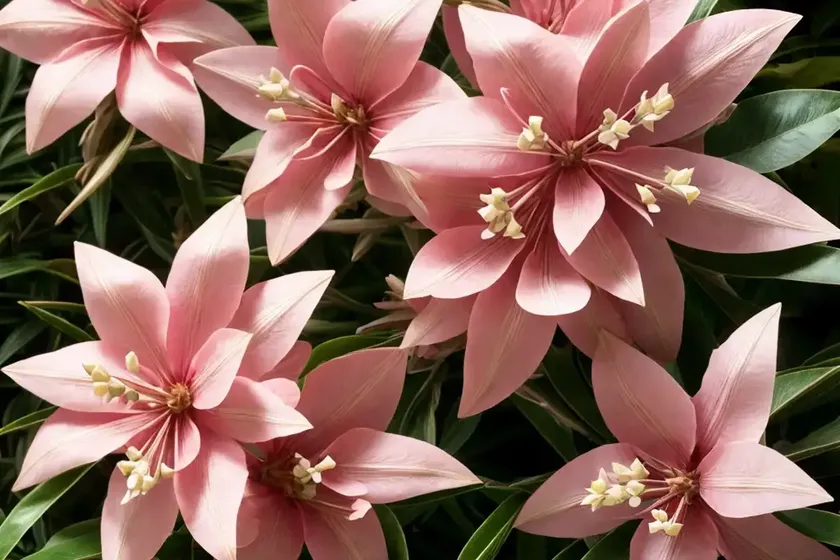
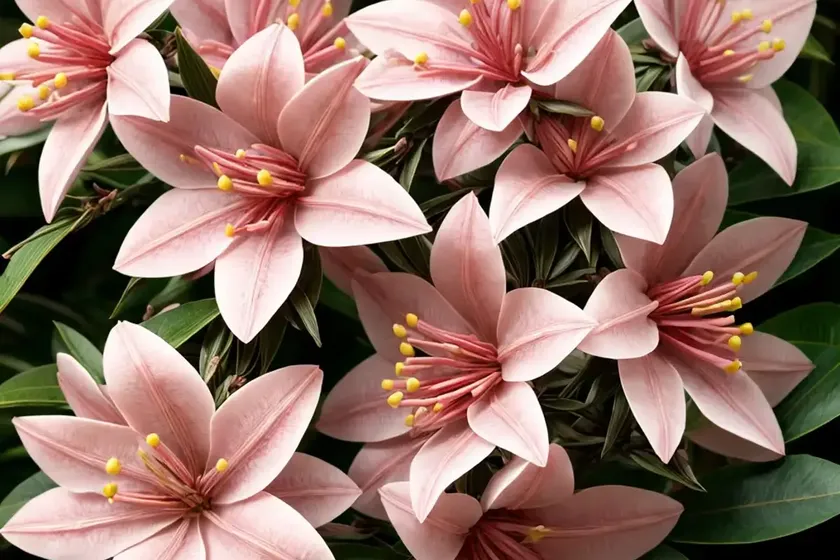
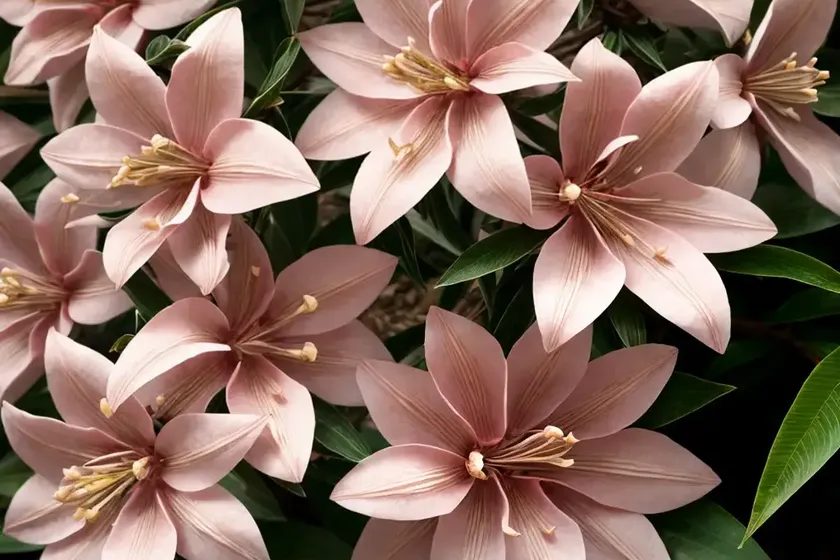
Plants are essential elements of our natural world, providing us with oxygen, food, and medicine. They also play a crucial role in the ecology and aesthetics of our environment. In this blog post, we will explore the fascinating Illicium floridanum ‘Pink Frost’, commonly known as the Florida Anise. This beautiful shrub possesses unique characteristics, making it a valuable addition to gardens and landscapes.
What is Illicium floridanum ‘Pink Frost’ (Florida Anise)?
Illicium floridanum ‘Pink Frost’, often referred to as the Florida Anise, is a captivating evergreen shrub native to the southeastern United States. With its striking foliage, aromatic flowers, and adaptable nature, this plant has gained popularity among gardening enthusiasts and landscaping professionals.
Key Takeaways
Let’s delve into the key aspects of Illicium floridanum ‘Pink Frost’, covering its culture, uses, care requirements, common diseases, pests, and much more. This comprehensive guide will provide valuable insights for those interested in cultivating this exceptional plant.
Culture
The culture of Illicium floridanum ‘Pink Frost’ encompasses its growth habits, natural habitat, and landscape uses. Understanding the plant’s culture is essential for creating an environment where it can thrive.
Growth Habits
- Illicium floridanum ‘Pink Frost’ is classified as an evergreen shrub with a dense, rounded growth habit.
- It typically reaches a mature height of 6 to 10 feet and a spread of 5 to 8 feet, making it an ideal choice for hedges, borders, and woodland gardens.
Natural Habitat
The Florida Anise is indigenous to the wet woodlands and ravines of the southeastern United States, where it thrives in moist, acidic soils. Its natural habitat provides valuable insights into its preferred growing conditions, which can be replicated in cultivation.
Landscape Uses
Due to its attractive foliage, unique flowers, and adaptable nature, Illicium floridanum ‘Pink Frost’ is widely used in landscaping. It is often incorporated into mixed borders, woodland gardens, and as a specimen plant in residential and commercial landscapes.
Uses
The uses of Illicium floridanum ‘Pink Frost’ encompass both practical and aesthetic applications. From its aromatic foliage to its ornamental value, this plant serves various purposes in different settings.
Ornamental Value
The Florida Anise is prized for its exceptionally ornamental features, including variegated foliage and showy, fragrant flowers. Its aesthetic appeal makes it a desirable choice for enhancing the visual interest of gardens and landscapes.
Fragrance
The foliage of Illicium floridanum ‘Pink Frost’ releases a delightful fragrance when crushed or brushed against, adding a sensory element to outdoor spaces. This aromatic quality makes it a popular inclusion in fragrance gardens and sensory landscapes.
Medicinal Uses
In addition to its ornamental and olfactory appeal, the Florida Anise has traditionally been used for its medicinal properties. Its leaves contain compounds that have been utilized in herbal remedies, particularly in traditional medicine practices.
Care Requirements
In order to cultivate Illicium floridanum ‘Pink Frost’ successfully, it is essential to understand its specific care requirements, including water, sunlight, fertilizer, soil, pruning, and propagation.
Water
Proper watering is crucial for the health and vitality of the Florida Anise. It thrives in moist, well-drained soils and benefits from regular watering, especially during dry periods. However, it is important to avoid waterlogged conditions, as excessive moisture can lead to root rot.
| Water Requirements for Illicium floridanum ‘Pink Frost’ |
|---|
| – Maintain consistently moist soil |
| – Water deeply during dry spells |
| – Avoid waterlogged conditions |
Sunlight
Illicium floridanum ‘Pink Frost’ exhibits a preference for partial to full shade, making it well-suited for woodland and shaded garden settings. While it can tolerate some morning sun, it generally thrives in locations with dappled sunlight and protection from intense midday rays.
| Sunlight Requirements for Illicium floridanum ‘Pink Frost’ |
|---|
| – Thrives in partial to full shade |
| – Benefits from dappled sunlight and shade |
| – Protect from intense midday sun |
Fertilizer
Appropriate fertilization can significantly impact the growth and flowering of the Florida Anise. It benefits from a balanced, slow-release fertilizer applied in spring, promoting healthy foliage and prolific blooms.
| Fertilizer Recommendations for Illicium floridanum ‘Pink Frost’ |
|---|
| – Apply a balanced, slow-release fertilizer in spring |
| – Avoid excessive nitrogen to prevent excessive foliage growth |
| – Follow manufacturer’s guidelines for application |
Soil
The Florida Anise thrives in organically rich, acidic soils with good drainage. Amending the soil with organic matter, such as compost or leaf mold, can improve its texture and fertility, creating an optimal growing environment for the plant.
| Soil Requirements for Illicium floridanum ‘Pink Frost’ |
|---|
| – Well-drained, acidic soil |
| – Amend with organic matter for improved fertility |
| – Maintain consistent moisture levels in the soil |
Pruning
Pruning plays a critical role in maintaining the shape, size, and overall health of Illicium floridanum ‘Pink Frost’. Routine pruning can help remove dead or damaged branches, encourage new growth, and shape the plant according to desired preferences.
| Pruning Tips for Illicium floridanum ‘Pink Frost’ |
|---|
| – Prune in late winter or early spring |
| – Remove dead or diseased branches |
| – Shape the plant to maintain its desired form |
Propagation
The propagation of Illicium floridanum ‘Pink Frost’ can be accomplished through various methods, including seed propagation, stem cuttings, and division. Each approach offers its own advantages and challenges, providing options for gardeners and horticulturists.
| Propagation Methods for Illicium floridanum ‘Pink Frost’ |
|---|
| – Seed propagation |
| – Stem cuttings |
| – Division |
Container Popularity
The Florida Anise is well-suited for container cultivation, offering a versatile and visually appealing option for patios, decks, and outdoor living spaces. Its compact growth habit and ornamental qualities make it an attractive choice for container gardening.
Advantages of Container Cultivation
Cultivating Illicium floridanum ‘Pink Frost’ in containers provides several benefits, including the ability to control growing conditions, create portable garden features, and enhance outdoor aesthetics.
- Versatile placement: Containers allow for flexibility in positioning the plant, making it easy to showcase in various locations.
- Controlled environment: Containers provide the opportunity to optimize soil composition, moisture levels, and sunlight exposure for the plant.
- Visual impact: The Florida Anise’s ornamental foliage and flowers make it an eye-catching addition to container gardens and outdoor decor.
Common Diseases
Like all plants, Illicium floridanum ‘Pink Frost’ is susceptible to certain diseases and disorders that can affect its health and vigor. Being aware of common diseases and their symptoms is essential for implementing preventive measures and targeted treatments when necessary.
Disease Diagnosis
Understanding the signs and symptoms of common plant diseases can aid in timely diagnosis and intervention. Some of the diseases that may affect the Florida Anise include:
- Phytophthora root rot: Causes yellowing, wilting, and eventual decline of the plant.
- Powdery mildew: Manifests as a powdery white coating on foliage, impacting the plant’s overall appearance and health.
Common Pests
In addition to diseases, Illicium floridanum ‘Pink Frost’ may also encounter pests that can compromise its well-being. Identifying common pests and implementing integrated pest management strategies can help protect the plant from infestations.
Pest Identification
Several pests have the potential to affect the Florida Anise, including:
- Scale insects: These pests may appear as small, immobile bumps on the stems or leaves, sapping the plant’s resources and impeding growth.
- Spider mites: These tiny arachnids can cause stippling and discoloration of the foliage, affecting the plant’s aesthetic appeal and photosynthetic capacity.
Botanist’s Tips
Gardening enthusiasts and horticultural professionals can benefit from expert tips and recommendations for cultivating Illicium floridanum ‘Pink Frost’ effectively. These insights can optimize plant care and contribute to the successful growth and development of the Florida Anise.
Expert Advice
- Selecting the right location: Choose a shaded or partially shaded area with well-drained, acidic soil for optimal growth.
- Mulching: Apply a layer of mulch around the base of the plant to conserve moisture and regulate soil temperature.
- Regular monitoring: Keep an eye on the plant for any signs of pests, diseases, or nutrient deficiencies, addressing issues promptly.
Fun Facts
Discovering fascinating and unique facts about plants adds an extra layer of appreciation for their beauty and ecological significance. Here are some intriguing fun facts about Illicium floridanum ‘Pink Frost’:
- Historical significance: The genus Illicium has a rich historical background, with some species being used in traditional medicine and cultural practices.
- Wildlife attraction: The fragrant flowers of the Florida Anise can attract pollinators, contributing to the biodiversity of the surrounding ecosystem.
Links to External Resources
For further exploration of Illicium floridanum ‘Pink Frost’ and related topics, the following external resources provide valuable information and insights:
- University of Florida IFAS Extension: Florida Anise
- Missouri Botanical Garden: Illicium floridanum ‘Pink Frost’
- North Carolina State University Extension: Florida Anise
By incorporating the information and insights provided in this blog post, individuals can gain a comprehensive understanding of Illicium floridanum ‘Pink Frost’, fostering successful cultivation and appreciation of this remarkable plant.


