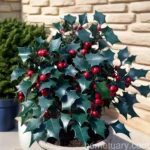
Ilex verticillata Little Goblin® Red (Winterberry) Plant Guide
Ilex verticillata, commonly known as winterberry, is a stunning shrub that adds color and interest to a winter landscape. The Little Goblin® Red variety, in particular, stands out for its vibrant red berries that persist through the winter months, making it a valuable addition to gardens and natural areas. In this comprehensive guide, we will explore the culture, uses, maintenance, and interesting facts about Ilex verticillata Little Goblin® Red (Winterberry) and provide valuable insights for its cultivation and care.
What is Ilex verticillata Little Goblin® Red (Winterberry)?
Ilex verticillata, a species native to eastern North America, is a deciduous holly that belongs to the Aquifoliaceae family. It is a multi-stemmed shrub that typically grows up to 3 to 12 feet tall and wide. The Little Goblin® Red variety is prized for its profusion of bright red berries that cloak the bare stems in late summer, persisting through the winter. This stunning display of berries makes it an excellent choice for adding seasonal interest to the landscape.
Key Takeaways – Ilex verticillata Little Goblin® Red (Winterberry)
Before delving into the specifics of culture, uses, and maintenance, let’s summarize the key takeaways of Ilex verticillata Little Goblin® Red (Winterberry):
- Plant Name: Ilex verticillata Little Goblin® Red (Winterberry)
- Type: Deciduous shrub
- Notable Feature: Profusion of bright red berries in winter
- Growth Size: 3 to 12 feet in height and width
- Native Range: Eastern North America
Now, let’s explore the various aspects of cultivating and caring for this stunning winterberry variety.
Culture
Water
Ilex verticillata Little Goblin® Red thrives in moist, well-drained soils. It is essential to ensure that the plant receives adequate moisture, especially during the establishment phase and in dry periods. However, it’s important to avoid waterlogged conditions, as excessive moisture can lead to root rot. Regular watering, particularly during hot and dry spells, is beneficial for the plant’s health and berry production.
Sunlight
Winterberry plants, including the Little Goblin® Red variety, prefer full sun to partial shade. They thrive in locations with at least 6 hours of direct sunlight per day, which promotes robust growth and abundant berry production. While they tolerate partial shade, the plant’s flowering and fruiting may be less prolific compared to those grown in full sun.
Soil
Ilex verticillata Little Goblin® Red grows best in acidic, organic-rich soils. It adapts well to various soil textures, including loamy, sandy, or clay soils, as long as they are well-drained. Incorporating organic matter into the soil at the time of planting can improve its structure and moisture-retaining capacity, providing an optimal growing environment for the winterberry shrub.
Fertilizer
During the initial stages of growth and establishment, it can be beneficial to apply a balanced, slow-release fertilizer in spring. This provides the plant with essential nutrients to support healthy growth and berry development. It’s important not to over-fertilize, as excessive nitrogen can promote vegetative growth at the expense of berry production.
Pruning
Pruning is generally not required for winterberries, including the Little Goblin® Red variety, as they naturally form an attractive, rounded shape. However, if shaping or size control is desired, pruning should be done in late winter to early spring before new growth emerges. This can also help in promoting a denser growth habit and increased berry production.
Propagation
Ilex verticillata Little Goblin® Red can be propagated through several methods, including:
- Softwood Cuttings: Softwood cuttings taken in early summer can be rooted to produce new plants. It’s essential to provide a warm, humid environment to encourage rooting.
- Seed Propagation: Winterberries produce seeds that can be collected and sown in a prepared seedbed. However, it’s important to note that seed-grown plants may exhibit variations from the parent plant.
Container Popularity
While winterberries, including the Little Goblin® Red variety, are primarily grown in the ground, they can also be cultivated in containers. This allows gardeners with limited space to enjoy the beauty of winterberries on patios, balconies, or other outdoor areas. When growing in containers, it’s crucial to select a large, well-draining pot and use a high-quality, acidic potting mix. Regular watering and occasional fertilization are essential for container-grown winterberries.
Uses
Ornamental Value
Ilex verticillata Little Goblin® Red is prized for its ornamental value, particularly its profusion of bright red berries that adorn the bare branches during the winter months. This adds a pop of color to the winter landscape, making it a favorite for holiday decorations and floral arrangements. The berries also provide a valuable food source for birds during the colder months.
Landscape Design
Winterberries, including the Little Goblin® Red variety, are excellent choices for various landscape applications. They can be used as specimen plants, massed in groups to create a striking display, or incorporated into mixed borders and woodland gardens. Additionally, they enhance the visual appeal of naturalized areas and provide habitat and food for wildlife.
Seasonal Interest
The vibrant red berries of Ilex verticillata Little Goblin® Red brighten the winter garden, creating a beautiful contrast against the snow or dormant landscape. These berries are also popular for use in cut flower arrangements and holiday décor, adding a festive touch to indoor and outdoor settings.
Common Diseases and Pests
Common Diseases
While winterberries are relatively low-maintenance plants, they may be susceptible to certain diseases, including:
-
Leaf Spot: Fungal diseases such as anthracnose and Alternaria can cause leaf spotting and defoliation. To prevent these diseases, it’s important to ensure good air circulation and to avoid overhead watering.
-
Powdery Mildew: This fungal disease can cause a powdery, white coating on the leaves, affecting the plant’s aesthetics. Proper spacing and maintaining a dry leaf surface can help prevent powdery mildew.
Disease Diagnosis
Diagnosing plant diseases can be challenging, but it’s essential to monitor the plant for any changes in growth, leaf appearance, or overall health. If you suspect a disease issue, consulting with a local extension service or plant diagnostic lab can help in accurate diagnosis and appropriate treatment recommendations.
Common Pests
Winterberries, including the Little Goblin® Red variety, are relatively resistant to pests. However, they may occasionally encounter the following pests:
-
Scale Insects: These small, immobile pests can infest the stems and leaves of winterberries, leading to plant stress. Insecticidal soaps or horticultural oils can be effective in controlling scale infestations.
-
Aphids: These small, sap-feeding insects can cause distorted growth and leaf curling. Natural predators such as ladybugs and lacewings can help keep aphid populations in check.
Botanist’s Tips
-
Companion Planting: When designing a garden or natural area with Ilex verticillata Little Goblin® Red, consider companion plants that complement its growth habit, soil, and sunlight requirements. Selecting native species and incorporating a diversity of plants can enhance ecological resilience and provide a more dynamic and visually appealing landscape.
-
Wildlife Habitat: The berries of winterberries are a valuable food source for birds, particularly during the winter months. By planting winterberries in the garden, you can attract and support various bird species, contributing to the local ecosystem’s biodiversity and balance.
-
Winter Interest: Integrate winterberries into the landscape to create visual interest and texture during the winter season. Their vibrant berries and distinct form can serve as focal points while other garden elements are dormant.
Fun Facts
-
The bright red berries of Ilex verticillata Little Goblin® Red are not true berries but rather drupes, each containing several seeds. Despite their name, winterberries are not true berries but are classified as pomes.
-
Winterberries have a long history of traditional medicinal use by Native American tribes, who used various parts of the plant for treating a range of ailments, including fever, arthritis, and indigestion.
-
While primarily valued for their ornamental and ecological benefits, winterberries have also been used in the production of natural dyes, yielding vibrant colors ranging from reds to purples.
Links to External Resources
To further explore the cultivation, uses, and maintenance of Ilex verticillata Little Goblin® Red and to access additional information, consider exploring the following resources:
- Missouri Botanical Garden – Ilex verticillata Little Goblin® Red
- The Spruce – Winterberry: An Ideal Native Plant for Winter Interest
- University of Wisconsin-Madison – Winterberry (Ilex verticillata)
- Lady Bird Johnson Wildflower Center – Ilex verticillata
In conclusion, Ilex verticillata Little Goblin® Red (Winterberry) is a remarkable shrub that offers year-round interest, ecological benefits, and decorative value. By understanding its culture, uses, and maintenance requirements, gardeners and nature enthusiasts can appreciate and cultivate this beautiful plant in a variety of settings.
This comprehensive guide provides valuable insights into the cultivation and care of Ilex verticillata Little Goblin® Red, also known as Winterberry. Whether used for ornamental purposes or to support local wildlife, this stunning deciduous shrub offers a myriad of benefits, making it a valuable addition to diverse landscapes. With an understanding of its water, sunlight, soil, and fertilizer needs, as well as tips on pruning and propagation, individuals can successfully grow and maintain this striking plant variety.
As a plant scientist, it’s essential to share knowledge and foster an appreciation for plant diversity and the environmental benefits it brings. Through comprehensive guides and resources, individuals can enhance their understanding of plant species such as Ilex verticillata Little Goblin® Red, ultimately contributing to sustainable and vibrant ecosystems.