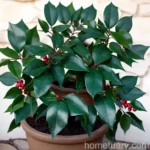
Plant Scientist Blog: The Beauty of Ilex ‘Red Beauty’ (Holly)
As plant enthusiasts, we are constantly seeking out new and exciting plant varieties to add to our gardens or landscapes. Among the wide array of options available, Ilex ‘Red Beauty,’ commonly known as Holly, stands out for its attractive berries, glossy leaves, and year-round interest. This blog aims to provide a comprehensive guide to understanding, cultivating, and caring for Ilex ‘Red Beauty.’ We will delve into its cultural requirements, uses, maintenance, common issues, and much more.
What is Ilex ‘Red Beauty’ (Holly)?
Ilex ‘Red Beauty’ is a cultivar of Holly belonging to the Aquifoliaceae family. It is a rounded, dense, evergreen shrub that typically grows to 8-10 feet in height and width, making it an excellent choice for hedges, screens, or a standalone ornamental plant in the garden. This cultivar is known for its lustrous, dark green foliage and bright red berries, which add a splash of color to the winter landscape. The berries are particularly attractive to birds, adding a wildlife-friendly element to your garden.
Key Takeaways – Ilex ‘Red Beauty’ (Holly)
Culture
- Ilex ‘Red Beauty’ is an evergreen shrub with a dense, rounded growth habit.
- It is prized for its glossy, dark green leaves and bright red berries.
- The plant is popular for adding winter interest and attracting wildlife to the garden.
- Suitable for use in hedges, screens, or as a standalone ornamental.
Uses
- Ideal for creating hedges and screens.
- Adds year-round interest to the garden with its glossy foliage and colorful berries.
- Attracts birds, making it a valuable addition to wildlife-friendly landscapes.
Water
- Ilex ‘Red Beauty’ prefers well-draining soil and regular watering, especially during its establishment phase.
- Once established, the plant exhibits good drought tolerance and can thrive with minimal additional watering, except during prolonged dry spells.
Sunlight
- Thrives in full sun to partial shade.
- Performs well in various light conditions, making it suitable for a wide range of garden settings.
Fertilizer
- Benefits from a balanced, slow-release fertilizer applied in spring.
- Avoid excessive nitrogen, which can promote lush growth at the expense of berry production.
Soil
- Thrives in moist, well-draining, moderately fertile soil.
- Adaptable to a variety of soil types, including loam, clay, and sandy soils.
Pruning
- Pruning can be done in late winter or early spring to maintain the desired shape and size.
- Light pruning throughout the year helps control the plant’s growth and encourages dense foliage.
Propagation
- Can be propagated from semi-hardwood cuttings taken in late summer.
- Sowing seeds in the fall is another method of propagation, but it requires patience as the germination process can be slow.
Container Popularity
- Ilex ‘Red Beauty’ is well-suited for container gardening, providing an evergreen focal point on patios and in small gardens.
- Its attractive berries and glossy foliage make it an excellent choice for seasonal container displays.
Container Common Diseases
- Container-grown Ilex ‘Red Beauty’ may be susceptible to root rot if the soil is consistently waterlogged.
- Regularly inspect the plant for any signs of disease or stress, and adjust watering practices accordingly.
Disease Diagnosis
- Keep a close eye on your plant for any signs of leaf spots, wilting, or unusual discoloration.
- Promptly address any disease symptoms through proper cultural care or targeted treatments.
Common Pests
- Common pests that may affect Ilex ‘Red Beauty’ include scale insects, spider mites, and aphids.
- Regularly monitor the plant for signs of pest infestation and take appropriate measures to control their populations.
Botanist’s Tips
- When planting Ilex ‘Red Beauty,’ consider its mature size to allow ample space for growth and development.
- Ensure the soil is well-draining to prevent waterlogged conditions, which can lead to root rot.
Fun Facts
- The berries of Ilex ‘Red Beauty’ are not only visually appealing but also provide a valuable food source for birds during the winter months.
- The glossy leaves of this holly cultivar add an elegant touch to the garden, and they can be used in festive decorations during the holiday season.
Links to External Resources
For further information on Ilex ‘Red Beauty’ (Holly), consider exploring the following resources:
– The Holly Society of America
– Missouri Botanical Garden – Ilex x ‘Red Beauty’
In the following sections, we will delve deeper into the detailed care and maintenance of Ilex ‘Red Beauty,’ addressing its water requirements, soil preferences, sunlight needs, seasonal changes, and much more.
Ilex ‘Red Beauty’ Care
Ilex ‘Red Beauty’ is a versatile and low-maintenance plant that can thrive in a variety of garden settings. Understanding its specific care requirements is essential for ensuring its long-term health and vigor. Let’s explore the key aspects of caring for Ilex ‘Red Beauty.’
Water Requirements
Proper watering is crucial for the health and vitality of Ilex ‘Red Beauty.’ Here’s what you need to know about its water requirements:
Watering Guidelines
- Establishment Phase: Newly planted Ilex ‘Red Beauty’ should be watered regularly to help it establish a strong root system. Provide sufficient water during dry periods to ensure that the soil remains consistently moist, but not waterlogged.
- Mature Plants: Once established, Ilex ‘Red Beauty’ demonstrates good drought tolerance and can withstand periods of reduced watering. However, during prolonged dry spells, supplemental watering may be necessary to prevent stress and maintain the plant’s overall health.
Signs of Overwatering and Underwatering
- Overwatering: Excessively wet soil, wilting, yellowing or browning of leaves, and a decline in overall vigor are indicators of overwatering. Adjust watering practices to allow the soil to dry out slightly between waterings.
- Underwatering: Symptoms of underwatering include drooping or wilting foliage, especially during hot and dry weather. If the soil is excessively dry, provide supplemental watering to support the plant’s hydration needs.
Sunlight Requirements
Ilex ‘Red Beauty’ exhibits a versatile nature when it comes to sunlight preferences, making it suitable for a range of garden environments. Consider the following sunlight requirements for optimal growth and performance:
- Full Sun: Ilex ‘Red Beauty’ thrives in full sun, where it can bask in direct sunlight for the majority of the day. In such conditions, the plant tends to produce abundant berries and maintains a dense, compact growth habit.
- Partial Shade: While Ilex ‘Red Beauty’ prefers full sun, it can also tolerate partial shade, particularly in hot climates or areas with intense afternoon sunlight. In partial shade, the plant may exhibit slightly reduced berry production but will generally maintain its ornamental qualities.
Fertilization Needs
To support the growth and development of Ilex ‘Red Beauty,’ it benefits from appropriate fertilization practices. Consider the following guidelines for fertilizing your holly plant:
- Balanced Fertilizer: Apply a balanced, slow-release fertilizer in the early spring to provide essential nutrients for robust growth and berry production. Choose a fertilizer with a balanced NPK ratio or specifically formulated for evergreen shrubs.
- Moderation: Avoid excessive application of nitrogen-rich fertilizers, as this can promote excessive vegetative growth at the expense of berry production. Follow the recommended dosage and frequency as indicated on the fertilizer packaging.
Soil Preferences
Understanding the soil preferences of Ilex ‘Red Beauty’ is essential for creating an optimal growing environment. Consider the following insights into its soil requirements:
- Moist, Well-Draining Soil: Ilex ‘Red Beauty’ thrives in moderately moist, well-draining soil. It is important to ensure that the soil provides adequate moisture while allowing excess water to drain away to prevent waterlogged conditions.
- Soil Types: The plant is adaptable to various soil types, including loamy, sandy, and clay soils. However, amending heavy clay soils with organic matter can improve drainage and create a more favorable growing medium for the plant.
Pruning Techniques
Pruning is an essential aspect of maintaining the desired shape, size, and overall health of Ilex ‘Red Beauty.’ Here’s what you need to know about pruning this holly cultivar:
- Timing: Perform pruning in late winter or early spring before the new growth emerges. This timing allows the plant to recover and initiate new growth with the onset of favorable weather conditions.
- Light Pruning: Throughout the growing season, engage in light pruning to remove any straggly or wayward growth. This helps promote a dense, compact growth habit and enhances the plant’s overall appearance.
Propagation Methods
If you’re interested in propagating Ilex ‘Red Beauty’ to expand your holly collection or share the plant with fellow gardening enthusiasts, consider the following propagation methods:
- Semi-Hardwood Cuttings: Propagation from semi-hardwood cuttings taken in late summer is a reliable method for producing new plants. Select healthy, non-flowering shoots for best results.
- Seed Propagation: Alternatively, sowing seeds in the fall can lead to successful germination and the development of new plants. Patience is essential, as the germination process may be slow, requiring several months for new seedlings to emerge.
Seasonal Changes
Ilex ‘Red Beauty’ exhibits notable seasonal changes that add to its overall appeal and value in the garden. Understanding these seasonal transitions can help you appreciate the plant’s beauty throughout the year:
- Autumn Color: As autumn approaches, the glossy green foliage of Ilex ‘Red Beauty’ may take on additional coloration, ranging from golden hues to deeper shades of green. This seasonal change adds visual interest to the garden landscape.
- Winter Berries: One of the most striking features of Ilex ‘Red Beauty’ is its bright red berries, which adorn the plant during the winter months. These berries not only provide visual appeal but also serve as a valuable food source for birds during the colder season.
Wildlife Attraction
The presence of Ilex ‘Red Beauty’ in the garden can contribute to supporting local wildlife and creating a biodiverse environment. Consider the following insights into the plant’s impact on wildlife:
- Bird Attraction: The bright red berries of Ilex ‘Red Beauty’ are particularly attractive to birds, making the plant a valuable addition to wildlife-friendly landscapes. Birds feed on the berries, contributing to the ecological balance and adding vitality to the garden.
Pollination Requirements
While Ilex ‘Red Beauty’ is predominantly grown for its ornamental qualities and berry production, understanding its pollination requirements can provide valuable insights into its reproductive biology:
- Dioecious Nature: Holly plants, including Ilex ‘Red Beauty,’ are dioecious, meaning they have separate male and female plants. This presents the need for at least one male plant to pollinate the female plants and ensure berry production.
- Pollinator Presence: To support effective pollination and subsequent berry formation, ensure the presence of suitable pollinators, such as bees or other pollinating insects, in the garden environment.
Drought Tolerance and Heat Resistance
Ilex ‘Red Beauty’ exhibits good drought tolerance and heat resistance once established. These attributes make it a resilient and adaptable plant for various climatic conditions, including dry and hot environments. Proper establishment and cultural care are key to promoting the plant’s resilience in challenging conditions.
Cold Hardiness
This holly cultivar is noted for its cold hardiness, with the ability to withstand winter temperatures and frosty conditions. While it flourishes in warmer climates, it can also thrive in regions with cold winters, adding evergreen appeal to the landscape during the cooler months.
Growth Rate and Mature Size
Understanding the growth rate and mature size of Ilex ‘Red Beauty’ is important for planning and designing its placement in the garden. Consider the following insights into the plant’s growth characteristics:
- Moderate Growth Rate: Ilex ‘Red Beauty’ exhibits a moderate growth rate, gradually reaching its mature size over several years. This gradual growth allows for the plant to establish a strong root system and robust structure.
- Mature Size: Typically, Ilex ‘Red Beauty’ reaches a height and width of 8-10 feet, forming a dense, rounded silhouette that adds structure and greenery to the garden or landscape.
Landscape Design Ideas
Ilex ‘Red Beauty’ offers versatile applications in landscape design, providing opportunities for creating captivating garden compositions and functional plantings. Consider the following design ideas for incorporating this holly cultivar into your landscape:
- Hedges and Screens: The dense, compact growth habit of Ilex ‘Red Beauty’ makes it an excellent choice for creating formal or informal hedges and screens. It provides year-round structure and visual appeal to the garden or property boundary.
- Focal Points and Specimens: Use Ilex ‘Red Beauty’ as a standalone specimen plant to create a focal point in the garden. Its glossy foliage and vibrant berries make it a captivating feature, especially in winter landscapes.
- Mixed Plantings: Incorporate Ilex ‘Red Beauty’ into mixed plantings to add textural contrast and seasonal interest. Pair it with flowering shrubs, ornamental grasses, or perennial plants to create dynamic and visually engaging compositions.
Urban and Environmental Applications
Beyond its ornamental value, Ilex ‘Red Beauty’ offers several practical and environmental benefits, making it a valuable addition to urban and natural landscapes:
- Urban Gardens: The adaptable nature of Ilex ‘Red Beauty’ makes it suitable for urban gardens, where space may be limited. Its compact size and year-round interest contribute to urban greening initiatives and residential landscaping.
- Wildlife Gardens: With its wildlife-attracting berries and ornamental qualities, Ilex ‘Red Beauty’ plays a role in supporting wildlife gardens and promoting biodiversity within urban and suburban environments.
- Coastal Climates: The salt tolerance of Ilex ‘Red Beauty’ makes it well-suited for coastal climates, where it can thrive in proximity to the sea and withstand the environmental challenges associated with coastal environments.
Versatility in Planting Locations
Ilex ‘Red Beauty’ demonstrates adaptability to a range of planting locations, contributing to its versatility and widespread appeal in garden and landscape settings. Consider the following potential planting locations for this holly cultivar:
- Shade Gardens: While Ilex ‘Red Beauty’ prefers full sun to partial shade, it can thrive in shaded environments, making it a valuable addition to shade gardens where other plants may struggle.
- Sunny Locations: The plant’s preference for full sun also makes it well-suited for sunny locations, where it can bask in direct sunlight and exhibit its optimal growth and ornamental qualities.
- Windbreaks and Erosion Control: With its dense, evergreen foliage, Ilex ‘Red Beauty’ can serve as a windbreak in open landscapes and contribute to erosion control on sloping terrain, stabilizing the soil and providing visual interest.
Common Issues and Solutions
Understanding the potential challenges and issues associated with growing Ilex ‘Red Beauty’ is essential for proactively addressing and mitigating these issues. Here are some common issues and solutions for maintaining the health of your holly plant:
Disease Management
- Leaf Spot: Keep an eye out for signs of leaf spot diseases, characterized by the presence of dark or discolored spots on the leaves. Provide adequate air circulation and avoid overhead watering to prevent the development and spread of leaf spot diseases.
- Root Rot: In container-grown plants or poorly drained soils, root rot may pose a risk to Ilex ‘Red Beauty.’ Ensure proper soil drainage and avoid overwatering to prevent the onset of root rot.
Pest Control
- Scale Insects: Scale insects can affect the foliage of Ilex ‘Red Beauty,’ leading to yellowing or wilting of leaves. Implement targeted control measures, such as insecticidal soaps or horticultural oils, to manage scale infestations.
- Spider Mites and Aphids: Regularly inspect the plant for the presence of spider mites and aphids, which can cause damage to the foliage and impact the plant’s overall health. Use natural predators or insecticidal treatments to address pest populations as needed.
Environmental Stress
- Winter Damage: In regions with harsh winters, protect Ilex ‘Red Beauty’ from potential winter damage, such as desiccation or browning of foliage due to cold temperatures and wind exposure. Consider windbreaks and protective coverings as preventive measures.
Companion Plants
When selecting companion plants to grow alongside Ilex ‘Red Beauty,’ consider options that complement its growth habits, ornamental qualities, and cultural preferences. Here are some suitable companion plants to consider:
- Winter-Flowering Shrubs: Pair Ilex ‘Red Beauty’ with winter-flowering shrubs, such as witch hazel (Hamamelis) or winter jasmine (Jasminum nudiflorum), to create a dynamic display of seasonal interest.
- Ornamental Grasses: Incorporate ornamental grasses, such as fountain grass (Pennisetum) or blue oat grass (Helictotrichon), to add textural contrast and visual appeal alongside the glossy foliage of Ilex ‘Red Beauty.’
Conclusion
Ilex ‘Red Beauty,’ with its glossy leaves, vibrant berries, and year-round appeal, holds a special place in garden landscapes and ornamental plantings. By understanding its specific care requirements, uses, maintenance, and potential issues, plant enthusiasts can cultivate and enjoy the beauty of this holly cultivar to the fullest. Whether used as a hedge, specimen plant, or component of mixed plantings, Ilex ‘Red Beauty’ brings elegance, color, and wildlife support to gardens and landscapes. With proper care and attention, this evergreen shrub can thrive and continue to enchant observers with its enduring charm.
As we celebrate the diversity and beauty of plant life, the allure of Ilex ‘Red Beauty’ serves as a testament to the extraordinary qualities of hollies and the contributions they make to our natural and cultivated environments.
For additional information and resources on Ilex ‘Red Beauty’ (Holly), be sure to explore the following links:
– The Holly Society of America
– Missouri Botanical Garden – Ilex x ‘Red Beauty’
Let’s continue to nurture and appreciate the remarkable plant species that enrich our lives and surroundings with their enduring beauty and ecological significance.
In this article, we explored the fascinating characteristics and care requirements of Ilex ‘Red Beauty’ (Holly), shedding light on its cultural needs, uses, seasonal changes, companion plants, and more. By providing detailed insights into the plant’s care and maintenance, we aim to equip plant enthusiasts with the knowledge and guidance needed to cultivate and enjoy the beauty of this holly cultivar to the fullest.
Plant enthusiasts and horticultural enthusiasts can further explore and appreciate the botanical wonders of Ilex ‘Red Beauty’ through the links provided, as well as additional resources available from reputable horticultural and botanical organizations. As we continue to celebrate the diversity and beauty of plant life, the enduring allure of Ilex ‘Red Beauty’ stands as a testament