Hypericum X Inodorum ‘Red Fame’ (St. John’s Wort)
As a plant scientist, I have the privilege of studying and understanding a wide variety of plant species. Hypericum x inodorum ‘Red Fame’ (commonly known.
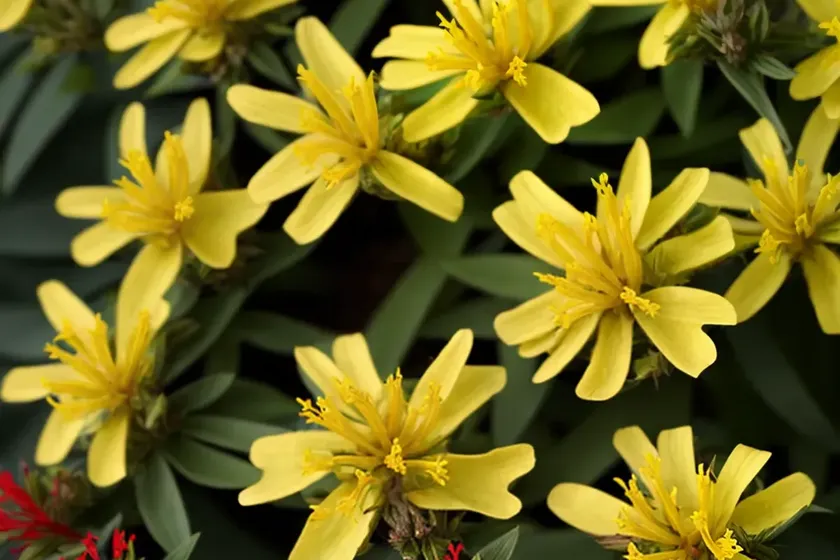
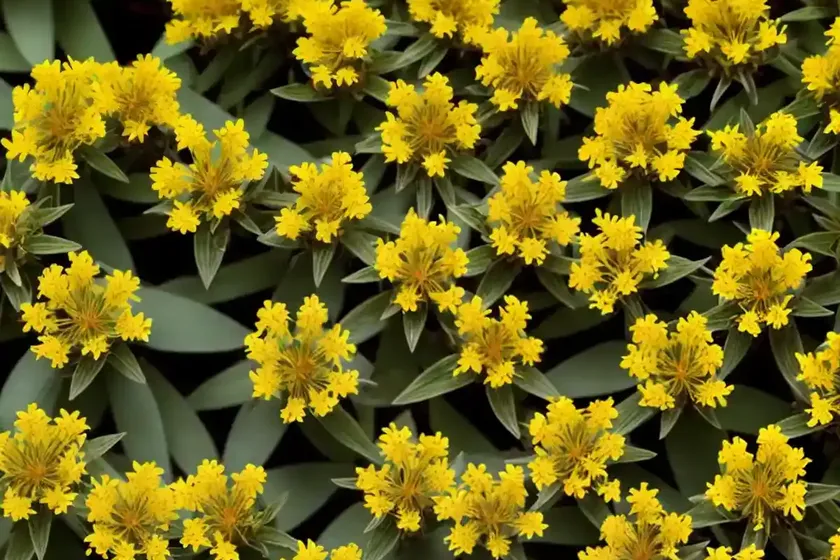
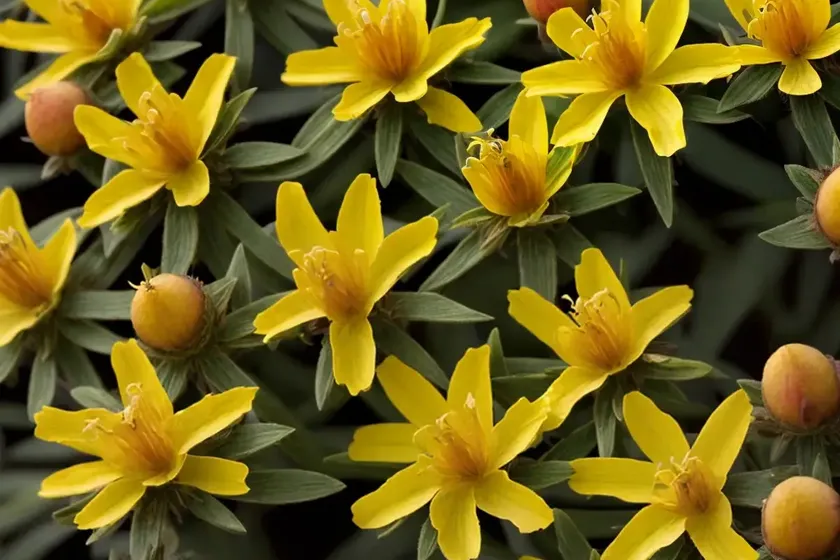
As a plant scientist, I have the privilege of studying and understanding a wide variety of plant species. Hypericum x inodorum ‘Red Fame’ (commonly known as St. John’s Wort) is one such fascinating plant with a rich history, diverse uses, and unique characteristics. In this comprehensive guide, we will delve into the various aspects of this plant, from its cultural needs to its uses, and from its growth habits to its common diseases.
Table of Contents
– Introduction
– Key Takeaways
– Cultural Requirements
– Water
– Sunlight
– Fertilizer
– Soil
– Pruning
– Propagation
– Container Popularity
– Common Diseases
– Disease Diagnosis
– Common Pests
– Botanist’s Tips
– Fun Facts
– Links to External Resources
Introduction
Hypericum x inodorum ‘Red Fame’ is a perennial flowering shrub that belongs to the Hypericaceae family. It is a hybrid of Hypericum calycinum and Hypericum androsaemum, resulting in a plant with ornamental features and practical uses. This plant is commonly referred to as St. John’s Wort, a name derived from its traditional flowering and harvesting around St. John’s Day, at the summer solstice.
St. John’s Wort has been historically valued for its medicinal properties and has been the subject of folklore and myth. While it is revered for its beauty and landscape potential, it is important to note that some varieties of St. John’s Wort are considered invasive in certain regions and should be planted and managed responsibly.
Key Takeaways
Hypericum x inodorum ‘Red Fame’ (St. John’s Wort)
- Scientific Name: Hypericum x inodorum ‘Red Fame’
- Common Name: St. John’s Wort
- Characteristics: Ornamental, flowering shrub
- Maintenance: Low to moderate
- Uses: Medicinal, ornamental, landscape
- Popularity: Widely cultivated for gardens and landscapes
- Pruning: Occasional to control shape and size
- Diseases: Susceptible to certain fungal diseases
- Pests: Attracts some common garden pests
- Propagation: Can be propagated through cuttings or division
- Container Use: Well-suited for container gardening
Cultural Requirements
Caring for Hypericum x inodorum ‘Red Fame’ involves understanding its specific requirements for water, sunlight, fertilizer, soil, and pruning.
Water
- Water Requirements: Moderate watering
- Well-Drained Soil: Essential to prevent waterlogging
- Drought Tolerance: Moderate, but benefits from regular watering during dry spells
- Avoid Overwatering: Susceptible to root rot in waterlogged conditions
Sunlight
- Sun Exposure: Full sun to partial shade
- Optimal Sunlight: At least 4-6 hours of direct sunlight daily
- Shade Tolerance: Can tolerate partial shade, but flowering may be reduced
Fertilizer
- Fertilization: Apply a balanced fertilizer in early spring
- Organic Matter: Benefits from organic mulch to enrich the soil
- Avoid Excessive Nitrogen: Can lead to excessive foliage at the expense of flowers
Soil
- Soil Type: Well-drained loamy soil preferred
- pH Range: Neutral to slightly acidic soil (pH 6.5-7.5)
- Soil Amendments: Organic matter enhances soil structure and fertility
- Container Growth: Well-suited for well-draining potting mix
Pruning
- Pruning Time: Best done in early spring or after flowering
- Purpose: Control size, shape, and encourage bushy growth
- Deadheading: Remove spent flowers to promote continuous blooming
- Caution: Sap may cause skin irritation, wear gloves when pruning
Propagation
St. John’s Wort can be propagated through stem cuttings or division. The following steps outline the basic process for each method:
Stem Cuttings
- Select a healthy, non-flowering stem and cut a 4-6 inch section.
- Remove lower leaves, leaving 2-3 leaves at the tip.
- Dip the cut end in a rooting hormone.
- Plant in a well-draining potting mix and keep moist.
- Roots should develop in 3-4 weeks.
Division
- Dig up a mature Hypericum x inodorum plant in early spring or fall.
- Divide the root ball into sections, ensuring each section has roots and shoots.
- Replant in suitable locations or containers.
- Water thoroughly and monitor for new growth.
Container Popularity
Hypericum x inodorum ‘Red Fame’ is widely embraced for container gardening due to its manageable size and attractive ornamental features. When cultivating in containers, it is essential to provide adequate drainage and select a potting mix that mimics its preferred soil conditions. Regular monitoring of water and nutrient levels is crucial for the health and vitality of St. John’s Wort in containers.
Common Diseases
St. John’s Wort is susceptible to certain diseases, including fungal infections. Understanding the symptoms and preventive measures can help in maintaining the plant’s health.
Disease Diagnosis
- Anthracnose: Identified by dark, sunken lesions on leaves and stems.
- Powdery Mildew: White powdery growth on leaves, often in dry conditions.
- Root Rot: Yellowing, wilting, and decay of roots due to waterlogging.
- Preventive Measures: Ensure good air circulation, avoid overhead watering, and manage soil moisture.
Common Pests
While St. John’s Wort is generally resistant to many pests, it can attract certain insects that may affect its growth and appearance.
- Aphids: Small, soft-bodied insects that cluster on new growth.
- Spider Mites: Tiny arachnids that cause stippling on leaves.
- Beetles: Some beetle species may feed on foliage and flowers.
- Control: Regular inspection, use of natural predators, and targeted insecticidal soaps.
Botanist’s Tips
- Companion Plants: Pair with lavender, ornamental grasses, and other sun-loving perennials.
- Effectiveness: St. John’s Wort is renowned for its traditional medicinal uses in managing mild to moderate depression and anxiety; however, it is essential to consult healthcare professionals before use.
- Phenomenal Blooms: ‘Red Fame’ variety showcases vibrant red flowering, adding a standout feature to landscapes and gardens.
Fun Facts
- Symbolism: In folklore, St. John’s Wort was believed to have protective and purifying properties, leading to its association with warding off evil spirits.
- Medicinal Significance: This plant has been utilized in herbal medicine for centuries, with its flowers containing compounds that have been studied for various health benefits.
Links to External Resources
Here are some additional resources for further exploration of Hypericum x inodorum ‘Red Fame’ and St. John’s Wort:
– Royal Horticultural Society – St. John’s Wort
– Missouri Botanical Garden – Growing St. John’s Wort
– University of Maryland Medical Center – St. John’s Wort
– American Association of Poison Control Centers – St. John’s Wort
In conclusion, Hypericum x inodorum ‘Red Fame’ (St. John’s Wort) is a plant of great significance, blending ornamental allure with historical and contemporary utility. Whether adorning gardens with its vibrant blooms or contributing to alternative medicine, this plant holds a special place in the world of horticulture.
Through understanding its needs, leveraging its benefits, and appreciating its cultural heritage, we can continue to enrich our lives with the presence of St. John’s Wort in our landscapes and communities.


