Hypericum Perforatum (Perforate St. John’s Wort)
As a renowned plant scientist, I have dedicated my career to studying and understanding the fascinating world of plants. Throughout my journey, I have.
As a renowned plant scientist, I have dedicated my career to studying and understanding the fascinating world of plants. Throughout my journey, I have encountered numerous remarkable plant species, each with its own unique characteristics and uses. Among these, Hypericum perforatum, commonly known as Perforate St. John’s Wort, has captivated my attention with its rich cultural history, remarkable medicinal properties, and remarkable ornamental features. In this comprehensive guide, we will explore the enchanting Hypericum perforatum, shedding light on its cultural significance, growth requirements, medicinal uses, and its overall impact on both traditional and modern settings. Let’s dive into the world of Hypericum perforatum and unravel the mysteries and marvels hidden within this extraordinary plant.
What is Hypericum perforatum?
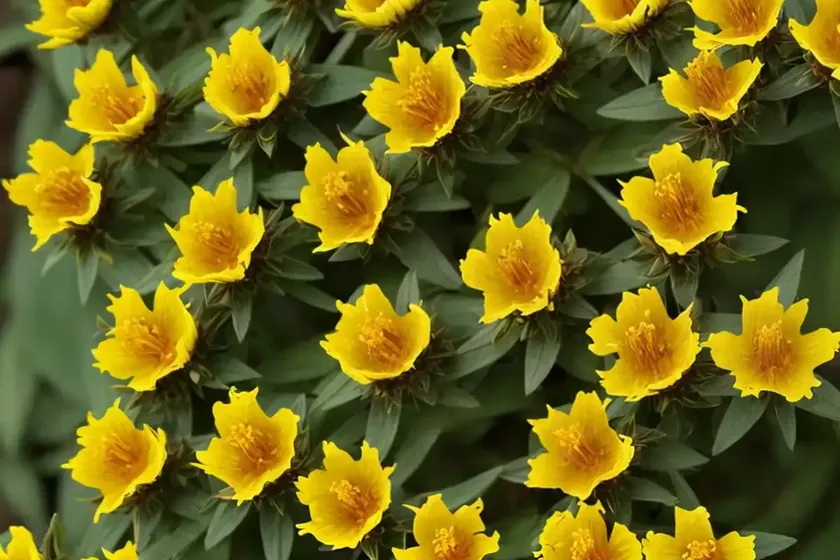
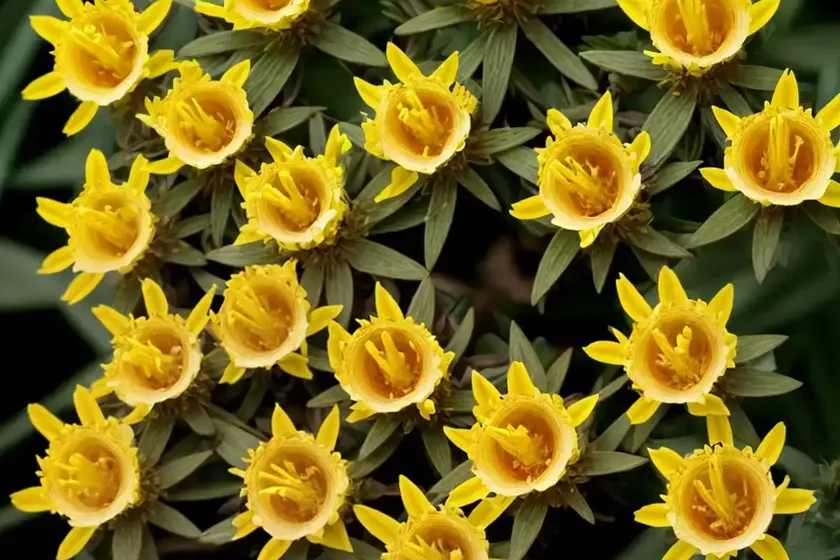
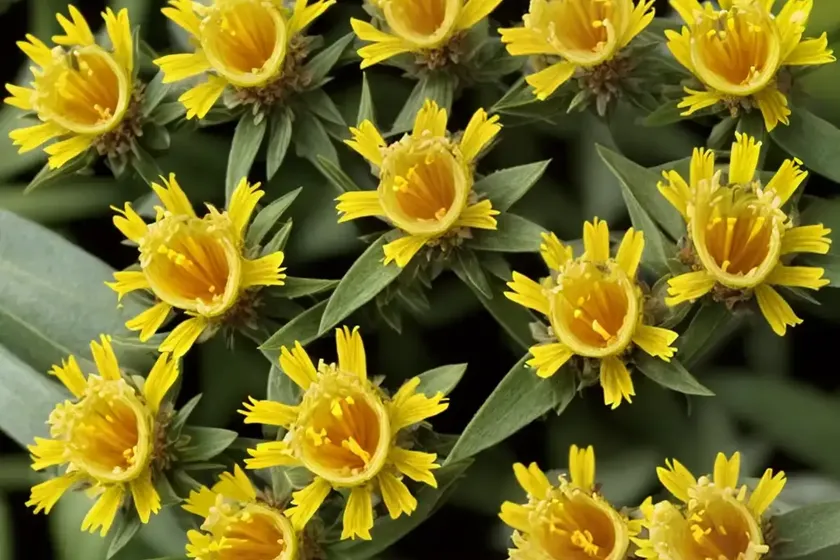
Hypericum perforatum, also known as Perforate St. John’s Wort, is a perennial flowering plant belonging to the Hypericaceae family. This botanical gem is native to Europe and Asia, where it flourishes in various habitats, including meadows, pastures, and along the edges of forests. The plant is characterized by its bright yellow, star-shaped flowers and perforated leaves, which are marked by tiny translucent dots that resemble perforations. These distinctive features contribute to the plant’s enchanting allure, making it a beloved addition to gardens and natural landscapes alike.
The name “St. John’s Wort” holds historical and cultural significance, as it is associated with St. John the Baptist and is often linked to traditional midsummer celebrations. The plant’s flowering period, which typically occurs around the time of the summer solstice, further reinforces its association with this festive time of year. Beyond its cultural symbolism, Hypericum perforatum is revered for its diverse traditional uses, particularly in herbal medicine and folklore, where it has been celebrated for its purported therapeutic properties and benefits for centuries.
Key Takeaways – Hypericum perforatum (Perforate St. John’s Wort)
Before we delve into the details of cultivating and caring for Hypericum perforatum, let’s take a moment to highlight some key takeaways about this remarkable plant:
- Botanical Name: Hypericum perforatum
- Common Name: Perforate St. John’s Wort
- Family: Hypericaceae
- Native Habitat: Europe and Asia
- Flowering Period: Summer
- Medicinal Uses: Traditional remedy for various ailments
- Cultural Significance: Associated with midsummer celebrations and folklore
- Distinctive Features: Perforated leaves, bright yellow flowers
- Growth Form: Perennial herbaceous plant
Now that we have established a foundational understanding of Hypericum perforatum, let’s delve into the specifics of cultivating and nurturing this extraordinary plant.
Culture
When it comes to the cultivation of Hypericum perforatum, understanding its cultural requirements is essential for fostering healthy and vibrant growth. From soil and sunlight to water and fertilizer, each aspect of the plant’s cultural needs plays a crucial role in determining its overall well-being. Let’s explore the key cultural factors that contribute to the successful cultivation of Hypericum perforatum.
Uses
Hypericum perforatum holds a multifaceted role in various domains, encompassing both traditional and modern applications. The plant’s uses can be categorized into the following areas:
-
Medicinal: Hypericum perforatum has a long-standing history of use in herbal medicine, where it is believed to offer an array of therapeutic benefits. From mood support and nerve health to skin remedies and immune system support, the plant’s medicinal properties have been a subject of extensive exploration and utilization.
-
Ornamental: Beyond its medicinal significance, Hypericum perforatum serves as an ornamental plant in gardens, landscapes, and floral arrangements. Its bright yellow flowers and perforated leaves contribute to its visual appeal, making it a sought-after addition for aesthetic enhancement.
-
Cultural and Folkloric: The plant’s cultural and folkloric significance adds another layer of value, as it is associated with historical traditions, midsummer festivities, and folklore in various cultures.
Water
Water plays a crucial role in the growth and development of Hypericum perforatum, as it impacts the plant’s overall hydration, nutrient uptake, and resilience. Understanding the plant’s water requirements is essential for maintaining optimal conditions for its well-being.
-
Watering Frequency: Hypericum perforatum thrives in well-draining soil and generally prefers moderate moisture levels. As a guideline, aim to water the plant consistently, allowing the soil to dry out slightly between watering intervals to prevent waterlogging.
-
Soil Moisture: While the plant benefits from adequate moisture, it is important to avoid overwatering, which can lead to root rot and other water-related issues. Strive to maintain a balance, adjusting the watering frequency based on environmental conditions and soil moisture levels.
Sunlight
As with many plants, sunlight serves as a primary energy source for Hypericum perforatum, driving essential processes such as photosynthesis and growth. Understanding the plant’s sunlight requirements is integral to providing an environment conducive to its thriving.
-
Light Exposure: Hypericum perforatum thrives in full to partial sunlight, where it can receive approximately 6-8 hours of sunlight per day. When selecting a planting location, prioritizing ample sunlight exposure will support the plant’s overall vigor and flowering capacity.
-
Shade Tolerance: While the plant benefits from sunlight, it also exhibits a degree of tolerance to moderate shade. However, prolonged exposure to low light conditions may affect its flowering and overall growth.
Fertilizer
Fertilization plays a vital role in providing Hypericum perforatum with essential nutrients necessary for robust growth and flowering. By understanding the plant’s fertilizer needs, it becomes possible to support its nutritional requirements and overall well-being.
-
Balanced Fertilizer: When fertilizing Hypericum perforatum, opt for a balanced, slow-release fertilizer with a formulation such as 10-10-10 or similar. This provides a comprehensive blend of essential nutrients, promoting healthy foliage and vibrant blooms.
-
Application Timing: Apply fertilizer in the early spring as new growth begins, ensuring that the plant receives a steady supply of nutrients during its active growth phases.
-
Moderation: While fertilization is beneficial, avoid overfeeding the plant, as excessive fertilization can lead to excessive vegetative growth at the expense of flowering.
Soil
The quality and composition of the soil play an integral role in the successful cultivation of Hypericum perforatum, shaping its root development, nutrient uptake, and overall vitality. Understanding the plant’s soil preferences is essential for creating an optimal growing environment.
-
Well-Draining Soil: Hypericum perforatum thrives in well-draining soil that allows excess water to escape, preventing waterlogged conditions. Incorporating amendments such as compost or organic matter can enhance soil structure and drainage.
-
pH Level: The plant favors slightly acidic to neutral soil conditions, with a pH range of 5.5 to 7.5 being conducive to its growth. Conducting a soil test can provide valuable insights into the pH of the planting area, facilitating adjustments if needed.
Pruning
Proper pruning practices contribute to the overall health and aesthetic appeal of Hypericum perforatum, allowing for the removal of spent blooms, shaping of the plant, and the encouragement of new growth. Understanding the principles of pruning ensures that the plant’s form and flowering capacity are maintained optimally.
-
Deadheading: Removing spent flowers through deadheading promotes continuous blooming and prevents the plant from expending energy on seed production. Regular deadheading encourages a prolonged flowering period, enhancing the visual impact of the plant.
-
Pruning Timing: Conduct pruning and deadheading as needed throughout the growing season, focusing on the removal of diseased, damaged, or overcrowded foliage. Additionally, shaping the plant in the early spring can help maintain its desired form.
Propogation
The propagation of Hypericum perforatum offers an opportunity to expand its presence in the garden or to share its beauty with others. Understanding the methods of plant propagation enables enthusiasts to cultivate new plants from existing stock, supporting the preservation and proliferation of this remarkable species.
-
Seed Propagation: Hypericum perforatum can be propagated from seeds, which can be sown directly in the garden or started indoors. When cultivating plants from seeds, ensure that they are provided with adequate moisture and warmth to support germination.
-
Division: Dividing established clumps of Hypericum perforatum allows for the creation of new plants, each with its own root system and growth potential. Divide the plant in the early spring before new growth emerges, ensuring that each division possesses sufficient roots and foliage for successful establishment.
-
Cuttings: Propagating Hypericum perforatum from cuttings offers a reliable method for generating new plants with genetic consistency to the parent plant. Utilize healthy stem cuttings and provide them with a suitable rooting medium to facilitate the formation of new roots.
Container
Cultivating Hypericum perforatum in containers provides an opportunity to enjoy the plant’s beauty in a confined space while offering the flexibility of placement and mobility. Understanding the guidelines for container gardening ensures that the plant thrives within its confined environment.
-
Container Selection: Choose a container with ample drainage holes and a size that accommodates the plant’s root system, allowing for healthy growth and development.
-
Potting Mix: Utilize a well-draining potting mix suitable for perennial plants, ensuring that it provides adequate aeration and moisture retention. Incorporating organic matter can enhance the overall quality of the growing medium.
-
Watering Considerations: Monitor the soil moisture levels regularly and adjust the watering frequency as needed, considering the smaller volume of soil in containers. Aim to maintain consistent moisture levels, avoiding extreme dryness or waterlogging.
Popularity
Hypericum perforatum has garnered significant popularity and attention from plant enthusiasts, herbalists, and individuals seeking natural remedies and ornamental additions to their surroundings. The plant’s multifaceted appeal and cultural significance have contributed to its enduring popularity, making it a cherished presence in gardens, natural landscapes, and traditional medicine practices.
Common Diseases
While Hypericum perforatum is known for its resilience, it is susceptible to certain diseases and conditions that can impact its health and vitality. Familiarizing oneself with the common diseases affecting the plant enables proactive measures to be taken to mitigate their impact and maintain the plant’s well-being.
-
Powdery Mildew: This fungal disease presents as a powdery white coating on the leaves and stems of the plant, often leading to stunted growth and reduced vitality. Proper air circulation and the application of horticultural oil or fungicidal treatments can help manage powdery mildew.
-
Root Rot: Excessive soil moisture and poorly draining conditions can contribute to root rot, a condition characterized by the deterioration of the plant’s root system. Monitoring soil moisture levels and ensuring proper drainage are essential for preventing root rot.
-
Anthracnose: Anthracnose can affect Hypericum perforatum, causing dark lesions on the leaves and stems. Pruning affected plant parts, maintaining good sanitation, and applying appropriate fungicidal treatments can help manage this disease.
Disease Diagnosis
Identifying and diagnosing diseases affecting Hypericum perforatum involves careful observation of the plant’s symptoms and characteristics, enabling the implementation of targeted management strategies. When encountering signs of disease, it is important to conduct a thorough assessment to determine the nature of the issue and initiate appropriate interventions.
-
Symptom Recognition: Pay attention to changes in leaf color, texture, and growth patterns, as well as the presence of spots, lesions, or unusual coatings on the plant’s surfaces.
-
Environmental Factors: Consider environmental conditions, such as humidity levels, soil moisture, and air circulation, which can influence the development and progression of diseases.
-
Professional Consultation: In cases where disease diagnosis is challenging or uncertain, seeking guidance from horticultural professionals or plant pathologists can provide valuable insights and recommendations for disease management.
Common Pests
In addition to diseases, Hypericum perforatum may be prone to pest infestations that can impact its growth and overall health. Understanding the common pests that may affect the plant enables proactive measures to be taken to mitigate their presence and protect the plant from potential damage.
-
Aphids: These small, soft-bodied insects can cluster on the leaves and stems of Hypericum perforatum, feeding on plant sap and causing distortion of new growth. Insecticidal soaps and horticultural oils can be used to manage aphid populations effectively.
-
Spider Mites: These tiny arachnids can infest Hypericum perforatum, causing stippling and discoloration of the leaves. Regularly monitoring the plant for spider mite activity and applying miticidal treatments as needed can help prevent widespread damage.
-
Beetles: Certain beetles, such as flea beetles and leaf beetles, may feed on the foliage of Hypericum perforatum, leading to the formation of characteristic feeding holes and damage. Implementing physical or chemical control measures can help manage beetle infestations effectively.
Botanist’s Tips
As a plant scientist with a profound appreciation for Hypericum perforatum, I am eager to share some valuable tips for enthusiasts and gardeners who seek to cultivate and cherish this remarkable plant. These insights are tailored to support the successful growth, maintenance, and utilization of Hypericum perforatum in diverse settings.
-
Optimal Growing Conditions: Provide Hypericum perforatum with well-draining soil, ample sunlight, and moderate moisture levels to promote its overall health and vigor. Ensuring a favorable growing environment sets the stage for its optimal growth and flowering.
-
Regular Monitoring: Keep a watchful eye on the plant for signs of disease, pest activity, and nutrient deficiencies, addressing any issues promptly to prevent their escalation.
-
Pruning Best Practices: Engage in regular pruning and deadheading to maintain the plant’s form, promote continuous flowering, and remove any damaged or diseased foliage.
-
Cultural Significance: Embrace and celebrate the cultural and folkloric significance of Hypericum perforatum, recognizing its historical ties and traditional uses as part of its enduring legacy.
Fun Facts
To further appreciate the captivating nature of Hypericum perforatum, here are some intriguing and delightful fun facts about this extraordinary plant:
-
Midsummer Festivities: Hypericum perforatum is associated with midsummer celebrations in various cultures, where it holds symbolic significance and is utilized in traditional customs and rituals.
-
Perforated Leaves: The term “perforatum” in the plant’s botanical name refers to the minute translucent dots on its leaves, which are reminiscent of tiny perforations, giving the plant an elegant and distinctive appearance.
-
Herbal Tradition: Hypericum perforatum has been esteemed in herbal traditions for its reputed medicinal properties, with historical use dating back centuries as a natural remedy for various ailments.
-
Culinary Interest: While the plant is primarily renowned for its medicinal and ornamental value, some culinary enthusiasts have explored the use of Hypericum perforatum in culinary applications, adding an intriguing dimension to its versatile nature.
Links to External Resources
For additional insights, guidance, and resources related to Hypericum perforatum, I have curated a selection of reputable external sources that offer valuable information and perspectives on this remarkable plant:
- Botanical Description and Cultivation Guidance for Hypericum perforatum – Royal Horticultural Society
- Medicinal Uses and Benefits of Hypericum perforatum – National Center for Biotechnology Information (NCBI)
- Cultural Significance and Folkloric Traditions Surrounding Hypericum perforatum – Journal of Ethnobiology and Ethnomedicine
- Pests and Diseases Affecting Hypericum perforatum: Identification and Management – University of Minnesota Extension
- Historical and Botanical Exploration of Hypericum perforatum – Encyclopaedia Britannica
Exploring these resources can provide a comprehensive understanding of Hypericum perforatum, encompassing its botanical attributes, cultural significance, medicinal uses, and best practices for its cultivation and care.
In conclusion, Hypericum perforatum, or Perforate St. John’s Wort, stands as a captivating embodiment of botanical beauty, cultural richness, and traditional significance. Its enduring allure as a medicinal herb and ornamental plant has woven a tapestry of admiration and utilization throughout history, transcending geographical boundaries and cultural contexts. By delving into the intricate details of its cultivation, cultural significance, and ecological contributions, we gain a deeper appreciation for the profound impact and multifaceted nature of Hypericum perforatum. As we continue to celebrate and explore the botanical wonders of this remarkable plant, let us embrace the legacy and enchantment it brings to the world of plants and herbal lore.
As a plant scientist passionate about the world of plants, it is my sincere hope that this in-depth exploration of Hypericum perforatum has kindled a newfound curiosity and appreciation for this extraordinary species. May it inspire us to cultivate, cherish, and safeguard the vitality and heritage of Hypericum perforatum for generations to come.


