Hypericum Androsaemum (Sweet Amber)
Plants have been an integral part of human civilization, offering sustenance, medicinal properties, and aesthetic pleasure. Among the myriad of plant.
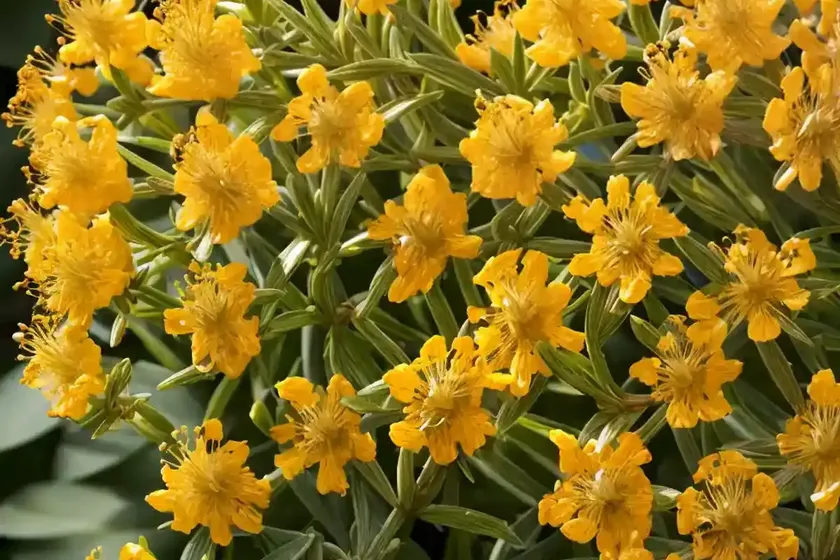
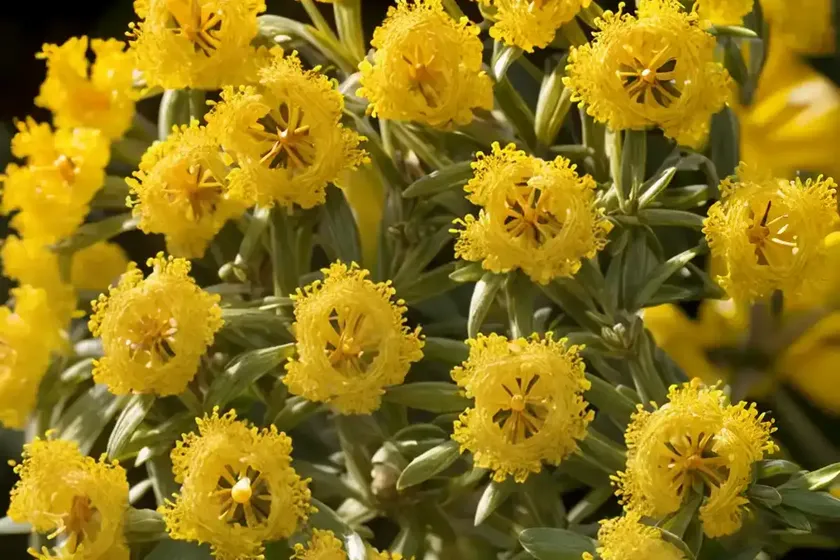
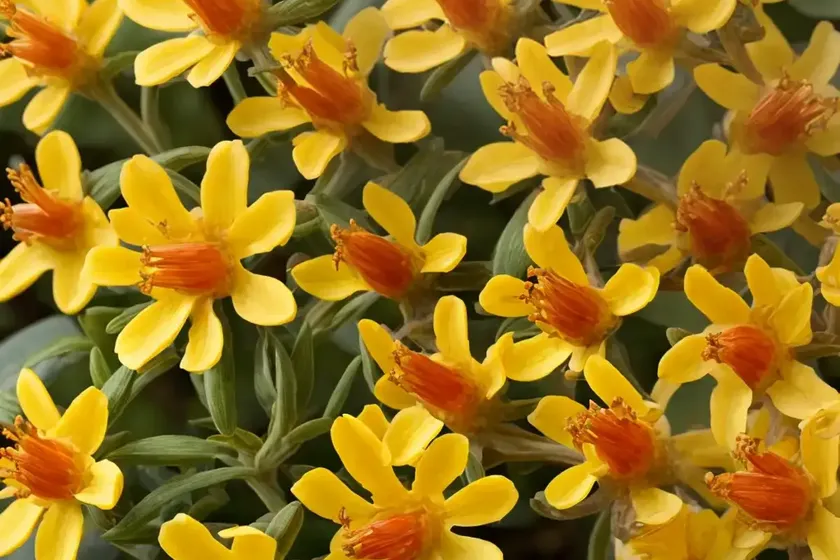
Plants have been an integral part of human civilization, offering sustenance, medicinal properties, and aesthetic pleasure. Among the myriad of plant species, Hypericum androsaemum, commonly known as Sweet Amber, is a standout plant with its unique characteristics and versatile uses. In this comprehensive guide, we will delve into the diverse aspects of Hypericum androsaemum, covering its culture, uses, care requirements, common diseases, pests, propagation, and much more.
What is Hypericum Androsaemum (Sweet Amber)?
Hypericum androsaemum, commonly referred to as Sweet Amber, is a species of flowering plant in the Hypericaceae family. It is native to the Mediterranean region and parts of Europe, characterized by its distinctive amber-colored, translucent berries and attractive foliage. The plant is noted for its ornamental value and has been cultivated for centuries for its medicinal properties, landscape appeal, and as an attractive addition to gardens and natural habitats.
Key Takeaways – Hypericum Androsaemum (Sweet Amber)
Before we embark on an in-depth exploration of Hypericum androsaemum, let’s overview the key takeaways that we’ll be covering in this guide:
- Culture
- Uses
- Water
- Sunlight
- Fertilizer
- Soil
- Pruning
- Propagation
- Container Popularity
- Container Common Diseases
- Disease Diagnosis
- Common Pests
- Botanist’s Tips
- Fun Facts
- Links to External Resources
Culture of Hypericum Androsaemum (Sweet Amber)
Understanding the culture of Hypericum androsaemum is essential for successfully nurturing this versatile plant. Let’s dive into the various facets of its culture:
Uses
Hypericum androsaemum, or Sweet Amber, has multifaceted uses, which contribute to its popularity among gardeners, herbalists, and landscape designers. Below are the primary uses of this plant:
-
Ornamental Use: The attractive foliage and distinctive amber-colored berries make Hypericum androsaemum a popular choice for ornamental plantings in gardens and landscapes.
-
Medicinal Purposes: Historically, this plant has been used in traditional medicine for its perceived therapeutic properties. It has been utilized in herbal remedies for various health conditions, contributing to its significance in the herbal medicine landscape.
-
Wildlife Attraction: The plant’s flowers and berries serve as a food source for wildlife, making it a valuable addition to natural habitats and wildlife gardens.
-
Culinary Applications: While caution is advised due to the toxic nature of some parts of the plant, certain parts have been traditionally used in culinary practices, adding a unique touch to certain dishes and beverages.
Water
Proper watering is essential for maintaining the health and vigor of Hypericum androsaemum. Though this plant is relatively tolerant of moderate drought conditions, consistent watering is crucial, especially during its establishment phase and prolonged dry spells. Below are the general watering guidelines for Sweet Amber:
-
Establishment Phase: During the initial planting period, ensure that the soil is consistently moist, but not waterlogged, to facilitate healthy root development.
-
Mature Plants: Once established, Hypericum androsaemum typically requires regular watering, especially during dry periods, to support optimal growth and fruit development.
-
Winter Care: While the plant exhibits some drought tolerance, it’s important to provide adequate hydration during extended dry winters to prevent stress and dehydration.
Sunlight
Hypericum androsaemum thrives in locations that receive ample sunlight, and it demonstrates robust growth and berry production when provided with suitable light conditions. Here are the key aspects of sunlight requirements for Sweet Amber:
-
Full Sun Exposure: Ideally, plant Hypericum androsaemum in locations that receive at least 6-8 hours of direct sunlight daily for vigorous growth and prolific flowering.
-
Partial Shade Tolerance: While the plant favors full sun, it can tolerate partial shade, especially in regions with intense summer heat, provided it still receives a substantial amount of sunlight.
-
Winter Sun: During the winter season, exposure to sunlight is crucial for maintaining plant health and encouraging blooming in the following growing season.
Fertilizer
Appropriate fertilization contributes to the overall health and vigor of Hypericum androsaemum, promoting robust growth, flowering, and berry production. Consider the following fertilizer recommendations for Sweet Amber:
-
Balanced Fertilizer: Utilize a balanced, slow-release fertilizer formulated for flowering shrubs or general garden plants to provide essential nutrients without promoting excessive vegetative growth.
-
Spring Application: Apply fertilizer in early spring, just before the onset of the plant’s active growth phase, to provide the necessary nutrients for the upcoming growing season.
-
Avoid Over-Fertilization: While regular fertilization is beneficial, avoid overdoing it, as excessive nutrients can lead to imbalanced growth and potential issues.
Soil
The composition and quality of the soil directly impact the growth, health, and productivity of Hypericum androsaemum. Understanding the soil requirements and ensuring proper soil preparation are crucial for cultivating thriving Sweet Amber plants. Below are the key considerations for soil:
-
Well-Drained Soil: Hypericum androsaemum thrives in well-drained, loamy soil that retains adequate moisture without becoming waterlogged. Soggy or compacted soils should be amended to enhance drainage.
-
Soil pH: The plant generally prefers slightly acidic to neutral soil with a pH range of 6.0-7.5. Conduct a soil pH test and amend the soil if necessary to create an optimal growing environment.
-
Organic Matter: Incorporating organic matter, such as compost or well-rotted manure, into the soil promotes improved soil structure, nutrient availability, and biological activity, benefiting the overall health of Sweet Amber.
Pruning
Proper pruning plays a pivotal role in maintaining the form, health, and productivity of Hypericum androsaemum. Appropriate pruning practices ensure that the plant remains tidy, disease-free, and capable of producing an abundance of berries and attractive foliage. Consider the following pruning guidelines:
-
Spring Pruning: Conduct light pruning in early spring to remove any dead, diseased, or damaged stems, as well as to shape the plant and encourage new growth.
-
Post-Flowering Pruning: After the flowering period, selectively prune the plant to maintain its desired size and shape, while also promoting a more compact and vigorous growth habit.
-
Avoid Over-Pruning: While regular maintenance pruning is beneficial, excessive or untimely pruning can compromise the plant’s ability to set flowers and produce berries.
Propagation
The propagation of Hypericum androsaemum enables gardeners to expand their plant collection and share this captivating species with others. Several propagation methods are suitable for Sweet Amber, allowing for the creation of new plants from existing specimens. Below are the primary propagation techniques:
-
Seed Propagation: Growing Sweet Amber from seeds is a viable option, though it requires patience, as germination can be slow. Sow seeds in a well-draining, seed-starting mix and maintain consistent moisture until germination occurs.
-
Cutting Propagation: Propagating Hypericum androsaemum from semi-hardwood cuttings offers a reliable and efficient method of producing new plants that are true to the parent plant’s characteristics. Select healthy, non-flowering stems for best results.
-
Division: Dividing established plants is an effective way to propagate Hypericum androsaemum, particularly for rejuvenating overgrown specimens or multiplying desirable cultivars.
Container Popularity
The popularity of container gardening has surged in recent years, with enthusiasts discovering the versatility, convenience, and aesthetic appeal of cultivating plants in containers. Hypericum androsaemum is well-suited for container cultivation, adding ornamental value to patios, balconies, and outdoor living spaces. The following factors contribute to its popularity in container gardening:
-
Ornamental Display: The attractive berries, foliage, and flowering habit make Sweet Amber an eye-catching addition to container gardens, providing visual interest throughout the growing season.
-
Space Flexibility: Container cultivation allows individuals with limited garden space to enjoy the beauty of Hypericum androsaemum, and it presents opportunities for creative arrangements and combinations with other plants.
-
Zone Adaptability: By utilizing containers, individuals in a range of climate zones can successfully grow Hypericum androsaemum, as containers can be moved to sheltered locations during extreme weather conditions.
Container Common Diseases
While container gardening offers numerous benefits, it’s important to be aware of potential diseases that can affect plants, including Hypericum androsaemum. Common diseases that may impact this plant when grown in containers include:
-
Root Rot: Excessive moisture or poor drainage can lead to root rot, a fungal disease that affects the roots, causing wilting, yellowing foliage, and overall decline in plant health.
-
Powdery Mildew: This fungal disease, characterized by a powdery white coating on the leaves, can afflict Sweet Amber plants in containers, especially in humid or poorly ventilated environments.
-
Botrytis Blight: In conditions of high humidity, botrytis blight may occur, leading to the development of gray mold on the plant’s foliage and berries.
Disease Diagnosis
When monitoring container-grown Hypericum androsaemum, it’s important to be vigilant about identifying and addressing potential diseases promptly. Early diagnosis and intervention are crucial for minimizing the impact of diseases. Some key elements of disease diagnosis include:
-
Visual Symptoms: Regularly inspect the plant for any unusual changes, such as wilting, discoloration, spots, or unusual growths, which can indicate the presence of a disease.
-
Environmental Conditions: Consider the prevailing environmental factors, such as moisture levels, temperature, and air circulation, which can contribute to the development and spread of diseases.
-
Isolation and Treatment: If a disease is suspected, isolate the affected plant to prevent further spread, and promptly implement appropriate treatment measures, which may include adjusting watering practices, improving air circulation, or applying targeted fungicidal treatments.
Common Pests
Pest infestations can pose a threat to the health and vitality of Hypericum androsaemum when grown in containers. Vigilance and proactive pest management strategies help safeguard the plant from potential pest-related issues. Common pests that may target Sweet Amber in container settings include:
-
Aphids: These small, sap-sucking insects can colonize the foliage and tender stems of Hypericum androsaemum, leading to distorted growth and the potential spread of viral diseases.
-
Spider Mites: Given the right conditions, spider mites can proliferate in container environments, causing stippling, webbing, and overall decline in plant vigor.
-
Scale Insects: Scale insects, characterized by their protective shell-like coverings, can attach to the stems and leaves of Sweet Amber, sapping the plant’s vital juices and causing weakening or stunted growth.
Botanist’s Tips for Hypericum Androsaemum (Sweet Amber)
Drawing from expert insights and practical experiences, the following tips are invaluable for cultivating and caring for Hypericum androsaemum to ensure optimal growth and overall well-being:
-
Prune Wisely: Adopt regular, moderate pruning to maintain the plant’s form, promote air circulation, and encourage robust flowering and berry production.
-
Monitor Soil Moisture: Pay careful attention to soil moisture levels, ensuring that the soil remains consistently moist but not waterlogged, especially during the establishment phase and dry periods.
-
Provide Adequate Sunlight: Position Sweet Amber in a location that receives ample sunlight, as sunlight is essential for robust growth, flowering, and berry development.
-
Implement Pest Management: Regularly monitor for pests, implement appropriate pest management strategies, and address pest issues promptly to protect the plant’s health.
Fun Facts about Hypericum Androsaemum (Sweet Amber)
Discover some engaging and intriguing facts about Hypericum androsaemum, shedding light on the captivating traits and rich history of this remarkable plant:
-
Berries and Folklore: The translucent, amber-colored berries of Hypericum androsaemum have been a subject of folklore and superstitions, with various cultures attributing special significance and symbolism to the plant.
-
Medicinal History: The plant has a storied history in traditional medicine, with certain parts and extracts of the plant being utilized for a range of health-related purposes, contributing to its longstanding role in herbal medicine practices.
-
Landscape Appeal: Hypericum androsaemum’s attractive foliage, colorful berries, and summer flowering make it a sought-after element in landscape designs, contributing to its widespread popularity in horticultural and garden settings.
Links to External Resources
For further exploration of Hypericum androsaemum, including in-depth care guides, cultivation tips, and additional insights, consider consulting the following reputable resources:
- Royal Horticultural Society (RHS)
- Missouri Botanical Garden
- American Horticultural Society (AHS)
- The Plant List
In conclusion, Hypericum androsaemum, or Sweet Amber, stands as a captivating and versatile plant with a rich tapestry of uses, ornamental appeal, and historical significance. By understanding and implementing the essential care requirements and cultural practices, enthusiasts can cultivate thriving Sweet Amber plants, while also enjoying the unique charm and botanical contributions of this remarkable species.
This comprehensive guide offers an extensive exploration of Hypericum androsaemum (Sweet Amber), delving into its culture, uses, care requirements, common diseases, pests, and propagation. Whether you are an avid gardener, an aspiring herbalist, or a landscape enthusiast, this guide provides valuable insights and practical recommendations for cultivating and appreciating the remarkable qualities of Sweet Amber.


