Hymenocallis caribaea ‘Variegata’ (Caribbean Spider Lily): A Tropical Beauty for Your Garden
As a plant scientist, I am enthusiastic about exploring and sharing the wonders of the botanical world. This blog post aims to delve into the captivating realm of Hymenocallis caribaea ‘Variegata,’ commonly known as the Caribbean Spider Lily. We will journey through its cultural significance, growing conditions, uses, and much more. Whether you are a gardening enthusiast, a plant lover, or simply intrigued by the marvels of nature, this comprehensive guide is designed to provide valuable insights into the care and maintenance of this exquisite plant.
What is Hymenocallis caribaea ‘Variegata’ (Caribbean Spider Lily)?
Hymenocallis caribaea ‘Variegata’ is a striking flowering plant that belongs to the Amaryllidaceae family and is native to the Caribbean region. Renowned for its enchanting blooms and elegant foliage, this perennial bulbous plant has gained popularity among gardeners and landscape enthusiasts for its ornamental value and adaptability.
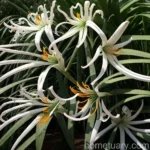
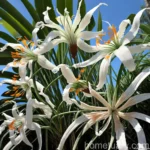
Characterized by its graceful, strap-like leaves and fragrant, star-shaped flowers, Hymenocallis caribaea ‘Variegata’ adds a touch of tropical charm to gardens, landscapes, and indoor spaces. Its variegated foliage, featuring a blend of green and creamy white hues, further enhances its visual appeal, making it a captivating choice for botanical enthusiasts and horticulturists.
In the following sections, we will delve into the key aspects of nurturing and appreciating the beauty of Hymenocallis caribaea ‘Variegata.’ From understanding its cultural significance to learning about its growth requirements and potential uses, this blog post aims to provide a comprehensive resource for plant enthusiasts and individuals seeking to cultivate this remarkable botanical gem.
Key Takeaways – Hymenocallis caribaea ‘Variegata’ (Caribbean Spider Lily)
Before delving into the specifics of caring for Hymenocallis caribaea ‘Variegata,’ let’s outline the key takeaways that will guide us through the various aspects of nurturing and appreciating this tropical beauty.
Culture
- Origin: Native to the Caribbean region
- Common Name: Caribbean Spider Lily
- Family: Amaryllidaceae
- Growth Habit: Perennial bulbous plant
- Foliage: Striking, strap-like leaves with variegated green and creamy white hues
- Flowers: Fragrant, star-shaped blooms with a prominent central corona
- Uses: Ornamental purposes, landscaping, cut flowers
Uses
- Ornamental Value: Ideal for gardens, landscapes, and indoor spaces
- Landscaping: Adds tropical charm and elegance to outdoor settings
- Cut Flowers: Suitable for floral arrangements and decorative purposes
Water
- Moderate watering requirements
- Well-drained soil to prevent waterlogging
- Avoid overwatering to prevent root rot
Sunlight
- Thrives in partial to full sunlight
- Bright, filtered light for optimal growth
- Protection from intense midday sun in warmer climates
Fertilizer
- Balanced liquid fertilizer during the growing season
- Diluted application to prevent fertilizer burn
- Reduced or withheld fertilization during dormancy
Soil
- Well-draining, nutrient-rich soil
- pH: Neutral to slightly acidic (6.0-7.0)
- Organic matter for improved soil structure and fertility
Pruning
- Removal of spent flowers and yellowing foliage
- Regular maintenance to enhance plant aesthetics
- Pruning shears for precision and cleanliness
Propagation
- Division of bulbs during the dormant period
- Offsets from the parent plant for new growth
- Optimal timing for successful propagation
Container Popularity
- Well-suited for container gardening
- Elegant accent for patios, balconies, and indoor spaces
- Selection of appropriate container size and drainage
Container Common Diseases
- Potential issues with overwatering in containers
- Soil-borne diseases in poorly drained containers
- Fungal infections in humid conditions
Disease Diagnosis
- Identification of leaf spots, wilting, and discoloration
- Prevention and treatment of common plant diseases
- Consultation with botanical experts if necessary
Common Pests
- Aphids, spider mites, and thrips
- Vigilance against pest infestation
- Organic pest control methods
Botanist’s Tips
- Regular monitoring of growth and flowering
- Attention to environmental conditions
- Collaboration with local botanists for tailored advice
Fun Facts
- Historical and cultural significance of the Caribbean Spider Lily
- Symbolic meaning in various traditions
- Unique traits and characteristics of Hymenocallis caribaea ‘Variegata’
Links to External Resources
To complement the insights shared in this blog post, the following external resources provide additional information and guidance on Hymenocallis caribaea ‘Variegata’ and related topics:
- The American Horticultural Society: A Guide to Plant Care
- Botanical Gardens and Arboreta: Exploring Nature’s Wonders
- University Extension Programs: Horticultural Research and Education
- International Plant Conservation Organizations: Protecting Biodiversity
With these key takeaways in mind, let’s embark on a fascinating journey into the world of Hymenocallis caribaea ‘Variegata,’ exploring its cultural significance, growing conditions, and potential applications in horticulture and landscaping.
Cultural Significance of Hymenocallis caribaea ‘Variegata’
The cultural significance of Hymenocallis caribaea ‘Variegata’ extends beyond its botanical attributes, encompassing historical, traditional, and symbolic associations that enrich its allure and value. By understanding the cultural context and historical backdrop of this tropical beauty, we can gain a deeper appreciation for its presence in gardens, landscapes, and horticultural traditions.
Native Heritage
Hymenocallis caribaea ‘Variegata’ traces its roots to the Caribbean region, where it thrives in the warm, tropical climates and contributes to the vibrant botanical tapestry of the area. Its presence in indigenous landscapes and natural habitats underscores its integral role in the local flora and cultural heritage of the Caribbean islands.
Symbolism and Traditions
In various traditions and folklore, the Caribbean Spider Lily holds symbolic significance, often embodying themes of purity, beauty, and resilience. Its fragrant blooms and graceful form have inspired artistic expressions, poetic symbolism, and cultural rituals, embellishing the tapestry of human connections with nature.
Horticultural Legacy
As an ornamental plant with ornate flowers and variegated foliage, Hymenocallis caribaea ‘Variegata’ has captivated horticulturists, gardeners, and botanists alike, contributing to its enduring legacy in horticultural practices and botanical collections. Its role in garden design, landscaping, and botanical exploration underscores its cultural relevance and enduring appeal.
By recognizing the cultural significance of Hymenocallis caribaea ‘Variegata,’ we can cultivate a deeper appreciation for its beauty, heritage, and meaningful presence in diverse landscapes and horticultural traditions.
Growing Conditions for Hymenocallis caribaea ‘Variegata’
Understanding the optimal growing conditions for Hymenocallis caribaea ‘Variegata’ is essential for nurturing its vibrant growth, promoting flowering, and ensuring its long-term health and vitality. By focusing on key factors such as water, sunlight, soil, and fertilizer, gardeners and plant enthusiasts can create an environment conducive to the flourishing of this tropical beauty.
Water
Watering Needs
- Moderate watering is essential for Hymenocallis caribaea ‘Variegata,’ allowing the soil to dry slightly between waterings to prevent waterlogging and root rot.
- During the active growing season, regular but restrained watering is recommended, ensuring that the soil is moist but not waterlogged.
- Adjust watering frequency based on environmental conditions, ensuring that the plant receives adequate moisture without becoming waterlogged.
Humidity Considerations
- Adequate humidity levels contribute to the well-being of Hymenocallis caribaea ‘Variegata,’ especially in drier or arid climates where supplemental moisture may be necessary.
- Gentle misting or placement of a pebble tray with water can increase local humidity around the plant, benefiting its growth and flowering.
Container Watering
- For potted Hymenocallis caribaea ‘Variegata,’ monitor the moisture levels in the soil to prevent overwatering, a common issue in container gardening.
- Select containers with drainage holes to facilitate proper water drainage and prevent water accumulation, which can lead to root rot.
Sunlight
Sunlight Requirements
- Hymenocallis caribaea ‘Variegata’ thrives in partial to full sunlight, requiring bright, filtered light to promote robust growth and prolific flowering.
- In warmer climates, provide protection from intense midday sun to prevent leaf scorching and maintain optimal growing conditions.
- Position the plant in a location that receives adequate sunlight, ensuring that it is exposed to direct or indirect sunlight for a significant portion of the day.
Indoor Lighting
- When grown indoors, Hymenocallis caribaea ‘Variegata’ requires bright, indirect light to mimic its natural habitat conditions and foster healthy growth.
- Supplemental lighting with grow lights or fluorescent lamps can augment natural light levels, especially in areas with limited sunlight exposure.
Light Exposure Considerations
- Monitor the plant’s response to light exposure, ensuring that it receives adequate illumination without being subjected to excessive glare or direct sunlight, which can cause leaf damage.
Fertilizer
Fertilizing Tips
- Balanced liquid fertilizer can support the growth and flowering of Hymenocallis caribaea ‘Variegata’ during the active growing season, promoting robust foliage and prolific blooms.
- Dilute the fertilizer according to the manufacturer’s instructions to prevent fertilizer burn and excessive nutrient buildup in the soil.
Nutrient Requirements
- Opt for a fertilizer formulation with balanced N-P-K (nitrogen, phosphorus, and potassium) proportions to support overall plant health and flowering capacity.
- Supplemental micronutrients such as iron and magnesium may be beneficial in addressing specific nutrient deficiencies or promoting vibrant foliage coloration.
Seasonal Fertilization
- Adjust the frequency and dosage of fertilization based on the plant’s growth cycle, reducing or withholding fertilization during periods of dormancy or reduced growth.
- Monitor the plant’s response to fertilization, addressing any signs of nutrient deficiency or excess with appropriate adjustments to the feeding regimen.
Soil
Soil Preferences
- Hymenocallis caribaea ‘Variegata’ thrives in well-draining, nutrient-rich soil with a loose texture, promoting healthy root development and preventing waterlogging.
- Optimal soil pH ranges from neutral to slightly acidic (6.0-7.0), providing favorable conditions for nutrient uptake and microbial activity in the root zone.
Organic Matter
- Incorporating organic matter such as compost, peat moss, or well-rotted manure can improve soil structure and fertility, enhancing its capacity to retain moisture and nutrients.
- Regularly amending the soil with organic matter contributes to the long-term health and vitality of the plant, fostering robust growth and flowering.
Container Soil Considerations
- When growing Hymenocallis caribaea ‘Variegata’ in containers, select a well-draining potting mix tailored for bulbs or flowering plants, ensuring adequate aeration and moisture retention.
- Monitor the soil moisture in containers, adjusting the watering regimen and soil composition as needed to maintain optimal growing conditions for the plant.
In the next section, we will explore the maintenance and care practices for Hymenocallis caribaea ‘Variegata,’ including pruning, propagation, and potential uses in garden design and landscaping.
Maintenance and Care Practices
Ensuring the well-being and vitality of Hymenocallis caribaea ‘Variegata’ involves attentive maintenance practices and proactive care measures tailored to its specific requirements. From pruning to propagation and strategic uses in garden design, the following insights provide actionable guidance for promoting the health and beauty of this tropical beauty.
Pruning
Pruning Steps
- Removal of spent flowers: Trim the faded blooms to encourage continued flowering and prevent the development of seed pods that can divert the plant’s energy from new growth.
- Yellowing foliage removal: Prune discolored or yellowing leaves to maintain plant aesthetics and prevent the spread of disease or pest infestations.
Pruning Tools
- Pruning shears: Use clean and sharp pruning shears to facilitate precise and clean cuts, minimizing the risk of damage to the plant tissues and promoting rapid healing.
Maintenance Benefits
- Regular pruning enhances the visual appeal of Hymenocallis caribaea ‘Variegata,’ preserving its elegant form and promoting vigorous growth and flowering.
- Prompt removal of spent flowers and declining foliage minimizes the risk of disease transmission and conserves the plant’s resources for new growth and flowering.
Propagation
Propagation Methods
- Bulb division: During the dormant period, carefully divide the bulbs of Hymenocallis caribaea ‘Variegata,’ ensuring that each division has viable roots and dormant buds for new growth.
- Offsets: Separate and pot the offsets produced by the parent plant, providing suitable growing conditions to facilitate the establishment of new Hymenocallis caribaea ‘Variegata’ plants.
Timing Considerations
- Optimal timing for propagation corresponds to the plant’s natural growth cycle, allowing new divisions or offsets to acclimate and develop prior to their active growing season.
Propagation Success
- Provide adequate moisture, warmth, and light for newly propagated Hymenocallis caribaea ‘Variegata’ plants to support their establishment and subsequent growth.
- Monitor the progress of propagules, adjusting environmental conditions and care practices as needed to promote successful rooting and development.
Uses in Garden Design and Landscaping
Ornamental Landscaping
- Hymenocallis caribaea ‘Variegata’ serves as an enchanting focal point in ornamental landscapes, contributing its elegant foliage and fragrant blooms to garden compositions and outdoor settings.
- Integrate the Caribbean Spider Lily into mixed borders, tropical-themed gardens, and water features, creating captivating displays and enhancing the visual appeal of the landscape.
Container Gardening
- Potted Hymenocallis caribaea ‘Variegata’ plants complement patios, balconies, and indoor spaces with their graceful presence and vibrant blooms, serving as elegant accents in container gardens.
- Select appropriately sized containers and well-draining potting mixes to provide an optimal environment for the plant, fostering healthy growth and flowering.
Potential Uses in Floral Arrangements
- The fragrant blooms of Hymenocallis caribaea ‘Variegata’ make it an excellent choice for floral arrangements, contributing their unique charm and tropical allure to bouquets and decorative displays.
- Pair the Caribbean Spider Lily with complementary flowers and foliage to create visually captivating arrangements, incorporating its distinctive form and fragrance into floral compositions.
As we continue our exploration of Hymenocallis caribaea ‘Variegata,’ we will address common diseases and pests that may affect the plant, along with botanist’s tips and fun facts to further enrich our understanding of this tropical beauty.
Common Diseases and Pest Management
Vigilance against common diseases and pests is integral to preserving the health and vitality of Hymenocallis caribaea ‘Variegata,’ safeguarding its growth and flowering while maintaining its ornamental appeal. By recognizing potential issues and implementing preventive measures, gardeners can ensure that this tropical beauty thrives in optimal growing conditions.
Common Diseases
Leaf Spot
- Identification: Circular or irregular spots on the foliage, often accompanied by discoloration or browning of the affected areas.
- Prevention and Treatment: Maintain proper air circulation, avoid prolonged foliage wetness, and remove and destroy infected leaves to prevent the spread of the disease.
Fungal Infections
- Symptoms: Powdery mildew, gray mold (botrytis), or fungal leaf spots may affect Hymenocallis caribaea ‘Variegata,’ manifesting as visible growth or discoloration on the leaves and stems.
- Cultural Practices: Provide adequate ventilation, minimize humidity levels, and avoid overhead watering to reduce the risk of fungal infections.
Pest Management
Aphids, Spider Mites, and Thrips
- Identifying Signs: Visible pests, distorted foliage, stippling, or webbing on the plant, indicating infestation by aphids, spider mites, or thrips.
- Organic Control: Implement natural predator introduction, insecticidal soap application, or neem oil treatments to manage pest populations in an environmentally friendly manner.
Vigilance and Monitoring
- Regularly inspect the foliage and stems of Hymenocallis caribaea ‘Variegata’ for signs of pest activity, addressing infestations promptly to minimize damage and stress on the plant.
Disease Diagnosis
Visual Analysis
- Observation of leaf spots, wilting, discoloration, or abnormal growth patterns provides visual cues for diagnosing potential diseases and health issues in Hymenocallis caribaea ‘Variegata.’
- Document and monitor changes in the plant’s appearance, seeking guidance from botanical sources or local experts if disease symptoms persist or worsen.
Treatment Considerations
- Tailor treatment measures to the specific disease or pest issue affecting the plant, ensuring that interventions are targeted, effective, and conducive to the plant’s overall well-being.
- Practice integrated pest management (IPM) principles, combining cultural, biological, and mechanical control methods to address diseases and pests while minimizing environmental impact.
Botanist’s Tips
Environmental Monitoring
- Regularly monitor environmental conditions, including temperature, humidity, and light exposure, to ensure that Hymenocallis caribaea ‘Variegata’ receives optimal growing conditions.
- Incorporate technological tools such as environmental sensors and data loggers to track and analyze the plant’s microclimate for informed care decisions.
Collaboration with Experts
- Engage with local botanists, horticulturists, or garden professionals to gain personalized advice and insights into the growth and care of Hymenocallis caribaea ‘Variegata,’ leveraging their expertise and experience.
Adaptive Cultivation
- Adapt cultivation practices based on the plant’s response to specific environmental factors, adjusting watering, fertilization, and light exposure to accommodate its evolving growth and flowering patterns.
Fun Facts
Historical and Cultural Significance
- Hymenocallis caribaea ‘Variegata’ holds historical and cultural significance in the Caribbean region, featuring in local traditions, folklore, and botanical lore as a symbol of beauty and elegance.
- Its fragrant blooms and striking foliage have inspired artistic expressions and creative endeavors, enriching the cultural tapestry of the regions where it thrives.
Unique Traits
- The variegated foliage of Hymenocallis caribaea ‘Variegata’ contributes to its visual appeal, showcasing a harmonious blend of green and creamy white hues that accentuate its graceful form.
- Each star-shaped flower of the Caribbean Spider Lily exudes a delicate fragrance, captivating the senses and imbuing the garden or landscape with its tropical allure.
As we