Hymenocallis Latifolia – The Perfumed Spider Lily
Hymenocallis latifolia, commonly known as the Perfumed Spider Lily, is a captivating flowering plant renowned for its ornamental value and delightful fragrance. In this comprehensive guide, we will delve into the various aspects of this plant, including its description, care requirements, maintenance practices, and much more. Whether you are an experienced horticulturist or a gardening enthusiast eager to explore new species, this guide will equip you with the knowledge needed to nurture and appreciate the beauty of Hymenocallis latifolia.
What is Hymenocallis Latifolia?
Hymenocallis latifolia, a member of the Amaryllidaceae family, is native to Mexico and Central America. It is characterized by its striking white flowers and intoxicating fragrance, making it a popular choice for gardens, landscapes, and indoor settings. The plant’s elegant appearance and enchanting scent have contributed to its widespread popularity among gardeners and botany enthusiasts.
Hymenocallis Latifolia Description
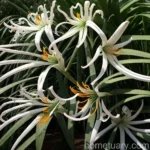
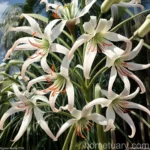
The Hymenocallis latifolia plant features long, slender green leaves and produces showy, fragrant flowers that bloom in clusters. The flowers exhibit a striking white coloration and possess unique characteristics that distinguish them from other species within the Hymenocallis genus.
Key Takeaways – Hymenocallis Latifolia (Perfumed Spider Lily)
Culture
- Origin: Mexico and Central America
- Family: Amaryllidaceae
- Common Names: Perfumed Spider Lily, Spider Lily
- Flower Color: White
- Fragrance: Highly fragrant
- Growth Habit: Perennial
Uses
- Ornamental: Widely used in gardens and landscapes for its aesthetic appeal.
- Fragrance: Valued for its sweet, captivating scent.
Water
- Watering: Requires regular watering, ensuring that the soil remains consistently moist.
Sunlight
- Sun Exposure: Thrives in partial to full sunlight, making it an ideal choice for well-lit areas in gardens or indoor spaces.
Fertilizer
- Fertilization: Benefits from regular applications of a balanced, water-soluble fertilizer during the growing season.
Soil
- Soil Type: Prefers well-draining, fertile soil with a slightly acidic to neutral pH.
Pruning
- Pruning: Minimal pruning required, primarily to remove spent blooms or yellowing foliage.
Propagation
- Propagation: Can be propagated through division of offsets or from seeds, offering flexibility in cultivation methods.
Container Popularity
- Container Planting: Well-suited for container gardening, allowing for versatile placement and display options.
Common Diseases
- Diseases: Susceptible to fungal diseases such as root rot and powdery mildew if subjected to prolonged moisture or inadequate air circulation.
Disease Diagnosis
- Signs of Disease: Yellowing or browning of leaves, wilting, and abnormal growth may indicate the presence of disease.
Common Pests
- Pests: Prone to infestations by pests such as aphids and spider mites, necessitating proactive pest management.
Botanist’s Tips
- Care Tips: Maintain adequate moisture levels, provide sufficient sunlight, and ensure good air circulation to promote healthy growth and blooming.
Fun Facts
- Fragrance: The Perfumed Spider Lily’s delightful fragrance can fill the surrounding space with a sweet, alluring aroma.
- Symbolism: Represents purity and beauty, making it a popular choice for ceremonial and decorative purposes.
Links to External Resources
For additional insights and resources on Hymenocallis latifolia and related topics, you may find the following links valuable:
– Royal Horticultural Society – Hymenocallis
– American Society for Horticultural Science
Hymenocallis Latifolia (Perfumed Spider Lily) Care Guide
Cultivating and caring for Hymenocallis latifolia involves understanding its specific requirements and implementing appropriate practices to support its health and vitality. By following a comprehensive care guide, you can ensure that this exquisite plant thrives and graces your living spaces with its captivating presence.
Growing Perfumed Spider Lily
- Planting Season: Spring or early summer
- Growing Conditions: Rich, well-draining soil and ample sunlight
- Hardiness Zones: Typically suited for USDA plant hardiness zones 8-11
Hymenocallis Latifolia Propagation Techniques
- Division: Dividing offsets from mature plants
- Seed Propagation: Sowing seeds in a suitable growing medium
Perfumed Spider Lily Varieties
- Single Varieties: Commonly available in a single major variety
- Hybrid Varieties: Limited hybrid varieties may exhibit subtle differences in flower structure or fragrance
Hymenocallis Latifolia Characteristics
- Foliage: Long, slender green leaves
- Flowers: White, star-shaped blooms with a sweet and intoxicating fragrance
- Height: Typically grows to a height of 1 to 2 feet
Perfumed Spider Lily Cultivation Tips
- Moisture: Maintain consistent soil moisture without waterlogging
- Sunlight: Provide ample sunlight for optimal growth and flowering
- Fertilization: Apply a balanced, water-soluble fertilizer during the growing season
Hymenocallis Latifolia Planting Instructions
- Location: Choose a well-lit area with well-draining soil
- Planting Depth: Plant bulbs at a depth of approximately 4 to 6 inches
- Spacing: Space bulbs approximately 8 to 12 inches apart
Perfumed Spider Lily Blooms
- Flowering Period: Typically blooms in late spring to early summer
- Duration: Flowering may last for several weeks, offering an extended display of blooms
Hymenocallis Latifolia Maintenance
- Deadheading: Remove spent blooms to encourage continuous flower production
- Leaf Maintenance: Trim yellowing or damaged leaves as needed
Perfumed Spider Lily Watering Needs
- Water Requirements: Requires moderate and consistent moisture levels
- Consistency: Avoid both prolonged drought and waterlogging to maintain optimal health
Hymenocallis Latifolia Soil Requirements
- Preferred Soil: Well-draining, fertile soil with a slightly acidic to neutral pH
- Amendment: Incorporate organic matter to enhance soil structure and fertility
Perfumed Spider Lily Pests and Diseases
- Common Pests: Aphids, spider mites
- Disease Susceptibility: Prone to root rot and powdery mildew in overly moist or stagnant conditions
Hymenocallis Latifolia Pruning Guide
- Pruning Needs: Minimal pruning required
- Pruning Objectives: Remove spent blooms, yellowing foliage, or damaged plant parts
Perfumed Spider Lily Sun Exposure
- Sunlight preferences: Thrives in partial to full sunlight
- Light Intensity: Ideally, provide bright, indirect light for optimal growth and blooming
Hymenocallis Latifolia Potting Techniques
- Container Selection: Choose a well-draining container of appropriate size
- Planting Depth: Ensure proper bulb depth when planting in containers
Perfumed Spider Lily Indoor Gardening
- Indoor Care: Provide sufficient sunlight and maintain moderate humidity levels
- Air Circulation: Ensure good air circulation to prevent fungal issues
Hymenocallis Latifolia Outdoor Planting
- Garden Planting: Suitable for garden beds, borders, and mass plantings
- Landscape Use: Adds elegance and fragrance to outdoor landscapes and gardens
Perfumed Spider Lily Container Gardening
- Container Options: Pots, planters, and decorative containers
- Versatility: Ideal for patio, balcony, or indoor settings in containers
Hymenocallis Latifolia Seasonal Care
- Spring: Check for emerging growth and provide appropriate care to support the growing plant
- Summer: Monitor moisture levels and protect from excessive heat
- Fall: Prepare for dormancy and reduce watering as the plant enters a dormant phase
- Winter: Protect from frost and cold temperatures to ensure survival
Perfumed Spider Lily Winter Protection
- Frost Protection: Provide shelter or insulation against frost
- Overwintering: In colder climates, consider overwintering bulbs indoors
Hymenocallis Latifolia Companion Plants
- Suitable Companions: Species with similar soil and water requirements
- Complementary Species: Consider plants with contrasting growth habits or flower colors for visual interest
Perfumed Spider Lily Landscaping Ideas
- Formal Gardens: Adds a touch of elegance and fragrance to formal garden layouts
- Mixed Borders: Offers beautiful contrast and fragrant blooms in mixed border plantings
Hymenocallis Latifolia Garden Design
- Design Considerations: Incorporate into floral arrangements, walkway borders, or themed garden beds
- Fragrance Optimization: Place in locations where the fragrance can be fully appreciated
Perfumed Spider Lily Fragrant Flowers
- Fragrance Strength: Exhibits a potent, captivating fragrance
- Aromatic Appeal: Attracts pollinators and enhances the surrounding environment with its sweet scent
Hymenocallis Latifolia Medicinal Uses
- Traditional Medicine: Historically used in herbal remedies
- Contemporary Use: Limited contemporary medicinal applications
Perfumed Spider Lily Fall Care
- Dormancy Preparation: Reduce watering as the plant prepares for dormancy
- Bulb Storage: If necessary, store bulbs in a cool, dry location for the winter
Hymenocallis Latifolia Flower Symbolism
- Meaning: Often associated with purity and beauty
- Ceremonial Uses: Utilized in weddings, religious ceremonies, and floral arrangements
Perfumed Spider Lily Pollination Process
- Pollinators: Attracts pollinators such as bees and butterflies
- Seed Development: Successful pollination contributes to seed production and genetic diversity
Hymenocallis Latifolia Wildlife Attraction
- Pollinator Support: Beneficial for supporting local pollinator populations
- Ecological Role: Contributes to local ecosystems through its interactions with wildlife
Perfumed Spider Lily Container Planting
- Container Options: Select containers with adequate drainage and space for root development
- Watering Considerations: Monitor moisture levels more closely in containers
Hymenocallis Latifolia Flower Arrangement Ideas
- Cut Flowers: Suitable for floral arrangements and indoor displays
- Fragrance Enhancement: Incorporate blooms into arrangements to add a delightful scent
Perfumed Spider Lily Garden Pests
- Pest Management: Implement proactive measures to prevent pest infestations
- Natural Predators: Encourage natural predators such as ladybugs and beneficial insects
Hymenocallis Latifolia Sun Requirements
- Sunlight Preferences: Thrives in partial to full sunlight
- Light Intensity: Bright, indirect light is ideal for optimal growth and blooming
Perfumed Spider Lily Soil pH
- pH Preferences: Slightly acidic to neutral soil pH
- Soil Testing: Monitor and adjust soil pH as needed to maintain ideal growing conditions
Hymenocallis Latifolia Repotting Instructions
- Repotting Frequency: Repot as needed to accommodate root growth
- Timing: Best performed in the spring before active growth resumes
Perfumed Spider Lily Fertilizer Needs
- Fertilization Schedule: Apply a balanced, water-soluble fertilizer during the growing season
- Nutrient Requirements: Requires essential nutrients for healthy foliage and blooming
Hymenocallis Latifolia Natural Habitat
- Native Environment: Originates from regions of Mexico and Central America
- Habitat Characteristics: Flourishes in well-draining, fertile soils with ample sunlight
Perfumed Spider Lily Companion Gardening
- Companion Selection: Choose plants with similar cultural requirements
- Complementary Plants: Consider plants that enhance the visual appeal of the garden
Hymenocallis Latifolia Seed Starting
- Sowing Method: Start seeds indoors or directly in a suitable growing medium
- Germination Period: Await germination under optimal conditions
Perfumed Spider Lily Summer Care
- Summer Watering: Monitor moisture levels to prevent drought stress
- Foliage Maintenance: Ensure foliage remains healthy and free from disease or pest issues
Hymenocallis Latifolia Best Uses in Landscaping
- Garden Beds: Adds elegance and fragrance to garden beds and borders
- Patio Displays: Enhances outdoor living spaces with its captivating flowers and scent
Perfumed Spider Lily Flower Color Variations
- Bloom Color: Predominantly white blooms with occasional subtle variations
- Color Intensity: White flowers with a vibrant, captivating allure
Hymenocallis Latifolia Sunlight Preferences
- Sun Exposure: Thrives in partial to full sunlight
- Light Intensity: Bright, indirect light promotes healthy growth and flowering
Perfumed Spider Lily Water Requirements
- Moisture Needs: Maintains moderate soil moisture levels without waterlogging
- Watering Frequency: Regular, consistent watering to support growth and blooming
Hymenocallis Latifolia Temperature Tolerance
- Temperature Range: Thrives in moderate to warm temperatures
- Cold Sensitivity: Protect from frost and cold temperatures, especially in cooler climates
Perfumed Spider Lily Disease Prevention
- Preventative Measures: Ensure well-draining soil and adequate air circulation
- Monitoring: Regularly inspect plants for signs of disease and address issues promptly
Hymenocallis Latifolia Pest Control
- Pest Management: Implement proactive pest control strategies to prevent infestations
- Natural Predators: Encourage beneficial insect populations to aid in pest management
Perfumed Spider Lily Garden Maintenance
- Routine Care: Monitor moisture levels and address any pest or disease issues promptly
- Seasonal Adjustments: Adapt care practices to support the plant’s changing needs throughout the year
By incorporating these care guidelines and insights into your cultivation practices, you can cultivate robust and vibrant Hymenocallis latifolia plants that grace your garden, interiors, or landscapes with their captivating blooms and sweet fragrance.
In this extensive guide, we’ve explored the captivating world of Hymenocallis latifolia, more commonly known as the Perfumed Spider Lily. By delving into its description, care requirements, propagation methods, and cultivation practices, you can harness a deeper understanding of this enchanting plant and create an environment where it can thrive. Whether you’re a seasoned horticulturist or an enthusiastic gardener, the allure of the Perfumed Spider Lily opens the door to a world of elegance and fragrance within your botanical endeavors.