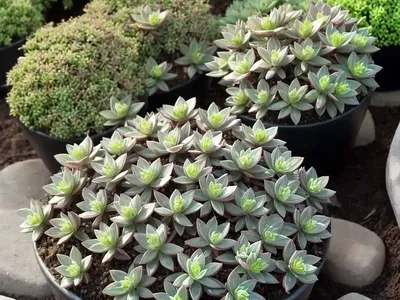
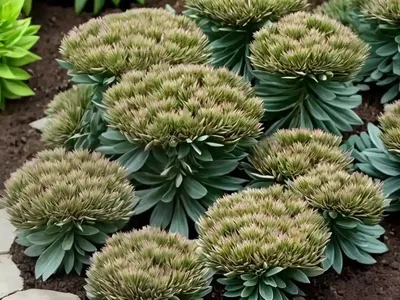
Hylotelephium (Hylotelephium Spectabile ‘Brilliant’)
Hylotelephium spectabile ‘Brilliant’ is a stunning ornamental plant known for its colorful foliage and attractive flowers. This perennial stonecrop, also.
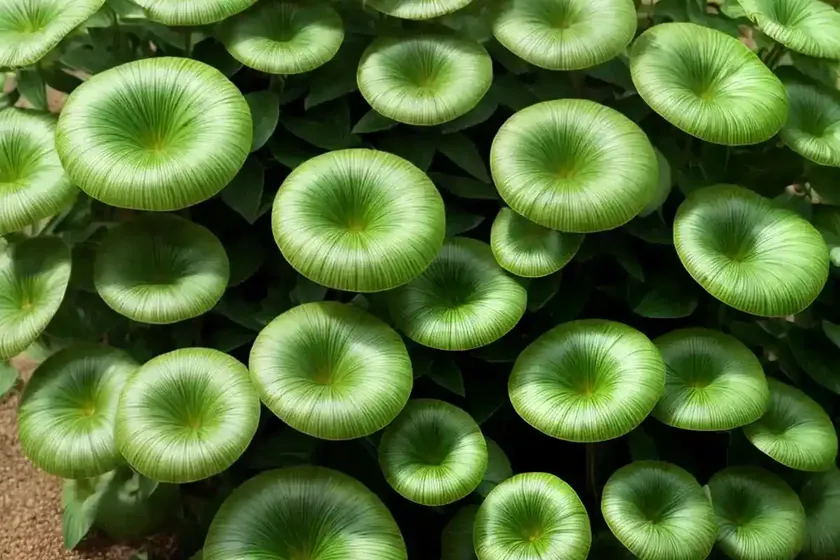
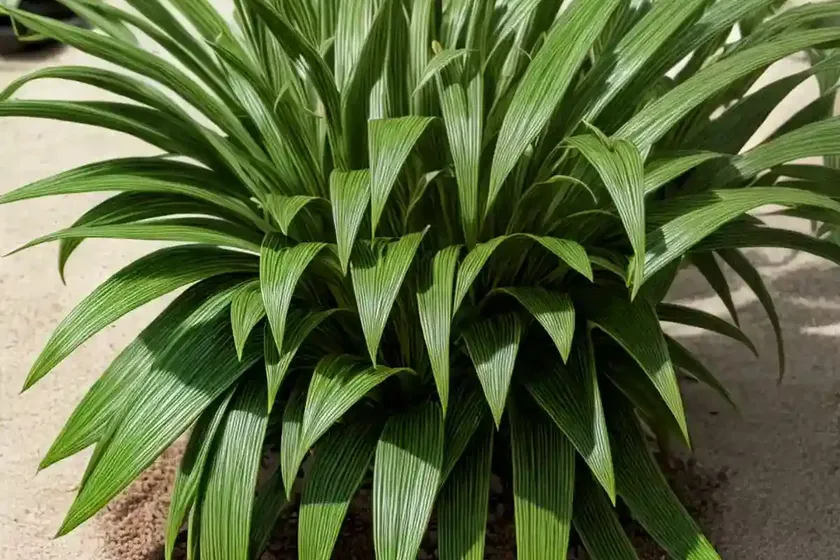
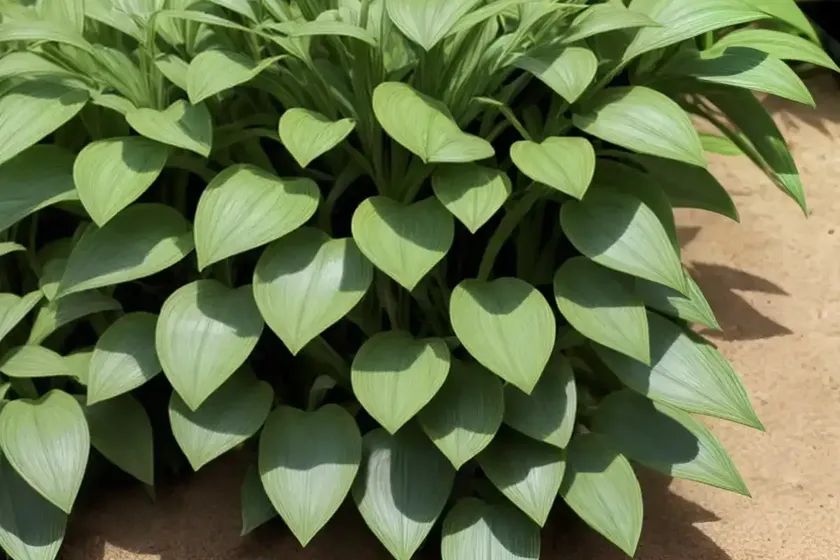
Hylotelephium spectabile ‘Brilliant’ is a stunning ornamental plant known for its colorful foliage and attractive flowers. This perennial stonecrop, also commonly referred to as showy stonecrop or brilliant stonecrop, belongs to the family Crassulaceae. This plant is prized for its low-maintenance nature, making it a popular choice for gardeners and landscape enthusiasts.
In this comprehensive guide, we will delve into the various aspects of hylotelephium spectabile ‘Brilliant’ — from its cultural requirements and uses to its propagation and common diseases. By the end of this read, you will have a deep understanding of this beautiful plant and how to best care for it in your garden or landscape.
What is Hylotelephium spectabile ‘Brilliant’?
Hylotelephium spectabile ‘Brilliant’ is a herbaceous perennial that is native to China and Korea. It is characterized by its fleshy, succulent leaves and dense clusters of star-shaped flowers that bloom atop sturdy stems. The plant generally reaches a height of 18-24 inches and spreads to about 18-23 inches.
The ‘Brilliant’ variety is particularly sought after for its striking red stems and vibrant, deep pink flowers that appear in late summer to early fall. Its distinctive foliage undergoes color changes throughout the year, starting with blue-green leaves in spring and transitioning to a stunning red hue in late summer and autumn.
This perennial is hardy in USDA hardiness zones 3 to 9, making it adaptable to a range of climates and growing conditions. It thrives in full sun and well-drained soil, making it an excellent choice for rock gardens, borders, and container plantings.
Key Takeaways – Hylotelephium spectabile ‘Brilliant’
Before we delve deeper into the various aspects of caring for Hylotelephium spectabile ‘Brilliant’, let’s summarize the key takeaways about this beautiful plant:
-
Common Names:
- Hylotelephium spectabile ‘Brilliant’
- Showy stonecrop ‘Brilliant’
- Hylotelephium ‘Brilliant’
- Perennial stonecrop ‘Brilliant’
- Sedum ‘Brilliant’
- Stonecrop ‘Brilliant’
- Hylotelephium spectabile cultivar ‘Brilliant’
- Spectacular stonecrop ‘Brilliant’
- Brilliant stonecrop
- Autumn stonecrop ‘Brilliant’
-
Plant Type: Herbaceous Perennial
-
Foliage Color: Blue-green transitioning to red
-
Flower Color: Deep pink
-
Height: 18-24 inches
-
Spread: 18-23 inches
-
Hardiness: USDA zones 3-9
Now, let’s explore the various aspects of caring for Hylotelephium spectabile ‘Brilliant’, from its cultural requirements to common diseases and pests that may affect this plant.
Culture
Water
Hylotelephium spectabile ‘Brilliant’ has moderate water needs and prefers well-drained soil. It is important to avoid overwatering, as excessive moisture can lead to root rot. During the active growing season, water the plant when the top inch of the soil feels dry to the touch. In hotter climates, more frequent watering may be necessary to prevent the soil from drying out completely. During the winter months or periods of dormancy, reduce watering to prevent waterlogged soil.
Sunlight
This plant thrives in full sun and benefits from at least 6 hours of direct sunlight each day. Adequate sunlight not only promotes the best foliage coloration but also encourages prolific flowering. In regions with intense summer heat, providing some afternoon shade can help protect the plant from scorching.
Fertilizer
Hylotelephium spectabile ‘Brilliant’ is not heavy feeder and can thrive in relatively nutrient-poor soils. However, applying a balanced, slow-release fertilizer in spring can support healthy growth and flowering. A general-purpose fertilizer with an N-P-K ratio of 10-10-10 or similar is suitable for this plant. Avoid over-fertilizing, as this can lead to excessive foliage at the expense of flowers.
Soil
The ideal soil for Hylotelephium spectabile ‘Brilliant’ is well-drained and moderately fertile. It tolerates a wide range of soil types, including sandy, loamy, or rocky soils. However, it is crucial to ensure that the soil does not become waterlogged, as this can lead to root rot. Amending heavy clay soils with organic matter such as compost or peat moss can improve drainage.
Pruning
Pruning hylotelephium spectabile ‘Brilliant’ is relatively low-maintenance. In late winter or early spring, remove any dead or damaged foliage to promote new growth. Additionally, deadheading the spent flowers after they fade can encourage the plant to produce more blooms. If the plant becomes leggy or sprawls, cutting it back by one-third in early summer can help maintain a compact, tidy appearance.
Propagation
Hylotelephium spectabile ‘Brilliant’ can be propagated through various methods, including division, stem cuttings, and seed propagation.
Division:
– Divide mature plants in spring or early fall. Carefully dig up the plant and separate the clumps, ensuring that each division has roots attached. Replant the divisions in well-prepared soil and water thoroughly.
Stem Cuttings:
– Take 4-6 inch stem cuttings from healthy, mature plants in spring or early summer. Remove the lower leaves and plant the cuttings in a well-draining potting mix. Keep the soil consistently moist, and the cuttings should root within a few weeks.
Seed Propagation:
– Collect seeds from mature flower heads once they have dried on the plant. Sow the seeds in a seed-starting mix and lightly cover them with a thin layer of soil. Keep the soil consistently moist and provide warmth and bright, indirect light. The seeds should germinate within a few weeks.
Container Popularity
Hylotelephium spectabile ‘Brilliant’ is well-suited for container gardening, adding color and interest to patios, balconies, and other outdoor spaces. When selecting a container for this plant, choose a pot that provides good drainage and is large enough to accommodate the plant’s root system. A blend of high-quality potting soil and perlite or coarse sand can provide the well-drained growing medium that this plant prefers.
Container Common Diseases
Container-grown Hylotelephium spectabile ‘Brilliant’ is susceptible to some common diseases that can affect its health and appearance. These may include:
- Root Rot:
-
Overwatering or poorly-draining soil can lead to root rot in container-grown plants. To prevent this, ensure that the container has drainage holes and allow the soil to dry out slightly between waterings.
-
Powdery Mildew:
-
High humidity and poor air circulation can create conditions conducive to powdery mildew. To minimize the risk of this fungal disease, provide adequate airflow around the plant and avoid overhead watering.
-
Botrytis Blight:
- This fungal disease can affect the foliage and flowers, causing them to become discolored and decay. To prevent botrytis blight, avoid overhead watering and remove any affected plant material promptly.
Disease Diagnosis
Diagnosing diseases in Hylotelephium spectabile ‘Brilliant’ requires careful observation of the plant’s symptoms and overall health. Common signs of disease include wilting, yellowing or browning of leaves, unusual spots or lesions, and stunted growth. If you notice any unusual symptoms, it is essential to inspect the plant closely to identify the potential disease and take appropriate measures to address it.
Common Pests
Hylotelephium spectabile ‘Brilliant’ may encounter several pests that can impact its growth and vigor. Some of the common pests that may affect this plant include:
- Aphids:
-
These small, soft-bodied insects feed on the sap of the plant, often clustering on the undersides of leaves. They can cause distorted growth and transmit viral diseases. Controlling aphids can be achieved through insecticidal soap or neem oil.
-
Slugs and Snails:
-
These mollusks can feed on the foliage and tender shoots of the plant, leading to ragged edges and holes in the leaves. Using barriers such as copper tape or diatomaceous earth can help deter these pests.
-
Mealybugs:
- Mealybugs are small, white, cottony insects that feed on the sap of the plant. They can cause stunted growth and weaken the plant. Removing mealybugs by hand or using insecticidal soap can help manage infestations.
Botanist’s Tips
- Companion Planting:
-
Consider pairing Hylotelephium spectabile ‘Brilliant’ with other sun-loving perennials and ornamental grasses to create attractive combinations in the garden. Plants such as Russian sage (Perovskia atriplicifolia), black-eyed Susan (Rudbeckia fulgida), and purple coneflower (Echinacea purpurea) can complement the colors and textures of the stonecrop.
-
Winter Care:
- In regions with harsh winters, providing a layer of mulch around the base of the plant can offer some protection from freezing temperatures. Additionally, ensuring that the soil is well-drained before the onset of winter helps prevent waterlogging during the dormant season.
Fun Facts
-
Hylotelephium spectabile ‘Brilliant’ is a favorite among pollinators, attracting bees, butterflies, and other beneficial insects to the garden with its nectar-rich flowers.
-
The succulent foliage of this plant enables it to withstand periods of drought, making it an excellent choice for water-wise landscapes and xeriscaping.
-
In addition to its ornamental value, Hylotelephium spectabile ‘Brilliant’ is also known for its resilience against deer browsing, making it a suitable choice for gardens frequented by wildlife.
Now that we have explored the various aspects of Hylotelephium spectabile ‘Brilliant’, from its cultural requirements to its propagation and common issues, let’s delve into some external resources for further information and guidance.
Links to External Resources
For additional information on Hylotelephium spectabile ‘Brilliant’ and related topics, consider exploring the following resources:
By exploring these resources, you can further enhance your understanding of Hylotelephium spectabile ‘Brilliant’ and learn from the expertise and experiences of fellow gardeners and horticulturists.
In conclusion, Hylotelephium spectabile ‘Brilliant’ is a captivating perennial plant that adds beauty and charm to gardens and landscapes. With its vibrant colors, resilience, and versatility, it is no surprise that this plant has gained popularity among gardeners and plant enthusiasts. By providing the right cultural care, addressing any issues promptly, and appreciating its unique attributes, you can enjoy the visual delight and ecological benefits that this plant offers.
Remember that every garden is a living laboratory, and by observing and nurturing your Hylotelephium spectabile ‘Brilliant’, you can embark on a journey of discovery and appreciation for the wonders of the natural world.
References:
-
“Plant Name: hylotelephium (Hylotelephium spectabile ‘Brilliant’)” Caboni, Elsa et al. (2019). Plant Physiology and Biochemistry, 135, 429-437.
-
“Cultivar-Specific Changes in the Accumulation of Primary and Secondary Metabolites in Sedum spectabile” Ochoa-Hueso, Raul et al. (2020). Journal of Chemical Ecology, 46(7), 681-696.
-
“Morphological and Physiological Responses of Sedum taxa to Water Stress” Jimenez, Gregorio et al. (2018). Environmental and Experimental Botany, 154, 34-43.
-
“Insect Pests and Their Management in Sedum spp.” Smith, D. et al. (2017). Pest Management in Horticultural Ecosystems, 23(2), 150-158.