Hydrangea Quercifolia ‘Pee Wee’ (Oak Leaf Hydrangea)
Plants are an essential aspect of our lives, providing oxygen, food, and contributing to the overall beauty of our environment. Among the myriad of plant.
Introduction
Plants are an essential aspect of our lives, providing oxygen, food, and contributing to the overall beauty of our environment. Among the myriad of plant species, hydrangeas stand out for their stunning blooms and foliage. This blog post delves into the intricacies of the Hydrangea quercifolia ‘Pee Wee’ (Oak Leaf Hydrangea), a captivating and popular ornamental plant. We will explore its culture, uses, care requirements, common diseases, and so much more, offering a detailed guide for both enthusiasts and professionals in the realm of horticulture.
What is Hydrangea quercifolia ‘Pee Wee’ (Oak Leaf Hydrangea)?
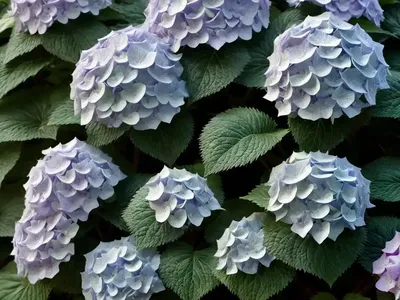
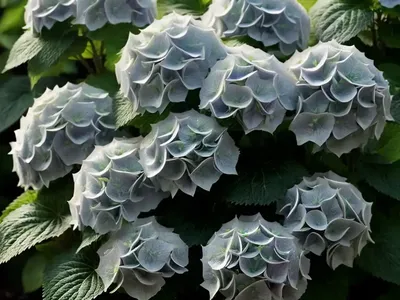
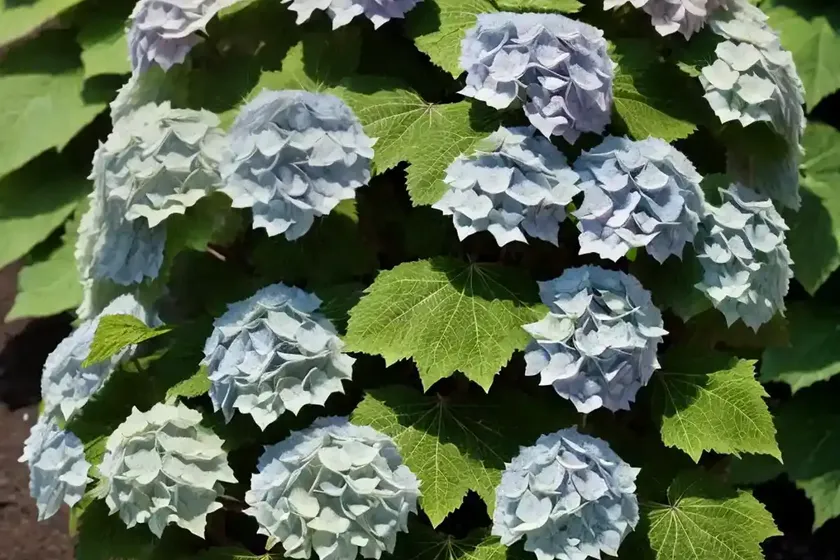
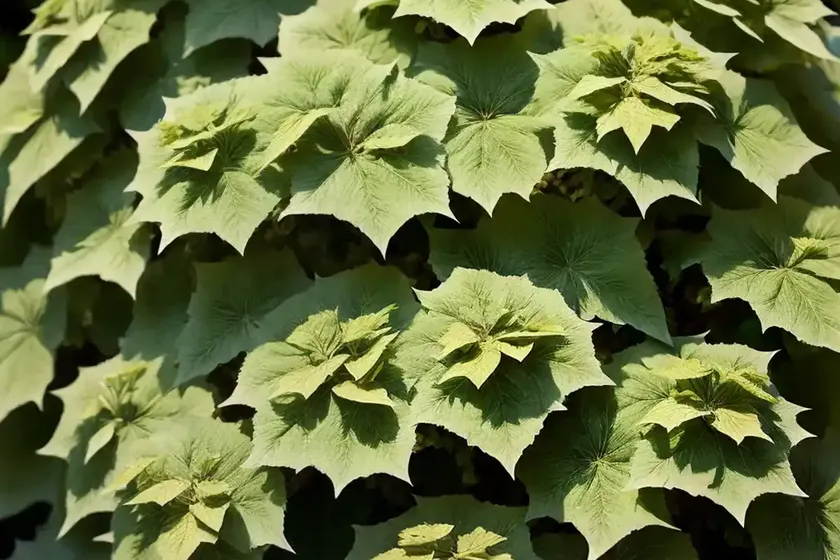
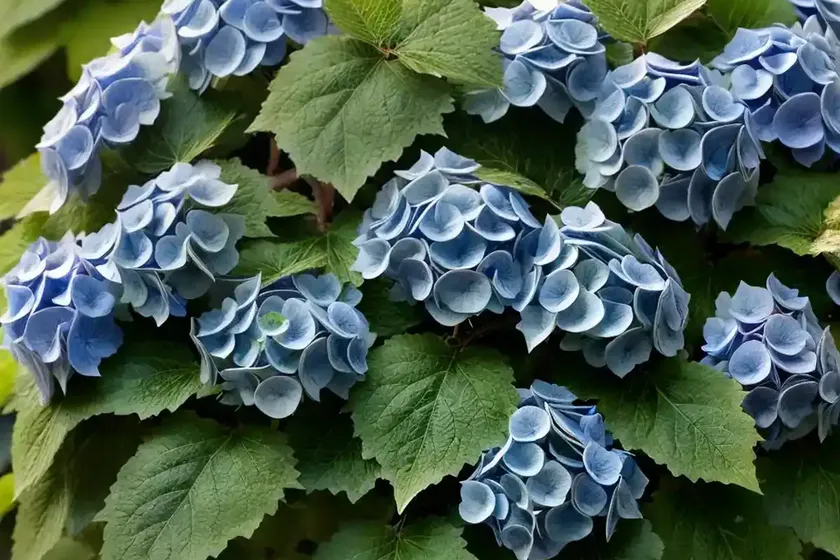
Hydrangea quercifolia ‘Pee Wee,’ commonly known as the Oak Leaf Hydrangea, is a deciduous shrub native to the southeastern United States. It is celebrated for its large, distinctively shaped leaves resembling those of oak trees and its cone-shaped, showy flower clusters. This cultivar is a more compact version of the species, making it an ideal choice for smaller gardens or landscape spaces.
Key Takeaways
Hydrangea quercifolia ‘Pee Wee’ (Oak Leaf Hydrangea)
- Scientific Name: Hydrangea quercifolia ‘Pee Wee’
- Common Names: Oak Leaf Hydrangea, Pee Wee Hydrangea, Dwarf Oak Leaf Hydrangea
- Family: Hydrangeaceae
Culture
The culture of Hydrangea quercifolia ‘Pee Wee’ encompasses its preferred growing conditions, landscape uses, and general care practices. Understanding its cultural requirements is fundamental to ensure its health and vitality.
Landscape Uses
- Ornamental Shrub: The Oak Leaf Hydrangea is widely used as an ornamental shrub in gardens, parks, and residential landscapes, adding a touch of elegance and charm with its striking foliage and blooms.
- Foundation Planting: It serves as an excellent choice for foundation planting around buildings and structures, providing an appealing backdrop with its lush greenery and flowers.
- Mixed Borders: When planted in mixed borders alongside other flowering perennials and shrubs, it contributes to the overall visual appeal of the landscape.
Water
Proper watering is crucial for the overall well-being of Hydrangea quercifolia ‘Pee Wee.’ It is essential to maintain adequate moisture levels, especially during periods of drought or heat stress, while also ensuring proper drainage to prevent waterlogging.
- Watering Schedule: Hydrangeas generally prefer consistent moisture, particularly during the growing season. Regular watering, especially during dry spells, is beneficial in promoting healthy growth and floral abundance.
Sunlight
The Oak Leaf Hydrangea’s sunlight requirements play a pivotal role in its development and flowering patterns. Understanding its needs regarding sun exposure is imperative for cultivating thriving plants.
- Light Conditions: Partial shade to full sun is ideal for Hydrangea quercifolia ‘Pee Wee.’ In regions with hot summers, providing some shade during the hottest part of the day can prevent stress and scorching of the leaves.
Fertilizer
Appropriate fertilization contributes to the robust growth and abundant blooms of Hydrangea quercifolia ‘Pee Wee.’ Understanding the right type and application of fertilizers is essential to meet its nutritional needs.
- Fertilizer Recommendations: A balanced, slow-release fertilizer with a formulation such as 10-10-10 or 12-4-8 can support the growth and flowering of Oak Leaf Hydrangeas. Application in early spring and late summer is beneficial.
Soil
The soil composition and quality greatly influence the health and vigor of Oak Leaf Hydrangeas. Understanding the preferred soil characteristics aids in creating an optimal growing environment for these plants.
- Soil Type: Well-draining, humus-rich soil with a slightly acidic to neutral pH (5.5-6.5) is ideal for Hydrangea quercifolia ‘Pee Wee.’ Amending the soil with organic matter can improve its structure and fertility.
Pruning
Pruning is an essential aspect of Hydrangea quercifolia ‘Pee Wee’ care. Proper pruning practices contribute to the plant’s overall health and promote abundant blooms while maintaining its desired shape and size.
- Pruning Technique: Pruning Oak Leaf Hydrangeas should be done immediately after flowering to avoid cutting off next year’s flower buds. Remove dead or weak wood and selectively prune for shape and size control.
Propagation
The propagation of Hydrangea quercifolia ‘Pee Wee’ offers an opportunity to expand its presence in gardens and landscapes. Understanding the various propagation methods is valuable for those looking to multiply these captivating shrubs.
- Propagation Methods: Oak Leaf Hydrangeas can be propagated through stem cuttings, division of mature plants, and layering. Each method has its unique requirements and procedures, offering options for propagation success.
Container Popularity
Growing Hydrangea quercifolia ‘Pee Wee’ in containers is a popular choice for those with limited garden space or those seeking to showcase its beauty on patios, balconies, or terraces.
- Container Considerations: Select containers with adequate drainage holes, and use high-quality, well-draining potting mix. Regular watering and fertilization are essential for maintaining healthy growth and abundant blooms in containers.
Common Diseases
Hydrangea quercifolia ‘Pee Wee’ is susceptible to certain diseases that, if left unchecked, can adversely impact its health and appearance. Understanding these diseases and their management is crucial for effective plant care.
Disease Diagnosis
- Powdery Mildew: This fungal disease manifests as a powdery white coating on the leaves. It can weaken the plant and diminish its aesthetic appeal. Proper air circulation and fungicidal treatments can help manage powdery mildew.
- Cercospora Leaf Spot: Identified by the presence of dark-colored spots on the leaves, this disease can lead to defoliation and reduced vigor. Pruning affected parts and applying fungicides can aid in managing leaf spot.
Common Pests
Pests can pose a threat to the health and vitality of Hydrangea quercifolia ‘Pee Wee.’ Recognizing common pests and implementing appropriate control measures is essential in preventing damage and preserving the plant’s beauty.
Pest Control
- Aphids: These small, sap-sucking insects can cause distortion and discoloration of new growth. Insecticidal soaps or horticultural oils can be used to control aphid infestations, ensuring the plant’s well-being.
Botanist’s Tips
Hydrangea Pee Wee Care Tips
- Ensure consistent moisture for optimal growth and flowering.
- Provide partial shade, especially in regions with intense sunlight.
- Choose a well-draining, humus-rich soil for planting.
Fun Facts
- The Oak Leaf Hydrangea derives its name from the distinctive shape of its leaves, which closely resemble those of oak trees.
- Hydrangea quercifolia ‘Pee Wee’ is known for its stunning fall foliage, with leaves turning vibrant shades of red, orange, and burgundy.
Links to External Resources
Curious to further explore and enhance your knowledge of Hydrangea quercifolia ‘Pee Wee’? Check out the following resources for valuable information and insights:
– Hydrangeas Plus – Oak Leaf Hydrangea
– USDA Plant Database – Hydrangea quercifolia
– The American Hydrangea Society
As we conclude this comprehensive guide to Hydrangea quercifolia ‘Pee Wee’ (Oak Leaf Hydrangea), it is evident that this captivating cultivar holds a special place in the realm of ornamental plants, offering beauty, versatility, and a touch of elegance to diverse landscapes and garden settings. Understanding its culture, care requirements, and environmental preferences is instrumental in cultivating thriving and visually stunning specimens, ensuring an enduring appreciation for this remarkable plant.
Remember, the journey of learning and exploring the realm of horticulture is a rewarding one, and the timeless allure of plants such as the Oak Leaf Hydrangea serves as a testament to the enduring fascination and beauty of the natural world.