Hydrangea Quercifolia Little Honey (Oak Leaf Hydrangea)
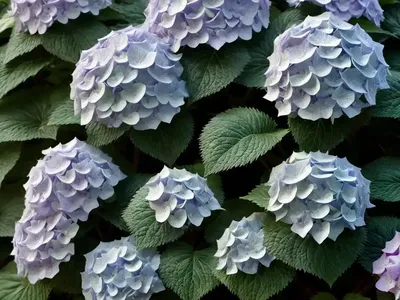
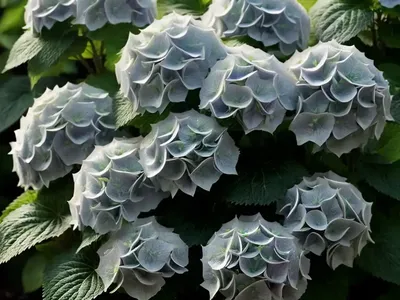
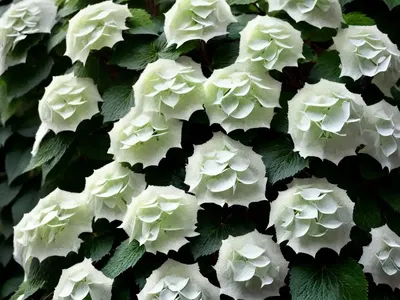
Hydrangea quercifolia ‘Little Honey’ or the Oak Leaf Hydrangea ‘Little Honey’ is a captivating and versatile shrub that is adorned with unique, oak-shaped.
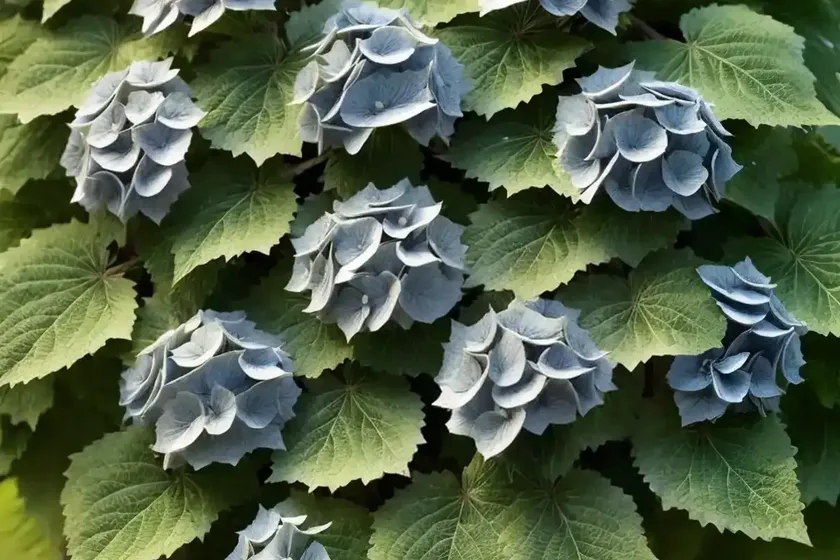
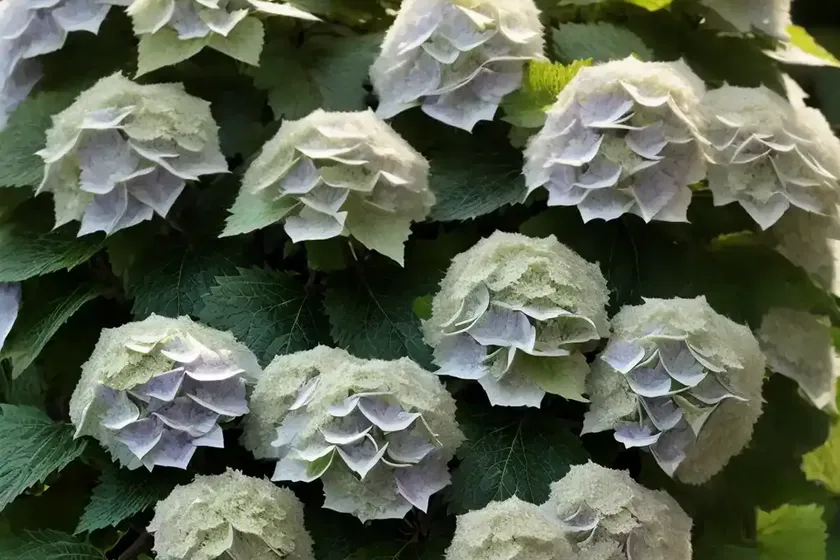
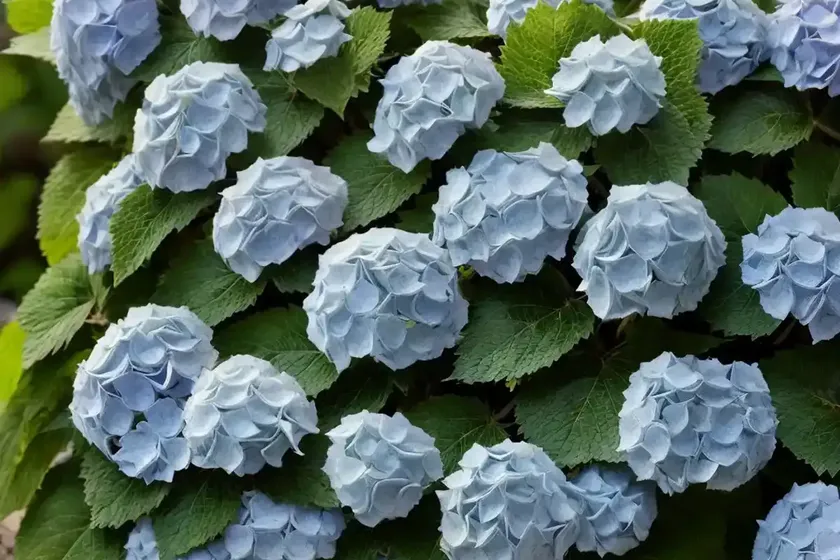
Hydrangea quercifolia ‘Little Honey’ or the Oak Leaf Hydrangea ‘Little Honey’ is a captivating and versatile shrub that is adorned with unique, oak-shaped leaves and striking blooms. This compact, deciduous shrub is a perfect addition to gardens and landscapes, creating an enchanting ambiance throughout the year. In this comprehensive guide, we will explore the culture, uses, care, diseases, and interesting facts about the Hydrangea quercifolia ‘Little Honey’.
What is Hydrangea quercifolia Little Honey (Oak Leaf Hydrangea)?
The Hydrangea quercifolia ‘Little Honey’ is a cultivar of Hydrangea quercifolia, commonly known as Oak Leaf Hydrangea, due to the resemblance of its foliage to that of oak trees. This charming shrub is native to the southeastern United States and belongs to the Hydrangeaceae family. It is celebrated for its distinctive features, including its large, oak-like leaves, cone-shaped flower clusters, and striking fall foliage.
Key Takeaways:
- Scientific Name: Hydrangea quercifolia ‘Little Honey’
- Common Name: Oak Leaf Hydrangea ‘Little Honey’
- Family: Hydrangeaceae
- Native Range: Southeastern United States
Culture of Hydrangea quercifolia Little Honey
Water
Proper watering is crucial for the health and vitality of Hydrangea quercifolia ‘Little Honey’. It is essential to maintain consistently moist soil, especially during the establishment phase and periods of drought. However, it is equally important to prevent waterlogged conditions, as excessive moisture can lead to root rot and other detrimental issues. A layer of organic mulch around the base of the shrub can help retain soil moisture and regulate its temperature.
Sunlight
When it comes to sunlight requirements, Hydrangea quercifolia ‘Little Honey’ thrives in partial shade to full sun. In warmer regions, providing some afternoon shade can protect the shrub from the intense heat of the sun, ensuring its optimal growth and development.
Fertilizer
To support healthy growth and abundant flowering, it is recommended to fertilize Hydrangea quercifolia ‘Little Honey’ in early spring with a balanced, slow-release fertilizer. This will provide the necessary nutrients for strong roots and vibrant blooms throughout the growing season.
Soil
The Oak Leaf Hydrangea ‘Little Honey’ thrives in well-draining, rich, and slightly acidic soils. It is important to ensure that the soil is fertile and provides adequate aeration for the roots. Additionally, incorporating organic matter into the soil can enhance its structure and fertility, promoting the overall health of the shrub.
Uses of Hydrangea quercifolia Little Honey
Garden Uses
With its captivating foliage and enchanting blooms, Hydrangea quercifolia ‘Little Honey’ serves as an excellent choice for various garden settings. Whether used as a focal point, a border accent, or as part of a mixed shrub border, this cultivar adds a touch of elegance and charm to any garden or landscape.
Landscape Design
The compact size and captivating features of the Oak Leaf Hydrangea ‘Little Honey’ make it a versatile and appealing option for landscape designs. Its striking foliage and unique blooms create visual interest, while its adaptability to different light conditions adds to its appeal in landscape compositions.
Container Gardening
Due to its manageable size and captivating foliage, Hydrangea quercifolia ‘Little Honey’ can be successfully grown in containers, adding a touch of natural beauty to patios, balconies, and outdoor living spaces. When grown in containers, it is important to ensure proper drainage and regular watering to maintain the shrub’s health and vigor.
Pruning of Hydrangea quercifolia Little Honey
Pruning Techniques
Proper pruning is essential to maintain the shape, size, and overall health of Hydrangea quercifolia ‘Little Honey’. Pruning is typically carried out in late winter to early spring before new growth emerges. Removal of dead or damaged branches, as well as selective thinning to improve air circulation, can contribute to the shrub’s vitality and aesthetics.
Propagation of Hydrangea quercifolia Little Honey
Propagation Methods
Hydrangea quercifolia ‘Little Honey’ can be propagated through various methods, including:
– Softwood Cuttings: Softwood cuttings taken in early summer can be rooted to produce new plants.
– Division: Mature plants can be divided in early spring to create clones of the original shrub.
Popularity of Hydrangea quercifolia Little Honey
The unique foliage, vibrant blooms, and compact size of the Oak Leaf Hydrangea ‘Little Honey’ contribute to its popularity among gardeners, landscapers, and plant enthusiasts. Its adaptability to various growing conditions, coupled with its captivating features, have made it a sought-after cultivar in gardens and landscapes.
Common Diseases of Hydrangea quercifolia Little Honey
Disease Diagnosis
While Hydrangea quercifolia ‘Little Honey’ is relatively resistant to many diseases, it may be susceptible to certain common issues such as:
– Powdery Mildew: A fungal disease that presents as a white, powdery coating on the leaves.
– Leaf Spot: Characterized by dark spots or lesions on the foliage, often caused by fungal pathogens.
– Botrytis Blight: A fungal disease that causes wilting and browning of flowers and foliage, particularly in humid conditions.
Common Pests of Hydrangea quercifolia Little Honey
Pest Management
Hydrangea quercifolia ‘Little Honey’ may encounter pests such as:
– Aphids: Small, soft-bodied insects that may infest new growth and flower buds.
– Spider Mites: Tiny arachnids that can cause stippling and discoloration of the leaves.
– Scale Insects: These pests may appear as small, waxy bumps on the stems and foliage, sapping the plant’s resources.
Regular inspection and proactive pest management can help address infestations and prevent potential damage to the shrub.
Botanist’s Tips for Hydrangea quercifolia Little Honey
Care Tips
- Consistent Moisture: Maintain adequate soil moisture, ensuring that the shrub is neither waterlogged nor allowed to dry out excessively.
- Pruning: Practice regular pruning to remove dead or damaged branches and promote healthy growth.
- Fertilization: Apply a balanced fertilizer in spring to support the shrub’s nutritional needs.
Fun Facts about Hydrangea quercifolia Little Honey
- The unique, lobed leaves of Hydrangea quercifolia ‘Little Honey’ undergo stunning color transformations in the fall, displaying hues of red, orange, and bronze, adding to its visual appeal.
- The name “quercifolia” is derived from the Latin words “quercus,” meaning oak, and “folium,” meaning leaf, emphasizing the distinctive oak-like foliage of the species.
Links to External Resources
For further information on the Hydrangea quercifolia ‘Little Honey’ and related topics, refer to the following resources:
1. The American Hydrangea Society
2. North Carolina State University Extension: Hydrangea quercifolia
3. Missouri Botanical Garden: Hydrangea quercifolia ‘Little Honey’ Profile
In conclusion, the Hydrangea quercifolia ‘Little Honey’, with its captivating foliage, striking blooms, and versatility, stands as a remarkable addition to gardens, landscapes, and outdoor spaces. By understanding its culture, uses, care requirements, and unique attributes, plant enthusiasts can appreciate and cultivate this charming shrub, adding natural beauty and allure to their surroundings.