All About Hydrangea paniculata Quick Fire Fab
Hydrangea paniculata Quick Fire Fab is a stunning variety of hydrangea known for its fast growth, showy flowers, and low maintenance requirements. This beautiful plant is a favorite among gardeners for its versatility and striking appearance. In this comprehensive guide, we will delve into the culture, uses, and care tips for Hydrangea paniculata Quick Fire Fab, along with common diseases and pests that may affect it.
Introduction to Hydrangea paniculata Quick Fire Fab
Hydrangea paniculata Quick Fire Fab, commonly referred to as “Fire Fab,” is a deciduous shrub that belongs to the Hydrangeaceae family. It is celebrated for its large, conical flower clusters that bloom from mid-summer to fall, adding a splash of vibrant color to the landscape. This variety is a favorite among gardeners and landscapers due to its hardiness, adaptability, and alluring blooms.
Key Takeaways – Hydrangea paniculata Quick Fire Fab
Before we delve into the specifics of culture, uses, and care tips for Hydrangea paniculata Quick Fire Fab, let’s take a moment to highlight some key takeaways about this remarkable plant:
- Fast-growing hydrangea paniculata
- Vivid and showy blooms from mid-summer to fall
- Low maintenance and versatile landscape plant
- Adaptable to a range of soil conditions and sunlight exposures
Culture of Hydrangea paniculata Quick Fire Fab
To ensure the optimal growth and vitality of Hydrangea paniculata Quick Fire Fab, it is essential to understand its cultural requirements. This includes considerations for water, sunlight, fertilizer, soil, pruning, and propagation.
Water
Proper watering is crucial for the health and development of Hydrangea paniculata Quick Fire Fab. Here are key points to consider regarding watering:
- Consistent Moisture: The plant thrives in consistently moist, well-drained soil. Regular watering, especially during dry periods, is essential to maintain optimal soil moisture.
- Avoid Waterlogging: While the plant requires adequate moisture, it is important to prevent waterlogging, which can lead to root rot and other health issues.
Sunlight
Hydrangea paniculata Quick Fire Fab displays remarkable adaptability to varying sunlight conditions. Consider the following aspects when determining its sunlight requirements:
- Full Sun to Partial Shade: The plant performs well in a range of sunlight exposures, from full sun to partial shade. It is important to ensure some protection from intense afternoon sun, particularly in warmer climates.
- Shade Tolerance: While it thrives in partial shade, it is essential to provide sufficient sunlight to promote robust growth and prolific blooming.
Fertilizer
Proper fertilization plays a significant role in nurturing healthy growth and abundant blooms in Hydrangea paniculata Quick Fire Fab. Consider the following guidelines for fertilizing this spectacular plant:
- Balanced Fertilizer: A balanced, slow-release fertilizer formulated for flowering shrubs can be applied in spring to support vigorous growth and prolific blooming.
- Avoid Excessive Nitrogen: While fertilization is important, excessive nitrogen can promote excessive foliage growth at the expense of flower production. Ensure a balanced approach to fertilizer application.
Soil
The soil composition significantly impacts the overall health and vitality of Hydrangea paniculata Quick Fire Fab. Here are some important considerations related to soil:
- Well-Drained, Loamy Soil: The plant thrives in well-drained, loamy soil with a slightly acidic to neutral pH. Adequate soil drainage is essential to prevent waterlogging and root-related issues.
- Soil Amendments: Organic matter, such as compost or well-rotted manure, can be incorporated into the soil to enhance its structure and fertility. This can improve moisture retention and nutrient availability for the plant.
Pruning
Pruning is an important aspect of maintaining the shape, size, and overall health of Hydrangea paniculata Quick Fire Fab. Consider these essential pruning tips:
- Late Winter or Early Spring Pruning: Pruning in late winter or early spring, before new growth emerges, is ideal for shaping the plant and promoting a compact, tidy appearance.
- Removal of Spent Blooms: Regular deadheading of spent blooms can encourage continuous flowering and enhance the overall aesthetic appeal of the plant.
Propagation
Hydrangea paniculata Quick Fire Fab can be propagated through various methods to expand your plant collection or share its beauty with others. Here are some propagation techniques to consider:
- Softwood Cuttings: Softwood cuttings taken in early summer can be used to propagate new plants. Rooting hormone and consistent moisture are essential for successful propagation.
- Division: Established plants can be divided in early spring to create new specimens. This process can also help rejuvenate older, overgrown plants.
Uses of Hydrangea paniculata Quick Fire Fab
The versatility and beauty of Hydrangea paniculata Quick Fire Fab make it an ideal choice for various landscape and gardening applications. Here are some key uses of this remarkable plant:
- Ornamental Beauty: The large, showy flower clusters of Quick Fire Fab add a spectacular touch to garden beds, borders, and mixed plantings.
- Hedging and Screening: The vigorous growth and lush foliage make Quick Fire Fab a great candidate for creating decorative hedges and privacy screens.
- Container Gardening: The compact size and low maintenance requirements of this variety make it well-suited for container gardening on patios, balconies, and outdoor living spaces.
- Cut Flowers: The striking blooms of Quick Fire Fab can be used in cut flower arrangements, adding a touch of elegance to indoor spaces.
Common Diseases and Pests
While Hydrangea paniculata Quick Fire Fab is generally resilient, it is important to be aware of potential diseases and pest issues that may affect it. Understanding common diseases, their diagnosis, and control measures is essential for maintaining the plant’s health and vigor.
Common Diseases
Hydrangea paniculata Quick Fire Fab may be susceptible to certain diseases, including:
- Powdery Mildew: This fungal disease can manifest as a powdery white coating on the leaves and flowers. Proper air circulation and fungicidal treatments can help manage powdery mildew.
- Leaf Spot: Leaf spot diseases may cause blemishes and discoloration on the foliage. Removing affected leaves and promoting good sanitation can help prevent the spread of leaf spot.
- Root Rots: Overly wet and poorly drained soil can lead to root rot, impacting the plant’s overall health and vigor. Improving soil drainage and avoiding waterlogging can help prevent this issue.
Disease Diagnosis
Diagnosing diseases in Hydrangea paniculata Quick Fire Fab involves careful observation of symptoms and understanding common disease patterns. Here are some key diagnostic considerations:
- Symptom Identification: Pay attention to any changes in leaf color, texture, or overall plant appearance. Look for unusual spots, coatings, or wilting.
- Environmental Factors: Consider environmental factors, such as humidity levels, soil moisture, and airflow, that may contribute to disease development.
- Consulting Experts: If uncertain about a specific disease or its management, seek advice from local gardening experts or plant pathologists.
Common Pests
While relatively resistant to many pests, Hydrangea paniculata Quick Fire Fab may occasionally encounter pest issues, including:
- Aphids: These small, soft-bodied insects can cluster on new growth and tender plant parts, causing damage and potential distortion of leaves and shoots. Insecticidal soaps or horticultural oils can help control aphids.
- Spider Mites: These tiny arachnids may cause stippling and discoloration on the foliage, particularly in dry conditions. Regular misting and insecticidal treatments can help manage spider mite infestations.
- Scale Insects: Scale insects can infest the stems and leaves of Hydrangea paniculata Quick Fire Fab, leading to weakened growth and sap depletion. Horticultural oils or insecticidal treatments can aid in scale control.
Botanist’s Tips for Hydrangea paniculata Quick Fire Fab
To further enhance the growth, blooming, and overall performance of Hydrangea paniculata Quick Fire Fab, consider these valuable tips from botanists and experienced gardeners:
- Mulching: Applying a layer of organic mulch around the base of the plant can help conserve soil moisture, regulate temperature, and suppress weed growth.
- Regular Monitoring: Routinely inspect the plant for signs of pests, diseases, or irregular growth patterns to address any issues promptly.
- Companion Planting: Pairing Hydrangea paniculata Quick Fire Fab with compatible companion plants can create visually appealing and harmonious garden compositions.
Fun Facts about Hydrangea paniculata Quick Fire Fab
Discover some intriguing and delightful facts about Hydrangea paniculata Quick Fire Fab that showcase its unique characteristics and charm:
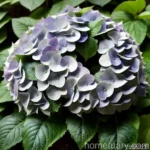
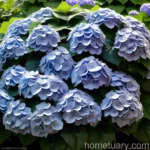
- Color Changing Blooms: The blooms of Quick Fire Fab undergo a captivating color transformation, starting as creamy white before transitioning to vibrant pink and eventually taking on rich shades of red in the fall.
- Wildlife Attraction: The showy blooms of Quick Fire Fab attract pollinators such as butterflies and bees, contributing to a vibrant and dynamic garden ecosystem.
- Seasonal Interest: Beyond its stunning summer blooms, Quick Fire Fab offers additional visual interest with its fall foliage, which can develop hues of deep red and burgundy.
Links to External Resources
For further information on Hydrangea paniculata Quick Fire Fab and related topics, consider exploring the following external resources:
- The American Hydrangea Society
- Missouri Botanical Garden: Hydrangea paniculata
- RHS Gardening: Hydrangeas
In conclusion, Hydrangea paniculata Quick Fire Fab is a remarkable and captivating plant that enriches gardens and landscapes with its vibrant blooms, versatile nature, and ease of care. By understanding its cultural requirements, common diseases and pests, and leveraging expert tips, you can cultivate and enjoy the beauty of Quick Fire Fab in your outdoor spaces. Whether as a striking focal point or an integral part of a diverse garden setting, this delightful variety of hydrangea is sure to captivate the senses and elevate the aesthetic appeal of any environment.