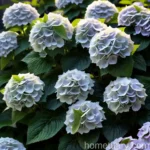
Hydrangea Paniculata Quick Fire: A Complete Guide
Hydrangea paniculata, commonly known as Quick Fire, is a stunning and versatile flowering shrub that has gained popularity among gardeners and landscape enthusiasts. This plant not only offers beautiful blooms but also requires minimal maintenance, making it an excellent choice for both beginners and experienced gardeners.
In this comprehensive guide, we will delve into the various aspects of growing and caring for Hydrangea paniculata Quick Fire. From its cultural requirements to common diseases and pests, as well as propagation and container gardening, this guide will provide you with all the essential information to ensure the successful cultivation of this remarkable plant.
What is Hydrangea Paniculata Quick Fire?
Hydrangea paniculata, a member of the Hydrangeaceae family, is a deciduous shrub native to China and Japan. The Quick Fire cultivar is renowned for its early blooming nature, with its flower clusters appearing in late spring to early summer. The striking blooms emerge as creamy white and gradually transition to shades of pink and red as the season progresses, adding a vibrant touch to any landscape.
As a fast-growing shrub, Hydrangea paniculata Quick Fire can reach a height of 6 to 8 feet, with a spread of 5 to 7 feet, making it an ideal candidate for hedges, borders, or standalone ornamental plantings. Its tolerance for various growing conditions, stunning floral display, and low-maintenance nature have contributed to its widespread popularity in gardens and landscapes.
Key Takeaways
Before we delve deeper into the specifics of growing and caring for Hydrangea paniculata Quick Fire, let’s summarize some key takeaways about this captivating shrub:
- Characteristics: Early blooming, fast-growing deciduous shrub with cone-shaped flower clusters that transition from white to pink and red.
- Cultural Uses: Suitable for hedges, borders, and standalone ornamental plantings in gardens and landscapes.
- Water: Moderate watering, especially during periods of drought, to maintain healthy growth and blooming.
- Sunlight: Thrives in full sun to partial shade, with a preference for at least 6 hours of sunlight per day.
- Fertilizer: Balanced fertilizer application in spring to support vigorous growth and abundant blooms.
- Soil: Well-draining, fertile soil with a slightly acidic to neutral pH.
- Pruning: Pruning in late winter to early spring to promote strong, healthy growth and maintain desired shape.
- Propagation: Propagation through softwood cuttings or division of established plants in early summer.
- Container Popularity: Well-suited for container gardening, providing an excellent option for smaller spaces and patio gardens.
- Common Diseases: Susceptible to few diseases, with proper care and maintenance serving as effective prevention measures.
- Common Pests: Occasionally affected by pests such as aphids and spider mites, which can be managed through environmentally friendly control methods.
Now, let’s delve into each of these aspects in detail to gain a comprehensive understanding of how to cultivate and care for Hydrangea paniculata Quick Fire.
Culture
The cultural requirements of Hydrangea paniculata Quick Fire set the foundation for its successful growth and stunning floral display. By ensuring that the plant receives adequate water, sunlight, and nutrients, you can encourage vigorous growth and vibrant blooms.
Water
Hydrangea paniculata Quick Fire thrives in moist but well-drained soil. While it is important to maintain consistent moisture, especially during its active growth and blooming periods, over-watering should be avoided to prevent waterlogged conditions that can lead to root rot.
Watering Tips:
– Ensure the soil is evenly moist, not waterlogged or completely dry.
– Water deeply to encourage healthy root development.
– Adjust watering frequency based on weather conditions, with increased watering during hot and dry periods.
Sunlight
Providing the appropriate amount of sunlight is crucial for the overall health and blooming performance of Hydrangea paniculata Quick Fire. While it can tolerate partial shade, ample sunlight fosters robust growth and abundant flowering.
Sunlight Guidelines:
– Place the plant in a location that receives at least 6 hours of sunlight per day.
– Morning sunlight and partial afternoon shade are ideal for maintaining the plant’s vitality and flower color.
– In hotter climates, providing some afternoon shade can prevent excessive stress on the plant.
Fertilizer
Applying a balanced fertilizer in spring can provide the necessary nutrients for healthy growth and prolific blooming. A slow-release or granular fertilizer specifically formulated for flowering shrubs can support the plant’s nutritional needs throughout the growing season.
Fertilization Techniques:
– Apply fertilizer in early spring before the onset of new growth.
– Follow the manufacturer’s instructions regarding the application rate and method.
– Avoid excessive fertilization, as it can lead to excessive foliage growth at the expense of flowering.
Soil
The soil composition plays a significant role in the overall health and vitality of Hydrangea paniculata Quick Fire. Well-draining, fertile soil with a slightly acidic to neutral pH creates an optimal growing environment for this shrub.
Soil Requirements:
– Use a well-draining potting mix for container planting to prevent waterlogged conditions.
– Incorporate organic matter such as compost or well-aged manure into the soil to enhance its fertility.
– Regularly monitor soil pH and make adjustments as needed to maintain an ideal growing environment.
Pruning
Pruning is an essential aspect of maintaining the health, shape, and blooming performance of Hydrangea paniculata Quick Fire. By employing proper pruning techniques, you can encourage strong, vigorous growth and ensure the plant’s visual appeal in the landscape.
Pruning Guide:
– Perform pruning in late winter to early spring before new growth emerges.
– Remove dead or damaged branches to promote healthy growth.
– Shorten overly long branches to encourage a more compact and bushy form.
– Deadhead spent blooms to encourage continuous flowering throughout the season.
Propagation
The propagation of Hydrangea paniculata Quick Fire can be achieved through several methods, including softwood cuttings and division of established plants. By employing suitable propagation techniques, you can expand your plant collection and share the beauty of this remarkable shrub with others.
Propagation Techniques:
– Take softwood cuttings in early summer, selecting healthy, non-flowering shoots for propagation.
– Prepare a propagation medium of perlite and peat moss to provide an optimal rooting environment.
– Maintain consistent moisture and warmth to facilitate the development of roots in the cuttings.
– Divide established plants in early spring to create new, genetically identical specimens.
Container Planting
Hydrangea paniculata Quick Fire is well-suited for container gardening, offering an excellent option for individuals with limited garden space or those looking to enhance their patio or balcony with vibrant blooms. When cultivating this shrub in containers, certain considerations should be taken into account to ensure its successful growth and blooming.
Container Guidelines:
– Select a spacious container with adequate drainage holes to prevent waterlogging.
– Use a high-quality potting mix that provides both moisture retention and proper aeration for the roots.
– Position the container in a location that receives sufficient sunlight while providing protection from extreme heat or wind.
– Monitor soil moisture regularly and water the container plant as needed to maintain even moisture levels.
Common Diseases
While Hydrangea paniculata Quick Fire is generally resilient to diseases, certain issues may arise, particularly in conditions that are conducive to pathogen development. By familiarizing yourself with common diseases and their prevention methods, you can safeguard the health and vitality of your plants.
Disease Prevention:
– Monitor the plant for signs of powdery mildew, leaf spots, or other fungal infections.
– Provide adequate air circulation and avoid overhead watering to minimize humidity around the plant.
– Remove and dispose of any diseased plant material to prevent the spread of pathogens.
Common Pests
Pest infestations can occasionally affect Hydrangea paniculata Quick Fire, with aphids and spider mites being among the potential nuisances. Employing environmentally friendly pest control measures can effectively manage these issues and protect the plant from pest-related damage.
Pest Management Methods:
– Use a strong blast of water to dislodge aphids from the plant.
– Apply insecticidal soap or horticultural oil to control spider mite infestations.
– Introduce natural predators such as ladybugs to help manage pest populations.
Botanist’s Tips
To further enhance the growth and blooming performance of Hydrangea paniculata Quick Fire, consider implementing the following botanist’s tips:
- Regularly monitor soil moisture to ensure consistent and adequate hydration for the plant.
- Conduct periodic soil tests to assess the pH and nutritional content of the soil, making necessary adjustments based on the results.
- Incorporate a layer of mulch around the base of the plant to help retain soil moisture and suppress weed growth.
- Monitor the plant for any signs of stress, pest infestations, or disease development, and take prompt corrective measures.
Fun Facts
Before we conclude our comprehensive guide, let’s explore some intriguing fun facts about Hydrangea paniculata Quick Fire:
- The flower color transition of Quick Fire from white to pink and red is influenced by environmental factors such as temperature and sunlight exposure.
- Due to its early blooming nature, Quick Fire is often favored as a captivating addition to spring and early summer landscapes.
- Hydrangea paniculata Quick Fire can attract pollinators such as butterflies and bees, contributing to the overall biodiversity of the garden.
Links to External Resources
For additional information on Hydrangea paniculata Quick Fire and related topics, consider exploring the following external resources:
- Quick Fire Hydrangea – Proven Winners
- Hydrangea paniculata – Missouri Botanical Garden
- Growing Hydrangeas – The Spruce
We hope that this comprehensive guide has provided you with valuable insights into the cultivation and care of Hydrangea paniculata Quick Fire. By incorporating the recommended practices and guidelines, you can enjoy the abundant blooms and year-round beauty offered by this extraordinary flowering shrub.
The comprehensive guide covers the various aspects of growing and caring for Hydrangea paniculata Quick Fire, including its cultural requirements, propagation, pest and disease management, container planting, and fun facts. The information presented aims to equip readers with the knowledge and tools necessary to cultivate and maintain healthy, vibrant specimens of this popular flowering shrub.