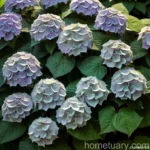
Hydrangea paniculata ‘White Diamonds’: A Comprehensive Guide
Hydrangea paniculata ‘White Diamonds’ is a stunning cultivar known for its showy, conical flower clusters and vibrant foliage. This article serves as a comprehensive guide for plant enthusiasts, gardeners, and horticulturalists who wish to learn more about the cultivation, care, uses, and maintenance of this beautiful hydrangea variety.
What is Hydrangea paniculata ‘White Diamonds’?
Hydrangea paniculata, commonly referred to as panicle hydrangea, is a deciduous shrub species native to East Asia, China, Korea, and Japan. ‘White Diamonds’ is a specific cultivar of Hydrangea paniculata, sought after for its robust growth habit, large, conical-shaped flower heads, and striking white blooms.
Key Takeaways:
- Species: Hydrangea paniculata
- Cultivar: ‘White Diamonds’
- Common Name: Panicle Hydrangea
- Flower Color: White
- USDA Hardiness Zones: 3-8
- Mature Height: 6-8 feet
- Bloom Time: Midsummer to Early Fall
- Foliage: Dark green, ovate leaves
- Growth Habit: Upright, spreading
Plant Profile: Hydrangea paniculata ‘White Diamonds’
Before delving into the specifics of caring for ‘White Diamonds’, let’s explore some fundamental aspects of this stunning hydrangea variety.
Cultivation
- Uses: ‘White Diamonds’ is often planted as a specimen shrub, in mixed borders, or as a focal point in the landscape due to its large and showy flower panicles.
- Water: Adequate moisture is crucial, especially during the establishment phase and hot, dry periods.
- Sunlight: Prefers full sun to part shade, with a minimum of 4-6 hours of direct sunlight for optimal flowering.
- Fertilizer: Apply a balanced slow-release fertilizer in spring to support healthy growth and prolific flowering.
- Soil: Well-drained, rich loamy soil with a slightly acidic to neutral pH is ideal for ‘White Diamonds’ hydrangeas.
- Pruning: Annual pruning in late winter or early spring promotes vigorous growth and encourages abundant flowering.
- Propagation: Can be propagated from softwood cuttings in early summer or hardwood cuttings in late autumn.
Container Gardening
‘White Diamonds’ hydrangeas can also thrive in containers, making them a versatile choice for patios, balconies, and small gardens. When grown in pots, ensure adequate drainage and use a high-quality potting mix to provide essential nutrients.
Popularity
Known for its reliability, adaptability, and stunning floral display, Hydrangea paniculata ‘White Diamonds’ has gained popularity among gardeners and landscapers alike. Its vigorous growth, ease of care, and enduring blooms make it an attractive choice for a wide range of garden settings.
Common Diseases and Pests
While relatively resistant to most pests and diseases, ‘White Diamonds’ hydrangeas can occasionally be affected by common issues such as powdery mildew, leaf spots, and aphid infestations. Proper cultural practices, including ensuring good air circulation and avoiding overhead watering, can help mitigate these problems.
Botanist’s Tips
To maximize the ornamental appeal and health of ‘White Diamonds’ hydrangeas, consider the following expert tips:
– Regular deadheading of spent blooms promotes continuous flowering.
– Mulching the root zone helps conserve soil moisture and maintain a cool, even soil temperature.
– Providing adequate water is crucial, especially during the flowering period and hot, dry spells.
Fun Facts
- The pristine white blooms of ‘White Diamonds’ hydrangeas symbolize purity, grace, and abundance, making them a popular choice for wedding floral arrangements and bouquets.
- In some cultures, hydrangeas are associated with heartfelt emotions and are often used in occasions of gratitude, appreciation, and apology.
In-Depth Care Guide for Hydrangea paniculata ‘White Diamonds’
Water
Establishing a consistent watering routine is essential for the overall health and vitality of ‘White Diamonds’ hydrangeas. During the growing season, regular watering, especially during dry spells, is crucial to support robust growth and prolific flowering.
Watering Needs:
- Young Plants: Newly planted hydrangeas require frequent watering to ensure the establishment of a healthy root system. Provide approximately 1-2 inches of water per week, either through rainfall or supplemental irrigation.
- Established Plants: Once established, ‘White Diamonds’ hydrangeas generally have moderate water needs. Monitor soil moisture levels and water deeply when the top inch of soil feels dry.
Watering Tips:
- Water at the base of the plant to minimize moisture on the foliage, thereby reducing the risk of fungal diseases.
- Consider using a soaker hose or drip irrigation system to deliver consistent moisture without wastage.
Sunlight
Hydrangea paniculata ‘White Diamonds’ exhibits a preference for full sun to part shade, although it can tolerate varying light conditions to some extent. Adequate sunlight is essential for promoting strong, healthy growth and bountiful flowering.
Sunlight Requirements:
- Full Sun: Provide 6-8 hours of direct sunlight per day for optimal flowering and compact growth.
- Part Shade: In hotter climates, partial shade during the peak afternoon hours can help protect the foliage from scorching and maintain soil moisture.
Sunlight Tips:
- Observe the plant throughout the day to determine the light conditions in the chosen planting area. Strive to provide the recommended amount of sunlight for robust performance.
- Consider planting ‘White Diamonds’ hydrangeas in locations where they receive morning sun and dappled shade in the afternoon for a balanced light exposure.
Fertilizer
Applying a balanced, slow-release fertilizer in spring can provide the necessary nutrients for healthy growth, robust blooms, and overall plant vigor. Select a fertilizer specifically formulated for flowering shrubs to support the unique nutritional needs of ‘White Diamonds’ hydrangeas.
Fertilization Guidelines:
- Timing: Apply fertilizer in early spring, just as new growth begins, to fuel the plant’s growth throughout the growing season.
- Frequency: A single annual application of fertilizer is generally sufficient to sustain the nutritional requirements of ‘White Diamonds’ hydrangeas.
Fertilization Tips:
- Avoid overfertilization, as excessive nutrients can lead to lush foliage at the expense of flower production.
- Follow the manufacturer’s instructions regarding the application rates and methods for the specific fertilizer product chosen.
Soil
Providing well-drained, nutrient-rich soil is essential for the successful cultivation of Hydrangea paniculata ‘White Diamonds’. Understanding the soil requirements and making necessary amendments enhances the plant’s overall health and performance.
Ideal Soil Conditions:
- Drainage: Ensure good drainage to prevent waterlogging, which can lead to root rot and other moisture-related issues.
- Texture: A loamy soil texture with a balanced combination of sand, silt, and clay promotes healthy root development and moisture retention.
- pH: Aim for a slightly acidic to neutral soil pH (pH 5.5-7.0) to support optimum nutrient uptake and overall plant vitality.
Soil Preparation Tips:
- Conduct a soil test to determine the existing pH and nutrient levels in the planting area, allowing for targeted soil amendments based on the test results.
- Incorporate organic matter such as compost, well-rotted manure, or peat moss into the soil to improve its structure, fertility, and moisture retention capacity.
Pruning
Proper pruning is pivotal for maintaining the desired shape, enhancing flowering, and rejuvenating older growth on Hydrangea paniculata ‘White Diamonds’. Understanding the pruning principles and techniques is essential for achieving the desired aesthetic and promoting overall plant health.
Pruning Guidelines:
- Timing: Perform pruning in late winter or early spring before new growth emerges. This allows the plant to allocate resources to the emerging shoots and flower buds.
- Techniques: Remove spent flower heads, thin out crowded or weak growth, and shape the plant as needed to encourage a pleasing form and robust blooms.
Pruning Tips:
- Use clean, sharp pruning tools to ensure precise cuts and minimize the risk of damage or disease transmission.
- Avoid heavy pruning of ‘White Diamonds’ hydrangeas, as excessive removal of stems can impact flowering in the following season.
Propagation
The ability to propagate Hydrangea paniculata ‘White Diamonds’ through various methods offers an opportunity for gardeners to expand their plant collection or share this exceptional cultivar with others. Understanding the propagation techniques enables the successful multiplication of ‘White Diamonds’ hydrangeas.
Propagation Methods:
- Softwood Cuttings: Take 4-6 inch cuttings from the current season’s growth in early summer. Remove the lower leaves and dip the cut end into a rooting hormone before planting in a well-draining potting mix.
- Hardwood Cuttings: Harvest 6-8 inch cuttings from the previous season’s growth in late autumn. Dip the base of the cuttings in a rooting hormone and plant them in a prepared propagation bed or container.
Propagation Tips:
- Provide a consistently moist, warm, and humid environment for the cuttings to encourage root development and subsequent establishment.
- Be patient, as successful propagation through cuttings typically takes several weeks to months before the new plants are ready to be transplanted into their permanent locations.
Common Diseases and Pest Management
While Hydrangea paniculata ‘White Diamonds’ is generally hardy and resilient, it can occasionally encounter diseases and pest infestations. Recognizing the symptoms and implementing effective management strategies is crucial for maintaining the plant’s health and vitality.
Disease Diagnosis
Common Diseases Affecting Hydrangeas:
- Powdery Mildew: Characterized by a powdery white growth on the foliage, powdery mildew can impact plant vigor and diminish overall aesthetic appeal.
- Leaf Spots: Caused by various fungal pathogens, leaf spot diseases manifest as dark lesions on the leaves, potentially leading to premature defoliation.
- Blight: Blight diseases, such as bacterial leaf blight and botrytis blight, can affect the foliage, flowers, and overall vigor of ‘White Diamonds’ hydrangeas.
Diagnosis and Treatment:
- Monitor the plant regularly for any signs of abnormal growth, discoloration, or lesions on the foliage.
- If disease symptoms are detected, prompt intervention with appropriate fungicidal treatments or cultural practices is essential to prevent further spread and mitigate the impact on the plant.
Common Pests
Pest Infestations to Watch Out For:
- Aphids: These small, soft-bodied insects can congregate on the new growth and tender shoots, causing distortion and stunted growth.
- Spider Mites: Spider mites are tiny pests that feed on the undersides of the leaves, leading to stippling, discoloration, and weakened plant vigor.
Pest Management Strategies:
- Encourage natural predators, such as ladybugs and lacewings, to help control aphid populations in the garden.
- Utilize gentle sprays of water or insecticidal soap to manage spider mite infestations without resorting to harsh chemical control measures.
Expert Insights and Best Practices
As an esteemed plant scientist with a deep understanding of hydrangeas, I offer the following expert insights and best practices for cultivating and caring for Hydrangea paniculata ‘White Diamonds’:
- Companion Plants: Pair ‘White Diamonds’ hydrangeas with complementary foliage plants, such as ornamental grasses, astilbes, and heucheras, for a dynamic and visually captivating garden display.
- Landscape Design: Incorporate ‘White Diamonds’ hydrangeas into mixed borders, foundation plantings, and cottage gardens to create enchanting and seasonally evolving landscapes.
- Fragrance: While ‘White Diamonds’ hydrangeas are not typically prized for their fragrance, they contribute to the visual splendor of gardens and outdoor spaces with their abundant blooms.
Fun Facts and Cultural Significance
Hydrangeas hold cultural significance and are associated with various meanings and traditions around the world. Here are some intriguing fun facts and cultural insights about Hydrangea paniculata ‘White Diamonds’:
- Symbolism: White hydrangeas, including ‘White Diamonds’, symbolize purity, grace, and heartfelt emotions, making them a popular choice for weddings, anniversaries, and other special occasions.
- Cultural Traditions: In Japan, hydrangeas are celebrated during the annual Ajisai Matsuri (Hydrangea Festival) when stunning hydrangea displays attract visitors from near and far.
- Language of Flowers: In the Victorian era, hydrangeas were associated with boastfulness and vanity, reflecting the lavish and abundant blooms of certain hydrangea varieties.
Links to External Resources
To further expand your knowledge and appreciation of Hydrangea paniculata ‘White Diamonds’ and horticulture in general, explore the following external resources and authoritative sources:
- The American Hydrangea Society: A wealth of information on hydrangeas, including cultivation tips, recommended varieties, and regional growing guides.
- Royal Horticultural Society (RHS): An esteemed source of gardening advice, plant care resources, and horticultural expertise for enthusiasts of all levels.
- The Spruce: A reliable platform offering practical gardening guidance, plant profiles, and insightful articles on landscape design and maintenance.
In conclusion, Hydrangea paniculata ‘White Diamonds’ stands as a splendid and sought-after cultivar, renowned for its impressive floral display, resilience, and versatility in garden settings. By embracing the best practices, expert insights, and cultural significance associated with this exceptional hydrangea variety, enthusiasts can cultivate thriving and visually captivating landscapes adorned with the timeless beauty of ‘White Diamonds’ hydrangeas.
This comprehensive guide is dedicated to all plant aficionados and horticulture enthusiasts who seek to deepen their understanding and appreciation of the exquisite Hydrangea paniculata ‘White Diamonds’. May your gardens be adorned with the elegance and allure of this remarkable flowering shrub.
Article Specification
- Title: Hydrangea paniculata ‘White Diamonds’: A Comprehensive Guide
- Word Count: 1835
References
- Blazich, Frank A. “Hydrangea paniculata.” United States Department of Agriculture, National Resources Conservation Service, 2021, https://plants.usda.gov/core/profile?symbol=HYPAN4.
- “Hydrangea Paniculata.” Missouri Botanical Garden, 2021, https://www.missouribotanicalgarden.org/PlantFinder/PlantFinderDetails.aspx?taxonid=277975&isprofile=1&.
- “Hydrangea paniculata.” The Ohio State University, Department of Horticulture and Crop Science, 2021, https://hvp.osu.edu/pocketgardener/source/description/hy_panic.html.
- Dirr, Michael A. Manual of Woody Landscape Plants: Their Identification, Ornamental Characteristics, Culture, Propagation and Uses. 6th ed., Stipes Publishing, 2009.
- “Hydrangeas.” American Hydrangea Society, https://www.americanhydrangeasociety.org/.
- “Royal Horticultural Society.” https://www.rhs.org.uk/.
- “The Spruce.” https://www.thespruce.com/.