The Allure of Hydrangea paniculata ‘Phantom’: A Comprehensive Guide to Care and Cultivation

Image source: Garden Design
Introduction
Is there any other plant that embodies the romantic charm of an English garden like the Hydrangea paniculata ‘Phantom’? With its large, conical flower heads, its stunning color variations, and its graceful, arching branches, this hydrangea variety captivates urban and suburban gardeners alike. If you’re looking to add a touch of elegance to your garden, or perhaps just a splash of color, then the Hydrangea paniculata ‘Phantom’ is an excellent choice. In this comprehensive guide, we’ll delve into everything you need to know about this enchanting plant – from its cultural requirements to its propagation methods and companion plants.
What is Hydrangea paniculata ‘Phantom’?
Hydrangea paniculata ‘Phantom’ is a deciduous shrub, valued for its beautiful, large panicle-shaped flower heads and striking foliage. This cultivar is a member of the Hydrangeaceae family and is native to China and Japan. It is known for its vigorous growth habit, ease of care, and stunning display of flowers.
Key Takeaways
- Hydrangea paniculata ‘Phantom’ care: Understanding the specific care requirements for this cultivar is essential for maintaining its health and promoting optimal growth.
- Phantom hydrangea pruning: Pruning is crucial for shaping the plant, promoting flowering, and removing any damaged or diseased wood.
- Hydrangea paniculata ‘Phantom’ varieties: There are different cultivars within the Hydrangea paniculata species, each with its own unique characteristics and appearances.
- Phantom hydrangea planting tips: Proper planting techniques and considerations are important for ensuring the plant’s successful establishment.
- Growing Hydrangea paniculata ‘Phantom’: Understanding the growth habits and requirements is essential for providing the best possible conditions for the plant.
Culture
Uses
Hydrangea paniculata ‘Phantom’ serves multiple purposes in gardens and landscapes. Its primary uses include:
- Ornamental Beauty: The showy, conical flower heads make Hydrangea paniculata ‘Phantom’ a noteworthy feature in any garden or landscape.
- Cut Flowers: The large, eye-catching flower heads make excellent additions to floral arrangements, adding depth and texture.
- Privacy Screen: When planted in groups or rows, these hydrangeas can provide a beautiful and effective barrier, offering privacy and visual interest.
Water
Proper watering is crucial for the health and vitality of Hydrangea paniculata ‘Phantom’. While the plant requires consistent moisture, it is essential to avoid waterlogged conditions, as this can lead to root rot and other issues.
- Regular Watering: During the growing season, ensure that the plant receives sufficient water, particularly during dry spells. Adequate moisture promotes healthy growth and abundant flowering.
- Well-Draining Soil: Plant Hydrangea paniculata ‘Phantom’ in well-draining soil to prevent water accumulation around the roots. Mulching can also help retain moisture while allowing excess water to drain away.
Sunlight
Hydrangea paniculata ‘Phantom’, like many hydrangeas, thrives in partial shade to full sun. Understanding the sunlight preferences of the plant is essential for its successful cultivation.
- Partial Shade: In hot climates, providing some shade during the afternoon can help protect the plant from excessive heat and sun exposure.
- Full Sun: In cooler regions, Hydrangea paniculata ‘Phantom’ can benefit from full sun, which promotes robust growth and abundant flowering.
Fertilizer
Proper nutrition is essential for the overall health and vigor of Hydrangea paniculata ‘Phantom’. Applying the right type and amount of fertilizer at the appropriate times can ensure optimal growth and flowering.
- Balanced Fertilizer: Use a balanced, slow-release fertilizer to provide the necessary nutrients for healthy growth and prolific flowering.
- Application Timing: Apply fertilizer in early spring before new growth appears, and again in mid-summer to support ongoing growth and flower development.
Soil
The soil in which Hydrangea paniculata ‘Phantom’ is planted plays a crucial role in its overall health and performance. Understanding the soil requirements and making appropriate amendments can contribute to the plant’s success.
- Moist, Well-Draining Soil: Hydrangea paniculata ‘Phantom’ prefers moist, well-draining soil to support healthy root development and prevent waterlogging.
- Soil Amendments: Incorporate organic matter such as compost or well-rotted manure into the soil at the time of planting to improve its structure and fertility.
Pruning
Pruning is an essential aspect of Hydrangea paniculata ‘Phantom’ care, contributing to the plant’s overall health, appearance, and flowering performance.
- Timing: Prune in late winter to early spring before new growth emerges. This timing allows for the removal of dead wood and the shaping of the plant before the start of the growing season.
- Pruning Techniques: Remove any dead, damaged, or diseased wood, and consider selectively removing older stems to encourage new growth and abundant flowering.
- Maintenance Pruning: As the plant matures, conduct regular maintenance pruning to control its size and shape, ensuring an attractive and well-balanced appearance.
Propagation
Hydrangea paniculata ‘Phantom’ can be propagated through several methods, allowing gardeners to expand their plant collection or share this beautiful cultivar with others.
- Softwood Cuttings: Propagate Hydrangea paniculata ‘Phantom’ by taking softwood cuttings in early summer, ensuring that they have access to ample moisture and gentle, indirect light for rooting.
- Division: Divide mature plants in early spring or late autumn, carefully separating the root ball into smaller sections and replanting them in suitable locations.
Container Popularity
Hydrangea paniculata ‘Phantom’ is also well-suited for container cultivation, allowing urban and suburban gardeners to enjoy its beauty on patios, balconies, and in small outdoor spaces.
- Container Selection: Choose a large, sturdy container with drainage holes to provide ample space for root growth and prevent overwatering.
- Potting Mix: Use a high-quality, well-draining potting mix to promote healthy root development and overall plant growth.
- Watering and Fertilizing: Container-grown hydrangeas may require more frequent watering and regular fertilization compared to those planted in the ground.
Common Diseases
While generally robust, Hydrangea paniculata ‘Phantom’ is susceptible to certain diseases that can impact its health and appearance if not addressed promptly.
Disease Diagnosis
- Powdery Mildew: Look for white, powdery patches on the leaves and stems, which can hinder photosynthesis and weaken the plant.
- Leaf Spot: Circular, spotted patterns on the leaves indicate the presence of leaf spot, a fungal disease that can lead to leaf discoloration and defoliation if left untreated.
Common Pests
Hydrangea paniculata ‘Phantom’ may also attract certain pests that can pose a threat to its overall health and vitality if not managed effectively.
- Aphids: These small, soft-bodied insects can cluster on the undersides of leaves, sucking plant sap and causing leaf distortion and yellowing.
- Spider Mites: Look for fine webbing and stippled, discolored foliage, which are indicative of spider mite infestations.
Botanist’s Tips
Here are some tips from botanists and experienced gardeners on caring for Hydrangea paniculata ‘Phantom’:
- Soil pH Testing: Regularly test the soil pH and make adjustments as necessary to ensure that it falls within the ideal range for hydrangeas, typically slightly acidic to neutral.
- Mulching: Apply a layer of organic mulch around the base of the plant to retain moisture, suppress weed growth, and maintain a consistent soil temperature.
Fun Facts
- The name “Hydrangea” is derived from the Greek words “hydor,” meaning water, and “angos,” meaning vessel, referring to the plant’s moisture-loving nature.
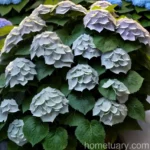
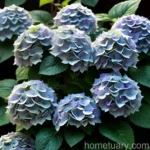
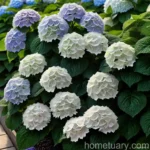
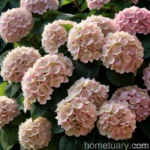
- The flower color of Hydrangea paniculata ‘Phantom’ can vary depending on the soil pH, with acidic soils producing blue flowers and alkaline soils yielding pink flowers.
Links to External Resources
For further information on Hydrangea paniculata ‘Phantom’ care, cultivation, and related topics, check out the following resources:
- The Royal Horticultural Society (RHS) – Hydrangeas
- University of Florida IFAS Extension – Hydrangeas in Florida
- American Society for the Prevention of Cruelty to Plants (ASPCP) – Guide to Hydrangea Cultivation
In conclusion, Hydrangea paniculata ‘Phantom’ is a captivating and versatile plant that adds beauty and elegance to any garden or landscape. By understanding its specific cultural requirements, incorporating appropriate care practices, and being vigilant about disease and pest management, gardeners can enjoy the full splendor of this enchanting cultivar. Whether cultivated in the ground or in containers, this hydrangea variety is sure to captivate and delight with its abundance of showy flowers and graceful, arching branches.
Remember, each beautiful bloom offers a glimpse into the captivating world of Hydrangea paniculata ‘Phantom’.
References
- “Hydrangea paniculata ‘Phantom'” by Garden Design, Garden Design
- “Caring for Hydrangeas”, University of California Agriculture & Natural Resources, UCANR Home Gardening
- “Hydrangea paniculata”, Missouri Botanical Garden, Missouri Botanical Garden