Plant Name: Hydrangea paniculata Little Quick Fire
Hydrangea paniculata Little Quick Fire, a compact and hardy shrub, is a stunning addition to any garden landscape. This beautiful plant is beloved for its vibrant flowers, low maintenance requirements, and versatility in various growing conditions. As a plant scientist, I’m excited to delve into the intricacies of this remarkable plant, offering insights into its care, uses, natural habitat, and much more.
What is Hydrangea paniculata Little Quick Fire?
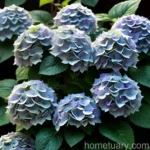
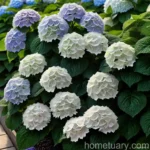
Hydrangea paniculata Little Quick Fire is a deciduous shrub that belongs to the Hydrangeaceae family. This variety is known for its stunning display of cone-shaped flowers that bloom from mid-summer to fall, adding an eye-catching burst of color to the garden. As the name suggests, Little Quick Fire is prized for its early bloom time compared to other paniculata hydrangeas, making it a desirable choice for those seeking long-lasting floral interest in their outdoor spaces.
With a compact growth habit, this hydrangea is well-suited for small gardens, borders, and container plantings, offering versatility in its application. Its manageable size and relatively low maintenance needs make it a popular choice among gardeners and landscaping enthusiasts.
Key Takeaways – Hydrangea paniculata Little Quick Fire
Here are the key takeaways for those interested in adding Hydrangea paniculata Little Quick Fire to their garden:
- Early blooming variety, providing vibrant flowers from mid-summer to fall
- Compact growth habit, suitable for small gardens, borders, and containers
- Low maintenance requirements, making it an ideal choice for various skill levels of gardeners
- Versatile and adaptable to different growing conditions
- Adds a pop of color and visual interest to outdoor spaces
Now that we have an overview of this beautiful plant, let’s delve into the specific aspects of its culture, uses, and care requirements.
Culture of Hydrangea paniculata Little Quick Fire
Water
Hydrangea paniculata Little Quick Fire thrives in well-drained soil and requires regular watering, particularly during dry spells. Adequate soil moisture is crucial for the plant’s health and performance, especially during the establishment phase and periods of intense heat. However, it’s essential to avoid waterlogged conditions as excessive moisture can lead to root rot and other issues. A consistent watering schedule, allowing the soil to dry slightly between waterings, is beneficial to the plant’s overall well-being. Mulching around the base of the plant can also help retain soil moisture and regulate temperature.
Sunlight
When it comes to sunlight requirements, Hydrangea paniculata Little Quick Fire flourishes in partial to full sun. While it can tolerate some shade, providing ample sunlight exposure encourages robust growth and profuse flowering. In regions with scorching summers, some afternoon shade can be beneficial to prevent sunscald and maintain the plant’s vitality. It’s essential to observe the specific microclimate of the planting site and adjust the sunlight exposure accordingly for optimal results.
Fertilizer
Proper fertilization is essential for promoting healthy growth and prolific flowering in Hydrangea paniculata Little Quick Fire. A balanced, slow-release fertilizer formulated for woody shrubs can be applied in early spring to provide essential nutrients for the upcoming growing season. Additionally, a light application of organic compost or well-rotted manure around the base of the plant in the fall can contribute to soil fertility and long-term plant health. Care should be taken not to over-fertilize, as excessive nitrogen levels can lead to lush foliage at the expense of flower production.
Soil
Hydrangea paniculata Little Quick Fire thrives in moderately fertile, well-drained soil with a slightly acidic to neutral pH range. Amending the soil with organic matter, such as compost or peat moss, can enhance its overall structure and nutrient content. It’s important to ensure that the soil retains moisture without becoming waterlogged, as excessive wetness can predispose the plant to root diseases and other issues. Regularly monitoring the soil’s moisture levels and making adjustments as needed is crucial for supporting the plant’s vigor and vitality.
Pruning
Pruning is an essential aspect of maintaining the shape, size, and flowering performance of Hydrangea paniculata Little Quick Fire. The best time to prune is in late winter or early spring, before new growth emerges. This allows for the removal of dead, damaged, or weak branches, as well as the shaping of the plant to encourage a compact and well-branched structure. Additionally, spent flowers can be deadheaded to promote ongoing bloom and prevent the plant from expending energy on seed production. It’s important to use clean, sharp pruning tools to make precise cuts and minimize the risk of disease transmission.
Propagation
Hydrangea paniculata Little Quick Fire can be propagated through various methods, including softwood or hardwood stem cuttings, division, and layering. Softwood cuttings are typically taken in early summer, while hardwood cuttings are collected in late fall or winter. Rooting hormone can be applied to the cut ends of the stems to encourage the development of roots. Division involves separating the plant into smaller sections, each containing roots and at least one shoot or bud. Layering, a method where a portion of a low-hanging stem is buried to promote root development, can also be employed to propagate new plants. Each propagation technique has its own set of requirements and best practices, offering flexibility in expanding the plant’s population.
Container Popularity
With its compact growth habit and stunning floral display, Hydrangea paniculata Little Quick Fire is a popular choice for container gardening. The plant’s manageable size makes it well-suited for patios, balconies, and small outdoor spaces, where it can serve as a focal point or accent plant. When grown in containers, it’s important to ensure adequate drainage, as waterlogged soil can have detrimental effects on the plant’s health. Additionally, regular watering, fertilization, and monitoring of sunlight exposure are key considerations for successfully cultivating Little Quick Fire in containers.
Now that we have covered the culture and care requirements of Hydrangea paniculata Little Quick Fire, let’s explore its uses and applications in garden landscapes.
Uses of Hydrangea paniculata Little Quick Fire
Landscaping
Hydrangea paniculata Little Quick Fire is a versatile and visually striking plant that lends itself well to various landscaping applications. Its compact size and vibrant flowers make it an excellent choice for borders, hedges, and foundation plantings, where it can add texture, color, and season-long interest. The plant’s adaptability to different growing conditions and relative ease of maintenance further contribute to its appeal as a landscaping element. Whether used as a standalone specimen, mass planting, or mixed with other perennials and shrubs, Little Quick Fire has the ability to elevate the aesthetic appeal of outdoor spaces.
Cut Flowers
The cone-shaped flowers of Hydrangea paniculata Little Quick Fire make beautiful additions to floral arrangements, adding a touch of elegance and sophistication to bouquets and centerpieces. When harvested at the appropriate stage of maturity, the flowers can be enjoyed indoors, providing a prolonged display of natural beauty. Whether used on their own or in combination with other blooms, Little Quick Fire hydrangeas offer florists and flower enthusiasts a visually captivating and long-lasting floral material for creative designs.
Pollinator Support
The showy flowers of Hydrangea paniculata Little Quick Fire attract pollinators such as butterflies, bees, and hummingbirds, contributing to the overall biodiversity of the garden ecosystem. As these beneficial insects and birds visit the flowers in search of nectar and pollen, they aid in the process of pollination, transferring genetic material between plants and ensuring the production of seeds for future generations. By incorporating Little Quick Fire into garden landscapes, enthusiasts can actively support and promote the presence of pollinators, fostering a thriving and dynamic natural environment.
With its diverse uses and ornamental appeal, Hydrangea paniculata Little Quick Fire serves as a valuable and dynamic addition to garden landscapes, offering aesthetic, functional, and ecological benefits.
Common Diseases and Pests
Common Diseases
While Hydrangea paniculata Little Quick Fire is generally resilient and low-maintenance, it can be susceptible to certain diseases under unfavorable growing conditions. Some of the common diseases that may affect this plant include:
- Powdery Mildew: A fungal disease that presents as a white powdery coating on the leaves and stems, powdery mildew can weaken the plant and diminish its overall vigor. Promoting good air circulation, avoiding overhead watering, and applying fungicidal treatments as necessary can help manage and prevent this disease.
- Leaf Spot: Caused by various fungal pathogens, leaf spot appears as dark, water-soaked lesions on the leaves, potentially leading to defoliation and reduced photosynthetic capacity. Implementing proper sanitation, removing affected foliage, and applying fungicidal sprays can aid in controlling leaf spot and protecting the plant’s health.
Disease Diagnosis
To accurately diagnose and address potential diseases affecting Hydrangea paniculata Little Quick Fire, it’s important to carefully observe the plant for specific symptoms, such as unusual spots, discoloration, or wilting. Additionally, monitoring environmental conditions, including humidity levels, air circulation, and soil moisture, can provide valuable insights into disease development and progression. If necessary, seeking guidance from plant health professionals or diagnostic laboratories can help identify the underlying issues and formulate targeted management strategies.
Common Pests
While relatively resistant to pest infestations, Hydrangea paniculata Little Quick Fire may occasionally encounter issues with certain pests, including:
- Aphids: These small, soft-bodied insects feed on the plant sap, often clustering on the undersides of leaves and causing distortion and discoloration. Natural predators, such as ladybugs and lacewings, can help control aphid populations, while insecticidal soaps and horticultural oils offer additional management options.
- Japanese Beetles: Known for their voracious feeding habits, Japanese beetles can skeletonize the foliage of plants, compromising their aesthetic appeal and overall health. Monitoring for beetle activity and employing physical or chemical control measures, such as handpicking and targeted insecticides, can aid in mitigating the impact of these destructive pests on Little Quick Fire hydrangeas.
By staying vigilant and implementing proactive pest management practices, gardeners can help safeguard Hydrangea paniculata Little Quick Fire from potential infestations and minimize the risk of damage to the plant.
Botanist’s Tips
Selecting the Planting Site
When integrating Hydrangea paniculata Little Quick Fire into garden landscapes, it’s important to carefully consider the planting site to ensure optimal growth and performance. Select a location that receives sufficient sunlight for robust flowering, while also providing some protection from intense afternoon sun in regions with hot climates. Additionally, ensuring well-drained soil and adequate air circulation can contribute to the plant’s overall health and resilience to environmental stressors.
Mulching and Soil Amendment
Applying a layer of organic mulch, such as shredded bark or compost, around the base of the plant can offer numerous benefits, including moisture retention, weed suppression, and soil temperature regulation. Furthermore, amending the soil with organic matter, such as compost or aged manure, can enhance its fertility, structure, and microbial activity, fostering a conducive environment for Little Quick Fire hydrangeas to thrive.
Watering Practices
Establishing a consistent and appropriate watering routine is crucial for supporting the growth and vitality of Hydrangea paniculata Little Quick Fire. Adequate soil moisture, balanced with good drainage, is key to preventing water stress and promoting healthy root development. During hot and dry periods, adjusting the watering frequency to meet the plant’s needs can help mitigate the effects of drought stress and maintain its overall vigor.
Integrated Pest Management
Employing an integrated pest management (IPM) approach, which combines cultural, biological, and targeted chemical control methods, can help effectively manage potential pests and minimize the reliance on broad-spectrum insecticides. By promoting the presence of beneficial insects, practicing proper sanitation, and implementing selective pest control measures when necessary, gardeners can foster a balanced and resilient ecosystem around Little Quick Fire hydrangeas.
Fun Facts
- In addition to its stunning floral display, Hydrangea paniculata Little Quick Fire undergoes a captivating color transformation as the season progresses. The initially creamy white flowers gradually transition to a deep rosy-pink hue, offering a dynamic visual spectacle in the garden.
- With its compact growth habit and abundance of flowers, Little Quick Fire is a favorite among gardeners seeking a reliable and showy ornamental plant for small spaces, patios, and urban gardens.
- Various cultivars and hybrids of Hydrangea paniculata, including Little Quick Fire, exhibit excellent cold hardiness, making them suitable for northern climates and regions with harsh winters.
Links to External Resources
For further information on Hydrangea paniculata Little Quick Fire, here are some valuable resources:
- The American Hydrangea Society
- University of Maryland Extension: Hydrangea Cultivars
- Royal Horticultural Society: Hydrangeas
In conclusion, Hydrangea paniculata Little Quick Fire stands out as a versatile, resilient, and visually captivating shrub that enriches garden landscapes with its vibrant flowers and ornamental appeal. Through understanding its cultural requirements, uses, and potential challenges, gardeners can cultivate and enjoy the beauty of Little Quick Fire while actively contributing to the ecological diversity of their outdoor spaces. With a commitment to proper care, thoughtful placement, and ongoing observation, this exceptional plant can thrive and enchant enthusiasts with its enduring charm and natural elegance.