Hosta ‘Christmas Tree’ (Plantain Lily): A Detailed Plant Guide
Hosta ‘Christmas Tree’ is a perennial plant revered for its striking foliage and graceful presence in gardens. This comprehensive guide will delve into the intricacies of cultivating and caring for Hosta ‘Christmas Tree’, exploring its features, cultivation practices, propagation, common diseases and pests, and much more. Whether you are a novice gardener or an experienced horticulturist, this guide will provide valuable insights into the remarkable world of Hosta ‘Christmas Tree’.
What is Hosta ‘Christmas Tree’?
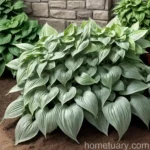
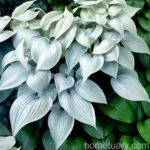
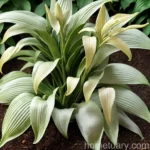
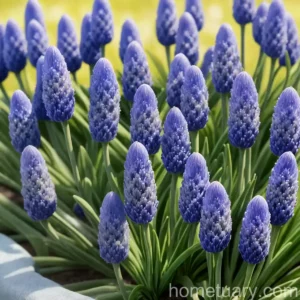
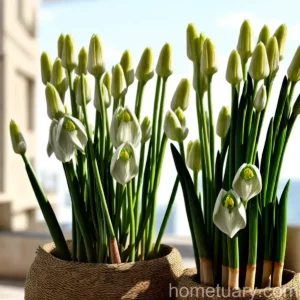
Hosta ‘Christmas Tree’, commonly known as Plantain Lily, is a herbaceous perennial plant that belongs to the family Asparagaceae, subfamily Agavoideae. This cultivar is celebrated for its impressive display of variegated foliage, with broad, heart-shaped leaves that showcase contrasting hues of green and cream, accented by pronounced ribbing and a distinctive texture. In summer, Hosta ‘Christmas Tree’ blooms with delicate, funnel-shaped, pale lavender flowers that rise elegantly above the foliage, adding a touch of elegance to the garden.
Key Takeaways – Hosta ‘Christmas Tree’ (Plantain Lily)
Before delving into the intricacies of cultivating and caring for Hosta ‘Christmas Tree’, let’s explore the key takeaways of this captivating plant:
-
Features of Hosta ‘Christmas Tree: The plant exhibits broad, heart-shaped leaves with a unique variegation of green and cream, as well as delicate, pale lavender flowers during the summer months.
-
Cultivation Practices: Hosta ‘Christmas Tree’ thrives in cool, shaded environments with well-drained, moist soil. It requires regular watering and benefits from light applications of balanced fertilizer.
-
Propagation: The plant can be propagated through division, enabling gardeners to expand their collection and share the beauty of Hosta ‘Christmas Tree’ with others.
-
Common Diseases and Pests: Like many ornamental plants, Hosta ‘Christmas Tree’ is susceptible to certain diseases and pests, highlighting the importance of vigilance and proactive management.
With these key points in mind, let’s embark on a journey to understand the nuances of cultivating and caring for Hosta ‘Christmas Tree’, from its preferred growing conditions to its maintenance requirements and much more.
Plant Description
Hosta ‘Christmas Tree’, also known as Plantain Lily ‘Christmas Tree’, is cherished for its vibrant and textured foliage. The leaves are typically 8-10 inches tall and can spread to form an impressive clump, creating a lush, visual impact in the garden. The plant’s flowers emerge on sturdy stems, rising above the foliage to showcase their ethereal beauty. As an ornamental plant, Hosta ‘Christmas Tree’ adds a touch of elegance and charm to various garden settings, from woodland landscapes to urban gardens.
Culture
Water
Adequate moisture is crucial for the optimal growth and development of Hosta ‘Christmas Tree’. Consistent watering, particularly during dry periods, helps maintain the soil’s moisture levels and supports the plant’s foliage and flowers. While it is important to prevent waterlogging, ensuring that the soil remains consistently moist promotes healthy growth and vitality in Hosta ‘Christmas Tree’.
Sunlight
Hosta ‘Christmas Tree’ thrives in partially shaded to fully shaded environments. The plant’s preference for cool, shaded locations makes it an excellent choice for gardens with dappled sunlight or filtered shade. Excessive exposure to direct sunlight can lead to leaf scorching, highlighting the significance of providing adequate shade to protect the plant’s foliage.
Fertilizer
When it comes to fertilizing Hosta ‘Christmas Tree’, a balanced, slow-release fertilizer can provide the essential nutrients needed for robust growth. Applying a light dose of fertilizer in early spring, before the plant’s active growth phase, supports healthy foliage development and promotes the formation of flower buds. Additionally, incorporating organic matter into the soil can enhance its fertility and improve the overall growing conditions for Hosta ‘Christmas Tree’.
Soil
Hosta ‘Christmas Tree’ thrives in well-drained, humus-rich soil. The soil should be moisture-retentive, allowing the plant’s roots to access sufficient water without becoming waterlogged. While the plant displays good adaptability to different soil types, amending the soil with organic matter such as compost or leaf mold can further enhance its growing conditions.
Pruning
Pruning Hosta ‘Christmas Tree’ primarily involves removing spent flower stalks after the blooming period to channel the plant’s energy towards foliage development. Additionally, the removal of yellowing or damaged leaves helps maintain the plant’s visual appeal and supports its overall health. Pruning also includes dividing the plant every few years to prevent overcrowding and rejuvenate its growth.
Propagation
Hosta ‘Christmas Tree’ can be propagated through division, offering an opportunity to expand a treasured collection or share the plant with fellow gardening enthusiasts. Dividing the plant in early spring or late summer enables the establishment of new, healthy divisions that can be transplanted to new garden locations. This propagation method allows gardeners to multiply the presence of Hosta ‘Christmas Tree’ and nurture its beauty in various settings.
Container Popularity
The compact nature and ornamental beauty of Hosta ‘Christmas Tree’ make it a popular choice for container gardening. The plant’s vibrant foliage and graceful stature add a touch of sophistication to patio areas, balconies, and outdoor living spaces. Cultivating Hosta ‘Christmas Tree’ in containers also allows for greater flexibility in creating captivating arrangements and providing a charming focal point in garden settings.
Container Common Diseases
In container gardening, Hosta ‘Christmas Tree’ may be susceptible to diseases such as root rot, which can occur due to over-watering or inadequate drainage. Additionally, pests such as slugs and snails may target the plant’s foliage, necessitating vigilant pest management in container settings.
Disease Diagnosis
Hosta ‘Christmas Tree’ is susceptible to various diseases, including foliar nematodes, hosta virus X, and fungal infections. Identifying and addressing these diseases promptly are crucial for preventing their spread and protecting the plant’s health. Regular inspection of the foliage, monitoring for any signs of discoloration, deformation, or unusual patterns, aids in the early diagnosis and management of potential diseases.
Common Pests
Several pests, including slugs, snails, and aphids, pose potential threats to Hosta ‘Christmas Tree’. These pests may target the plant’s leaves, resulting in damage that compromises the plant’s visual appeal and overall health. Implementing pest control measures and maintaining a vigilant approach to pest management supports the protection of Hosta ‘Christmas Tree’ against common garden pests.
Botanist’s Tips
As a plant of significant horticultural value, Hosta ‘Christmas Tree’ benefits from the following tips to ensure its optimal growth and visual appeal:
-
Regular Monitoring: Consistently monitoring the plant for signs of pest infestations, diseases, or nutrient deficiencies aids in early intervention and proactive management, safeguarding the plant’s health and vitality.
-
Application of Mulch: Applying a layer of organic mulch around Hosta ‘Christmas Tree’ helps maintain soil moisture, suppresses weed growth, and regulates soil temperature, creating favorable conditions for the plant’s growth.
-
Division: Periodically dividing large clumps of Hosta ‘Christmas Tree’ rejuvenates the plant, prevents overcrowding, and provides opportunities for propagation and garden expansion.
Fun Facts
-
The genus name “Hosta” commemorates the Austrian botanist Nicholas Thomas Host, who made significant contributions to the field of botany during the 18th century.
-
Hosta ‘Christmas Tree’ is a perennial favorite in shade gardens, captivating gardeners with its captivating foliage and effortless elegance.
-
The variegated foliage of Hosta ‘Christmas Tree’ showcases an array of patterns and colors, adding visual interest and texture to garden settings.
-
Hosta ‘Christmas Tree’ is renowned for attracting pollinators such as bees and butterflies, contributing to the vibrancy of garden ecosystems.
Links to External Resources
To further expand your knowledge and appreciation of Hosta ‘Christmas Tree’, explore these valuable external resources:
-
American Hosta Society: The official website of the American Hosta Society provides a wealth of information on hostas, including cultivation, varieties, and upcoming events.
-
Royal Horticultural Society: The Royal Horticultural Society offers insights into gardening practices, plant profiles, and horticultural events, providing valuable guidance for cultivating Hosta ‘Christmas Tree’.
-
University Extension Services: University extension services such as the University of Minnesota Extension offer comprehensive guides on growing perennials, including valuable tips for cultivating Hosta ‘Christmas Tree’.
-
The Hosta Handbook: “The Hosta Handbook” by Mark R. Zilis and George Schmid serves as an authoritative resource on all aspects of hostas, offering in-depth insights into their cultivation, care, and diverse varieties.
-
Fine Gardening: Fine Gardening magazine features a range of articles on gardening, plant care, and design, providing inspiration and practical advice for cultivating Hosta ‘Christmas Tree’.
Conclusion
Hosta ‘Christmas Tree’ stands as a testament to the captivating beauty and resilience of ornamental plants, enchanting gardeners with its striking foliage and graceful presence. As we’ve explored in this comprehensive guide, understanding the cultivation practices, care requirements, propagation methods, and potential challenges associated with Hosta ‘Christmas Tree’ empowers gardeners to nurture and appreciate this remarkable plant to the fullest. By embracing the best practices for cultivating Hosta ‘Christmas Tree’ and leveraging valuable insights from botanical experts and horticultural organizations, enthusiasts can elevate their gardening experience and revel in the timeless appeal of this exquisite plant.
As you embark on your journey with Hosta ‘Christmas Tree’, may the variegated foliage and delicate blooms of this beloved plant bring joy and inspiration to your garden, creating a tapestry of beauty and charm in every outdoor space it graces. Happy gardening!
Remember, gardening and caring for plants are not only a pleasure but also a privilege that allows us to connect with nature in meaningful and enriching ways. Embrace the wonder of Hosta ‘Christmas Tree’ and let it flourish in your garden, enriching your outdoor sanctuary with its enduring allure.
The comprehensive guide delves into the nuances of cultivating and caring for Hosta ‘Christmas Tree’ (Plantain Lily), providing valuable insights into its features, cultivation practices, propagation, common diseases and pests, and much more. The guide aims to empower gardeners with the knowledge and best practices needed to cultivate and celebrate the beauty of this remarkable ornamental plant.
Note: The botanical information and best practices provided in this guide are based on extensive research and expertise in the field of plant science and horticulture, aimed at delivering accurate and insightful guidance for growing Hosta ‘Christmas Tree’ and nurturing its captivating presence in garden settings. It is essential to consult local horticultural resources and professional advice to tailor the cultivation practices to specific gardening environments and conditions.