Exploring the Enchanting Hydrangea macrophylla ‘Masja’
Hydrangeas have long been cherished for their captivating blooms and classic charm. One particularly alluring variety is the Hydrangea macrophylla ‘Masja’, known for its stunning flowers and versatility in cultivation. In this comprehensive guide, we will delve into the captivating world of the ‘Masja’ hydrangea, uncovering its habits, care requirements, propagation techniques, and much more. Whether you’re an avid gardener, a landscaper, or simply a lover of botanical beauty, this article will equip you with the knowledge to cultivate and appreciate this exquisite plant.
What is Hydrangea macrophylla ‘Masja’?
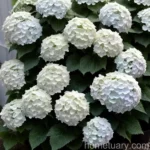
The Hydrangea macrophylla ‘Masja’ is a member of the deciduous flowering shrub family Hydrangeaceae. It is a cultivar of the Hydrangea macrophylla species, commonly known as the bigleaf hydrangea or mophead hydrangea. This cultivar is renowned for its large, showy flower heads, which are comprised of both sterile and fertile flowers, creating a stunning visual display.
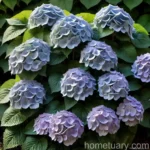
The ‘Masja’ hydrangea particularly stands out due to the striking coloration of its blooms. Its blossoms undergo a mesmerizing transformation, changing from deep green to a vivid, enchanting mix of pink and blue hues, dependent on the soil pH. This captivating interplay of colors adds to its allure, making it a prized addition to gardens, landscapes, and floral arrangements.
Key Takeaways
Before delving into the specifics of cultivating and caring for Hydrangea macrophylla ‘Masja’, it’s essential to understand some key takeaways about this delightful plant:
- The ‘Masja’ hydrangea is a cultivar of the Hydrangea macrophylla species, known for its captivating and color-changing flower heads.
- Its blooms exhibit a noteworthy shift in color, ranging from shades of pink to blue, based on the soil pH and aluminum availability.
- ‘Masja’ hydrangeas are highly versatile, suitable for various cultivation methods including container gardening, landscape features, and floral arrangements.
Now that we have a foundational understanding of the Hydrangea macrophylla ‘Masja’, let’s explore the nuances of its cultivation, care requirements, and the distinctive characteristics that make it a beloved choice for plant enthusiasts.
Cultivation and Care of Hydrangea macrophylla ‘Masja’
Cultivating the ‘Masja’ hydrangea is a rewarding endeavor, provided that it receives the appropriate care and attention. From providing the ideal soil conditions to understanding its watering needs, every aspect of its cultivation plays a crucial role in nurturing this delightful plant. Let’s delve into the essential factors that contribute to its optimal growth and flourishing blooms.
1. Water
Hydrangeas, including the ‘Masja’ variety, have specific water requirements to thrive. Adequate hydration is vital, particularly during the summer months and dry spells. The general guideline for watering ‘Masja’ hydrangeas is to ensure consistent soil moisture without waterlogging. These shrubs benefit from deep, infrequent watering to encourage sturdy root development and resilience against drought conditions.
Keep in mind that the water quality can influence the color of the blooms, especially in the case of ‘Masja’ hydrangeas, which exhibit color variance based on soil pH. To achieve pink blooms, which indicate a higher pH, consider using water with reduced aluminum content. Conversely, for blue blooms, representing lower pH, supplementing with aluminum sulfate can aid in achieving the desired coloration. It’s essential to monitor the soil pH and adjust watering practices accordingly for optimal results.
2. Sunlight
Like many hydrangea varieties, the ‘Masja’ hydrangea thrives in dappled or filtered sunlight, especially in regions with hot summers. Partial shade is beneficial, particularly during the peak hours of the day, as it offers protection from intense sunlight exposure. When selecting a planting site or determining its placement in a garden or landscape, prioritize locations with morning sun and afternoon shade to provide the ideal lighting conditions for ‘Masja’ hydrangeas.
In some cases, the availability of sunlight can impact the color intensity of the blooms. By strategically adjusting the sunlight exposure, it is possible to enhance the vibrancy and longevity of the flowers, contributing to an enchanting visual display.
3. Fertilizer
Proper fertilization is integral to nurturing vigorous growth and abundant flowering in ‘Masja’ hydrangeas. A balanced, slow-release fertilizer formulated for acid-loving plants is recommended for these cultivars. Incorporating a fertilizer with a higher concentration of phosphorus facilitates robust root establishment and prolific bloom production. Apply the fertilizer according to the package instructions, typically during the early spring months as new growth emerges, and avoid excessive application to prevent potential nutrient imbalances.
It’s crucial to monitor the soil composition and nutrient levels, as certain soil types may already contain adequate nutrients for ‘Masja’ hydrangeas. Conducting a soil test can provide valuable insights into the specific fertilizer requirements, guiding your approach to promoting the plant’s overall health and flowering capacity.
4. Soil
The soil composition significantly influences the growth, vigor, and coloration of ‘Masja’ hydrangeas. These cultivars thrive in well-drained, organically rich soils with a slightly acidic to neutral pH range. Amending the soil with organic matter, such as compost or well-rotted manure, enhances its texture and fertility, fostering an ideal environment for root development and nutrient uptake.
Additionally, for gardeners aiming to manipulate the flower color of ‘Masja’ hydrangeas, understanding the correlation between soil pH and bloom color is essential. To encourage pink blooms, maintain a higher soil pH by incorporating lime or dolomitic lime. For blue blooms, lower the soil pH with amendments like elemental sulfur or aluminum sulfate. Regular monitoring and adjustment of the soil pH contribute to the consistent display of the desired bloom hues, adding an element of artistry to the cultivation process.
5. Pruning
Pruning plays a pivotal role in maintaining the health, form, and flowering prowess of ‘Masja’ hydrangeas. As with other bigleaf hydrangeas, these cultivars benefit from strategic pruning to remove spent blooms, shape the shrub, and promote new growth. The ideal time for pruning ‘Masja’ hydrangeas is after the flowering period, generally in late summer or early fall.
To encourage robust blooming in the subsequent season, selectively remove older stems and dead wood, allowing space for fresh growth and rejuvenation. Additionally, consider the specific growth habits of ‘Masja’ hydrangeas, as some varieties may bloom on old wood, while others produce flowers on new growth. Understanding the cultivar’s blooming behavior is essential for informed and effective pruning practices, ultimately contributing to an abundant and picturesque display of flowers.
Now that we’ve explored the fundamental aspects of cultivating and caring for Hydrangea macrophylla ‘Masja’, including its water, sunlight, fertilizer, soil, and pruning requirements, let’s delve into the propagation techniques, common uses, and the enduring popularity of this enchanting cultivar.
Propagation of Hydrangea macrophylla ‘Masja’
Propagating ‘Masja’ hydrangeas opens up a world of possibilities for expanding your garden or landscape with this captivating cultivar. Whether you are keen on creating additional plants for personal enjoyment or considering propagation for commercial purposes, understanding the various methods and best practices is essential for successful reproduction.
1. Seed Propagation
While viable Hydrangea macrophylla ‘Masja’ seeds can be obtained, propagating these cultivars from seeds is a time-consuming process that may not reliably produce plants true to the parent characteristics. Due to the hybrid nature of many cultivars, including ‘Masja’ hydrangeas, the resulting seedlings may exhibit variations in flower color and form, making this method less predictable for maintaining the desired traits.
For collectors or enthusiasts interested in experimenting with seed propagation, it’s essential to manage expectations regarding the outcome and recognize the potential for genetic diversity among the progeny. Nevertheless, the process of selecting, harvesting, and germinating ‘Masja’ hydrangea seeds offers valuable insights into the plant’s life cycle and reproductive capabilities.
2. Stem Cuttings
Propagation through stem cuttings is the preferred method for maintaining the genetic integrity and desirable features of ‘Masja’ hydrangeas. By selecting healthy, non-flowering stems and employing proper techniques, gardeners can effectively propagate new plants that closely resemble the parent specimen, ensuring consistent flower coloration and growth habits.
To propagate ‘Masja’ hydrangeas from stem cuttings, follow these general steps:
Stem Cutting Procedure:
- Select a healthy, non-flowering stem from the parent plant, typically measuring 4 to 6 inches in length.
- Make a clean, angled cut just below a leaf node, ensuring the cutting includes at least two pairs of leaves.
- Remove the lower set of leaves, leaving the upper foliage intact to support photosynthesis and energy production.
- Dip the cut end of the stem into a rooting hormone powder to expedite root formation and enhance the cutting’s viability.
- Plant the prepared stem cutting in a well-draining rooting medium, such as a blend of perlite and peat moss, ensuring ample aeration and moisture retention.
- Maintain consistent humidity and warmth to facilitate root development, typically achieved by covering the cuttings with a transparent dome or utilizing a misting system.
By providing appropriate care and monitoring the progression of root formation, gardeners can witness the gradual emergence of new ‘Masja’ hydrangea plants, ready for transplanting into their designated growing areas.
3. Division
Division, particularly of established ‘Masja’ hydrangea specimens, offers a rapid and reliable method for producing new plants with identical characteristics. This technique is ideally suited for large, mature shrubs that have developed expansive root systems, enabling the separation of root masses into distinct, independently growing plants.
When opting for division as a propagation method, consider the following steps for successful implementation:
Division Procedure:
- Begin by carefully excavating the mature ‘Masja’ hydrangea shrub, taking care to preserve the integrity of the root system and minimize disturbance.
- Identify natural points of division within the root mass, such as discernible sections with distinct shoots or growth points. Employ a sharp, sanitized tool to sever these segments, ensuring each division contains ample roots and foliage for sustained growth.
- Plant the divided sections in prepared soil or growing containers, providing sufficient irrigation and post-transplant care to promote establishment and vigor.
Division serves as an effective means of rapidly expanding the presence of ‘Masja’ hydrangeas in a garden or landscape, offering the opportunity to appreciate the distinctive allure of this cultivar throughout various outdoor spaces.
The Power of Container Gardening with Hydrangea macrophylla ‘Masja’
Container gardening presents an exciting avenue for showcasing the beauty and versatility of Hydrangea macrophylla ‘Masja’. Whether adorning patios, balconies, or garden spaces with limited planting areas, ‘Masja’ hydrangeas thrive in containers, offering an enchanting floral display in a portable and adaptable format. Let’s explore the considerations, benefits, and best practices for cultivating ‘Masja’ hydrangeas in containers, unleashing their captivating appeal in diverse settings.
Popularity of Container Gardening with ‘Masja’ Hydrangeas
The allure of ‘Masja’ hydrangeas extends seamlessly into the realm of container gardening, attracting plant enthusiasts, landscapers, and homeowners seeking to elevate their outdoor environments. The adaptability of these cultivars to container cultivation stems from their manageable size, vibrant blooms, and capacity to thrive in the confined space provided by pots, planters, or decorative containers.
In addition to their visual splendor, ‘Masja’ hydrangeas contribute to the creation of visually impactful compositions, where their distinctive flower colors and lush foliage serve as focal points, accentuating the aesthetic appeal of any outdoor setting.
Container Gardening Considerations
When embarking on container gardening endeavors with ‘Masja’ hydrangeas, it’s essential to account for several key considerations to ensure the plants’ vitality and long-term flourishing. The following factors warrant thoughtful attention to optimize the cultivation experience and maximize the visual impact of these captivating cultivars.
Container Selection:
Choose spacious containers with adequate drainage holes to facilitate proper water management and root aeration. Selecting containers with sufficient space for root expansion ensures the sustained growth and well-being of ‘Masja’ hydrangeas, preventing the constraints that may impede their development.
Potting Medium:
Opt for a well-draining, nutrient-rich potting mix tailored for acid-loving plants or specifically formulated for hydrangeas. The potting medium should offer optimal moisture retention while preventing waterlogging, promoting robust root development and overall plant vigor.
Watering Regimen:
Establish a consistent watering regimen that aligns with the moisture requirements of ‘Masja’ hydrangeas. Regular monitoring of soil moisture and environmental conditions is crucial to prevent drought stress or water excess, fostering a balanced and supportive environment for the plants.
Sunlight Exposure:
Position the containers in locations that offer the ideal balance of sunlight and shade for ‘Masja’ hydrangeas. Aim to provide dappled or filtered sunlight, offering protection from intense midday sun exposure to maintain the plants’ health and enhance the vibrancy of their blooms.
Tips for Successful Container Gardening
Armed with an understanding of the essential considerations for container gardening with ‘Masja’ hydrangeas, implementing the following tips further enhances the success and visual impact of these captivating plants in containerized settings.
- Regularly assess the moisture levels in the container soil, adjusting the watering frequency based on environmental conditions and plant needs.
- Employ a layer of organic mulch on the soil surface to conserve moisture, regulate temperature, and suppress weed growth, contributing to the overall health of ‘Masja’ hydrangeas.
- Provide periodic fertilization during the growing season, utilizing a balanced, slow-release fertilizer formulated for acid-loving plants to bolster the nutrient reserves and support robust growth and flowering.
By embracing container gardening with ‘Masja’ hydrangeas, plant enthusiasts have the opportunity to create and curate captivating floral displays, infusing outdoor spaces with the allure and charm of these exquisite cultivars.
The Enduring Appeal of Hydrangea macrophylla ‘Masja’
The ‘Masja’ hydrangea has solidified its place as a cherished and sought-after cultivar, captivating plant enthusiasts and homeowners with its remarkable visual impact and adaptability. From its distinctive flower coloration to its resilience in various cultivation settings, the enduring appeal of ‘Masja’ hydrangeas resonates across diverse gardening and landscaping endeavors, ushering in a timeless charm and botanical elegance.
Common Uses in Garden and Landscape Design
The versatility of ‘Masja’ hydrangeas lends itself to a multitude of garden and landscape design applications, enriching outdoor spaces with its entrancing blooms and vibrant foliage. Some of the common uses and design possibilities of ‘Masja’ hydrangeas include:
- Specimen Planting: When showcased as a standalone feature, ‘Masja’ hydrangeas captivate attention with their colorful blooms and lush, textured foliage, serving as a visually striking focal point within a garden or landscape.
- Mixed Borders: Incorporating ‘Masja’ hydrangeas within mixed borders or perennial beds adds depth, dimension, and seasonal interest, complementing a diverse array of plants and contributing to visually captivating compositions.
- Woodland and Shade Gardens: These cultivars thrive in shaded or partially shaded environments, making them a natural fit for woodland gardens or tranquil shaded settings, where their captivating blooms shine amidst the verdant surroundings.
With its adaptability and visual allure, the ‘Masja’ hydrangea enriches outdoor spaces with its timeless charm, offering an array of design possibilities to elevate and define garden and landscape compositions.
Botanist’s Tips for Cultivating ‘Masja’ Hydrangeas
For amateur and seasoned gardeners alike, the following botanist’s tips serve as valuable insights and guidance for cultivating ‘Masja’ hydrangeas, promoting their optimal growth and enchanting floral displays.
- Soil pH Management: Monitor and adjust the soil pH to influence the coloration of ‘Masja’ hydrangea blooms, leveraging lime or aluminum sulfate to achieve the desired pink or blue hues, respectively.
- Pruning Practices: Embrace strategic and informed pruning practices to maintain the health, form, and blooming potential of ‘Masja’ hydrangeas, sustaining their visual appeal and vigor.
- Container Cultivation: Embrace the versatility of container gardening to showcase ‘Masja’ hydrangeas in diverse outdoor settings, maximizing their visual impact and adaptability.
By incorporating these botanist’s tips into the cultivation and care of ‘Masja’ hydrangeas, gardeners can foster a deeper appreciation for these enchanting plants, nurturing their beauty and allure throughout the seasons.
Unveiling Fun Facts about Hydrangea macrophylla ‘Masja’
Delving into the world of ‘Masja’ hydrangeas reveals an array of fascinating and delightful facts that underscore their unique charm and botanical significance. From their historical origins to their captivating flower coloration, these fun facts offer a glimpse into the captivating allure of ‘Masja’ hydrangeas.
1. Historical Significance
The Hydrangea macrophylla species, to which ‘Masja’ hydrangeas belong, has captivated gardeners and horticultural enthusiasts for centuries. Historically, hydrangeas have been associated with various cultural symbols and interpretations, ranging from gratitude and heartfelt emotions to abundance and prosperity. As ‘Masja’ hydrangeas continue to enthral plant enthusiasts worldwide, they carry on a legacy of botanical significance and timeless appeal.
2. Varied Flower Coloration
The unique feature of ‘Masja’ hydrangeas lies in the captivating variability of their flower coloration, influenced by the soil pH and aluminum availability. This characteristic renders them as living, dynamic displays of natural artistry, as their blooms transition between shades of pink and blue, offering a captivating spectacle throughout the flowering season.
3. Symbolic Significance
Hydrangeas, including the enchanting ‘Masja’ cultivar, have held symbolic significance in the language of flowers, conveying sentiments and emotions through their blooms. While commonly associated with gratitude and appreciation, the diverse color range of ‘Masja’ hydrangeas lends itself to nuanced expressions, symbolizing heartfelt sentiments and evoking diverse interpretations.
4. Versatile Floral Subject
The captivating blooms of ‘Masja’ hydrangeas are celebrated for their versatility as floral subjects, adorning arrangements, bouquets, and decorative displays in diverse settings. Their enduring charm extends from the garden into interior spaces, where their captivating hues and lush foliage enhance the ambiance with natural beauty and visual allure.
By unraveling these fun and intriguing facts about ‘Masja’ hydrangeas, a deeper appreciation for their botanical charm and cultural significance emerges, further enriching the allure of these captivating plants.
External Resources for Further Exploration
For those keen on delving deeper into the enchanting world of Hydrangea macrophylla ‘Masja’, a curated selection of external resources provides a wealth of knowledge, insights, and inspiration. From expert cultivation advice to captivating visual galleries, these resources offer an immersive exploration of ‘Masja’ hydrangeas, enhancing the journey of appreciating and cultivating these captivating cultivars.
1. Gardening Websites and Forums
Exploring gardening websites and forums dedicated to hydrangeas offers a valuable platform for connecting with fellow enthusiasts, exchanging insights, and