Hydrangea Macrophylla ‘Blaumeise’: A Comprehensive Guide to Care, Growth, and Common Issues
Hydrangea macrophylla, commonly known as bigleaf hydrangea, is a stunning flowering shrub that belongs to the Hydrangeaceae family. One particularly captivating variety is the ‘Blaumeise’, admired for its large, round flower heads and intense blue or pink blossoms. This article is a comprehensive guide to the care, cultivation, and potential challenges associated with Hydrangea macrophylla ‘Blaumeise’. Whether you’re a seasoned gardener or a novice plant enthusiast, there’s plenty to learn and appreciate about this remarkable species.
What is Hydrangea Macrophylla ‘Blaumeise’?
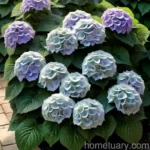
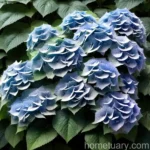
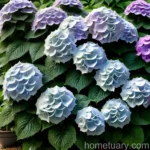
Hydrangea macrophylla, a native of Japan, is renowned for its large, lush, dark green leaves and spectacular, globe-shaped flower clusters. The term ‘macrophylla’ refers to the plant’s significant leaves, indicating its distinct foliage. The ‘Blaumeise’, in particular, is celebrated for its vibrant, mophead-like blossoms, which change color depending on soil pH. This captivating variety typically produces rich blue flowers in acidic soils and striking pink ones in alkaline soils. Moreover, its compact size and robust nature make it a popular choice for gardens, landscapes, and containers.
Named after the German term for the Eurasian blue tit bird, ‘Blaumeise’ resonates with the plant’s striking blue flowers, evoking a sense of natural beauty and charm. This cultivar is a testament to the remarkable diversity within the Hydrangea macrophylla family and stands out for its unique growth habits and blooming patterns.
Key Takeaways
Hydrangea macrophylla ‘Blaumeise’ possesses several distinct characteristics and care requirements. Primary takeaways include:
- Optimal soil pH dictates the flower color, with acidic soils yielding blue blossoms and alkaline soils producing pink flowers.
- Regular watering, especially during dry spells, is essential to maintain consistent soil moisture.
- Appropriate exposure to sunlight influences the plant’s growth and flower production, with a balance of shade and light being ideal.
- Pruning should be performed at specific times to promote blooming and ensure a healthy growth structure.
- ‘Blaumeise’ is known for its versatility, thriving in landscapes, gardens, and containers, offering a range of landscaping possibilities.
This article delves into each of these key points, offering comprehensive insights into the culture, uses, care, and potential challenges associated with Hydrangea macrophylla ‘Blaumeise’.
Culture
The culture of Hydrangea macrophylla ‘Blaumeise’ refers to the plant’s preferred growing conditions, encompassing elements such as water, sunlight, soil, and fertilizer. Understanding and effectively managing these factors are essential for ensuring the sustained health and vitality of ‘Blaumeise’, ultimately leading to an abundant display of its signature blossoms.
Uses
As one of the most beloved hydrangea species, Hydrangea macrophylla ‘Blaumeise’ is utilized for various landscaping and ornamental purposes. Its compact size, striking flowers, and lush foliage make it an ideal choice for:
- Garden beds and borders
- Container gardening
- Floral arrangements and bouquets
- Landscaping focal points
- Adding color and texture to shaded areas
Given its adaptability and enchanting appearance, ‘Blaumeise’ has become a staple in numerous outdoor and indoor settings, offering a touch of elegance and vibrancy to any environment.
Water
Proper watering is crucial for the health and vitality of ‘Blaumeise’. Consistent moisture levels are essential, particularly during dry spells or warm weather, to ensure the plant remains sufficiently hydrated. When watering ‘Blaumeise’, it’s important to strike a balance, avoiding both waterlogged and parched soil conditions. A layer of organic mulch can help retain soil moisture and regulate water absorption, contributing to the overall well-being of the plant.
Sunlight
Hydrangea macrophylla ‘Blaumeise’ exhibits a preference for dappled sunlight or partial shade, particularly in regions with intense heat or sun exposure. While it can tolerate full sun in cooler climates, providing a balance of shade and light is instrumental in promoting healthy growth and optimal flower production. Ensuring that ‘Blaumeise’ receives adequate sunlight, without being exposed to harsh midday rays, can significantly enhance its overall performance and visual appeal.
Fertilizer
Applying a balanced and appropriate fertilizer can bolster the growth and blooming capacity of Hydrangea macrophylla ‘Blaumeise’. A slow-release, well-balanced fertilizer, specifically formulated for acid-loving plants, can supply the necessary nutrients without overwhelming the soil. Additionally, incorporating organic matter into the soil when planting ‘Blaumeise’ can contribute to its long-term health and vitality, reducing the reliance on synthetic fertilizers.
Soil
The soil composition plays a critical role in the growth and flower coloration of ‘Blaumeise’, owing to its unique response to different pH levels. To produce blue flowers, the soil should be acidic, with a pH ranging from 5.2 to 5.5, while a higher pH of around 6.0 to 6.2 can lead to pink blossoms. Regular soil testing and appropriate amendments, such as using aluminum sulfate for blue flowers or adding lime for pink flowers, can help maintain the desired coloration and support the overall development of ‘Blaumeise’.
Pruning
Pruning is a key aspect of maintaining the health and visual appeal of Hydrangea macrophylla ‘Blaumeise’. Understanding the appropriate timing and techniques for pruning is essential for promoting vigorous growth, controlling size, and encouraging prolific flowering. ‘Blaumeise’ typically blooms on old wood, necessitating careful pruning immediately after flowering to facilitate new growth and bud formation for the subsequent season. It’s important to avoid severe or late pruning, as it can limit blooming and disrupt the natural growth pattern of the plant.
Propagation
The propagation of Hydrangea macrophylla ‘Blaumeise’ involves several methods, including stem cuttings, layering, and seed propagation. Each approach has its unique requirements and potential challenges, influencing the success and speed of propagation. Understanding the different techniques and their suitability for ‘Blaumeise’ can provide valuable insights for enthusiasts looking to expand their plant collection or share ‘Blaumeise’ with others.
Container Popularity
The compact nature and captivating flowers of ‘Blaumeise’ make it a popular choice for container gardening. Whether grown in terracotta pots, decorative planters, or hanging baskets, ‘Blaumeise’ adds a touch of elegance and color to any outdoor or indoor space. Container gardening also offers the advantage of mobility, allowing the plant to be repositioned to optimize sunlight and shade exposure throughout the seasons.
Common Diseases
Like many plants, Hydrangea macrophylla ‘Blaumeise’ is susceptible to certain diseases that can impact its health and overall appearance. Recognizing the symptoms of these diseases and implementing appropriate preventive measures is essential for safeguarding the well-being of ‘Blaumeise’ and preserving its stunning aesthetic appeal.
Disease Diagnosis
The diagnosis of common diseases in ‘Blaumeise’ involves observing the plant for symptoms such as:
- Leaf spot: Irregularly shaped spots on the leaves, often caused by fungal pathogens
- Powdery mildew: White or gray powdery patches on the leaves and stems
- Botrytis blight: Gray mold affecting flowers, especially during periods of high humidity
- Rust: Orange, yellow, or brown spots on the leaves, often indicating a fungal infection
Identifying these symptoms early on and implementing targeted treatments can mitigate the impact of these diseases and prevent their spread to nearby plants.
Common Pests
While Hydrangea macrophylla ‘Blaumeise’ is generally resilient, it can still fall victim to various pests that affect its growth and vitality. The presence of these pests can manifest through visible damage to the leaves, stems, and flowers, prompting the need for prompt intervention and pest control measures to protect ‘Blaumeise’ from further harm.
Botanist’s Tips
As a plant scientist, I have encountered and studied the unique features and growth habits of Hydrangea macrophylla ‘Blaumeise’. Based on my expertise and research, I would like to share some valuable tips for the successful care and cultivation of this exquisite plant:
- Soil pH management is crucial for controlling the flower color of ‘Blaumeise’, offering an opportunity for creative experimentation and visual customization.
- Pruning should be approached with caution, focusing on strategic cuts that promote the formation of new growth and maintain the plant’s natural structure.
- Regular observation and proactive pest and disease management can help preserve the health and visual appeal of ‘Blaumeise’, ensuring its sustained vibrancy and vigor.
Fun Facts
To add an element of intrigue and fascination, here are some captivating and lesser-known facts about Hydrangea macrophylla ‘Blaumeise’:
- The term ‘Blaumeise’ translates to “blue tit” in German, underscoring the vivid blue blossoms that inspired the cultivar’s name.
- ‘Blaumeise’ can exhibit varying shades of blue or pink, ranging from intense cobalt and cerulean to delicate pastel hues, adding a dynamic visual dimension to its blooms.
- The natural habitat of Hydrangea macrophylla ‘Blaumeise’ encompasses woodlands, slopes, and gardens, reflecting its adaptability to diverse environments.
Links to External Resources
For further information and insights into the care, cultivation, and appreciation of Hydrangea macrophylla ‘Blaumeise’, consider exploring the following reputable resources:
- American Horticultural Society (AHS): Hydrangea macrophylla Care Guide
- Royal Horticultural Society (RHS): Growing Hydrangeas
- University of Maryland Extension: Hydrangea Macrophylla Fact Sheet
- Missouri Botanical Garden: Hydrangea Macrophylla ‘Blaumeise’ Overview
- Gardening Know How: Hydrangea Macrophylla Care and Growing Tips
The provided resources offer valuable insights, expert advice, and practical tips for enthusiasts and horticultural enthusiasts keen on exploring the enchanting world of Hydrangea macrophylla ‘Blaumeise’.
In conclusion, Hydrangea macrophylla ‘Blaumeise’ stands as a captivating and resilient flowering shrub, renowned for its striking blossoms and versatile growth habits. Its unique characteristics, care requirements, and potential challenges make it an intriguing subject for plant enthusiasts and a cherished addition to gardens, landscapes, and containers. Through attentive cultivation, proactive management, and an appreciation for its natural beauty, ‘Blaumeise’ can thrive and enchant for years to come, showcasing the enduring allure of the Hydrangea macrophylla family.