Hydrangea macrophylla Cityline® Mars: A Comprehensive Guide
Hydrangeas are versatile and popular flowering plants that are beloved for their large and showy blooms. Among the many varieties of hydrangeas, Hydrangea macrophylla, often referred to as “bigleaf hydrangea,” is one of the most admired species. Cityline® Mars is a particular cultivar of Hydrangea macrophylla that boasts stunning clusters of vibrant red or pink flowers, depending on the pH of the soil.
In this comprehensive guide, we will delve into the fascinating world of Hydrangea macrophylla Cityline® Mars, exploring its description, best growing conditions, care tips, and much more. Whether you’re a casual gardener or a seasoned horticulturist, this guide will provide you with the knowledge and insights you need to cultivate and appreciate this beautiful plant.
Hydrangea macrophylla Cityline® Mars Description
Hydrangea macrophylla, commonly known as bigleaf hydrangea, is a deciduous shrub that belongs to the Hydrangeaceae family. This species is native to Japan, where it thrives in the moist and temperate climates of the region. The Cityline® Mars cultivar of Hydrangea macrophylla is particularly prized for its compact size and striking floral displays.
Characteristics of Hydrangea macrophylla Cityline® Mars
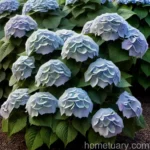
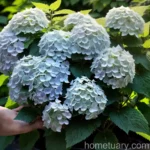
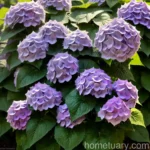
Cityline® Mars is characterized by its large, rounded flower clusters, which emerge in shades of vivid red or pink. The color of the blooms is influenced by the pH level of the soil, with acidic soils encouraging deeper red hues and alkaline soils resulting in pink flowers. The plant’s dark green foliage provides an exquisite backdrop to the spectacular blossoms, creating a visually stunning appearance in any garden or landscape.
Growing Hydrangea macrophylla Cityline® Mars
Planting Guide
The successful cultivation of Hydrangea macrophylla Cityline® Mars begins with thoughtful and strategic planting. When selecting a location for this shrub, consider the following factors:
- Light Requirements: Cityline® Mars thrives in partially shaded areas, particularly in the morning with some protection from the intense afternoon sun. In hotter climates, it benefits from additional shade to prevent wilting and sunburn.
- Soil Type: Well-draining, fertile soil with a slightly acidic to neutral pH (5.5 to 6.5) is ideal for Hydrangea macrophylla Cityline® Mars. Amending the soil with organic matter can improve its texture and nutrient content, enhancing the plant’s overall health.
- Spacing: When planting multiple hydrangeas, space them approximately 3 to 4 feet apart to allow for proper air circulation and future growth.
Watering
Hydrangeas, including Cityline® Mars, have moderate water needs. While they enjoy moist soil, they are susceptible to root rot if constantly waterlogged. To maintain optimal soil moisture, water the plant deeply but infrequently, allowing the top few inches of soil to dry out between waterings. Additionally, applying a layer of mulch around the base of the plant can help conserve moisture and regulate soil temperature.
Fertilization
Fertilizing Hydrangea macrophylla Cityline® Mars can promote healthy growth and abundant flowering. In early spring, apply a balanced, slow-release fertilizer specifically formulated for acid-loving plants. Avoid high-nitrogen fertilizers, as they can encourage excessive foliage growth at the expense of blooms. Follow the manufacturer’s recommended application rates and methods for best results.
Pruning Techniques
Pruning is an essential aspect of Hydrangea macrophylla Cityline® Mars care, as it helps shape the plant, remove spent blooms, and encourage new growth. The timing and techniques for pruning Cityline® Mars are influenced by its flowering behavior, which can vary depending on the specific climatic conditions and practices in a given region.
- Removal of Spent Blooms: After the flowering period, the faded flower clusters can be deadheaded to improve the plant’s appearance and stimulate the development of new buds.
- Pruning for Shape and Size: Since Cityline® Mars is a compact cultivar, it generally requires minimal pruning for size control. However, selective trimming can be performed to maintain a tidy and well-proportioned form.
Propagation
Propagating Hydrangea macrophylla Cityline® Mars can be achieved through several methods, including:
- Stem Cuttings: In late spring or early summer, take 4 to 6-inch stem cuttings from healthy, non-flowering shoots. Remove the lower leaves, dip the cut ends in rooting hormone, and plant the cuttings in a well-draining rooting medium. With proper care and environmental conditions, the cuttings will develop roots and can be transplanted to their permanent locations.
Container Gardening
Cityline® Mars can thrive in containers, making it an excellent choice for individuals with limited garden space or those who wish to adorn their patios and outdoor living areas with its captivating blossoms. When growing Cityline® Mars in containers, ensure that the pots have drainage holes to prevent waterlogging, and use a high-quality, well-aerated potting mix designed for acid-loving plants. Additionally, regular monitoring of soil moisture and nutrition is essential when growing hydrangeas in containers, as the limited soil volume can lead to quicker drying out and nutrient depletion.
Care Tips for Hydrangea macrophylla Cityline® Mars
To ensure the health and beauty of Hydrangea macrophylla Cityline® Mars, consider the following care tips:
- Mulching: Apply a layer of organic mulch around the base of the plant to conserve moisture, suppress weed growth, and insulate the roots from temperature fluctuations.
- Winter Protection: In regions with harsh winters, provide winter protection for Cityline® Mars by mulching the base of the plant and covering it with burlap or a specialized plant cover to shield it from cold temperatures and freezing winds.
- Regular Monitoring: Periodically inspect the plant for signs of pests, diseases, or nutrient deficiencies, addressing any issues promptly to prevent them from escalating.
Best Conditions for Hydrangea macrophylla Cityline® Mars
Hydrangea macrophylla Cityline® Mars thrives under the following favorable conditions:
- Partial Shade: Plant Cityline® Mars in locations with partial shade, protecting it from the intense afternoon sun, particularly in hotter climates.
- Moist, Well-Draining Soil: Provide the plant with fertile, well-draining soil with a slightly acidic to neutral pH (5.5 to 6.5). Regularly monitor soil moisture levels to prevent either waterlogging or prolonged dryness.
- Mild Climate: Cityline® Mars performs best in regions with mild, temperate climates, where it can avoid extreme heat and cold.
Hydrangea macrophylla Cityline® Mars Varieties
In addition to the captivating Cityline® Mars cultivar, there are several other notable varieties of Hydrangea macrophylla that offer unique colors, growth habits, and floral characteristics. Some popular varieties include:
| Variety | Description |
|---|---|
| Cityline® Venice | Features vibrant red or deep pink blossoms and compact growth, making it suitable for smaller gardens. |
| Cityline® Rio | Showcases rich purple or blue-violet blooms and a compact, mounded form. |
| Cityline® Paris | Boasts striking dark pink or purple flowers that contrast beautifully against the glossy green foliage. |
Hydrangea macrophylla Cityline® Mars Soil Requirements
Cityline® Mars thrives in soil with the following characteristics:
- pH Level: The ideal soil pH for Hydrangea macrophylla Cityline® Mars ranges from slightly acidic to neutral, with a pH range of 5.5 to 6.5. Soil testing kits are available to assess the pH of the soil and determine the need for any necessary amendments.
- Texture: Well-draining, loamy soil that holds moisture without becoming waterlogged is preferred. Amending heavy clay soils with organic matter can improve their drainage and aeration, enhancing the overall soil structure.
Companion Plants for Hydrangea macrophylla Cityline® Mars
When designing a garden or landscape featuring Hydrangea macrophylla Cityline® Mars, consider incorporating complementary companion plants to enhance its visual appeal and create harmonious plant combinations. Suitable companion plants for Cityline® Mars include:
- Astilbe: Known for its feathery plumes of flowers in various hues, astilbe adds texture and color to landscapes while thriving in similar growing conditions as hydrangeas.
- Ferns: With their delicate fronds and lush foliage, ferns can create an enchanting backdrop for Cityline® Mars and provide visual interest throughout the growing season.
- Hostas: These shade-loving perennials offer a diverse range of leaf shapes and colors, serving as an excellent contrast to the bold blooms of Hydrangea macrophylla Cityline® Mars.
Common Diseases Affecting Hydrangea macrophylla Cityline® Mars
While Hydrangea macrophylla Cityline® Mars is relatively resilient, it is susceptible to certain diseases, commonly including:
- Powdery Mildew: This fungal disease appears as a white, powdery coating on the leaves and stems, often caused by high humidity and poor air circulation.
- Leaf Spot: Characterized by the presence of dark, irregularly shaped spots on the leaves, leaf spot diseases can affect the overall health and appearance of the plant.
Disease Diagnosis
When observing potential symptoms of disease in Hydrangea macrophylla Cityline® Mars, consider the following diagnostic measures:
- Visual Inspection: Regularly inspect the plant for any abnormal discoloration, spots, or abnormalities on the foliage, stems, or flowers.
- Consultation: If uncertain about a particular disease or its management, consult local horticultural professionals or cooperative extension services for accurate diagnosis and treatment recommendations.
Common Pests Affecting Hydrangea macrophylla Cityline® Mars
Cityline® Mars may be vulnerable to attacks by various pests, such as:
- Aphids: These tiny insects feed on the sap of the plant, causing distorted growth and the development of sticky honeydew on the leaves and stems.
- Spider Mites: Spider mite infestations can result in stippled, discolored foliage and the formation of fine webbing on the plant.
Botanist’s Tips: Cultivating Hydrangea macrophylla Cityline® Mars
For successful cultivation and maintenance of Hydrangea macrophylla Cityline® Mars, consider the following expert tips:
- Watering: Maintain consistent, moderate soil moisture levels, avoiding excessive dryness or waterlogging.
- Fertilization: Use a balanced, slow-release fertilizer formulated for acid-loving plants to support healthy growth and prolific flowering.
- Pruning: Practice strategic pruning to remove spent blooms, shape the plant, and encourage the development of new buds.
Fun Facts about Hydrangea macrophylla Cityline® Mars
- The name “Hydrangea” is derived from the Greek words “hydor,” meaning water, and “angeion,” meaning vessel. This name references the plant’s preference for moist soil.
- In some cultures, hydrangeas are associated with heartfelt emotions and are often given as symbols of gratitude and appreciation.
Hydrangea macrophylla Cityline® Mars in Landscaping
Cityline® Mars offers versatile landscaping possibilities, serving as a stunning focal point or contributing to vibrant and colorful garden compositions. When incorporating Hydrangea macrophylla Cityline® Mars into landscape designs, consider the following applications:
- Borders and Edging: The compact size of Cityline® Mars makes it ideal for border plantings and edging along pathways and garden beds, where the vibrant flowers can add a pop of color and visual interest.
- Mass Plantings: Creating drifts or clusters of Cityline® Mars in large garden beds or open spaces can yield a breathtaking visual impact, particularly when combined with other flowering plants with complementary hues and textures.
Links to External Resources
For further information on the cultivation and care of Hydrangea macrophylla Cityline® Mars, explore the following external resources:
-
The Royal Horticultural Society – Hydrangea Cultivation Guide
-
University of Illinois Extension – Hydrangeas in the Landscape
In conclusion, the enchanting Hydrangea macrophylla Cityline® Mars presents an array of captivating features, from its vibrant floral displays to its adaptability in various growing conditions. By following the guidance outlined in this comprehensive guide, you can cultivate and enjoy the beauty of Cityline® Mars while nurturing its health and vitality in your garden or landscape.
Hydrangea macrophylla Cityline® Mars holds a special place in the hearts of gardening enthusiasts, and with the knowledge and tips provided, you can unlock the full potential of this extraordinary plant, creating a haven of beauty and color in your outdoor spaces.