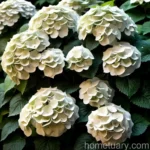
All About Hydrangea Macrophylla ‘Glory Blue’
What is Hydrangea Macrophylla ‘Glory Blue’?

Hydrangea macrophylla ‘Glory Blue’ is a stunning deciduous shrub that belongs to the Hydrangeaceae family. Commonly known as bigleaf hydrangea, French hydrangea, or lacecap hydrangea, this plant is characterized by its large mophead or lacecap flowers, which can change color depending on the soil pH. ‘Glory Blue’ is a specific cultivar renowned for its vibrant blue flowers, adding a delightful pop of color to any garden landscape.
This blog post aims to explore the comprehensive care and cultivation guidelines for Hydrangea macrophylla ‘Glory Blue’. From planting tips to pruning techniques and common diseases, this guide will provide extensive insights into nurturing and maintaining this beautiful hydrangea cultivar.
Key Takeaways
Before delving into the detailed care instructions for Hydrangea macrophylla ‘Glory Blue’, here are some key takeaways summarizing the essential aspects of caring for this plant:
- Plant Name: Hydrangea Macrophylla ‘Glory Blue’
- Common Names: Bigleaf hydrangea, French hydrangea, Lacecap hydrangea
- Plant Type: Deciduous shrub
- Flower Color: Vibrant blue, influenced by soil pH
- Sunlight: Partial shade to full sun
- Soil: Moist, well-draining, acidic to slightly alkaline
- Water: Regular watering, especially during dry periods
- Fertilizer: Balanced, slow-release fertilizer in spring
- Pruning: Minimal pruning for shape and size control
- Propagation: Stem cuttings, layering, or division
- Container: Suitable for container gardening
- Common Diseases: Powdery mildew, leaf spot
- Common Pests: Aphids, spider mites
- Growth Habit: Upright, spreading
Now, let’s delve deeper into each of these aspects and explore the comprehensive care guidelines for Hydrangea macrophylla ‘Glory Blue’.
Culture
Uses
Hydrangea macrophylla ‘Glory Blue’ is a versatile and ornamental shrub that offers several uses in garden landscapes and floral arrangements:
- Garden Focal Point: Planted as a standalone specimen or in groups, ‘Glory Blue’ serves as a stunning focal point in garden beds and borders.
- Cut Flowers: The vibrant blue blooms make delightful cut flowers for floral arrangements and indoor displays.
- Container Gardening: Suited for growing in containers, ‘Glory Blue’ adds a touch of elegance to patios, balconies, and smaller garden spaces.
- Landscaping: With its impressive foliage and blossoms, this hydrangea cultivar enhances the aesthetic appeal of landscaping designs, including cottage gardens and formal garden settings.
Water
Proper watering is crucial for the health and vitality of Hydrangea macrophylla ‘Glory Blue’. While these hydrangeas thrive in moist soil, they are susceptible to root rot if they are waterlogged. Here are some essential watering guidelines for ‘Glory Blue’:
- Regular Watering: During the growing season, ensure that the plant receives consistent moisture, especially during dry spells. Deep watering once or twice a week is generally sufficient.
- Mulching: Applying a layer of organic mulch around the base of the plant helps retain soil moisture and regulates the temperature of the root zone.
- Avoid Overhead Watering: To prevent foliar diseases, it is advisable to water the base of the plant instead of overhead watering, which can lead to moisture-related issues.
Sunlight
Hydrangea macrophylla ‘Glory Blue’ thrives in partial shade to full sun, but the ideal conditions may vary depending on the climate. Here are some sunlight considerations for ‘Glory Blue’:
- Morning Sun, Afternoon Shade: In regions with hot summers, providing morning sunlight and afternoon shade can help protect the plant from heat stress and sunburn.
- Filtered Light: Partial shade with filtered sunlight, especially in the afternoon, is beneficial for ‘Glory Blue’, ensuring vibrant and long-lasting blooms.
- Indoor Light: For container-grown plants, placing them near a bright window or providing artificial grow lights can help meet their sunlight requirements.
Fertilizer
Proper fertilization is essential to support the growth and flowering of Hydrangea macrophylla ‘Glory Blue’. Here are some fertilizer guidelines for maintaining the health and vibrancy of this hydrangea cultivar:
- Balanced Fertilizer: Apply a balanced, slow-release fertilizer formulated for flowering shrubs in early spring, just as the new growth begins to emerge.
- Avoid High Nitrogen: Excessive nitrogen can promote lush foliage at the expense of blooms, so it’s important to use a fertilizer with a balanced NPK ratio, such as 10-10-10 or 15-15-15.
- Organic Amendments: Incorporating organic matter, such as compost or well-rotted manure, into the soil in the spring can enhance the long-term fertility and structure of the soil.
Soil
The soil composition and pH levels play a significant role in the growth and bloom color of Hydrangea macrophylla ‘Glory Blue’. Understanding the soil requirements is crucial for cultivating healthy and vibrant hydrangeas:
- Acidic to Slightly Alkaline Soil: ‘Glory Blue’ thrives in moist, well-draining soil with slightly acidic to slightly alkaline pH levels ranging from 5.5 to 6.5.
- Soil Amendment: Incorporating organic matter into the soil, such as peat moss or compost, can help improve moisture retention and contribute to a slightly acidic soil environment.
- Soil Moisture: While the soil should be moist, it is important to avoid waterlogged conditions, as excess moisture can lead to root rot and other fungal diseases.
Pruning
Pruning Technique
Proper pruning helps maintain the shape, size, and vigor of Hydrangea macrophylla ‘Glory Blue’, while also promoting optimal flowering. Here are some key pruning techniques to keep in mind:
- Deadheading: Remove spent blooms by cutting the stems just above a set of healthy leaves or a leaf node. Deadheading can encourage the production of new flower buds.
- Minimal Pruning: In general, ‘Glory Blue’ requires minimal pruning, as excessive pruning can reduce the next season’s flower buds. Only remove old, weak, or damaged wood as needed.
- Timing: The best time to prune ‘Glory Blue’ is immediately after flowering, typically in late summer or early fall, to avoid interfering with the next season’s bloom development.
Pruning Schedule
Understanding the pruning schedule for Hydrangea macrophylla ‘Glory Blue’ is essential for achieving healthy growth and abundant blooms. Here is a general pruning schedule to guide your maintenance efforts:
- Immediate After Flowering: As soon as the flowering period ends, prune the spent blooms to enhance the plant’s appearance and promote new growth.
- Late Winter Inspection: During late winter or early spring, inspect the plant for any damaged, crossing, or weak branches, and remove them as necessary to maintain an open and balanced structure.
Propagation
Propagation Methods
Hydrangea macrophylla ‘Glory Blue’ can be propagated through various methods, offering gardeners the flexibility to propagate new plants and expand their hydrangea collection. Here are some common propagation methods for ‘Glory Blue’:
- Stem Cuttings: Take softwood or hardwood stem cuttings in late spring or early summer, treating them with a root hormone before planting them in a well-draining propagation medium.
- Layering: Encourage the formation of roots on a low-hanging branch by gently bending it to make contact with the soil, securing it in place, and allowing it to develop roots over time.
- Division: Divide mature hydrangea plants in early spring, separating the root ball into sections and replanting each division to establish new plants.
Container
Hydrangea macrophylla ‘Glory Blue’ is well-suited for container gardening, offering the opportunity to cultivate this beautiful shrub in various outdoor and indoor settings. Here are some key considerations for growing ‘Glory Blue’ in containers:
- Container Size: Select a spacious container that provides ample room for the plant’s root system to grow. A container with a diameter of 18 to 24 inches or more is suitable for accommodating the mature size of ‘Glory Blue’.
- Well-Draining Soil: Use a high-quality, well-draining potting mix specifically formulated for shrubs and ornamental plants when planting ‘Glory Blue’ in containers.
- Watering Needs: Container-grown hydrangeas may require more frequent watering than those planted in the ground, as the soil in containers tends to dry out more quickly. Monitor the soil moisture regularly and adjust the watering frequency as needed.
Popularity
Hydrangea macrophylla ‘Glory Blue’ has gained popularity among gardeners and landscaping enthusiasts for its stunning blue flowers and ornamental value. Its allure lies in its ability to add a touch of elegance and charm to various garden settings, offering a wealth of aesthetic and practical benefits. As its popularity continues to grow, ‘Glory Blue’ remains a sought-after cultivar for those seeking to enhance their outdoor spaces with vibrant blooms and lush foliage.
Common Diseases
Disease Diagnosis
While Hydrangea macrophylla ‘Glory Blue’ is generally resilient, it is susceptible to certain diseases that can affect its health and appearance. Understanding the symptoms and characteristics of common hydrangea diseases is essential for timely diagnosis and appropriate treatment. Here are some common diseases that may affect ‘Glory Blue’:
- Powdery Mildew: This fungal disease appears as a powdery white coating on the leaves, typically occurring in warm, dry conditions. It can weaken the plant and inhibit growth.
- Leaf Spot: Characterized by the appearance of dark spots or lesions on the leaves, leaf spot is often caused by fungal pathogens and can impact the overall health of the plant if left unmanaged.
Disease Management
Proactive management and preventive measures are key to safeguarding Hydrangea macrophylla ‘Glory Blue’ from common diseases. Here are some effective strategies for managing and preventing disease issues:
- Prune Infected Parts: Promptly remove and dispose of any infected leaves, stems, or blossoms to prevent the spread of diseases within the plant and to neighboring plants.
- Fungicidal Treatments: Apply an appropriate fungicide as a preventive measure, especially during periods of high humidity or when disease-prone conditions are prevalent.
- Good Air Circulation: Ensure proper air circulation around the plant by spacing it adequately and removing any congested or overcrowded growth that can impede airflow.
Common Pests
Pest Management
While Hydrangea macrophylla ‘Glory Blue’ is relatively resistant to pests, it can occasionally encounter pest issues that require vigilant monitoring and intervention. Here are some common pests that may affect ‘Glory Blue’ and the corresponding pest management strategies:
- Aphids: These small, soft-bodied insects may cluster on the undersides of leaves, sucking sap from the plant and potentially causing leaf distortion and weakened growth. Control aphids by spraying them with a strong blast of water or using insecticidal soap.
- Spider Mites: These tiny arachnids can create fine webbing on the undersides of leaves and cause stippling or discoloration. Mitigate spider mite infestations by increasing humidity and using predatory mites as natural enemies or applying horticultural oil.
Botanist’s Tips
As a botanist or plant scientist, it is important to emphasize the value of integrated pest management (IPM) strategies that prioritize ecological balance and the least disruptive pest control measures. Here are some botanist’s tips for managing pests on Hydrangea macrophylla ‘Glory Blue’:
- Beneficial Insects: Encourage the presence of beneficial insects, such as ladybugs and lacewings, which feed on common hydrangea pests and help maintain pest populations at manageable levels.
- Cultural Practices: Employ cultural practices, such as regular monitoring, maintaining plant health through proper care, and promoting biodiversity in the garden, to reduce the likelihood of pest outbreaks.
Fun Facts
- The flower colors of Hydrangea macrophylla ‘Glory Blue’ can change due to the soil pH: acidic soils tend to produce blue flowers, while alkaline soils lead to pink or purple blooms.
- ‘Glory Blue’ flowers can be used for creating natural dyes, yielding shades of blue and purple.
- In traditional medicine, certain parts of Hydrangea macrophylla have been used for their astringent, anti-inflammatory, and diuretic properties.
Links to External Resources
For further information on caring for Hydrangea macrophylla ‘Glory Blue’ and expanding your knowledge of this captivating plant, explore the following external resources:
- The American Hydrangea Society: https://www.americanhydrangeasociety.org/
- Royal Horticultural Society (RHS) – Hydrangeas: https://www.rhs.org.uk/plants/popular/hydrangea
- University of Florida IFAS Gardening Solutions – Hydrangeas: https://gardeningsolutions.ifas.ufl.edu/plants/ornamentals/hydrangeas.html
In conclusion, Hydrangea macrophylla ‘Glory Blue’ stands as a captivating and enchanting addition to garden landscapes, offering a spectacular display of vibrant blue blooms and lush foliage. By adhering to the comprehensive care guidelines outlined in this blog post, you can cultivate and nurture ‘Glory Blue’ with confidence, ensuring its continued health, beauty, and vitality in your outdoor spaces and garden settings. With the right attention and care, this exquisite hydrangea cultivar will thrive and grace your surroundings with its timeless elegance and charm.
Remember to embrace the ever-changing nature of ‘Glory Blue’ and celebrate its remarkable ability to captivate and inspire with each shift in bloom color and every flourishing season.