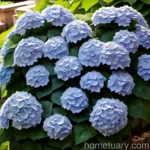
Hydrangea macrophylla Cityline® Rio: A Complete Guide
Hydrangea macrophylla, commonly known as bigleaf hydrangea or French hydrangea, is a popular ornamental plant in many gardens. Among the various cultivars of Hydrangea macrophylla, Cityline® Rio stands out due to its stunning features and easy care requirements. In this comprehensive guide, we will explore the cultivation, care, and maintenance of Hydrangea macrophylla Cityline® Rio, including its cultural requirements, uses, common diseases, and propagation techniques.
What is Hydrangea macrophylla Cityline® Rio?
Hydrangea macrophylla Cityline® Rio is a compact and floriferous cultivar of the species Hydrangea macrophylla. It is characterized by its large, mophead flowers that change color throughout the blooming season, vibrant foliage, and relatively small stature. The Cityline® series, including Cityline® Rio, is known for its dwarf habit, making it suitable for small gardens and containers. The name “Cityline” reflects its adaptability to urban environments and limited garden space.
Key Takeaways
Before diving deep into the specifics of Hydrangea macrophylla Cityline® Rio, let’s outline some key takeaways about this cultivar:
- Flower Color: The flowers of Cityline® Rio hydrangea transition from green to cream to pink as they age, adding an element of dynamic color to the garden landscape.
- Compact Size: With a compact growth habit, Cityline® Rio is ideal for small gardens, urban landscapes, and container gardening.
- Low Maintenance: This cultivar requires minimal pruning and care, making it suitable for gardeners of all skill levels.
- Adaptable: Cityline® Rio is adaptable to various soil types and pH levels, allowing it to thrive in diverse garden settings.
Culture
Understanding the cultural requirements of Hydrangea macrophylla Cityline® Rio is crucial for its successful cultivation and maintenance. Let’s explore the key elements of its cultural needs:
Uses
Cityline® Rio hydrangea serves multiple purposes in garden landscapes, including:
- Ornamental Display: The vibrant, color-changing flowers make Cityline® Rio a focal point in garden beds and borders.
- Container Planting: Its compact size makes it a perfect candidate for container gardening on patios, balconies, and small outdoor spaces.
- Cut Flower Arrangements: The attractive blooms of Cityline® Rio hydrangea are suitable for creating stunning cut flower arrangements.
Water
Proper watering is essential for the health and vigor of Hydrangea macrophylla Cityline® Rio. Here are some considerations for its water requirements:
- Consistent Moisture: Cityline® Rio prefers consistently moist, well-draining soil to support healthy growth and flowering.
- Avoid Waterlogging: While it requires adequate moisture, it’s important to avoid waterlogging or allowing the soil to become excessively soggy, which can lead to root rot.
Sunlight
The right amount of sunlight is crucial for the overall performance of Cityline® Rio hydrangea. Here’s what you need to know about its sunlight needs:
- Partial Sun to Partial Shade: Cityline® Rio thrives in partially shaded areas, receiving 4-6 hours of indirect sunlight per day for optimal growth and blooming.
- Protection from Harsh Afternoon Sun: In hotter climates, providing protection from the intense afternoon sun can prevent heat stress and maintain vibrant blooms.
Fertilizer
Proper fertilization promotes healthy growth and abundant flowering in Hydrangea macrophylla Cityline® Rio. Consider the following guidelines for fertilizing this cultivar:
- Balanced Fertilizer Application: Use a balanced, slow-release fertilizer with equal proportions of nitrogen, phosphorus, and potassium to provide essential nutrients without causing excessive vegetative growth.
- Spring Feeding: Apply a slow-release fertilizer in early spring before the onset of new growth, following the package instructions for dosage and application.
Soil
Understanding the soil preferences of Cityline® Rio hydrangea is essential for creating a favorable growing environment. Here’s what you need to know about its soil requirements:
- Well-Draining Soil: Cityline® Rio thrives in well-draining, humus-rich soil that retains moisture without becoming waterlogged.
- pH Tolerance: It demonstrates good adaptability to a wide range of soil pH levels, but slightly acidic to neutral pH (5.5-6.5) is optimal for vibrant flower coloration.
Pruning
Pruning plays a crucial role in shaping and maintaining the health of Hydrangea macrophylla Cityline® Rio. Consider the following pruning guidelines for this cultivar:
- Prune After Flowering: Perform any necessary pruning immediately after the blooming period to avoid removing potential flower buds for the next season.
- Deadheading Spent Blooms: Remove faded blooms to enhance the overall appearance and encourage continuous flowering throughout the season.
Propagation
The propagation of Hydrangea macrophylla Cityline® Rio allows gardeners to expand their collection or share this beautiful cultivar with others. Here are some common propagation methods for Cityline® Rio hydrangea:
Cutting Propagation
- Softwood Cuttings: Take 4-6 inch softwood cuttings in late spring or early summer, ensuring they have at least one pair of leaves. Dip the cut ends in rooting hormone and place them in a well-draining propagation medium.
- Rooting Environment: Provide a warm and humid rooting environment, covering the cuttings with a clear plastic dome or using a propagation tray with a humidity dome to encourage root development.
Division
- Mature Plants: Divide established Cityline® Rio hydrangea plants in early spring before new growth emerges, ensuring that each division has a healthy portion of roots and shoots.
- Replanting Divisions: Plant the divisions in prepared soil and provide adequate moisture and care to support their establishment.
Container Popularity
Hydrangea macrophylla Cityline® Rio’s compact habit makes it a popular choice for container gardening. Here’s why it works well in containers:
- Space Constraints: Its small size makes it ideal for small gardens, patios, and balconies where space is limited.
- Urban Gardening: Cityline® Rio hydrangea adapts well to urban environments, allowing city gardeners to enjoy its beauty even in compact outdoor spaces.
- Decorative Element: The color-changing blooms and lush foliage of Cityline® Rio add aesthetic appeal to outdoor containers, enhancing the visual impact of the setting.
Common Diseases
Like any plant, Hydrangea macrophylla Cityline® Rio is susceptible to certain diseases that can affect its health and appearance. Here are some common diseases and tips for their diagnosis and management:
Disease Diagnosis
- Powdery Mildew: Look for powdery white spots on the leaves, often accompanied by distorted growth. This fungal disease thrives in humid conditions and may require fungicidal treatment.
- Botrytis Blight: Symptoms include gray mold on flower clusters and foliage, particularly in damp and overcrowded planting areas. Proper air circulation and sanitation can help prevent this disease.
Common Pests
While generally robust, Hydrangea macrophylla Cityline® Rio may encounter pest issues that require vigilant monitoring and management. Here are some common pests and preventive measures:
- Aphids: Inspect the new growth and undersides of leaves for clusters of small, soft-bodied insects. Use insecticidal soap or horticultural oil to control aphid infestations.
- Spider Mites: Look for stippled leaves and fine webbing on the foliage, indicating the presence of spider mites. Regularly spray the plant with water to deter these pests or use miticidal treatments if the infestation is severe.
Botanist’s Tips
To enhance the success of growing and caring for Hydrangea macrophylla Cityline® Rio, consider the following botanist’s tips:
- Mulching: Apply a layer of organic mulch around the base of the plant to conserve soil moisture, suppress weed growth, and provide a favorable microclimate for the roots.
- Hydrangea-Specific Fertilizer: Consider using a fertilizer formulated specifically for hydrangeas to meet their unique nutritional needs and support healthy growth and flowering.
Fun Facts
In addition to its stunning blooms and compact growth habit, here are some fun and interesting facts about Hydrangea macrophylla Cityline® Rio:
- Seasonal Flower Color: The flowers of Cityline® Rio hydrangea change color throughout the blooming season, creating an ever-changing display in the garden.
- Easy Care Requirement: Cityline® Rio requires minimal maintenance, making it an excellent choice for gardeners looking for a low-maintenance yet visually striking plant.
Links to External Resources
For further information on Hydrangea macrophylla Cityline® Rio and related topics, explore the following external resources:
- Hydrangea macrophylla Cityline® Rio Care Guide
- Cityline® Rio Hydrangea: Cultivation and Maintenance Tips
- Growing Hydrangea macrophylla Cityline® Rio: Expert Recommendations
- Pruning Guide for Cityline® Rio Hydrangea: Best Practices
- Companion Plants for Hydrangea macrophylla Cityline® Rio
As we conclude this comprehensive guide, we hope that you have gained valuable insights into the cultivation, care, and maintenance of Hydrangea macrophylla Cityline® Rio. By understanding its cultural requirements, potential uses, and common diseases and pests, you can create an optimal environment for this vibrant and captivating hydrangea cultivar in your garden.
Remember to leverage the provided external resources and consult with local horticulturists and gardening experts for personalized advice tailored to your specific growing conditions. With proper care and attention, Cityline® Rio hydrangea can adorn your garden with its ever-changing, colorful blooms and compact elegance for years to come.