The Enchanting Beauty of Hydrangea (Hydrangea heteromalla)
Hydrangea (Hydrangea heteromalla) is a magnificent flowering plant that belongs to the Hydrangeaceae family. With its voluminous, clustered flowers and lush foliage, the hydrangea is a sight to behold in gardens and landscapes. Its diverse species and cultivars make it a popular choice for gardeners and landscaping enthusiasts.
In this comprehensive guide, we will delve into the intricacies of the Hydrangea heteromalla, providing invaluable insights into its cultivation, care, and maintenance. Whether you are a seasoned horticulturist or a novice plant enthusiast, this guide will equip you with the knowledge needed to nurture and appreciate the breathtaking beauty of the hydrangea.
What is Hydrangea (Hydrangea heteromalla)?
Hydrangea heteromalla, commonly known as Himalayan Hydrangea or Hairy Hydrangea, is a deciduous shrub native to the Himalayas and southwestern China. It is prized for its large, showy flower clusters and striking foliage. The species name “heteromalla” refers to the plant’s densely hairy leaves, lending a unique texture to its appearance.
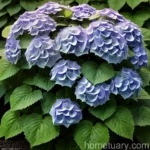
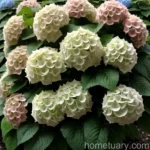
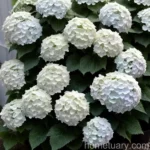
The hydrangea’s captivating blooms exhibit a remarkable color range, featuring shades of pink, blue, purple, and white, depending on the soil pH and variety. These vibrant inflorescences, known as corymbs, contribute to the plant’s undeniable allure and have made it a cherished ornamental plant worldwide.
Let us embark on a journey to explore the captivating world of Hydrangea heteromalla, from its cultural requisites to its propagation techniques and maintenance guidelines.
Key Takeaways – Hydrangea (Hydrangea heteromalla)
Before delving into the specific aspects of cultivating and caring for Hydrangea heteromalla, let’s outline some key takeaways to provide a snapshot of the plant’s essential characteristics and requirements:
- Botanical Name: Hydrangea heteromalla
- Common Names: Himalayan Hydrangea, Hairy Hydrangea
- Family: Hydrangeaceae
- Native Habitat: Himalayas, southwestern China
- Foliage: Densely hairy leaves
- Flower Colors: Pink, blue, purple, white (soil pH-dependent)
- Growth Habit: Deciduous shrub
- Notable Feature: Large, showy flower clusters
Now, let’s dive into the details of nurturing and maximizing the potential of this enchanting plant.
Culture
Cultivating Hydrangea heteromalla involves understanding its specific cultural requirements, including aspects such as water, sunlight, soil, and fertilization. Let’s explore each of these factors in detail:
Water
Hydrangeas, including Hydrangea heteromalla, have moderate water needs, and maintaining proper soil moisture is essential for their optimal growth and flowering. Here are some key considerations regarding hydrangea watering needs:
- Consistent Moisture: Hydrangeas thrive in consistently moist soil, but they are susceptible to root rot in waterlogged conditions.
- Mulching: Applying a layer of organic mulch around the base of the plant helps retain soil moisture and regulates the root zone temperature.
- Avoid Overhead Watering: Directing water onto the foliage and flowers can lead to disease issues, so it is best to water the soil directly.
Sunlight
Sunlight requirements play a crucial role in determining the health and blooming potential of Hydrangea heteromalla. Understanding the plant’s sunlight preferences is pivotal for its overall vitality:
- Morning Sun, Afternoon Shade: Providing morning sun with afternoon shade is generally ideal for hydrangeas, as it protects the plant from the intense midday sun.
- Filtered Light: In hotter climates, filtered light or dappled shade can shield the plant from excessive sun exposure, preventing wilting and sunburn.
- Adaptation: While hydrangeas prefer partial shade, some varieties can tolerate more sunlight, especially in cooler, moister environments.
Fertilizer
Fertilizing hydrangeas is essential for promoting healthy growth and prolific blooming. Understanding the timing and type of fertilizer to use can significantly impact the plant’s overall vigor:
- Balanced Fertilizer: Applying a balanced, slow-release fertilizer in spring supports the plant’s nutrient requirements for the growing season.
- Phosphorus for Blooms: A fertilizer with a higher phosphorus content can encourage abundant flowering, especially for established hydrangeas.
Soil
The composition and pH of the soil directly influence the growth, flower color, and overall well-being of Hydrangea heteromalla. Here’s a basic overview of the soil preferences for hydrangeas:
- Moist, Well-Draining Soil: Hydrangeas prefer rich, moist, and well-draining soil that allows the roots to access water without becoming waterlogged.
- pH Influence on Flower Color: Soil pH plays a significant role in determining the flower color of hydrangeas. Acidic soil (lower pH) promotes blue hues, while alkaline soil (higher pH) encourages pink shades.
Pruning
Pruning hydrangeas, including Hydrangea heteromalla, is a key aspect of maintaining their shape, controlling size, and encouraging robust blooms. Understanding the pruning techniques and timing is essential for harnessing the plant’s full ornamental potential:
- Pruning Time: The ideal time to prune Hydrangea heteromalla is in late winter to early spring, before new growth emerges.
- Deadheading Spent Blooms: Removing faded flowers promotes new growth and encourages the development of future flower buds.
- Selective Pruning for Form: Thinning out old or weak stems and shaping the plant’s silhouette can enhance its aesthetic appeal.
Propagation
Propagating Hydrangea heteromalla allows enthusiasts to multiply their plant collection and share the beauty of this species with others. Several propagation methods can be employed to propagate hydrangeas successfully:
- Stem Cuttings: Propagating from semi-hardwood stem cuttings in late spring to early summer can yield new, genetically identical plants.
- Division: Dividing established hydrangeas during the dormant season can rejuvenate overgrown specimens and create new plants.
- Layering: Air layering is another effective method for propagating hydrangeas, especially for larger, established plants with flexible branches.
Container Popularity
The allure of hydrangeas extends to container gardening, where their captivating blooms and lush foliage can brighten up patios, balconies, and outdoor living spaces. Understanding how to grow hydrangeas in containers opens up new possibilities for enthusiasts with limited garden space:
- Compact Varieties: Selecting compact hydrangea varieties suited for containers, such as Hydrangea macrophylla ‘Pia’ or ‘Mini Penny,’ enables enthusiasts to enjoy these plants in smaller settings.
- Well-Draining Soil: Using a quality potting mix that offers both moisture retention and good drainage is crucial for container-grown hydrangeas.
- Frequent Watering: Container-grown hydrangeas may require more frequent watering, especially during hot and dry periods, to prevent the soil from drying out.
Now that we have explored the cultural requisites and key aspects of nurturing Hydrangea heteromalla, let’s delve into its significant uses and potential applications.
Uses
The enchanting beauty of Hydrangea heteromalla extends beyond its ornamental value, encompassing various practical uses and landscaping applications. Here are some notable uses of this stunning plant:
- Garden Focal Point: Hydrangeas serve as stunning focal points in gardens, drawing attention with their large, colorful blooms.
- Border Plantings: Utilizing Hydrangea heteromalla as a border plant or hedge creates a captivating display along pathways and garden edges.
- Container Gardening: Compact hydrangea varieties are well-suited for container gardening, adding beauty to patios, decks, and balconies.
- Cut Flowers: The long-lasting blooms of hydrangeas make them popular choices for fresh and dried floral arrangements, adding elegance to indoor spaces.
Common Diseases
Despite their enchanting beauty, hydrangeas, including Hydrangea heteromalla, are susceptible to certain diseases that can impact their health and appearance. Understanding these common diseases and their management is crucial for preserving the vitality of the plants:
- Powdery Mildew: This fungal disease manifests as a powdery white growth on the foliage, leading to diminished plant vigor and aesthetic decline.
- Botrytis Blight: Also known as gray mold, this disease causes browning and spotting on flowers and leaves, often exacerbated by humid conditions.
- Leaf Spot: Leaf spot diseases can result in dark, concentric lesions on the leaves, potentially leading to defoliation and reduced flowering.
Proper cultural practices, including adequate spacing, good air circulation, and removal of infected plant material, can help mitigate the incidence of these diseases.
Disease Diagnosis
Diagnosing and addressing diseases in hydrangeas, such as Hydrangea heteromalla, requires keen observation and an understanding of the symptoms associated with common ailments. Here are some diagnostic indicators for prevalent hydrangea diseases:
- Inspecting Foliage: Regularly inspecting the foliage for unusual spots, discolorations, or powdery growth can help identify potential disease issues.
- Monitoring Flower Health: Abnormal discolorations, browning, or wilting of flowers can signal the presence of fungal or bacterial diseases.
- Root Health: Checking the root system for signs of rot, discoloration, or mushiness is vital for diagnosing root-related diseases.
Engaging in proactive monitoring and promptly addressing any signs of disease can aid in maintaining the plant’s overall well-being.
Common Pests
Hydrangeas can also fall victim to various pests that compromise their health and vitality. Understanding the common pests and implementing pest management strategies is crucial for preserving the plant’s beauty:
- Aphids: These small, sap-sucking insects can colonize new growth and tender shoot tips, leading to distorted growth and honeydew secretion.
- Spider Mites: Infestations of spider mites can cause stippling and discoloration of leaves, often accompanied by fine webbing on the foliage.
- Scale Insects: Scale insects can appear as small, raised bumps on the stems and leaves, sapping the plant’s vitality and excreting sticky honeydew.
Employing natural predators, such as ladybugs and lacewings, and using horticultural oils and insecticidal soaps can help manage pest populations effectively.
Botanist’s Tips
As botanists and plant enthusiasts, we can further enrich our understanding and appreciation of Hydrangea heteromalla by incorporating the following tips into our interaction with these magnificent plants:
- Soil Testing: Conducting periodic soil tests can provide insights into the pH and nutrient levels, guiding amendments to achieve desired flower colors and optimal plant health.
- Pruning Considerations: Understanding the specific pruning requirements of different hydrangea varieties, including proper timing and technique, is imperative for promoting vigorous growth and abundant blooms.
- Microclimate Evaluation: Assessing the unique microclimatic conditions in our gardens can aid in strategically placing hydrangeas to ensure they receive the ideal balance of sunlight and shelter.
By embracing these tips and continually deepening our horticultural knowledge, we can nurture and celebrate the splendid beauty of Hydrangea heteromalla with remarkable success.
Fun Facts
Before we conclude this guide, here are some intriguing and delightful fun facts about Hydrangea heteromalla to further captivate and inspire our fascination with this remarkable plant:
- Color Change: The flower color of hydrangeas can undergo striking transformations based on the soil pH, allowing for captivating displays of both blue and pink blooms.
- Symbolism: Hydrangeas are often associated with heartfelt emotions, symbolizing gratitude, grace, and abundance in different cultural contexts.
- Historical Significance: In Japan, hydrangeas are cherished and featured in art and literature, evoking a sense of tranquility and appreciation of nature.
- Edible Flowers: While not a common practice, hydrangea flowers are edible and can be used sparingly to add a delicate, floral note to culinary creations, provided they are from non-toxic varieties.
These fun facts contribute to the allure and mystique surrounding Hydrangea heteromalla, elevating its status as a beloved botanical gem.
Links to External Resources
To further enrich your understanding of Hydrangea heteromalla and explore additional insights, cultivation techniques, and horticultural perspectives, consider exploring the following external resources:
- American Hydrangea Society: A valuable source of information on hydrangeas, offering insights into different species, cultivars, and cultural practices.
- Royal Horticultural Society: An esteemed authority on gardening and horticulture, providing comprehensive guidance on hydrangeas and other ornamental plants.
- University Cooperative Extension Services: Local extension services offer region-specific advice on growing hydrangeas and managing pest and disease issues.
These resources can serve as invaluable companions on your journey of exploring and nurturing the wondrous world of Hydrangea heteromalla.
In conclusion, Hydrangea heteromalla stands as a botanical treasure, captivating enthusiasts with its breathtaking beauty, diverse uses, and rich symbolism. By embracing the knowledge and insights shared in this guide, you are well-equipped to embark on an enchanting and rewarding journey of cultivating, admiring, and cherishing the splendid Himalayan Hydrangea.
So, let us revel in the allure of Hydrangea heteromalla and celebrate the enchanting tapestry of nature’s wondrous creations, one delicately adorned bloom at a time.
Note: This blog post is intended for informational purposes and does not serve as a replacement for professional horticultural advice. Always consult local gardening experts and resources for region-specific guidance on cultivating Hydrangea heteromalla and other ornamental plants.